Monster: The Lizzie Borden Story: Cast, Plot, and Murder Case 2026
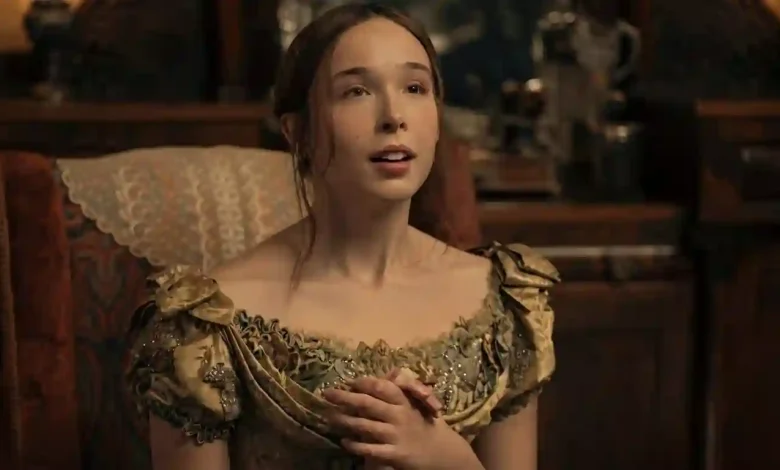
Table of Contents
Monster: The Lizzie Borden Story arrives as the newest installment in television’s most scrutinized true-crime anthology series, turning its forensic lens toward one of the earliest media-circus homicide trials in modern history. The series dramatizes high-profile homicide cases in American history, with each season focusing on a different killer. Following universally debated previous iterations that explored the grim realities of Jeffrey Dahmer, Ed Gein, and the infamous brothers Lyle and Erik Menendez, the anthology pivots chronologically backward into nineteenth-century New England to explore the notorious double ax murders of Andrew and Abby Borden.
Overview of the Anthology Evolution
The anthology has established itself as an uncompromising investigation into human depravity, systemic societal failures, and the cultural fascination surrounding high-stakes murder. When the franchise examined modern urban monsters and mid-century midwestern crimes, audiences witnessed psychological examinations steeped in contemporary forensic science. Now, turning its gaze toward the late Victorian era, the series tackles a case that predated fingerprinting, reliable blood-spatter analysis, and modern forensic toxicology, shifting the narrative engine toward institutional bias, class division, and gender politics.
As audiences follow the expanding footprint of prestige episodic television, the appetite for historically authentic crime dramatizations continues to expand. Much like the industry observed during major retrospectives highlighted at the Golden Globes auteur renaissance, true-crime narratives thrive when they transcend sensationalism to dissect the judicial and sociological frameworks that permit unsolved questions to linger across centuries.
The 1892 Fall River Double Homicide
The core narrative of this season reconstructs the sweltering morning of August 4, 1892, in Fall River, Massachusetts. The Borden family residence at 92 Second Street was neither luxurious nor isolated, situated in a bustling commercial neighborhood yet suffocatingly restrictive inside. Andrew Borden, a wealthy commercial landlord and bank director known for extreme frugality, had cultivated numerous business enemies throughout his lifetime. However, violent domestic slaughter inside locked residential walls suggested an intimate assailant rather than an opportunist burglar.
Abby Borden was found face-down upstairs in the guest room, having sustained multiple fatal strikes to the skull delivered with catastrophic force. Andrew Borden was subsequently discovered downstairs on the parlor sitting couch, bludgeoned while resting in broad daylight. The savage velocity of the strikes instantly electrified nineteenth-century telegraph wires, sending shockwaves across the American continent. The sheer brutality bewildered townspeople who found it difficult to comprehend how an affluent, churchgoing spinster could commit parricide with a common wood-chopping hatchet.
Star-Studded Cast and Key Performances
Central to this installment’s dramatic potency is an ensemble cast that refuses to reduce real-life figures into caricature. The production leans heavily into nuanced interpersonal psychology, portraying the Borden home not simply as a crime scene, but as an austere chamber of simmering emotional confinement. The complex dynamics of the sisters, the maid Bridget Sullivan, and the local investigators provide rich dramatic tension that mirrors the narrative complexity celebrated across modern award-winning prestige drama, similar to the achievements noted during historic Emmy recognition ceremonies.
The role of Lizzie Borden required a performer capable of oscillating seamlessly between demure Victorian vulnerability and chilling emotional detachment. Her testimony during the initial inquest was famously riddled with contradictions, drug-induced lapses in memory, and sudden outbursts. The series carefully walks a fine line, refusing to definitively declare guilt or innocence while dramatizing the suffocating circumstances that made Lizzie the prime target of local suspicion.
Charlie Hunnam and Rebecca Hall as Andrew and Abby Borden
A key artistic triumph of this production rests on the commanding presence of Charlie Hunnam and Rebecca Hall, who play Andrew Borden and Abby Borden respectively. Charlie Hunnam transforms his physical presence into an austere, unyielding patriarch whose obsession with frugality, financial control, and social standing casts an oppressive shadow over the entire household. Hunnam strips away the conventional veneer of charismatic authority to depict a rigid Victorian industrialist whose psychological grip on his daughters generated intense domestic isolation.
Counterbalancing Hunnam’s severe portrayal, Rebecca Hall brings heartbreaking depth to Abby Borden, a stepmother perpetually viewed as an intruder within the Second Street house. Hall conveys the delicate domestic alienation experienced by a woman navigating resentment, inheritance quarrels, and an atmosphere increasingly thick with quiet malice. Their tragic on-screen relationship establishes the structural architecture of the tragedy, making the eventual violence all the more harrowing.
Artistic Direction and Period Authenticity
The visual language of the show departs dramatically from the neon-lit dread or rural rot featured in previous seasons. Cinematographers utilize claustrophobic, candle-lit interiors, heavy lace draperies, and muffled acoustic textures to emphasize Victorian domestic imprisonment. Every creaking wooden floorboard and ticking clock in the Borden residence heightens the tension, demonstrating how material atmosphere drives psychological collapse.
This level of visual discipline evokes the meticulous world-building that high-end cinematic auteurs achieve in modern historical filmmaking, a craft frequently lauded at prestigious venues like the Venice Film Festival. By constructing an environment that accurately captures late-nineteenth-century Massachusetts, the series forces contemporary viewers to view the crime through the societal mores, prejudices, and technical constraints of the Gilded Age.
The Trial and Sensational Historical Acquittal
The court proceedings held in June 1893 in New Bedford, Massachusetts, transformed the judicial process into the nation’s premier spectacle. The prosecution, spearheaded by prominent state attorneys, faced an insurmountable hurdle: prevailing Victorian beliefs regarding womanhood. In the minds of the all-male jury and conservative jurists, a gentlewoman raised in high society was biologically and psychologically incapable of delivering savage ax strikes to her own father and stepmother.
Furthermore, early forensic missteps by local Fall River police severely compromised the state’s case. The missing murder weapon, circumstantial chemical tests on Lizzie’s dress, and excluded inquest testimony left critical reasonable doubt. When the jury returned a verdict of “not guilty” after barely an hour of deliberation, gasps and cheers echoed throughout the courtroom, securing Lizzie Borden’s permanent place in legal lore while leaving the murders officially unsolved forever.
Anthology Franchise Comparison Across Seasons
Each iteration of this anthology series has unpacked distinct eras and institutional mechanisms within American society. The table below details how the historical context, forensic tools, and thematic focus vary between each installment of the franchise.
| Season / Subject | Historical Era | Primary Investigative Setting | Core Societal and Legal Themes | Key Casting Highlights |
|---|---|---|---|---|
| Installment 1: Jeffrey Dahmer | 1978–1991 | Milwaukee, Wisconsin | Systemic police neglect, racism, homophobia | Evan Peters, Richard Jenkins |
| Installment 2: Menendez Brothers | 1989–1996 | Beverly Hills, California | Family abuse allegations, wealth, tabloid media | Nicholas Chavez, Cooper Koch, Javier Bardem |
| Installment 3: Ed Gein | 1940s–1957 | Plainfield, Wisconsin | Isolation, post-war trauma, psychiatric terror | Charlie Hunnam (Title Role) |
| Installment 4: Lizzie Borden | 1892–1893 | Fall River, Massachusetts | Victorian gender bias, inheritance, class privilege | Charlie Hunnam, Rebecca Hall |
Psychological Profiling and Narrative Themes
Beyond the courtroom fireworks, the series explores deep psychological dynamics regarding financial dependency, sibling rivalry, and nineteenth-century feminine disenfranchisement. Lizzie and her sister Emma were adult women utterly dependent on their father’s financial whims, existing in an era where unmarried women held little social autonomy. The subtle warfare surrounding real estate transfers, wills, and domestic allowances is presented not merely as trivia, but as the combustible fuel of family collapse.
The creative team carefully handles these complex interpersonal threads just as celebrated filmmakers manage expansive cultural sagas. In the wider media landscape, whether examining the tragic isolation of royal figures depicted in the ongoing coverage of Princess Diana retrospectives or big-budget historical shifts seen in productions like Ridley Scott projects, high-caliber narrative drama depends on deep character interiority rather than superficial shocks.
Cultural Resonance and Streaming Legacy
The cultural obsession with Lizzie Borden has persisted for more than a century, preserved through infamous jump-rope nursery rhymes, stage plays, and sensational folk legends. However, this production reframes the myth into a sober sociological artifact. By grounding the narrative in documented court transcripts while granting space to the emotional turbulence of its key figures, the show underscores how society often crafts convenient narratives to avoid confronting uncomfortable domestic truths.
As streaming platforms compete in an increasingly crowded global media ecosystem—an ongoing transformation thoroughly documented in analyses of streaming trends and market analysis—prestige true-crime installments remain indispensable tentpoles that drive public conversation. While theatrical studios periodically struggle with franchise fatigue, as analyzed during discussions regarding the Moana live action box office struggles, episodic true-crime narratives continue to dominate viewer engagement.
Ultimately, this latest installment deepens the franchise’s mission to examine how justice intersects with prejudice. Whether viewers conclude that Lizzie Borden was a calculating murderess protected by the patriarchal blindness of Victorian society, or an innocent victim trapped by tragedy and circumstantial suspicion, the series ensures that the ghost of 92 Second Street will continue to haunt American pop culture for generations to come. For further details on the cast and initial critical reactions, consult our continuous coverage on Monster Lizzie Borden.