Strait of Hormuz negotiations: Qatar mediates shipping crisis 2026
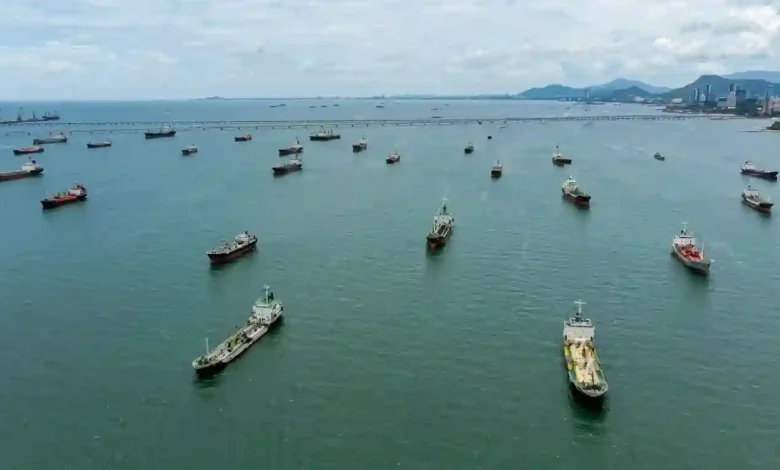
Table of Contents
Strait of Hormuz negotiations have reached a critical turning point as international mediators step up efforts to resolve the maritime blockade that has paralyzed global trade. Following intense diplomatic pressure, Tehran has agreed to compile a comprehensive list of security and political conditions required to restore normal shipping traffic through the waterway. This breakthrough comes after Qatar’s Prime Minister traveled to Tehran on Thursday, serving as a key emissary to emphasize the absolute necessity of respecting freedom of navigation in international waters. The sudden diplomatic flurry arrives at a time when the United States has largely disengaged from direct diplomatic channels. Instead, Washington has doubled down on an aggressive economic pressure campaign designed to isolate the Iranian regime. Despite this lack of direct U.S. participation, the Qatari delegation, representing a major U.S. ally with deep ties to both Western and regional powers, has managed to open a viable communication channel. The primary objective is to return to the pre-war status of open, uninhibited commercial shipping, shielding the global economy from catastrophic supply chain disruptions.
The Strategic Role of Qatari Diplomacy in Tehran
Qatar’s unique geopolitical position has once again made it the indispensable intermediary in Middle Eastern conflicts. During the high-stakes meeting in Tehran, the Qatari Prime Minister met with senior Iranian officials to convey a clear message: the continued closure of the world’s most vital energy corridor is unsustainable. Qatar has urged Tehran to separate maritime security from its broader geopolitical grievances, advocating for a return to international legal norms governing maritime transit. This diplomatic intervention is particularly crucial given the current military escalation of the 2026 Iran war. With regional forces locked in active combat, the risk of miscalculation remains high. Qatar’s diplomatic push aims to establish a framework where commercial vessels can transit safely without fear of seizure or missile strikes. By getting Tehran to agree to draw up a list of conditions, the mediators have at least shifted the dynamic from active confrontation to transactional diplomacy, giving global markets a tentative glimmer of hope.
Tehran’s Conditions and the Strait of Hormuz Blockade
The decision by Iranian leadership to draft a list of conditions is a calculated tactical maneuver. Rather than rejecting mediation outright, Tehran is using its leverage over the strait of hormuz blockade to extract concessions from both regional neighbors and Western powers. While the official list has not yet been fully publicized, sources close to the negotiations suggest that Iran’s demands will focus heavily on sanctions relief, security guarantees, and the cessation of foreign naval patrols near its territorial waters. Historically, Iran has viewed control over the strait as its ultimate strategic insurance policy. By threatening to choke off the flow of oil, Tehran forces the international community to address its economic and security concerns. Analysts studying the conflict emphasize that any lasting resolution will require addressing how Iran adapts its ballistic tactics to defend its coastline. Over the past several months, Iranian forces have deployed sophisticated anti-ship missiles and fast-attack craft along the Persian Gulf, making a purely military solution to the blockade highly risky for Western allies.
U.S. Economic Pressure Campaign and Disengagement
While regional actors seek a diplomatic breakthrough, the United States has maintained a highly rigid posture. Washington’s current policy favors maximum economic isolation over direct diplomatic dialogue. By refusing to engage in direct talks, the U.S. administration aims to bankrupt the Iranian state and force a unilateral capitulation. However, critics argue that this lack of engagement has stalled progress on key issues, including the establishment of a framework for a temporary U.S.-Iran ceasefire. This economic strategy forms the unresolved core of the Iran-U.S. conflict. The U.S. has warned international shipping companies that complying with Iran’s unilateral maritime conditions could violate existing sanctions. This creates a complex dilemma for global shipping conglomerates, which must choose between risking Iranian seizure in the strait or facing severe U.S. financial penalties. The disengagement of the U.S. from direct talks has left a diplomatic vacuum that Qatar and other regional intermediaries are desperately trying to fill.
Global Economic Impacts of the Shipping Blockade
The ongoing closure of the Strait of Hormuz has sent shockwaves through the global economy, triggering a severe global oil supply crisis. As approximately one-fifth of the world’s petroleum passes through this narrow passage, even a temporary disruption has immediate consequences for energy security. Manufacturing hubs in Asia and Europe, which rely heavily on Middle Eastern crude, have been forced to draw down strategic reserves or seek highly expensive alternative shipping routes around the Cape of Good Hope. This disruption has also placed immense pressure on international financial markets, resulting in highly volatile Brent crude oil prices. If the strait remains closed for an extended period, economists warn of a cascading inflationary wave that could destabilize fragile post-pandemic economic recoveries worldwide. The urgency of the Qatari-led negotiations is therefore driven not just by regional security concerns, but by a global imperative to stabilize energy markets before winter demand peaks.
Comparing Strategic Positions on the Strait of Hormuz Crisis
To understand the complexity of the current diplomatic deadlock, it is essential to compare the conflicting strategies and objectives of the major actors involved in the region.
| Actor | Primary Objective | Strategic Method | Red Lines / Key Demands |
|---|---|---|---|
| Iran | Sanctions relief & regional deterrence | Maritime blockades, asymmetric military posturing | Lifting of banking sanctions; recognition of territorial claims |
| United States | Regime containment & nuclear halt | Maximum economic pressure, disengagement from talks | No compromise on active terror-funding or missile development |
| Qatar | Conflict de-escalation & open shipping | Shuttle diplomacy, economic incentives, compromise frameworks | Prevention of regional war; preservation of freedom of navigation |
| Global Coalition | Unimpeded energy transit | Naval escorts, diplomatic backing for regional mediators | Zero tolerance for ongoing commercial shipping seizures |
Geopolitical Dynamics and the Role of U.S. Leadership
The ongoing diplomatic efforts cannot be analyzed in a vacuum, especially given the impending shifts in Western leadership. Understanding the complex geopolitical dynamics of the Iran war under Trump is crucial for predicting the longevity of any negotiated settlement. A return to highly confrontational rhetoric from Washington could quickly derail Qatar’s delicate mediation efforts, prompting Tehran to abandon its list of conditions and revert to aggressive containment tactics. Furthermore, Tehran’s defensive doctrine has evolved significantly; analysts studying how Iran adapts its ballistic tactics note that the regime’s military elite are confident in their ability to deny access to the Persian Gulf. This domestic confidence means that Iran is unlikely to accept a deal that does not offer tangible, legally binding economic relief. The Qatari negotiators are therefore faced with the monumental task of constructing an agreement that satisfies Iran’s demand for economic progress while respecting the U.S. policy of strict containment.
The Legal and Maritime Architecture of the Strait
At the heart of this conflict lies a fundamental dispute over international maritime law. Under the United Nations Convention on the Law of the Sea (UNCLOS), the Strait of Hormuz is recognized as an international strait where the right of transit passage applies to all vessels. However, because Iran has signed but not ratified UNCLOS, it maintains that it has the legal right to regulate, inspect, or restrict passage through its territorial waters to protect its national security. Qatar’s emissaries have repeatedly emphasized that respecting freedom of navigation is not merely a political concession, but a cornerstone of international maritime law. Any attempt to codify restrictive conditions on shipping could set a dangerous global precedent, encouraging other nations to block strategic chokepoints during times of geopolitical tension. Therefore, the mediators are striving to frame the proposed conditions as temporary, emergency security measures rather than a permanent rewriting of maritime transit laws.
Pathways Toward a Diplomatic Resolution
The road to reopening the Strait of Hormuz remains fraught with immense geopolitical obstacles. The success of the current mediation efforts depends on whether Qatar can bridge the vast ideological gulf between Washington’s economic warfare and Tehran’s regional assertiveness. If Tehran presents realistic, actionable security demands, and if the international community can offer targeted economic waivers, a phased reopening of the shipping lanes may be achievable. However, should the U.S. economic pressure campaign intensify without diplomatic flexibility, the negotiations risk collapsing entirely. In such a scenario, the world must prepare for a prolonged era of maritime instability, elevated energy costs, and the constant threat of a wider regional conflagration. The diplomatic initiatives currently underway in Tehran represent a critical opportunity to avert a global economic catastrophe and restore stability to one of the world’s most vital waterways.