Lake America: Trump Renames Lake Ontario Amid Trade Dispute 2026
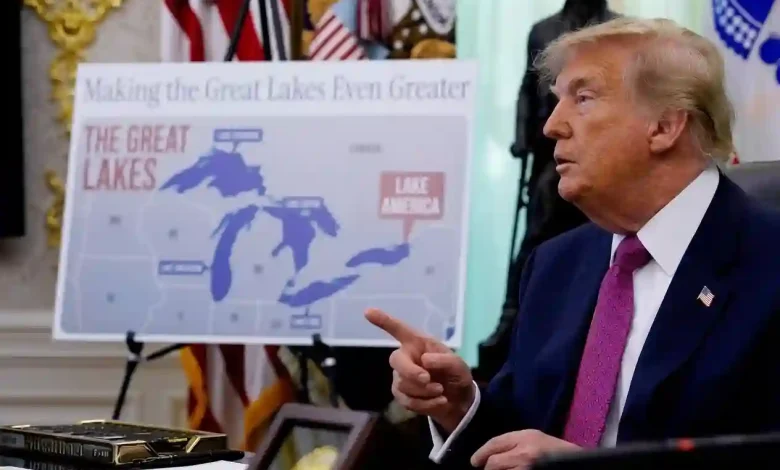
Table of Contents
Lake America has officially entered the geopolitical lexicon after U.S. President Donald Trump signed a highly controversial executive order on Thursday, August 27, 2026, renaming Lake Ontario as part of an escalating feud with Canada. The sudden unilateral move has sent shockwaves through North American diplomatic, trade, and regional offices, adding a bizarre geographical twist to an already bitter trade dispute that has spawned tariffs on tens of billions of dollars in cross-border trade. While the symbolic gesture has sparked immense public debate and satirical internet trends, the political reality behind this decision signals a profound rift between the two historic allies. Lake Ontario, one of the five massive Great Lakes of North America, represents a vital geographical and environmental asset shared by both nations, making this executive naming change a direct strike at bilateral relations.
The Executive Order: Mechanisms and Limitations
Under the directives of the newly signed decree, U.S. federal agencies have been ordered to update all maps, databases, and official documentation within 30 days to replace references to Lake Ontario with the newly coined name. The Secretary of the Interior is tasked with modifying the Geographic Names Information System (GNIS) to ensure compliance. However, the legal weight of this mandate is strictly domestic. It applies exclusively to U.S. federal usage and does not govern what Canada, international bodies, or other organizations call the lake. This implies that while Department of Defense contracts, federal maritime charts, and official Washington memos will utilize the new name, the Canadian government and international cartographers are under no obligation to alter their records. The unilateral naming convention serves as a diplomatic provocation rather than a legally enforceable international border change.
The Trade War Backdrop: Retaliatory Tariffs and Heated Rhetoric
The renaming of Lake Ontario represents more than just a cartographical dispute; it is the physical manifestation of a rapidly deteriorating trade relationship. Earlier this week, the Trump administration imposed massive 50% tariffs on a wide range of Canadian goods, asserting that trade imbalances and security concerns necessitated a drastic shift in fiscal policy. This aggressive economic war strategy mirrors previous pressure campaigns, though applying it to America’s northern neighbor has surprised many trade experts. In response to these sweeping measures, Canadian Prime Minister Mark Carney and his cabinet prepared a heavy package of retaliatory tariffs targeting American exports. As the trade dispute escalated, Trump teased the renaming on social media, declaring that the U.S. no longer expected to do business with Ontario, Canada’s economic powerhouse. The official announcement came on Thursday when Trump, speaking from the Oval Office, crossed out the lake’s traditional name on a map and replaced it with his preferred moniker. Prime Minister Carney quickly dismissed the move, writing on social media that the name ‘Ontario’—derived from indigenous languages and predating the Confederation of Canada—would remain the undisputed designation for Canadians and the rest of the world. Nonetheless, the introduction of international trade sanctions and tariffs has cast a long shadow over the Great Lakes trade corridor.
Economic Disruptions and Border Logistics
The economic consequences of this dispute stretch far beyond symbolic renaming. The Great Lakes region is a vital artery for industrial manufacturing, agriculture, and shipping, serving as a gateway for trillions of dollars in goods annually. Manufacturers in states like Michigan, Ohio, and New York rely on seamless supply chains that cross the border multiple times during the production process. Disrupting these channels with high tariffs could lead to severe industrial bottlenecks. Furthermore, agricultural sectors are bracing for the impact of Canada’s retaliatory measures. Similar to how California’s agricultural regulations have reshaped domestic farming standards, the shifting trade landscape along the northern border is forcing regional agricultural operations to quickly seek alternative supply networks. Energy markets are also highly vulnerable to these rising geopolitical tensions. Given the deep integration of North American pipeline networks, experts warn of projected volatility in global oil prices and refined petroleum products if energy flows between the U.S. and Canada are restricted or taxed heavily. Shipments of iron ore, grain, and coal through the Great Lakes could experience administrative delays as port authorities adjust to the dual nomenclature and new customs requirements.
A Side-by-Side Comparison of the Naming Status
To clarify the operational differences under this executive order, the following table outlines the status of the body of water under various jurisdictions:
| Parameter | United States (Federal) | Canada (National/Provincial) | International Mapping Bodies |
|---|---|---|---|
| Official Name | Lake America | Lake Ontario | Lake Ontario (Standard) |
| Legal Authority | U.S. Executive Order | Canadian Constitution & Historical Precedent | International Hydrographic Organization |
| Scope of Name Usage | U.S. Federal databases, maps, and federal contracts | All provincial, national, and local administrative uses | Global navigation charts, atlases, and scientific journals |
| Economic Jurisdiction | Controls southern waters and key U.S. ports (e.g., Rochester) | Controls northern waters and key Canadian ports (e.g., Toronto) | Governed by bilateral boundary waters treaties |
Geopolitical Reactions and Strategic Security
The diplomatic fallout has reverberated across national security circles. Historically, the U.S. and Canada have maintained one of the closest security alliances in the world, collaborating closely on continental defense, intelligence sharing, and border policing. Unilateral decisions of this nature threaten to strain that cooperation, particularly in areas concerning mutual environmental stewardship. The Great Lakes are managed via joint agreements like the Great Lakes Water Quality Agreement, which requires close collaboration between federal, state, and provincial agencies. Straining relations over trade and naming conventions could hinder critical environmental protection programs. Additionally, as domestic political shifts continue to play out in key battleground states across the Rust Belt and the Midwest, politicians on both sides of the aisle are weighing the consequences. Some argue that tough trade stances are necessary to protect American manufacturing, while others worry that isolating Canada will degrade long-term security. The dispute also highlights the growing importance of securing critical infrastructure. Regional security planners are increasingly focused on protecting the digital systems that manage locks, ports, and shipping lanes. Strengthening border security and cybersecurity networks has become a paramount priority as trade friction elevates the risk of retaliatory digital disruptions from opportunistic bad actors seeking to exploit the geopolitical rift.
Global Market Volatility and Financial Impact
The escalating conflict has caught the attention of global financial institutions. Sudden policy shifts, tariff announcements, and unconventional executive orders introduce high levels of uncertainty into global markets. Investment banks and multinational corporations are analyzing the broader implications of a prolonged economic standoff between two of the world’s largest trading partners. These financial sector reactions reflect deep concern that unpredictable trade barriers could slow down economic growth and trigger inflationary pressures. Analysts suggest that if the tariff dispute persists, it could affect monetary policies and currency valuations, forcing central banks to adjust their fiscal projections for the coming year. Corporate leaders are also warning that prolonged trade tension could deter foreign direct investment, leading to a more cautious approach to capital allocation in the region.
The Historical Context and Modern Symbolism
The Great Lakes of North America—Superior, Huron, Michigan, Erie, and Ontario—have held immense cultural, ecological, and economic significance for centuries. First named by indigenous populations, including the Huron, Iroquois, and Anishinaabe, these bodies of water were critical routes for trade, fishing, and community life long before European colonization. The name ‘Ontario’ itself is widely believed to originate from the Huron word ‘Ontarí’io’, meaning ‘great lake’ or ‘beautiful lake’. By replacing this name on federal documents with ‘Lake America’, the Trump administration is engaging in a highly symbolic assertion of sovereign dominance. Critics view it as a performative distraction from complex trade negotiations, while supporters champion it as a bold statement of national pride and economic independence. This move fits into a broader pattern of using geographical naming conventions to signal geopolitical strength, a tactic occasionally deployed by major powers globally during periods of international strain.
Conclusion: What Lies Ahead for U.S.-Canada Relations
Ultimately, the renaming of Lake Ontario is a vivid illustration of how economic disputes can bleed into symbolic and diplomatic theaters. While the name change holds no sway over Canadian geography or international maps, it serves as a powerful reminder of the current administration’s willingness to use unconventional tactics to achieve leverage. Whether this standoff leads to a negotiated trade settlement or settles into a long-term diplomatic freeze remains to be seen. In the meantime, local communities, maritime industries, and businesses on both sides of the border will have to navigate a complicated environment where geography, economics, and politics are inextricably linked. The resilience of the North American trade alliance will be thoroughly tested in the months ahead as both Ottawa and Washington assess the true cost of this escalating confrontation.