Manchester City’s post-Pep Guardiola era begins with dramatic late drama 2026
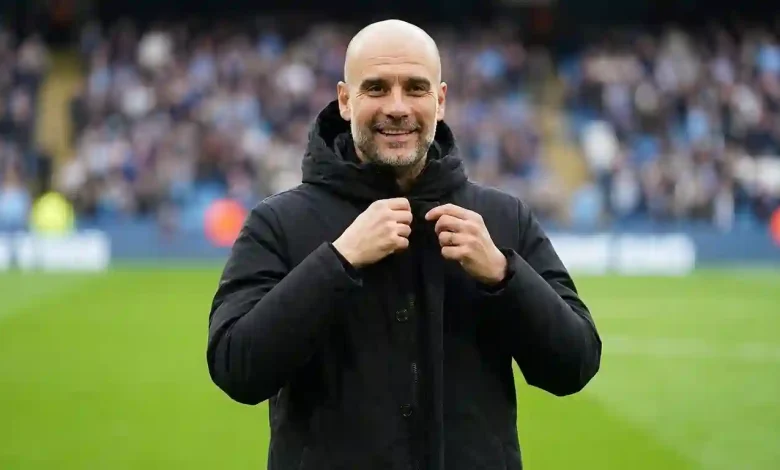
Table of Contents
Manchester City’s post-Pep Guardiola era began in dramatic fashion on Sunday as Enzo Maresca guided his new-look side to a tense victory over a highly disciplined Bournemouth. It was a baptism of fire at the Etihad Stadium, with fans experiencing a wave of emotions as they watched the first league game in almost a decade without Guardiola’s iconic presence on the touchline. The transition from a historically dominant managerial figurehead is never simple. While navigating complex squad dynamics and external scrutiny, a situation reminiscent of recent governance struggles similar to FIFA’s administrative conflicts, Maresca demonstrated tactical calm. This tactical composure was eventually rewarded when Josko Gvardiol emerged as the unlikely hero, securing all three points in the dying moments of the match. Meanwhile, the league’s narrative expanded further north as new Liverpool manager Andoni Iraola oversaw a frantic battle at St. James’ Park, reminding fans of the sheer drama that defines English football.
Era: Manchester City’s Transition: Life After Pep Guardiola
The departure of Pep Guardiola marked the end of the most decorated era in Manchester City’s illustrious history. Having dominated both domestically and in Europe, the club had to act swiftly to ensure their footballing identity did not disintegrate. Enzo Maresca, previously an assistant under Pep and subsequently a successful head coach in his own right, was entrusted with this monumentally difficult task. The primary challenge facing Maresca was not just maintaining a winning culture, but evolving a squad that had grown accustomed to a highly specific set of behavioral and tactical demands. Modern football clubs operate on very thin margins of error. Transitioning from the previous regime requires careful calibration; building a winning formula relies heavily on methodical execution, much like how modern enterprises rely on strategic planning for long-term growth to ensure stability. Under Maresca, the players must learn to adapt to a faster vertical style while retaining the patience and positional discipline that made them world-beaters.
Era: Enzo Maresca’s Tactical Evolution in His Debut Clash
During his first official Premier League fixture in charge, Maresca wasted no time in stamping his personal authority on the tactical setup. City lined up in an asymmetrical shape that transformed dynamically based on the phase of play. Instead of the rigid positional play often associated with late-era Guardiola, Maresca encouraged a more direct, vertical progression. The midfield pivot played a crucial role in scanning and identifying vertical passing lanes immediately upon recovering the ball, demanding a high degree of defensive concentration. His approach combined clinical precision and tactical efficiency to unlock Bournemouth’s defense. This shift in tempo caught Bournemouth by surprise in the opening exchanges, although it also exposed City to occasional counter-attacks when passes went astray. This blend of tactical innovation and high athletic intensity is characteristic of modern sports development, reflecting the sheer dynamism of contemporary athletics, mirroring the growing mainstream appreciation of modern sporting innovations like the inclusion of flag football in the Olympics.
Era: The Decisive Moment: Josko Gvardiol’s Late Heroics
Despite City controlling the lion’s share of possession, Bournemouth proved to be an exceptionally tough nut to crack. The Cherries defended in a low-block, denying space in behind and looking to exploit any defensive vulnerabilities on the counter-attack. After an opening goal for City, Bournemouth responded with an equalizer that stunned the Etihad Stadium, capitalising on a brief moments of positional confusion. As the clock ticked down and fans feared a disappointing start to the season, the match was decided in the 94th minute. A late corner kick found Josko Gvardiol, who rose majestically to head the ball into the top corner, sealing a 2-1 victory. This late goal underscored the mental resilience that remains embedded within this squad, especially when facing a highly competitive market environment where margins for error are virtually nonexistent. Gvardiol’s heroics saved the day and gave Maresca the perfect start to his tenure.
Era: Liverpool’s New Chapter Under Andoni Iraola
While Manchester City celebrated a dramatic home win, Liverpool began their own fresh chapter under the leadership of Andoni Iraola. Taking over the reins at Anfield is one of the most high-pressure jobs in global sport, and Iraola’s tactical philosophy—defined by intense counter-pressing and rapid attacking transitions—was immediately put to the test. Traveling to face Newcastle United at St. James’ Park is notoriously difficult on the opening weekend of any season, and this fixture certainly lived up to its billing. The match was played at a breakneck pace, with both teams refusing to yield territory. For Iraola, implementing a highly complex pressing system under these conditions required immense structural adaptability, where technical structures must be fluid yet robust, similar to developers adopting an open-source structural approach for complex systemic development. The tactical battle between Iraola and Newcastle’s bench was a masterclass in modern adaptation.
Szoboszlai Rescues a Point at St. James’ Park
The encounter at St. James’ Park was a rollercoaster of emotions. Newcastle’s aggressive pressing game disrupted Liverpool’s passing rhythm, forcing Iraola’s men into uncharacteristic turnovers. Newcastle took full advantage, establishing a 2-1 lead that looked set to hand Iraola a frustrating defeat in his managerial debut. However, the Hungarian international Dominik Szoboszlai proved to be Liverpool’s savior. With only seconds remaining on the referee’s watch, a handball in the box awarded Liverpool a penalty. Under immense psychological pressure, Szoboszlai stepped up and coolly converted the spot-kick, securing a 2-2 draw. Despite the valuable point, the match exposed defensive frailties that Iraola must address quickly. Adapting defensive lines to new formations can be as tricky as environmental planners navigating complex structural landscapes under intense local constraints.
Era: Evaluating Newcastle’s Performance Under New Leadership
Newcastle United entered this fixture with their own new manager at the helm, signaling a fresh tactical direction for the Magpies. The team played with an aggression and tactical cohesion that delighted the home supporters. Their pressing in the middle third of the pitch was particularly effective, nullifying Liverpool’s playmaker and forcing turnovers in dangerous areas. However, maintaining this level of physical output over an entire ninety minutes proved difficult, ultimately leading to the late lapse in concentration that gifted Liverpool their equalizing penalty. These transitions, while exciting, often come with significant teething problems and the pressures of corporate restructurings, analogous to modern corporate bodies navigating intense legal and administrative challenges during high-profile operational handovers. For Newcastle, the match provided plenty of reasons for optimism, but also highlighted the work needed to secure defensive stability under their newly appointed leader.
Strategic Comparison: Maresca vs. Iraola Tactics
Analyzing the opening matches of both Maresca and Iraola reveals two contrasting yet highly sophisticated approaches to modern football. While Maresca seeks to evolve City’s possession-based dominance into a more vertical threat, Iraola focuses heavily on high-tempo pressing and rapid transitions. The tactical battle lines for the season have been drawn. Below is a comparative look at the statistical and tactical outcomes from their respective opening day fixtures.
| Metric Analysed | Manchester City (vs. Bournemouth) | Liverpool (vs. Newcastle) |
|---|---|---|
| Possession Percentage | 68% | 51% |
| Total Shots (On Target) | 18 (8) | 14 (5) |
| Pass Completion Rate | 89% | 81% |
| Expected Goals (xG) | 2.14 | 1.85 |
| PPDA (Passes Allowed per Defensive Action) | 10.2 | 8.4 |
| Late Goal Time | 90+4′ (Winner) | 90+7′ (Equaliser) |
The data underscores the differences in approach. City under Maresca maintained a high degree of control over the ball, attempting to slowly suffocate the opposition before launching sudden, vertical attacks. In contrast, Iraola’s Liverpool was far more chaotic and transition-focused, as shown by their lower pass completion rate but aggressive PPDA score. This chaotic style created an entertaining spectacle but left them vulnerable in defensive transitions, a risk Iraola is seemingly willing to accept to play his signature style.
The Shifting Power Dynamics of the Premier League
The dramatic events of the opening weekend suggest that the Premier League is entering a fascinating period of tactical flux. With multiple elite clubs transitioning to new managers, the established hierarchy is bound to be challenged. Manchester City showed that they still possess the champion’s mentality to find late wins, but their defensive vulnerabilities under Maresca’s new system will give hope to their rivals. Meanwhile, Liverpool’s thrilling draw under Iraola indicates that the Reds will remain an entertaining and formidable force, even as they adjust to a new tactical blueprint. As the season progresses, the ability of these new managers to adapt to the grueling demands of English football will ultimately decide who lifts the trophy. It promises to be one of the most competitive and unpredictable seasons in recent memory.