European basketball clubs Face NBA Showdown Over New League 2026
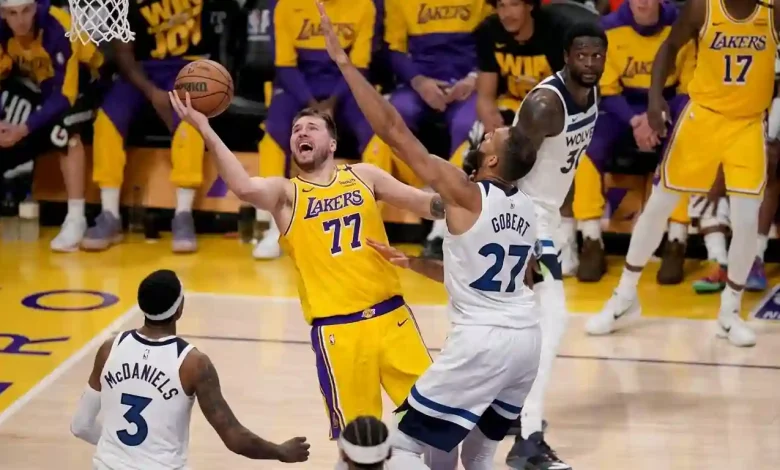
Table of Contents
European basketball clubs stand at a monumental crossroads following the collective rejection of an ambitious expansion initiative presented by the National Basketball Association. Panathinaikos owner Dimitris Giannakopoulos voiced strong conviction on Wednesday that continental heavyweights must engineer a collaborative framework with North America’s premier league rather than retreating into rigid isolationism. Giannakopoulos made his remarks mere hours after the shareholder franchises of Euroleague Basketball turned down an official approach from the NBA to launch a co-branded continental competition, igniting what industry insiders perceive as an impending commercial war over intellectual property, broadcast rights, athlete development, and regional market penetration.
Dimitris Giannakopoulos Calls for Strategic Alignment with the NBA
Panathinaikos AKTOR Athens owner Dimitris Giannakopoulos has urged EuroLeague governance and affiliated club stakeholders to abandon defensive posturing in favor of forward-looking diplomacy. Speaking candidly after Tuesday’s pivotal shareholder summit, Giannakopoulos emphasized that dismissing overtures from the world’s most lucrative basketball ecosystem poses severe strategic hazards for the sport across Europe. While recognizing that the initial parameters failed to protect the sovereign sovereignty and economic guarantees demanded by legacy powerhouses like Real Madrid, FC Barcelona, Olympiacos, and Fenerbahce, he argued that outright antagonism would prove financially counterproductive over the long term.
Giannakopoulos outlined that the structural economics of European basketball remain precarious. Most EuroLeague organizations operate at substantial annual deficits, covered almost exclusively by benevolent benefactors, private equity injections, or subsidies from multi-sport parent football clubs. By outright refusing to engage in meaningful structuring talks with NBA Commissioner Adam Silver and Deputy Commissioner Mark Tatum, European executives risk isolating their brands from the transformative capital expenditures, technological infrastructure, and global digital distribution mechanisms that have driven modern NBA power rankings and trade deadline intel across domestic and international markets.
Deconstructing the NBA European League Proposal
The NBA’s formal proposal was the culmination of multi-year feasibility studies conducted alongside the International Basketball Federation (FIBA). Having observed the rapid expansion of global sport viewership and the success of localized initiatives such as the Basketball Africa League (BAL), NBA leadership targeted Europe as the natural next frontier for commercial consolidation.
What the NBA Offered to Top Continental Franchises
Under the confidential blueprint presented to EuroLeague stakeholders, the NBA envisioned a hybrid tournament model designed to restructure the elite tier of European club basketball. The proposal suggested creating a premium continental division featuring established licensed teams alongside handpicked expansion franchises positioned in critical metropolitan hubs including London, Paris, and Berlin. This competition promised integration into the NBA’s worldwide sponsorship matrix, direct access to premium North American media syndication, and sophisticated digital monetization tools comparable to the systems tracking the NBA schedule key dates and related live-event broadcasts.
The Immediate Pushback from EuroLeague Shareholders
Despite the glittering commercial promises, the executive board representing the eleven long-term licensed EuroLeague clubs voted overwhelmingly to dismiss the proposal on Tuesday. Club representatives expressed deep reservations regarding governance sovereignty, revenue apportionment formulas, and operational command. European decision-makers feared that accepting the framework would turn prestigious institutions with century-old sporting legacies into glorified feeder teams or minor-league affiliates, eroding the domestic leagues that serve as the foundation of European sports culture.
Furthermore, established European administrators balked at the NBA’s insistence on franchise licensing fees and centralized control over branding and scheduling. The EuroLeague’s current joint-venture partnership with IMG, which guarantees baseline commercial returns through long-term media agreements, served as a defensive shield during negotiations, giving club owners the confidence to push back against American corporate restructuring.
Comparative Breakdown: EuroLeague Framework vs. NBA Continental Vision
The following analytical matrix summarizes the fundamental strategic, financial, and operational divergence between the existing EuroLeague framework and the proposed NBA continental tournament model:
| Operational Dimension | Current EuroLeague Model | Proposed NBA European Structure |
|---|---|---|
| Governance & Control | Club-owned shareholder collective managed alongside IMG joint venture | Centralized governance overseen directly by NBA operations and FIBA |
| Revenue Generation Focus | Regional television packages, ticket sales, club ownership subsidies | Global media rights distribution, enterprise licensing, multinational sponsors |
| League Membership Access | Permanent A-License shareholders paired with competitive wildcards | Franchise model prioritizing key strategic consumer markets (e.g., London, Paris) |
| Domestic League Integration | Clubs participate simultaneously in domestic competitions and EuroLeague | Streamlined continental calendar requiring limited domestic commitments |
| Salary Mechanics & Parity | Voluntary spending limits governed by basic financial fair play regulations | Structured salary framework designed to incentivize competitive parity |
| Broadcast & Streaming Rights | Fragmented national broadcast deals across European territories | Unified global streaming via NBA App infrastructure and flagship partners |
Financial Disparities and Commercial Rights Battles
The core dispute between European leadership and North American league officials rests squarely on revenue disparities. Although basketball enjoys passionate regional followings in Greece, Serbia, Lithuania, Turkey, and Spain, total league revenue generation lags drastically behind North American standards. While an elite EuroLeague organization typically balances a budget between twenty and forty-five million euros per season, individual franchises chasing a Boston Celtics championship roadmap operate with annual operating budgets exceeding several hundred million dollars.
This financial discrepancy limits the ability of European clubs to upgrade arena infrastructure, implement sophisticated data analytics, and expand merchandising networks. Giannakopoulos warned that rejecting dialogue outright prevents clubs from unlocking capital markets. Rather than shutting the door, he believes European stakeholders must negotiate from a unified position to demand equity stakes, profit-sharing parity, and seat-at-the-table governance rights within any joint venture.
Talent Retention, Player Pathways, and Scouting Friction
Player acquisition represents another contentious battleground. Over the past two decades, the NBA’s financial dominance has established an accelerating talent drain. Elite European stars routinely depart their home clubs during peak athletic development to sign lucrative deals stateside, altering both domestic title races and European continental tournaments. Managing these transitions requires sophisticated understanding of modern athlete contracts and global transfer market economics, which have increasingly tilted leverage away from European development clubs.
When superstars like Luka Dončić, Giannis Antetokounmpo, and Nikola Jokić depart for the United States, European clubs receive modest, contractually capped buyout sums that do not compensate for the loss of box-office drawing power. A collaborative league model backed by the NBA could introduce standardized transfer fees, loan systems, or shared player retention rights, protecting European clubs’ bottom lines. Without a structured agreement, European clubs remain exposed to predatory scouting and raiding by teams staging a Golden State Warriors strategic playoff outlook or rebuilding phase.
Sovereign Wealth, Expansion Markets, and the Dubai Variable
The geopolitical reality of modern sports financing further complicates negotiations between European teams and the NBA. The recent expansion into the Persian Gulf, highlighted by the high-profile Dubai basketball vs Kosner Baskonia EuroLeague preview developments, highlights how outside capital is actively courting European competition organizers. Middle Eastern sovereign funds and institutional investment groups are prepared to inject hundreds of millions of euros into tournament naming rights, hosting fees, and new franchises.
The NBA is well aware that non-Western sovereign entities are eager to capitalize on any organizational deadlock in Europe. If the NBA fails to establish an official competitive bridgehead, alternative financial coalitions could emerge to reshape the continent’s sporting landscape. Giannakopoulos recognizes that European clubs possess rare cultural heritage, but warned that heritage without liquidity cannot compete indefinitely against global sports conglomerates.
The Future Landscape of Continental Basketball Governance
As the initial dust settles around Tuesday’s rejection, the debate ignited by Giannakopoulos makes one thing clear: maintaining the status quo is untenable. European clubs cannot ignore the massive audience interest driving the Los Angeles Lakers playoff push while their own home matches often struggle for mainstream continental media visibility outside of core basketball markets.
Industry analysts project that backchannel discussions between FIBA, select progressive EuroLeague club owners, and NBA executives will resume within the coming months. The initial bid was roundly rejected, but the foundational issues—deficient commercial monetization, talent hemorrhaging, fragmented media packages, and contentious scheduling calendars—remain urgent. As Dimitris Giannakopoulos noted, the survival and prosperity of elite European basketball will ultimately depend on finding a viable bridge between historical tradition and the commercial power of the global basketball marketplace.