Ridley Scott’s The Dog Stars: A Masterful Return to Sci-Fi 2026
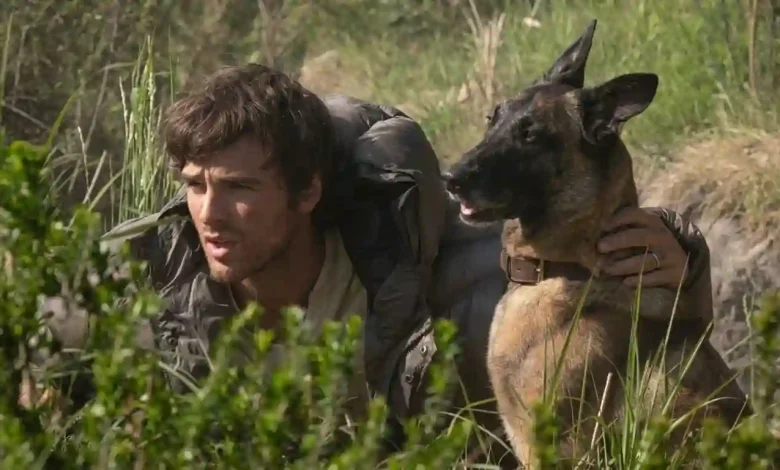
Table of Contents
Ridley Scott’s The Dog Stars marks a monumental return to the science fiction genre, coming almost a decade after his critically acclaimed 2015 blockbuster, The Martian. As one of the most prolific directors in cinematic history, the 88-year-old visionary continues to push boundaries, trading the massive cosmic scale of alien worlds and intergalactic journeys for a grounded, deeply emotional post-apocalyptic thriller. Based on the bestselling 2012 novel of the same name by Peter Heller, this highly anticipated film delivers a narrative that its cast and crew insist is not just about the end of the world, but about the enduring strength of the human spirit. In a media landscape saturated with bleak, hyper-violent dystopias, this project aims to offer something increasingly rare in modern cinema: a genuine message of hope.
Introduction: The Return of a Cinematic Giant
After decades of shaping the landscape of speculative cinema, Ridley Scott is once again redefining how we view the future. Famous for creating the claustrophobic dread of Alien and the neon-drenched cyber-dystopia of Blade Runner, Scott has spent much of the last decade exploring historical epics, including his recent work on Gladiator II. However, the allure of science fiction remains a powerful force in his career. With this new project, he pivots away from extraterrestrial threats and cybernetic synthetics to focus on a threat much closer to home: a devastating pandemic that has decimated the global population.
What makes this return particularly compelling is the specific tone Scott has chosen to strike. Rather than leaning into the nihilism that defines much of modern apocalyptic fiction, he has crafted a story that champions the possibility of recovery, connection, and human warmth in the face of absolute collapse. It is a bold creative choice that stands in stark contrast to the grim, survival-at-all-costs ethos of contemporary dystopian cinema.
Adapting Peter Heller’s Vision: From Page to Screen
To bring this unique vision to life, Scott teamed up with screenwriter Mark L. Smith, renowned for his visceral work on the survival drama The Revenant. Peter Heller’s original 2012 novel, The Dog Stars, is celebrated for its lyrical, poetic prose, which captures both the profound sadness of a lost world and the sublime beauty of the natural environment reclaiming the earth. Translating such introspective, character-driven literature into a major cinematic experience required a delicate touch.
The screenplay by Smith preserves the internal landscape of Heller’s protagonist while expanding the physical and external challenges he faces. By emphasizing the physical struggle to maintain an isolated homestead, the adaptation highlights the stark realities of resource scarcity. In this shattered world, fuel, food, and basic medicine have become precious commodities, which behaves like a volatile market similar to how projected oil prices fluctuate in times of geopolitical distress, driving survivors to extreme measures to secure their next day of life.
Plot and Premise: Survival in the Rockies
Set in the rugged terrain of Erie, Colorado, the narrative follows Hig, a former civilian pilot who has survived a brutal flu pandemic that wiped out more than ninety-nine percent of humanity. Having lost his wife and his entire community to the virus, Hig lives a solitary, cautious existence in an abandoned airplane hangar. His only companions are his beloved aging dog, Jasper, and an eccentric, heavily armed military survivalist named Bangley.
The dynamic between Hig and Bangley is central to the tension of the film. While Hig clings to his humanity, holding onto memories of the past and hoping for a collaborative future, Bangley is a pragmatist who views all outsiders as potential threats. They survive by establishing a strict perimeter around their compound, repelling occasional attacks from violent, roaming scavengers. However, when Hig’s Cessna airplane picks up a mysterious, distant radio transmission, he is forced to make a choice. Driven by a desperate need for human connection, he decides to fly past his point of no return, venturing into the unknown in search of the signal’s origin.
The All-Star Cast of The Dog Stars
A film of this thematic depth requires a cast capable of delivering highly nuanced performances. Ridley Scott has assembled a stellar ensemble that balances rising Hollywood stars with seasoned industry veterans, ensuring that the emotional gravity of the source material is fully realized on screen.
Jacob Elordi as Hig: Navigating Solitude and Hope
Jacob Elordi, who has quickly established himself as one of the most versatile actors of his generation through his roles in Euphoria and Priscilla, takes on the demanding role of Hig. Elordi must carry much of the film’s emotional weight, portraying a man who is simultaneously broken by grief and buoyed by an unshakeable sense of optimism. His relationship with his canine co-star, Rak Jasper, adds a profound layer of vulnerability to the performance, reflecting the therapeutic power of dogs and teen anxiety relief, showing how animals anchor us during crisis. Elordi’s portrayal of Hig highlights the desperate human need to protect and care for another living being, even when the rest of the world has crumbled.
Josh Brolin as Bangley: The Hardened Protector
Josh Brolin co-stars as Bangley, the gruff, combat-ready survivalist who serves as Hig’s protector and foil. Brolin brings his trademark grit and physical presence to the role, depicting a man who has completely closed himself off to emotion in order to survive. Bangley’s defensive posture is a direct response to the collapse of social structures, echoing real-world narratives where geopolitical crises reshape national boundaries and resource allocation, leaving individuals to rely entirely on self-defense and isolationism. Despite his harsh exterior, Brolin’s character development reveals a complex loyalty to Hig, showing that even the most hardened survivors cannot fully escape the necessity of companionship.
Margaret Qualley as Cima: A Beacon of Connection
Margaret Qualley plays Cima, a young, resilient medic living in a secluded mountain refuge with her father, Pops (played by Guy Pearce). Qualley’s character represents the potential for a new beginning. Her meeting with Hig serves as the catalyst for the film’s second half, shifting the focus from mere survival to the actively constructive work of rebuilding community. The presence of Cima and her family highlights the film’s central message: that isolation is a slow death, and true survival requires the willingness to trust others once again.
Production Secrets: Italy and Multi-Camera Dynamics
To capture the vast, majestic landscapes described in Peter Heller’s novel, the production team made the surprising choice to film primarily on location in Italy. The Italian countryside, with its dramatic mountain vistas and abandoned, rustic structures, provided a perfect stand-in for the rugged, wild beauty of the American West. This setting allowed Scott to play with scale, juxtaposing the insignificance of human constructs against the timeless majesty of the natural world.
Scott’s legendary efficiency was on full display during the shoot. Utilizing his famous multi-camera setup, the director captured complex, highly dynamic scenes in a fraction of the time typically required for an epic of this scale. This relentless, high-speed approach kept the actors on their toes, capturing raw, spontaneous reactions. While this style initially startled some members of the cast, it ultimately created an atmosphere of intense focus and realism on set, much like the intense media warnings concerning societal breakdowns and infrastructure vulnerabilities that demand immediate, decisive action.
Optimism vs. Dread: Why This Post-Apocalyptic Film is Different
The post-apocalyptic subgenre has long been dominated by stories of human depravity and unending misery. From the desolate, ash-covered world of The Road to the chaotic violence of Mad Max, cinema has frequently argued that when society falls, humanity’s worst instincts take over. Ridley Scott, however, intentionally set out to challenge this convention. He explicitly noted during the London premiere that he wanted to bypass the standard zombie tropes and focus instead on an essential, redemptive optimism.
By shifting the focus to hope, the film explores how survivors can transition from a state of constant fear to one of deliberate reconstruction. Hig and Bangley’s compound must be defended, and they must coordinate critical resources, much like defense preparations in modern militarized zones. Yet, the true objective of the film is not the military defense of an airport, but the spiritual liberation of its characters. It argues that physical safety is meaningless without the freedom to love, connect, and explore.
Box Office Outlook and Cinematic Budget Dynamics
With a reported budget of $110 million, The Dog Stars is a major financial bet for 20th Century Studios and Scott Free Productions. Post-apocalyptic dramas aimed at adult audiences are notoriously difficult to market, as they lack the built-in audience of massive comic book franchises or established cinematic universes. Ridley Scott’s uncompromising vision that sometimes causes tension, not unlike the pressure on leaders in major organizational leadership who must manage global spectacles under intense scrutiny, means the film must find a way to appeal to both mainstream action fans and high-brow film critics.
Industry projections suggest a modest opening weekend, meaning the film will rely heavily on strong word-of-mouth and international appeal to achieve profitability. If successful, it could signal a renewed interest in mid-to-high budget, original science fiction that prioritizes storytelling and character development over CGI-heavy spectacle.
Comparative Analysis of Ridley Scott’s Sci-Fi Works
To understand where this new thriller fits within Ridley Scott’s legendary career, it is helpful to compare it to his previous contributions to the science fiction genre. Each of his sci-fi films has explored different aspects of human nature, technology, and survival. The table below outlines how his latest effort compares to his historical catalog of masterpieces:
| Film (Year) | Primary Setting | Key Themes Explored | Tone & Atmospheric Style |
|---|---|---|---|
| Alien (1979) | Deep Space Cargo Vessel | Cosmic horror, corporate greed, isolation, survival against a perfect organism. | Claustrophobic, terrifying, industrial, cold. |
| Blade Runner (1982) | Dystopian Los Angeles | Artificial intelligence, existentialism, memory, what defines human life. | Neon-noir, melancholic, philosophical, rain-drenched. |
| Prometheus (2012) | Distant Alien Planet | Creation, search for origins, cosmic horror, human arrogance. | Sleek, ambitious, mysterious, highly stylized. |
| The Martian (2015) | Arid Red Planet (Mars) | Science, isolation, human ingenuity, global cooperation. | Humorous, bright, scientifically grounded, optimistic. |
| The Dog Stars (2026) | Post-Apocalyptic Colorado | Human connection, isolation, rebuilding community, hope in ruins. | Meditative, naturalistic, emotionally raw, hopeful. |
As illustrated, the director’s latest venture represents a significant shift. While Alien and Blade Runner warned of the dangers of technology and corporate overreach, and The Martian celebrated the power of science, The Dog Stars turns inward. It focuses on the psychological landscape of survival, reminding audiences that the greatest tool we possess in any crisis is our capacity for empathy and connection.
Conclusion: A Message of Hope for the Future
Ultimately, this new cinematic journey stands as a testament to Ridley Scott’s enduring mastery of speculative fiction. By choosing to tell a post-apocalyptic story that ends on a note of optimism, Scott and his brilliant cast provide a vital counter-narrative to the anxieties of our modern age. The film’s depiction of violent skirmishes with scavengers is reminiscent of the explosive fallout seen in modern defense strategies that redefine battle lines, yet it consistently refuses to let violence define its ultimate message.
By showing that humanity can survive not just as biological organisms, but as emotional, cooperative beings, the narrative offers a beautiful blueprint for recovery. In our own search for solutions to complex global challenges, we must look to build a future based on open collaboration, relying on collaborative networks similar to open-source AI advancements that emphasize collective sharing over proprietary lock-ins. With its stunning visuals, masterclass performances, and deeply felt message, this dystopian thriller proves that even when the night is at its darkest, the dog stars still shine brightly overhead to guide us home.
References





2 Comments