Iran war 2026: Oman battles massive oil spill off southern coast
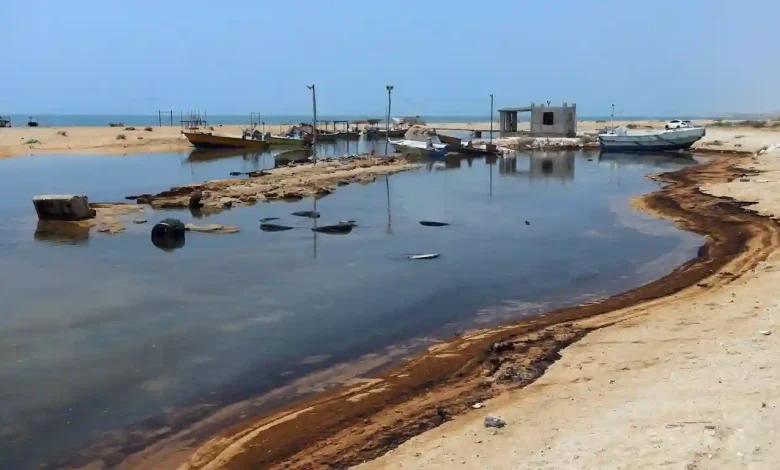
Table of Contents
Iran war repercussions have triggered a catastrophic environmental emergency in the Arabian Sea. The Oman Environment Authority announced on Monday, August 10, 2026, that it is actively working to contain a massive oil spill off its southern coast. The disaster occurred after a commercial commercial tanker ran aground in June inside a highly sensitive, protected marine area, sparking intense outrage and calls for immediate action from local and international environmentalists.
This critical environmental crisis follows an in-depth investigation by Agence France-Presse (AFP), which revealed that the vessel had been stranded for several weeks near al-Qibliyyah island. According to the investigation, the ship was crippled and left drifting after being rocked by a series of unexplained explosions in June. On Monday, Omani authorities confirmed that the ongoing oil spill has contaminated roughly 390 square kilometers of pristine ocean waters, threatening unique marine habitats and key regional fishing grounds.
Iran :The Incident and the AFP Investigation
The grounding of the tanker represents one of the most severe maritime ecological incidents in the region in recent years. For weeks, the vessel lay stranded in the shallow waters of the Khuriya Muriya archipelago, specifically near al-Qibliyyah island, before the true scale of the damage was made public. The AFP investigation utilized satellite imagery, maritime tracking data, and local eyewitness accounts to piece together the ship’s final hours before its abandonment. The findings indicated that the tanker was targeted or suffered severe internal damage from explosions while transiting the volatile shipping corridors of the Arabian Sea.
Following the explosions, the crew abandoned the vessel, leaving the heavily damaged hull vulnerable to the elements. Currents and winds pushed the uncrewed tanker into the shallow reef systems of al-Qibliyyah island. Omani authorities have since deployed specialized environmental assessment teams to monitor the spill’s trajectory. According to the Oman Environment Authority’s latest data, the oil slick has spread rapidly, creating a massive 390-square-kilometer zone of ecological concern that requires urgent containment and remediation efforts.
Iran :The Ecological Toll on al-Qibliyyah Island
Al-Qibliyyah island is part of the Khuriya Muriya group, a pristine archipelago renowned for its rich marine biodiversity and ecological significance. The island and its surrounding waters are designated as a protected marine area due to the presence of rare coral reefs, nesting grounds for endangered green and loggerhead sea turtles, and critical feeding zones for various marine mammals, including humpback whales. The introduction of hundreds of tons of heavy fuel oil into this delicate ecosystem has sparked fears of irreversible long-term damage.
Environmentalists warn that the oil spill will suffocate the coral reefs and poison the local food chain. Plankton, crabs, and small fish are highly sensitive to the toxic hydrocarbons present in crude oil. As these organisms perish, the impact will cascade upward to seabirds, marine mammals, and commercial fish species. Local conservation groups have urged the Omani government to expedite cleanup operations before the seasonal monsoon winds further disperse the oil slick along the wider southern coastline of the Sultanate.
Iran :Geopolitical Context of the Iranian Conflict
The incident cannot be separated from the broader regional escalation of maritime warfare. As the regional Strait of Hormuz crisis continues to disrupt international trade, commercial shipping has increasingly become the primary collateral damage. The tanker’s route and subsequent attack align with a broader pattern of maritime hostility linked to the ongoing proxy conflicts. Analysts suspect that the explosions that crippled the vessel were a direct result of the highly volatile security environment in the Middle East.
This incident is heavily connected to the ongoing Red Sea shipping crisis, which has forced many global shipping companies to reroute vessels or risk transit through highly contested zones. The actions of the Tehran-backed Houthi forces in Yemen, combined with retaliatory strikes by Western coalitions, have turned the southern shipping corridors of the Arabian Peninsula into a perilous warzone. This environment of heightened threat has severely hampered regular salvage operations, preventing emergency tugboats from reaching the crippled tanker in time to prevent its grounding.
Iran :Oil Market Impact and Shipping Disruption
The grounding of the tanker and the subsequent ecological disaster have sent shockwaves through the global shipping and energy sectors. Insurance premiums for vessels transiting the Arabian Sea and the Gulf of Aden have soared to unprecedented levels, forcing cargo operators to recalculate their logistics. With critical chokepoints increasingly compromised, global oil prices projected to rise further due to the risk premiums added to regional voyages.
This ecological disaster is a tangible manifestation of the broader Iran war fallout on global commerce. As shipping companies navigate these high-risk areas, the likelihood of catastrophic accidents increases, threatening not only the global supply of energy but also the fragile marine environments of neutral coastal nations like Oman. Maritime experts warn that without coordinated international protection, similar incidents could occur in other congested maritime shipping lanes.
| Incident Metric | Details and Impact Specifications |
|---|---|
| Affected Area | Approximately 390 square kilometers of marine territory |
| Vessel Location | Al-Qibliyyah Island, Khuriya Muriya Archipelago, Oman |
| Initial Incident Cause | Onboard explosions followed by crew abandonment |
| Ecological Status | Protected marine area with rare corals, turtles, and marine mammals |
| Containment Status | Active emergency response coordinated by Oman Environment Authority |
Iran :Oman’s Emergency Response and Containment Efforts
In response to the growing ecological threat, the Oman Environment Authority has mobilized specialized oil spill response teams, utilizing booms, skimmers, and chemical dispersants to contain the spread. However, the geographic isolation of al-Qibliyyah island, combined with rough sea conditions, has significantly complicated the logistics of the cleanup operation. Omani naval forces and environmental agencies are collaborating to establish a defensive perimeter around the most sensitive coral reefs and coastal nesting sites.
Furthermore, the physical security of salvage crews remains a critical concern. In a region where hostile drones and naval mines pose ongoing threats to commercial and military vessels, securing the cleanup site requires close military coordination. Omani patrol vessels have been deployed to secure the waters surrounding the grounded tanker, ensuring that civilian cleanup crews can operate without the threat of regional hostile interference.
Iran :Long-Term Environmental and Economic Consequences
The economic impact of the spill on Oman’s coastal communities is expected to be profound. Southern Oman is home to vibrant artisanal fishing communities that rely on clean waters for their livelihoods. A spill of this magnitude threatens to decimate local fish populations and render traditional fishing grounds unusable for months, if not years. The tourism industry, which highlights Oman’s pristine natural beauty and marine biodiversity, also faces severe reputational and physical damage.
This ongoing crisis highlights the extreme vulnerability of regional states to geopolitical events beyond their control. The maritime instability affecting the Bab el-Mandeb gateway has effectively pushed high-risk maritime traffic closer to Omani shores. Oman’s efforts to maintain diplomatic neutrality are being severely tested as its territorial waters and protected ecological sanctuaries bear the physical scars of the regional conflict.
Iran :The Broader Regional Maritime Security Crisis
The incident near al-Qibliyyah island serves as a stark reminder of the urgent need for a diplomatic resolution to the regional shipping crisis. The uncompromising Iranian stance on regional transit rights and the ongoing naval standoff have created a dangerous vacuum of responsibility where commercial shipping incidents can quickly escalate into major ecological catastrophes. International maritime bodies, including the International Maritime Organization, have repeatedly called for the demilitarization of commercial shipping lanes to prevent further loss of life and ecological devastation.
As Oman continues its difficult work to contain the 390-square-kilometer oil slick, the international community is being forced to confront the ecological costs of modern maritime warfare. Environmental groups are calling for stricter enforcement of international laws regarding the abandonment of damaged vessels and are demanding that shipowners and regional actors be held financially accountable for the cleanup costs. Until regional stability is restored, the unique marine ecosystems of the Arabian Sea will remain on the front lines of a devastating geopolitical conflict.