Strait of Hormuz Coalition Stalls as Allies Hesitate 2026
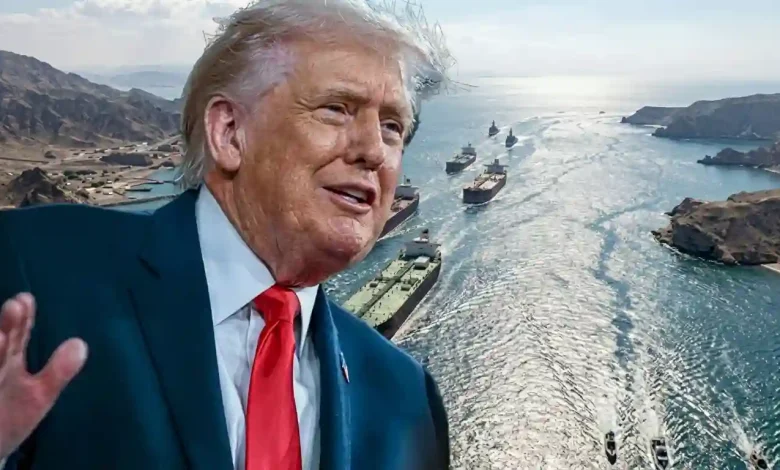
Table of Contents
Strait of Hormuz maritime security has emerged as a deep geopolitical fault line, exposing a widening chasm between the United States and its closest European allies. For months, Washington has engaged in a heavy-handed diplomatic push to assemble a broad, international naval coalition designed to escort merchant vessels through the embattled channel. However, key European partners—including the United Kingdom and France—who had previously signaled their readiness to co-lead a defensive mission once a sustainable truce was finalized, are now displaying deep reluctance. This hesitation persists despite escalating maritime disruption that is severely choking international trade routes and sending systemic economic shockwaves across the globe.
As the geopolitical deadlock drags on, the shipping industry remains caught in the crossfire. Shipping lanes that typically facilitate the transit of more than a fifth of the world’s energy supplies are left vulnerable to ad hoc operations. European capitals argue that rushing into a US-led, offensive maritime arrangement risks entangling their naval forces in a wider war with Iran. This strategic divergence underscores a fundamental disagreement over how to manage the volatile Strait of Hormuz shipping corridor, contrasting Washington’s forward-deployed deterrence model with Europe’s preferred reliance on strict defensive postures and multilateral diplomacy.
The Current Impasse in the Strait of Hormuz
The operational environment in the Persian Gulf has rapidly deteriorated, rendering previous security frameworks highly fragile. Despite diplomatic interventions and the signing of interim agreements earlier this season, the transit of commercial vessels remains exceptionally hazardous. Iran’s Revolutionary Guard Corps (IRGC) continues to exert rigorous control over the narrow waterway, using tactics ranging from regulatory harassment to the physical detention of commercial shipping vessels.
This gridlock has fundamentally challenged the traditional assumptions of international maritime law. Under the United Nations Convention on the Law of the Sea (UNCLOS), the right of transit passage through international straits is non-negotiable. However, localized enforcement of transit fees and aggressive vessel boarding by regional forces have created a de facto blockade. European states, while condemning these actions, believe that establishing a heavy-handed, offensive military presence without a formalized regional consensus will only inflame the crisis.
The United States and the Push for a Maritime Coalition
Washington’s primary response to the persistent threat has been the promotion of its newly conceived “Maritime Freedom Construct”. Designed as an expansive, integrated patrol network, the US-proposed initiative aims to bring together naval assets from diverse international partners to actively sweep for mines, share real-time threat intelligence, and provide physical armed escorts for commercial vessels traversing the strait. U.S. Defense Secretary Pete Hegseth has repeatedly implored European and Asian allies to take a proactive role, asserting that those who rely most heavily on Middle Eastern energy imports must share the logistical and military burden of safeguarding these vital arteries.
However, the Pentagon is confronting a highly complex environment. The military has struggled to maintain its high-tempo unilateral operations amid soaring financial costs associated with the prolonged deployment of carrier strike groups and specialized destroyers. In an effort to mitigate these expenses and build broader international legitimacy, US diplomats have launched exhaustive coordination campaigns. Yet, rather than consolidating western unity, the aggressive pushing of the US security blueprint has instead highlight the distinct strategic priorities of its transatlantic allies.
Strategic and Economic Implications of Key Passages
To fully appreciate why the Strait of Hormuz remains such an explosive geopolitical flashpoint, it is necessary to examine the physical constraints and staggering trade volumes of this waterway. Measuring just 21 miles wide at its narrowest point—with shipping lanes restricted to two-mile-wide inbound and outbound channels—the passage is a natural geographic choke point. Approximately 20% of the world’s petroleum liquids and roughly 25% of global liquefied natural gas (LNG) pass through this corridor annually.
The options to bypass this route are exceptionally limited. Only Saudi Arabia and the United Arab Emirates operate pipelines capable of transporting crude overland to alternative terminals, and these facilities lack the capacity to handle the sheer volume currently transit-dependent on the strait. Consequently, any prolonged closure or disruption immediately threatens the economic survival of energy-importing nations in Europe and Asia.
| Operational Aspect | US-Led Maritime Freedom Construct | Proposed UK-French Defensive Coalition |
|---|---|---|
| Primary Mission Focus | Active escort, mine-clearing, and direct military deterrence | Strictly defensive escort, monitoring, and restoring market confidence |
| Deployment Conditions | Immediate, proactive integration under US command structures | Contingent upon a sustainable, verified US-Iran truce agreement |
| Strategic Stance | Offensive readiness with potential for retaliatory strikes | Strictly defensive, avoiding participation in offensive campaigns |
| Command and Control | Centralized under US Navy Fifth Fleet and allied coordination | Independent European command, leveraging EMASoH frameworks |
European Hesitation: Why the UK and France are Holding Back
Despite co-chairing an international summit in April that convened 51 countries to discuss securing the waterway, France and the United Kingdom have notably slowed their progression toward deployment. Both countries had previously outlined a joint plan to organize an independent, strictly defensive escort mission designed to restore confidence to the global shipping and marine insurance sectors. However, this commitment was explicitly predicated on the establishment of a sustainable, diplomatic ceasefire.
Because the regional environment has remained highly unstable, European defense officials are unwilling to proceed with a military footprint that could be easily misconstrued. Leaders in London and Paris are deeply concerned that deploying warships without an active, durable peace accord would make them party to an unresolved and highly volatile confrontation. This reluctance has left the proposed European initiative stalled, even as ongoing diplomatic negotiations on the waterway fail to yield stable, long-term guarantees of safe passage.

Fears of Broader Military Escalation and Geopolitical Friction
The primary concern animating European policymaking is the fear of unintended escalation. Deploying advanced naval assets into close proximity with Iranian forces carries an inherent risk of miscalculation. European intelligence agencies assess that any incident involving a French or British vessel could quickly spiral into a full-scale regional conflict.
These anxieties have been further compounded by direct threats originating from Tehran. The highly publicized IRGC warnings issued to London have highlighted how quickly European states could find their domestic and foreign interests targeted if they are perceived as acting as proxies for Washington’s aggressive regional agenda. Consequently, both Paris and London believe that an independent, de-escalatory diplomatic track is far safer than joining a highly militarized US-centric patrol mission.
Disagreements Over Offensive Operations and Prior Unilateral Actions
A significant source of friction within the transatlantic alliance is the stark difference in military mandates. British Defense Secretary John Healey has explicitly stated that while London supports the principle of freedom of navigation, the United Kingdom will not participate in offensive operations against Iranian territory or maritime assets. French officials have echoed this sentiment, emphasizing that any European mission must remain strictly defensive and disconnected from the US military’s offensive command structures.
This policy of cautious detachment is rooted in recent history. European capitals were highly critical of the unilateral US and Israeli airstrikes launched against Iranian targets earlier this year. The fact that Washington did not consult or inform its European allies prior to executing these high-risk strikes deeply damaged strategic trust. European governments are highly reluctant to integrate their forces into a coalition where they could be blindsided by further unilateral actions, potentially triggering a massive escalation of the wider conflict.
Impact on the Global Economy and Maritime Security
As governments debate naval mandates, the global economy is paying a heavy price. The persistent insecurity in the Persian Gulf has driven commercial maritime insurance premiums to astronomical levels. Many major shipowners have concluded that transiting the strait is simply too risky, opting instead to reroute their massive fleets around the Cape of Good Hope, a detour that adds weeks to transit times and dramatically increases freight costs.
These shipping delays and skyrocketing transportation costs have directly triggered global oil market shockwaves, sending crude oil prices surging and feeding persistent inflationary pressures worldwide. Industry watchdogs, including the International Maritime Organization (IMO), have issued urgent warnings regarding the safety of merchant mariners, who face constant threats of drone attacks, sea mines, and armed piracy.
The severity of the maritime crisis is further amplified by coordinated hostile actions across the broader Middle East. The ongoing regional shipping blockade led by regional militia groups has effectively closed off critical secondary routes. With both the Red Sea and the Strait of Hormuz simultaneously compromised, the modern global supply chain faces one of its most severe systemic disruptions in decades, complicating efforts to stabilize international energy markets.
The Role of Regional Actors and Future Diplomatic Outlets
The diplomatic math is further complicated by the positions of the Gulf Arab states. Nations such as Kuwait, Saudi Arabia, the United Arab Emirates, and Oman are walking an exceptionally delicate tightrope. While their economies are entirely dependent on keeping the strait open, they are highly wary of hosting or endorsing Western naval coalitions that Iran might perceive as hostile. Without explicit, vocal support from regional powers, European states are even more hesitant to project their military power into the Gulf.
Furthermore, regional governments view Washington’s relentless diplomatic pressure campaigns as counterproductive. They argue that lasting stability in the waterway cannot be achieved through raw military coercion alone. Instead, Gulf diplomats are urging both the United States and European powers to focus their energies on establishing a comprehensive regional security framework that includes direct, institutionalized channels of communication with Tehran, thereby addressing the underlying political grievances driving the maritime crisis.
The Way Forward: Balancing Security and De-escalation
Resolving the maritime security crisis in the Strait of Hormuz requires a major shift in strategic thinking. While the United States remains focused on a policy of robust military deterrence, the reluctance of its European allies demonstrates that a purely military solution is unfeasible. For any international coalition to succeed, it must balance defensive naval readiness with active, transparent diplomacy.
Ultimately, a sustainable solution will likely depend on the negotiation of a verified, internationally monitored maritime truce. Until a stable diplomatic framework is established, European capitals will continue to keep their warships at a safe distance, leaving the global economy to grapple with the ongoing fallout of a vulnerable and heavily contested Strait of Hormuz.