Pentagon Probe: Baldwin Demands Release of Fatal Kuwait Strike Report 2026
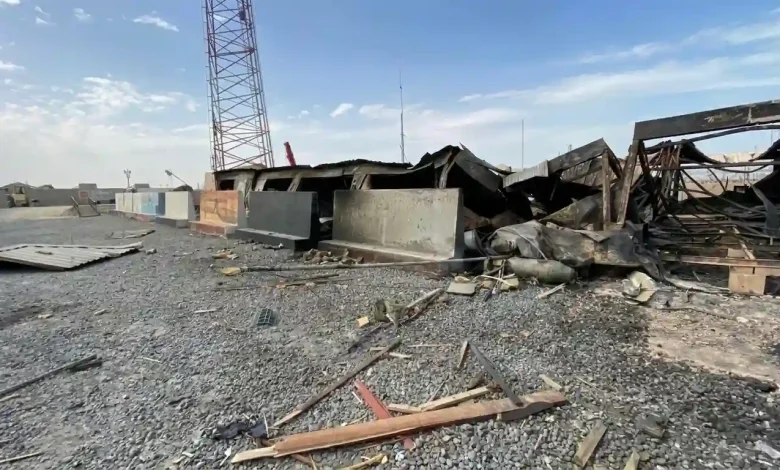
Table of Contents
Pentagon leaders are facing escalating pressure to pull back the curtain on a classified military probe following a formal demand by Senator Tammy Baldwin (D-WI). The Wisconsin senator is urging the immediate public release of a highly sensitive, 350-page Army investigation detailing the deadliest single attack against U.S. troops during the current conflict. The strike on March 1, 2026, targeting a U.S. command post at Port Shuaiba in Kuwait, resulted in the tragic deaths of six American service members and left dozens more injured. Despite the gravity of the incident, military authorities have shielded the full findings of the investigation from public view, sparking accusations of a lack of accountability and operational cover-ups.
In a strongly worded letter addressed to General Brad Cooper, commander of U.S. Central Command (CENTCOM), Senator Baldwin insisted that Congress and the American public have an absolute right to understand the failures that occurred. The request comes on the heels of mounting scrutiny over the Trump administration’s preparation strategies and the readiness of military defense systems deployed in the region. Baldwin emphasized that hiding the details of the military’s internal assessment only deepens the trauma of the affected families and prevents essential lessons from being learned during this period of high geopolitical tension.
Demands for Transparency and Accountability
The push for transparency represents a major congressional intervention into the Pentagon’s handling of the conflict. In her letter to CENTCOM leadership, Senator Baldwin requested the immediate release of the full 350-page investigation report, along with all underlying documentation and any associated classified reviews. This move follows a July briefing in which Army leaders presented initial findings privately to the families of the fallen soldiers. However, sources familiar with those private sessions indicated that the briefing carefully avoided assigning blame or highlighting specific errors in command decision-making.
For weeks, lawmakers have argued that a sanitized, private briefing is insufficient. The American public deserves a clear, unvarnished accounting of what transpired, especially given the growing threat of a wider conflict with Iran. By withholding the full scope of the investigation, the military risks fostering a culture of non-accountability. Baldwin’s letter represents an aggressive effort to force the Department of Defense to acknowledge potential systemic vulnerabilities, ensuring that future deployments do not suffer from the same operational lapses.
The Anatomy of the Port Shuaiba Strike
The devastating strike occurred on March 1, 2026, at Port Shuaiba, Kuwait, which serves as a major logistical hub for coalition forces in the Persian Gulf. During a period of intense hostilities, an enemy drone bypassed local air defenses and slammed directly into a tactical operations center. The building, which housed dozens of personnel, was a triple-wide trailer modified into an office space. It lacked the heavy reinforcement typically required for high-threat environments, leaving the personnel inside highly vulnerable to aerial bombardment.
The physical defenses at the site were minimal, consisting primarily of 12-foot-tall concrete T-walls. While T-walls provide some protection against ground-level blasts and shrapnel, they offer virtually no defense against overhead drone strikes or precision-guided missiles. The tragic loss of American personnel was exacerbated by the fact that the tactical operations center concentrated a large number of troops in a single unfortified structure, creating a highly lucrative target for enemy planners. Survivors noted that warning sirens did not sound prior to the impact, suggesting a total failure of the base’s counter-battery and early-warning detection systems.
Command Decisions Under Severe Scrutiny
In the aftermath of the strike, survivors and military analysts have focused their attention on the decisions made by high-ranking commanders. Specifically, several soldiers have called for a rigorous performance review of the leadership of the Iowa-based 103rd Sustainment Command. These commanders were responsible for ordering the troops to deploy to the Port Shuaiba position in February 2026, just weeks before the conflict erupted into full-scale hostilities.
Soldiers on the ground had repeatedly raised concerns about the safety and viability of the location. The decision to place a command center at an active port without robust, layered defense systems is now being viewed as a critical strategic error. While the military’s official position has often focused on the sophisticated nature of the enemy’s weaponry, families and survivors argue that the leadership’s failure to fortify the base or delay the deployment in the face of obvious threat indicators was the primary driver of the high casualty count.
Did Commanders Ignore Vital Intelligence Warnings?
A central question driving Senator Baldwin’s inquiry is whether commanders ignored specific, actionable intelligence prior to the attack. Investigative reports suggest that intelligence briefings in the weeks leading up to the strike highlighted a high probability of drone and missile attacks targeting logistical hubs in Kuwait. Despite these warnings, requests from the unit for additional medical assets, anti-drone jamming systems, and patriot missile defense coverage were reportedly denied by higher command echelons.
This apparent disregard for intelligence warnings points to a systemic complacency within the chain of command. With the mounting costs of the military engagement drawing intense scrutiny in Washington, the failure to allocate critical defensive systems to high-risk logistics bases is a major point of contention. Lawmakers want to know why resources were withheld and whether bureaucratic hurdles or misjudgments by senior leaders directly contributed to the disaster.
Medical Treatment Failures and Delays for Injured Troops
The tragedy did not end with the physical blast; survivors have also detailed a shocking breakdown in the post-attack medical response. In the hours and days following the strike, injured service members faced extreme delays in receiving necessary medical screenings and emergency care. Dozens of soldiers suffered from severe concussions and traumatic brain injuries (TBIs), yet many did not receive proper diagnostic evaluations for weeks.

According to congressional investigations, several wounded soldiers were evacuated to military medical facilities in Germany, only to be placed in barracks because the hospital was allegedly unable to admit them for comprehensive treatment. Upon returning to the United States, particularly to bases like Fort Hood, some soldiers waited nearly a month for specialized TBI screenings. Senator Baldwin, representing several affected Wisconsinites, has slammed the Department of Defense for failing to prepare for the inevitable medical requirements of a high-casualty environment, leaving veterans to battle both physical injuries and bureaucratic neglect.
Defense Secretary Hegseth and Central Command Response
The official response from the Department of Defense has done little to satisfy critics. Defense Secretary Pete Hegseth initially characterized the lethal weapon as a highly sophisticated drone that managed to slip past both air defenses and structural fortifications. However, this explanation has been heavily disputed by survivors who point out that the base lacked any functional air defenses to begin with, making it easy for even low-tech munitions to hit their target.
During a Senate Appropriations Committee hearing on July 21, 2026, Senator Baldwin directly confronted Hegseth on these defensive shortages and the delay in releasing the investigation. While Hegseth promised to coordinate with CENTCOM to provide information to Congress, the Pentagon has yet to commit to a public release date. This foot-dragging has fueled suspicions that the military is attempting to protect high-ranking officials from accountability, particularly as the economic fallout of the ongoing hostilities continues to burden the nation.
Strategic and Economic Impact of the Ongoing Conflict
The controversy surrounding the Port Shuaiba investigation occurs within the context of a wider regional conflict that has strained both U.S. military resources and the global economy. As the escalating conflict in the Middle East demands more troops and hardware, domestic critics are questioning the long-term strategic objectives of the administration. The vulnerability of logistical ports in Kuwait highlights how easily critical supply lines can be disrupted by adversarial forces utilizing relatively inexpensive drone technology.
Furthermore, the financial toll of maintaining a large-scale military presence under constant threat is staggering. With retaliatory military operations continuing to expand, the risk of a protracted war of attrition looms large. The instability has also disrupted energy markets and shipping routes, adding pressure to an already fragile global supply chain. For policymakers, the Port Shuaiba disaster is a stark reminder that the human and financial costs of the conflict are far higher than initially projected, requiring a fundamental reassessment of current deployment strategies.
Comparing Port Shuaiba to Standard Military Defense Capabilities
To understand the depth of the failures at Port Shuaiba, it is helpful to compare the defensive posture of the base with standard operating procedures typically deployed at high-risk U.S. installations. The lack of standard protective equipment at the port represents a massive deviation from established military guidelines.
| Defensive Parameter | Standard High-Risk Base SOP | Port Shuaiba Posture (March 1, 2026) | Identified Vulnerability / Failure |
|---|---|---|---|
| Air Defense Systems | Layered C-RAM, Patriot, and Jamming systems | None active at the time of the strike | Total vulnerability to low-altitude drone attacks |
| Command Fortification | Reinforced bunkers or subterranean command centers | Triple-wide trailer with minimal overhead cover | Inability to withstand direct vertical impacts |
| Early Warning Systems | Sirens integrated with radar-tracking systems | Sirens failed to sound before impact | No opportunity for personnel to take cover |
| Medical Readiness | Immediate on-site triaging and rapid TBI screening | Delayed assessments, barracks-based holding in Germany | Exacerbation of long-term neurological trauma |
As illustrated by the data, the defense measures at Port Shuaiba were severely deficient in every major category. This comparative analysis supports the assertions made by survivors and Senator Baldwin that the tragedy was not merely the result of a highly advanced enemy weapon, but rather the consequence of catastrophic preparation failures and an unmitigated lack of force protection during the ongoing war in the region.
The Future of Congressional Oversight on Military Operations
The confrontation between Senator Baldwin and the Pentagon reflects a broader struggle over congressional oversight during active conflicts. When the executive branch and military leadership shield investigations from public and congressional view, they undermine the constitutional checks and balances that govern the use of military force. Without access to the raw data, Congress cannot make informed decisions regarding appropriations, force protection funding, or strategic authorizations.
If the Pentagon continues to block the release of the 350-page report, Senator Baldwin and other members of the Senate Appropriations Committee are likely to utilize legislative levers, such as withholding funding or issuing formal subpoenas, to compel transparency. The families of the six fallen service members, alongside the dozens who continue to suffer from the invisible wounds of traumatic brain injuries, deserve nothing less than a full, public reckoning. Only through complete transparency can the military hope to rebuild trust and ensure that such devastating, preventable failures are never repeated.