U.S. airstrikes Escalate Middle East Infrastructure Crisis 2026

Table of Contents
U.S. airstrikes have entered a highly destructive phase as military forces expand their operations across Iran and the Middle East, targeting vital transport routes, electrical grids, and coastal facilities. This intense aerial campaign follows the breakdown of the highly anticipated ceasefire, thrusting the region into some of the most widespread battles witnessed since the war officially erupted in late February 2026. What began as targeted skirmishes has evolved into a full-scale assault on dual-use infrastructure—facilities that serve both national defense networks and civilian populations.
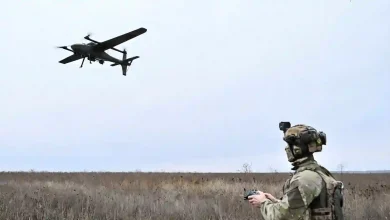
The conflict centers around the critical geopolitical corridor of the Strait of Hormuz, through which a major share of the world’s seaborne oil passes. Since President Donald Trump declared the temporary truce dead, the United States has accelerated its campaign to forcefully reopen the channel. In response, Iran has deployed anti-ship systems, maritime mines, and drone swarms to project power throughout the Persian Gulf. As both sides harden their military stances, civilian infrastructure has become the primary battleground of this high-stakes standoff.
The Rapid Escalation of the Strait of Hormuz Crisis
The geopolitical significance of the Strait of Hormuz cannot be overstated, acting as the ultimate choke point for international energy markets. Since hostilities commenced on February 28, 2026, the Islamic Revolutionary Guard Corps (IRGC) has aggressively contested maritime traffic, boarding cargo ships, laying deep-water sea mines, and effectively halting commercial transit. These maneuvers triggered immediate naval blockades from Western coalition forces, culminating in an expansive aerial intervention designed to degrade Iran’s coastal defense grids.
As the stalemate dragged into mid-July, the initial hopes for a negotiated diplomatic settlement vaporized. The United States and its regional partners launched a sustained aerial campaign to systematically eliminate the IRGC’s blockading infrastructure. In doing so, the tactical parameters of the conflict shifted from purely military outposts to strategic logistics networks, ensuring that bridges, access roads, and municipal utility installations were directly pulled into the line of fire.
Critical Infrastructure and Dual-Use Targets Hit
The tactical shift toward targeting dual-use civilian infrastructure represents a dramatic escalation in the coalition’s campaign. U.S. bombers and long-range precision missiles have targeted critical rail links and transit bridges in Iran’s southern Hormozgan Province. These structures form the primary land corridors connecting the interior of the country to major maritime export hubs like Bandar Abbas. Disabling these networks directly impedes the IRGC’s ability to transport ballistic missiles and coastal defense munitions to their launching pads along the Gulf.
However, these exact same transport lines are the lifeblood of regional trade and civilian food distribution networks. The destruction of southern transit routes mirrors the devastation recorded during the sixth night of U.S. strikes, which had already severely crippled local supply lines. While coalition spokespersons assert that all targets are chosen based on their immediate military utility, the resulting economic paralysis is hitting the civilian population with unprecedented severity.
Regional Blowback: Iranian Strikes Target Kuwait and Bahrain
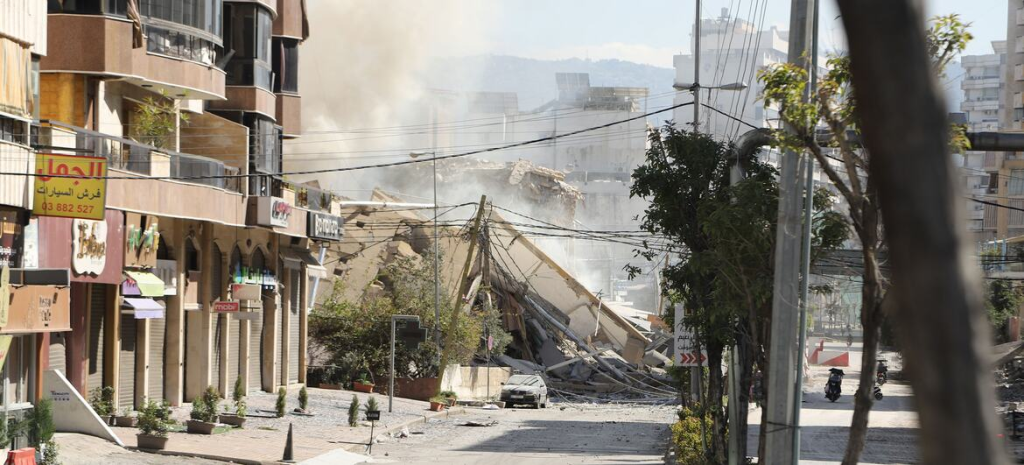
The kinetic campaign has not been confined to Iranian territory. Iran has responded to the coalition’s offensive by launching retaliatory missile and suicide drone salvos against U.S.-allied Gulf states. In particular, Kuwait and Bahrain have faced heavy bombardment targeting their municipal utility services. Kuwaiti authorities recently confirmed that multiple Iranian strikes had successfully hit major power generation and water desalination stations along the coast, resulting in widespread blackouts and severe water shortages.
This expansion of the conflict zone has caused mounting human and material costs throughout the Gulf. The Kuwaiti army reported that several personnel were severely wounded during these drone operations, sparking fears that the regional war could pull neighboring Arab nations deeper into the direct combat theater. The human cost inside Iran is also climbing, with official accounts showing multiple deaths in six nights of relentless operations, leading to growing domestic pressure on both sides of the Persian Gulf.
Seven Days of Intense Bombardment
U.S. Central Command confirmed that Friday’s airstrikes marked the seventh consecutive day of high-tempo operations. Utilizing a combination of carrier-based strike fighters, strategic bombers, and Tomahawk land-attack missiles launched from destroyers in the Arabian Sea, the coalition has maintained a non-stop bombardment. The primary stated objective remains the progressive degradation of Iranian military capabilities, specifically their anti-access/area-denial (A2/AD) installations.
Yet, as the fighting intensifies, the line between military assets and public infrastructure continues to blur. As U.S. strikes target key ports, the tactical calculus has shifted toward creating a total systemic bottleneck. By hitting the logistical support networks surrounding military-controlled harbors, the coalition aims to isolate IRGC naval units. However, this strategy simultaneously chokes the municipal economies of port cities like Bandar Abbas and Chabahar.
Civilian Fallout and the Destruction of Ports
The human toll of the infrastructure campaign is becoming increasingly visible in the targeted coastal provinces. In Hormozgan Province, state media confirmed the collapse of several major transit bridges, which has completely isolated several coastal communities from medical facilities and emergency food distribution networks. Additionally, a coalition strike brought down a prominent maritime control tower at Chabahar Port, which the U.S. military claimed was being utilized as an active IRGC electronic surveillance post.
These strikes are occurring at a time of severe strain on military budgets and logistics, while the Pentagon faces severe logistical bottlenecks with reports of the Defense Department running out of cash during this prolonged operational deployment. To manage the domestic political fallout, Iran’s Supreme National Security Council has issued strict media gag orders, instructing local publishers to suppress reporting on the actual scale of infrastructure destruction to prevent widespread panic and deny the coalition useful battle-damage assessments.
Energy Markets and Global Supply Chain Disruption
The ongoing blockage of the Strait of Hormuz has sent shockwaves through the global economy. Before the outbreak of hostilities, approximately 25% of the world’s seaborne petroleum and 20% of its liquefied natural gas (LNG) passed through this narrow waterway. With shipping traffic dropping to nearly zero, global oil prices have spiked to historic highs, triggering severe inflationary pressures across major Western economies.
The economic disruption of this conflict has emerged alongside severe environmental and seasonal pressures, reminiscent of the strain felt globally during the record-breaking heatwaves affecting both regions simultaneously. The combined strain of energy shortages and extreme climate events has pushed international grids to their absolute limits. The current crisis represents a critical failure of global deterrence, despite the fact that Washington had previously warned Tehran of imminent consequences if maritime trade routes were compromised.
Diplomatic Stalemate: How the Cease-fire Collapsed
The diplomatic architecture designed to prevent an all-out regional war has completely fractured. Qatari and international negotiators had previously managed to secure a brief pause in hostilities, but President Trump’s declaration that the cease-fire agreement was officially over marked a return to high-intensity warfare. Both Washington and Tehran have adopted maximalist positions, with the U.S. demanding an unconditional, publicly declared reopening of the Strait, and Iran demanding a total lifting of the naval blockades and economic sanctions.
This prolonged diplomatic gridlock has drawn sharp criticism from international law scholars, who argue that targeting municipal utilities and transport networks may violate international humanitarian law. While some international law experts, comparing this to domestic emergency responses supervised by legal authorities like Phil Weiser, argue that nations have a right to apply maximum economic pressure to resolve maritime blockades, others warn of the devastating long-term humanitarian legacy. Furthermore, the massive financial reallocation required to sustain this intense conflict is diverting resources from civilian space programs, such as long-term NASA lunar projects, demonstrating how deeply the current Middle East crisis is reshaping global priorities.
Strategic Mapping of Struck Targets
The following table outlines the key infrastructure assets targeted during the latest waves of airstrikes, their primary peacetime functions, and the tactical impact of their disruption:
| Target / Region | Primary Civilian Function | Struck Asset Type | Tactical Impact / Status |
|---|---|---|---|
| Hormozgan Province, Iran | Regional travel and commercial cargo transit | Southern transit bridges | Structural collapse; ground transit to port cities severed |
| Chabahar Port, Gulf of Oman | Commercial shipping and maritime logistics | Maritime control and surveillance tower | Destroyed; interrupted IRGC intelligence gathering |
| Kuwait (Coastal Installations) | Municipal power supply and drinking water | Electricity and water desalination facilities | Severe damage; municipal utility blackouts across regions |
| Iranshahr, Southern Iran | Civilian aviation and local transport | Airport runways and local electrical grids | Operational blackout; runway systems heavily damaged |
| Bandar Abbas, Iran | Major regional shipping hub | Port access roads and utility lines | Logistical transport choked; commercial shipping halted |
As the conflict enters its second week of consecutive daily bombardments, the global community remains deadlocked on a resolution. With key physical infrastructure ruined on both sides of the Gulf, the economic and human costs of the 2026 Strait of Hormuz crisis will continue to accumulate long after the last missiles are fired.