Anti-Muslim Hate Crime 2026: Utah Mall Stabbing Suspect Arrested
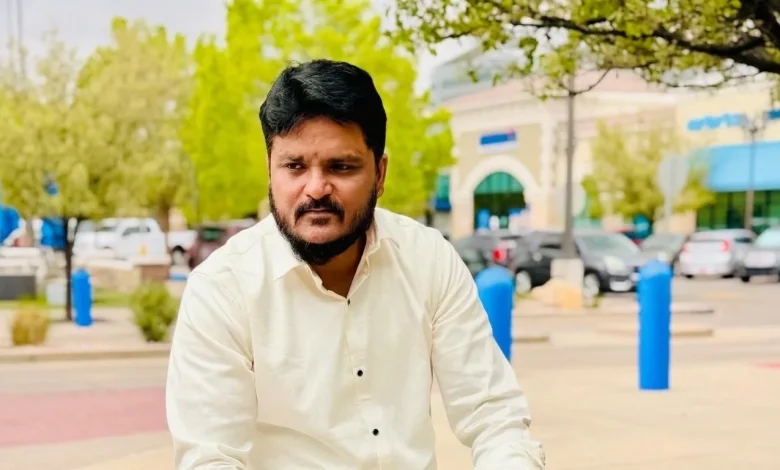
Table of Contents
Introduction: A Shocking Hate Crime in Utah
Anti-Muslim extremism manifested in a horrific act of violence inside West Valley City’s Valley Fair Mall on Monday, July 13, 2026, leading to the hospitalization of a kiosk worker and the arrest of a suspect who openly admitted his intent to execute mass casualty events targeting the Muslim community. The suspect, identified by law enforcement as 48-year-old Peter Michael Larsen, allegedly approached a mall worker and carried out a targeted stabbing that police have classified as a religiously motivated hate crime. As the victim, identified by close friends and community leaders as Syed Sohail Uddin, fought for his life after suffering over fifteen stab wounds, the incident sent shockwaves throughout Utah and the broader nation, highlighting the escalating dangers of radicalization and targeted religious violence.
According to court affidavits filed in Salt Lake County, Larsen did not merely attack Uddin on impulse; rather, he had pre-planned the assault as part of a broader, more violent agenda. Investigators revealed that the suspect explicitly stated he “intends to kill Muslims” and was determined to carry out a larger campaign of terror. The rapid intervention of courageous bystanders ultimately prevented a much larger tragedy. However, the severity of the attack has once again forced a critical conversation regarding the physical security of commercial employees, the rise of Islamophobic hate groups, and the immediate need for comprehensive public safety reforms.
Chronology of the Attack at Valley Fair Mall
The horrifying events unfolded on the afternoon of Monday, July 13, 2026, within the bustling corridors of the Valley Fair Mall in West Valley City, Utah. Syed Sohail Uddin, known affectionately to his coworkers and friends as “Sohail,” was working diligently at his retail kiosk inside the mall. According to police records and eyewitness testimonies, Larsen approached Uddin under the guise of an ordinary customer. Larsen engaged the kiosk worker in a brief, seemingly innocuous conversation, during which he specifically asked for the worker’s name and probed into his religious beliefs, confirming that Uddin was Muslim.
Larsen then requested a bottle of water, a calculated move to exploit the victim’s hospitality and force him to turn his back. As Uddin turned around to retrieve the water, Larsen pulled out a dangerous, prohibited weapon and launched a vicious, unprovoked assault. The suspect stabbed Uddin repeatedly, targeting his hands, chest, and torso. The victim suffered at least fifteen stab wounds, leaving him bleeding profusely on the mall floor as onlookers reacted in terror. The suddenness and extreme brutality of the attack left Uddin completely defenseless, turning a routine afternoon at a local shopping center into a horrific crime scene.
Bystander Intervention: Preventing a Mass Casualty Event
Amidst the chaos and terror of the assault, the bravery of ordinary citizens proved to be the decisive factor that prevented Larsen from claiming Uddin’s life or expanding his attack. Several bystanders, witnessing the horrific violence, refused to stand by. Risking their own safety, a group of shoppers and neighboring retail workers rushed toward the armed assailant. They tackled Larsen to the ground, disarmed him of the knife, and pinned him down, subduing him until the West Valley City Police Department officers arrived at the scene.
During the struggle to neutralize the threat, the suspect was punched and physically restrained by the citizens, resulting in minor injuries that required him to be hospitalized before being booked into jail. Public safety experts have praised these actions as incredibly heroic. In an era where violent incidents in commercial shopping centers frequently result in mass casualties, the rapid, decisive response of these bystanders undoubtedly saved lives. Without their swift intervention, Larsen might have executed the larger, pre-planned mass casualty events he later confessed to planning, which could have devastated dozens of families inside the crowded mall.
The Suspect: Peter Michael Larsen and Extremist Ideology
Following his arrest, Peter Michael Larsen was booked into the Salt Lake County Jail, where he is being held without bail on suspicion of attempted murder and possession of a prohibited dangerous weapon. The details that emerged from Larsen’s post-arrest interrogation are chilling. In a booking affidavit, investigators noted that Larsen showed no remorse, stating explicitly that he targeted Uddin because of his Islamic faith and that he harbored a deep-seated hatred for all Muslims. He openly admitted that his ultimate goal was to kill Muslims, showcasing a highly radicalized mindset.
The police wrote that the suspect constitutes “a substantial danger to the public if released based on his violent actions, ideologies, and pre-planned mass casualty events.” This case underscores the catastrophic impact of extremist radicalization, drawing parallels to other racially motivated hate crimes targeting minority groups across the country. Larsen’s ideological motivations reflect a growing concern among national security agencies regarding self-radicalized individuals who use online echo chambers to reinforce their biases before translating their hatred into physical, deadly actions in local communities.
The Victim: Syed Sohail Uddin and Community Support
Syed Sohail Uddin, a dedicated husband and father of two young children, remains in critical condition at a local hospital. As the sole provider for his household, his sudden and violent incapacitation has left his family in an incredibly vulnerable financial and emotional state. Friends and coworkers from nearby mall businesses, including Luna Nunez, who works at a jewelry store near the kiosk, have mobilized to support the family. Uddin, who does not possess health insurance, has already undergone multiple emergency surgeries to repair damage to his heart, lungs, and hands.
A GoFundMe campaign was immediately established to help alleviate the crushing medical expenses and support his family during his long, uncertain road to recovery. The local Muslim community, represented by Imam Shuaib Din of the Utah Islamic Center in West Jordan, has rallied around Uddin’s family. Imam Din has remained in constant communication with the family, offering spiritual guidance and coordinating community-led relief efforts. The outpouring of solidarity from Utah residents of all faiths has provided a glimmer of hope in the wake of an otherwise devastating tragedy.
Legal Charges and Public Safety Threat Assessment
The legal fallout for Peter Michael Larsen is expected to be severe, with prosecutors weighing both state and federal charges. Currently, Larsen faces state-level charges of attempted murder and weapon violations, but legal experts believe that hate crime enhancements are highly likely given his explicit admissions. The West Valley City Police Department is actively collaborating with federal authorities, including the Federal Bureau of Investigation (FBI), to determine whether federal hate crime charges are warranted under the Matthew Shepard and James Byrd Jr. Hate Crimes Prevention Act.
The investigation is also focused on uncovering the extent of Larsen’s pre-planned mass casualty events. Investigators are examining his electronic devices, internet search history, and personal communications to determine if he was working with any external extremist groups or if he acted entirely alone. How local authorities handle this case will be heavily monitored, especially at a time when law enforcement agency procedures under scrutiny are being closely watched by civil rights advocates nationwide to ensure justice is served equally and transparently.
National Context: Rising Islamophobia and Hate Crimes
The brutal stabbing of Syed Sohail Uddin occurs against a backdrop of rising Islamophobia and xenophobia across the United States. Advocacy groups, including the Council on American-Islamic Relations (CAIR), have documented an alarming surge in anti-Muslim bias incidents over the past several years. Nihad Awad, the National Executive Director of CAIR, issued a strong statement condemning the attack, noting that hostile political rhetoric and demonizing narratives have direct, real-world consequences, transforming toxic words into physical weapons.
This rise in bigotry is often exacerbated by broader cultural polarization. In recent years, we have seen intense societal friction surrounding various public policies, ranging from local school curricula to debates surrounding religious instruction in public spaces, which have sometimes polarized communities and fueled intolerance. Additionally, the digital landscape has become an increasingly hostile environment, where extremist ideologies spread rapidly, often manifesting as online harassment or malicious attacks targeting public figures and everyday citizens alike, creating an atmosphere where vulnerable populations are routinely dehumanized.
Security in Public Spaces: Addressing Vulnerabilities
The Valley Fair Mall stabbing raises urgent questions about the physical security of workers in public commercial spaces, particularly those operating open-air kiosks. Unlike traditional inline retail stores that can lock their doors or restrict access, kiosk workers are completely exposed to the public from all sides, making them highly vulnerable targets for opportunistic violence. Security analysts suggest that shopping malls must re-evaluate their security protocols, increase the presence of visible patrols, and train staff on how to handle active threat situations.
Furthermore, these incidents carry significant legal and financial implications for property management companies. When a public facility fails to provide adequate security despite known risks, it can lead to massive liability. This issue is reminiscent of other complex premises liability cases, such as the high-profile civil lawsuits addressing corporate negligence in public facilities, which emphasize that commercial property owners have a strict duty of care to protect visitors and tenants from foreseeable harm. As hate crimes pose increasingly unpredictable risks, commercial spaces must treat security not as an afterthought, but as a critical pillar of their operations.
Summary of the Valley Fair Mall Hate Crime
| Aspect | Details of the Incident |
|---|---|
| Date of Incident | Monday, July 13, 2026 |
| Location | Valley Fair Mall, West Valley City, Utah |
| Suspect | Peter Michael Larsen, 48 |
| Victim | Syed Sohail Uddin (Sohail), Kiosk Worker |
| Motivations | Anti-Muslim extremism, admitted intent to kill Muslims |
| Current Charges | Attempted murder, prohibited dangerous weapon possession |
| Bystander Action | Tackled, disarmed, and pinned the suspect until police arrival |
The broader implications of this case extend to public safety as a whole. While some view such events as isolated criminal acts, federal agencies often classify them as nationwide emergencies and public safety threats that require proactive, systemic intervention rather than reactive policing. Combating this level of threat requires a comprehensive approach that includes public education, community-based deradicalization initiatives, robust mental health support, and strict enforcement of hate crime statutes to deter future offenders.
Conclusion: A Call for Unity and Vigilance
Ultimately, the horrifying stabbing at Valley Fair Mall serves as a somber reminder of the destructive power of unchecked hatred. While the brutal actions of Peter Michael Larsen represent the darkest aspects of human nature, the selfless and heroic intervention of the bystanders represents the very best. These individuals did not stop to consider the danger to themselves; instead, they acted decisively to protect a fellow human being and prevent a potential mass casualty event, demonstrating that unity and compassion can triumph over bigotry.
As Syed Sohail Uddin continues his difficult fight for recovery in a Utah hospital, the community must stand firm against all forms of religious and racial animosity. Building a society free from fear requires a collective commitment to rejecting divisive rhetoric, supporting vulnerable neighbors, and ensuring that public spaces remain safe for everyone, regardless of their faith or background. Only through persistent vigilance, empathy, and rigorous systemic accountability can we hope to dismantle the ideologies of hate and prevent such senseless tragedies from ever happening again.