Jay Clayton Faces Senate Intelligence Committee for DNI Confirmation 2026
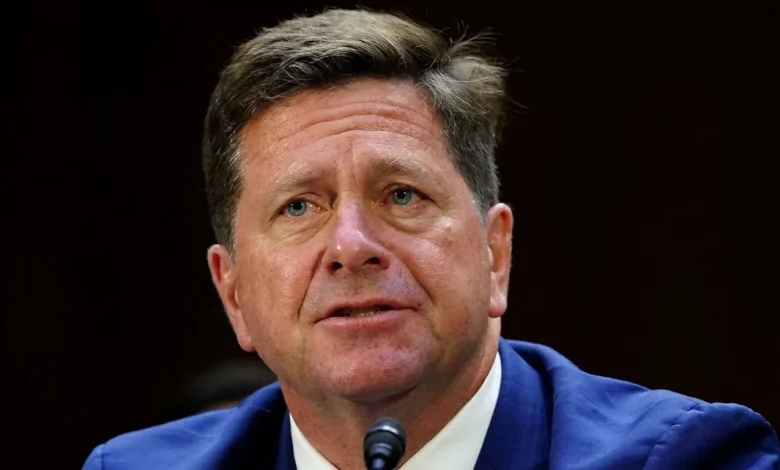
Table of Contents
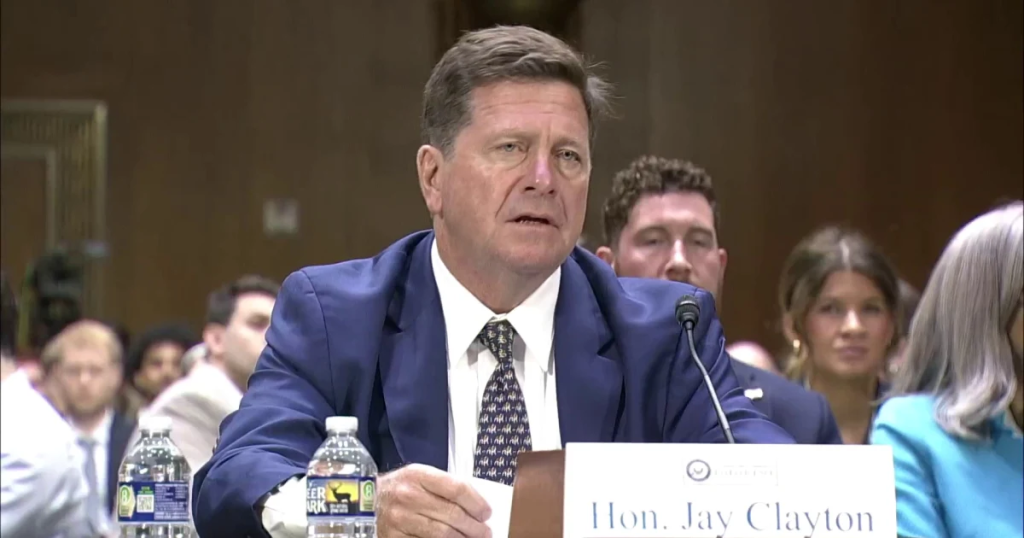
Jay Clayton, the United States Attorney for the Southern District of New York and former Securities and Exchange Commission chairman, is scheduled to appear today before the Senate Select Committee on Intelligence for his highly anticipated confirmation hearing to become the permanent Director of National Intelligence (DNI). Lawmakers from both political parties have expressed an overwhelming eagerness to progress with Clayton’s nomination as they seek a stabilizing force to lead the nation’s 18 intelligence agencies. The drive to confirm Clayton stems from growing apprehension on Capitol Hill regarding the temporary stewardship of the current acting intelligence chief, Bill Pulte, whose appointment ignited intense partisan friction and threatened critical legislative tools.
As the primary interface between the executive branch and the expansive U.S. intelligence apparatus, the Director of National Intelligence must command deep institutional respect and maintain a non-partisan posture. Over the past several weeks, congressional dynamics have been strained by leadership instability, causing concern among intelligence professionals and international allies alike. Today’s hearing before the Senate Intelligence Committee represents a crucial turning point, offering lawmakers an opportunity to interrogate Clayton on his vision for the Office of the Director of National Intelligence (ODNI) and his commitment to preserving the independence of intelligence assessments from executive pressure.
The High-Stakes Shift to a “Safe Pair of Hands”
The push to confirm Clayton is largely fueled by a shared desire among Democrats and Republicans to replace acting DNI Bill Pulte. Clayton is widely viewed by lawmakers on both sides of the aisle as a conventional, reliable professional who understands the boundaries of federal law and institutional oversight. In contrast to many recent recess appointments and acting agency heads, Clayton’s long legal career and prior experience managing a major regulatory agency—the Securities and Exchange Commission (SEC)—give him a reputation as a “safe pair of hands” capable of restoring executive order to the intelligence community.
Congressional leadership has signaled that they expect Clayton’s confirmation process to move swiftly, notwithstanding the challenging political climate in Washington. This dramatic path to confirmation was temporarily disrupted when the administration’s tactical decision to keep Pulte in office longer led to a scenario where the trump halts clayton dni hearing procedures, sparking massive Senate pushback. With that political standoff resolved, the Senate Select Committee on Intelligence is determined to conduct a thorough but expedited vetting process to ensure the DNI role is filled by a confirmed official before the legislative schedule tightens further.
The Contrast with Acting DNI Bill Pulte
Bill Pulte’s brief tenure as acting DNI has been a source of profound concern for veteran intelligence officers and members of Congress. A 38-year-old political ally of President Trump and former director of the Federal Housing Finance Agency, Pulte stepped into the acting DNI role with virtually no prior national security or intelligence experience. His appointment was viewed by critics as a highly partisan move, raising fears that the nation’s most sensitive intelligence assets could be politicized or used to target domestic political rivals.
Furthermore, Pulte’s temporary ascension severely disrupted congressional negotiations over the renewal of Section 702 of the Foreign Intelligence Surveillance Act (FISA). Lawmakers in both chambers refused to move forward with the surveillance program’s reauthorization while a partisan actor without national security credentials remained at the helm of the intelligence community. The resulting gridlock led to a temporary lapse in this critical intelligence gathering tool, emphasizing the urgent need for a qualified, Senate-confirmed leader to take the reins.
Jay Clayton’s Qualifications and the SDNY Legacy
Jay Clayton brings a wealth of legal and administrative experience to the table. After serving as SEC Chairman from 2017 to 2020, where he focused heavily on protecting retail investors and brought thousands of enforcement actions, Clayton was appointed as the U.S. Attorney for the Southern District of New York (SDNY) in April 2025. In this role, he has managed some of the nation’s most high-profile white-collar crime, drug trafficking, and cyber-terrorism prosecutions, cementing his status as an elite legal mind capable of navigating complex executive bureaucracies.
The committee itself features a delicate balance of veteran lawmakers and newly designated members, reminiscent of times when a replacement is rapidly appointed to senate seat vacancies to preserve committee functionality. For these lawmakers, Clayton’s legal pragmatism is a welcome change. During his tenure at the SDNY, Clayton has collaborated closely with federal intelligence and law enforcement agencies to prosecute transnational cartel activities and cyberattacks. This direct interaction with the criminal division of the intelligence apparatus provides him with a functional framework for understanding the daily operational demands of the agencies he is nominated to lead.
Navigating Complex Financial and Intelligence Ecosystems
Clayton’s corporate and regulatory background at Sullivan & Cromwell, alongside his SEC chairmanship, makes him uniquely qualified to address the modernized, technology-driven aspects of national security. Today’s intelligence threats are increasingly economic and digital, spanning cyber warfare, intellectual property theft, and illicit cryptocurrency networks used by hostile foreign powers. Clayton’s deep understanding of global financial systems is expected to enhance the ODNI’s ability to track and disrupt foreign financing networks.
Clayton’s financial stewardship will be tested early, especially if systemic funding challenges persist, mirroring concerns about the defense department running out of cash amidst global operational demands. Managing the complex budgets of 18 separate intelligence entities requires a highly analytical mind capable of identifying redundancies, prioritizing technological upgrades, and ensuring that financial resources are directed toward emerging threat vectors like artificial intelligence and quantum computing.
Comparing the Candidates: Clayton vs. Pulte
To understand why lawmakers are so eager to transition from acting leadership to a permanent director, it is helpful to examine the stark differences in qualifications, political standing, and national security background between Jay Clayton and acting DNI Bill Pulte.
| Feature/Metric | Jay Clayton (Nominee) | Bill Pulte (Acting DNI) |
|---|---|---|
| Current/Prior Role | U.S. Attorney for the SDNY; Former SEC Chairman | Director of the Federal Housing Finance Agency |
| National Security Experience | Extensive legal prosecutions of transnational crime, cyber threats, and sanctions | Minimal; primary background in real estate investment and housing |
| Bipartisan Congressional Support | High; viewed as a traditional and stable administrator | Very low; faced intense resistance from Democrats and moderate Republicans |
| Key Institutional Focus | Operational stability, legal compliance, and economic threat tracking | Aggressive organizational downsizing and structural realignment |
| Primary Controversy | Recent grand jury subpoenas issued to journalists | Politicization fears and role in the lapse of FISA Section 702 |
FISA Section 702 and the Legislative Standstill
Reauthorizing Section 702 of the Foreign Intelligence Surveillance Act is one of the most pressing challenges Clayton will inherit upon confirmation. This critical program allows U.S. intelligence agencies to conduct warrantless surveillance on foreign targets located outside the United States. However, civil liberties advocates on both the political left and right have raised serious concerns about the “backdoor search loophole,” which sometimes permits the sweep of communication data belonging to American citizens.
With Pulte operating as acting director, bipartisan negotiations over FISA 702 stalled completely due to fears that a highly partisan director could weaponize surveillance authorities against political opponents. Clayton’s nomination is widely seen as a catalyst to revive these negotiations. Lawmakers on both sides of the aisle are eager for Clayton to project a serious, non-partisan image, steering clear of cultural controversies such as the debate surrounding the knicks white house visit, and instead focus entirely on constructing robust guardrails for national security surveillance programs.
Democratic Concerns Over Midterm Election Integrity
While Clayton is expected to receive a friendly reception overall, he will not escape tough questioning, particularly from Democratic committee members. With the high-stakes midterm elections scheduled for November, Democrats are deeply concerned that the Trump administration may attempt to utilize federal intelligence or law enforcement agencies to interfere with state-level election oversight. This concern is particularly acute given recent rhetoric challenging election procedures and the independence of local officials.
These election security worries are amplified in light of federal policy enforcement, notably as the doj warns state officials about noncitizen voting restrictions and legal compliance ahead of local balloting. Democratic lawmakers plan to press Clayton for explicit assurances that, under his leadership, the ODNI will not produce politicized intelligence assessments or assist in any efforts to challenge or disrupt state-run voting procedures. Clayton’s response to these questions will be critical in securing a strong, bipartisan confirmation vote.
Press Freedom and the Recent Subpoena Controversy
Another major area of inquiry will center on Clayton’s recent actions as U.S. Attorney for the SDNY. Just days ago, news emerged that Clayton’s office issued grand jury subpoenas to several New York Times journalists. These subpoenas sought testimony regarding their reporting on President Trump’s travel arrangements and security procedures, drawing swift condemnation from press freedom advocates. Critics argue that the subpoenas violate longstanding Justice Department guidelines designed to protect journalistic independence and prevent the government from using reporters as investigative tools.
Democrats warn that partisan weaponization of government machinery could mimic malicious acts like when pete buttigieg targeted campaigns occurred, using state power to silence or intimidate critics. Members of the Senate Intelligence Committee are expected to press Clayton on whether he will bring this aggressive approach toward the media to the ODNI. Clayton must convince skeptical lawmakers that he respects the constitutional role of a free press and will not use the intelligence community’s vast surveillance powers to monitor or investigate domestic journalists.
Intelligence Community Autonomy and Foreign Relations
Maintaining the independence of the intelligence community is a cornerstone of American national security. Historically, tension has existed between presidents and their intelligence chiefs, particularly when intelligence assessments conflict with a White House’s political narrative. Clayton will face the difficult task of standing up to executive pressure while ensuring that the 18 agencies under his purview deliver objective, unvarnished intelligence to policymakers.
Clayton’s pragmatic approach is viewed as a stark departure from the president’s more abrasive executive actions, such as the period when trump cuts utah monuments and rewrote federal environmental policies by fiat. His ability to maintain institutional integrity is crucial for maintaining international trust. Indeed, our foreign intelligence agencies are vital to managing foreign relationships, especially amid ongoing nato summit tensions where intelligence sharing became a flashpoint. Allies must have absolute confidence that U.S. intelligence remains credible, professional, and free from partisan political influence.
The Hearing Agenda: Crucial Lines of Questioning
During today’s hearing, the Senate Select Committee on Intelligence will focus on several critical priority areas. Beyond election security and press freedom, committee members are eager to understand how Clayton plans to manage the growing national security threats posed by hostile foreign nations. Specifically, lawmakers will seek detailed answers on how the ODNI plans to counter foreign influence campaigns targeting democratic institutions and critical infrastructure.
Additionally, the committee will examine Clayton’s administrative strategy for the ODNI. Reports suggest that the administration wants to significantly scale back the size and scope of the ODNI, potentially transferring some of its coordinating authorities back to individual agencies. Lawmakers will want to know if Clayton supports these structural changes or if he will fight to preserve the ODNI’s central role as the primary coordinator of the nation’s intelligence apparatus.
Conclusion: What Lies Ahead for the DNI Nominee
The confirmation hearing of Jay Clayton represents a critical step toward restoring stability and bipartisan trust to the leadership of the United States intelligence community. While his legal and regulatory credentials make him a widely accepted nominee, his path forward will require navigating intense political crosscurrents. To secure confirmation, Clayton must demonstrate a firm commitment to the rule of law, the independence of intelligence analysis, and the protection of civil liberties.
As the Senate Select Committee on Intelligence begins its questioning today, the stakes could not be higher. With a looming midterm election, ongoing global conflicts, and critical surveillance tools hanging in the balance, the nation is watching closely. If confirmed, Jay Clayton will face the formidable task of leading a sprawling intelligence apparatus through one of its most politically sensitive and technologically challenging chapters in modern history.