Bears Ears Slashed: Trump Cuts Utah Monuments by 90%
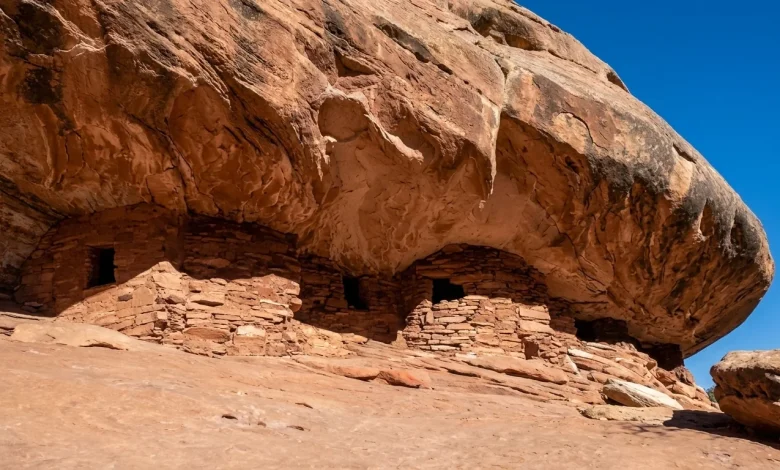
Table of Contents
Bears Ears and Grand Staircase-Escalante national monuments in southern Utah have been dramatically reduced in size by approximately 90% each under a series of sweeping presidential proclamations signed on Monday. This high-stakes executive action by President Donald Trump dismantles years of federal land protections established by previous administrations, immediately reopening vast expanses of red-rock wilderness, cultural landmarks, and mineral-rich lands to corporate development. While Utah state officials and industrial proponents welcomed the decision as a victory for local sovereignty and energy independence, Native American tribal coalitions, conservation organizations, and environmental advocates condemned the move as an illegal overreach of executive authority.
The executive action marks the second time President Trump has targeted these specific monuments, resurrecting a fierce, decades-long battle over the scope of the 1906 Antiquities Act and the limits of executive power. By slashing nearly 3 million acres of combined protected lands, the administration has set the stage for an intense judicial showdown that could redefine federal land management and tribal sovereignty for generations to come.
The Sweep of the Executive Order
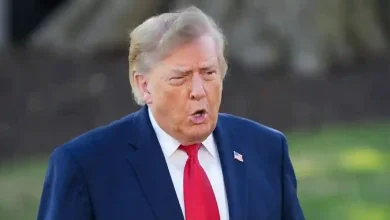
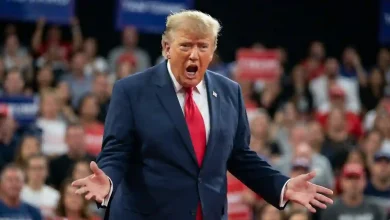
During a high-profile White House signing ceremony on Monday, July 13, 2026, President Trump officially signed the executive orders that will shrink Grand Staircase-Escalante from its current footprint of 1.87 million acres to roughly 181,500 acres. Similarly, Bears Ears National Monument will see its boundaries contract from approximately 1.36 million acres to just 121,100 acres. This brings the combined monument acreage down from over 3.2 million acres to just over 302,600 acres, effectively eliminating federal protections on nearly 3 million acres of public land.
“They took the land from the people quite honestly,” Trump told reporters as he handed a commemorative pen to Utah Governor Spencer Cox in the Oval Office. “We’re giving it back”. Utah leaders argued that the original monument designations were massive federal land grabs that restricted traditional land uses, including grazing, recreation, and mineral extraction. Similar disputes over local sovereignty often extend to basic state safety laws, such as controversial debates surrounding pool safety measures that split municipal and state-level lawmakers. In Utah, the reduction represents a hard-fought victory for ranching, mining, and recreation advocates who have long complained about heavy-handed federal oversight on lands that they believe should be managed for multiple-use economic activities.
Historical Context of Utah’s Public Lands Battle
The struggle over these lands spans three decades and multiple presidential administrations, making it one of the most fiercely contested environmental issues in modern American history. Grand Staircase-Escalante was first established in 1996 by President Bill Clinton, who utilized the Antiquities Act to protect 1.9 million acres of unique desert terrain, scenic canyons, and invaluable paleontological resources. Decades later, in December 2016, President Barack Obama designated the 1.35-million-acre Bears Ears National Monument, acting on a historic, unified proposal from the Bears Ears Inter-Tribal Coalition, which marked the first time tribal nations had collectively led a national monument proposal.
In 2017, during his first term in office, President Trump dramatically scaled back both monuments. That action triggered a wave of lawsuits from tribes and conservationists, but before those cases could be fully resolved, President Joe Biden restored the original borders in 2021, strengthening tribal co-stewardship frameworks. Now, in 2026, Trump has returned to the White House with an even more aggressive agenda, slashing the boundaries past his 2017 limits. While Republican allies of the administration praised the executive order, other veteran legislators like Senator Mitch McConnell and Senator Lindsey Graham have historically championed varied approaches to executive authority and conservation. This constant shift back and forth has created an era of unprecedented regulatory instability for local industries, conservation groups, and the federal agencies tasked with managing these vast landscapes.
The Antiquities Act and Presidential Authority
At the heart of the legal controversy is the Antiquities Act of 1906, a law signed by President Theodore Roosevelt that gives the executive branch the power to establish national monuments to protect historic ruins, landmarks, and “objects of historic or scientific interest”. However, the Act contains a crucial limiting clause: the reserved areas must be “the smallest area compatible with the proper care and management of the objects to be protected”.
President Trump and Governor Spencer Cox contend that multimillion-acre designations violate this “smallest area compatible” requirement, turning the Act into a tool for sweeping federal land grabs that restrict economic activity. Conversely, legal scholars and environmentalists argue that while the Antiquities Act clearly grants the president the power to designate national monuments, it does not grant the authority to unilaterally shrink or abolish them—a power they argue is reserved strictly for Congress under the Property Clause of the Constitution. Conservation groups plan to file immediate lawsuits, relying on previous federal court rulings that limit how far a president can go when rewriting existing land use protections.
Economic and Development Interests
The underlying motivation behind the boundary reductions is largely economic. The southern Utah region is incredibly rich in natural resources, containing some of the country’s most significant deposits of coal, uranium, oil, and gas. The Kaiparowits Plateau within Grand Staircase-Escalante holds massive low-sulfur coal reserves that developers have wanted to access for decades, while Bears Ears contains uranium deposits that state officials view as critical for national energy security.
Under national monument status, new mining claims and energy leasing are strictly prohibited, freezing these resources in place. By shrinking the monuments by 90%, the Trump administration opens the door for private developers to begin exploration and extraction. The ongoing clash highlights a deeply divided nation, reminiscent of controversies over noncitizen voting regulations and other federal-state jurisdiction standoffs where federal overreach is pitted against local economic development and state-level control.
Tribal Sovereignty and Cultural Impact
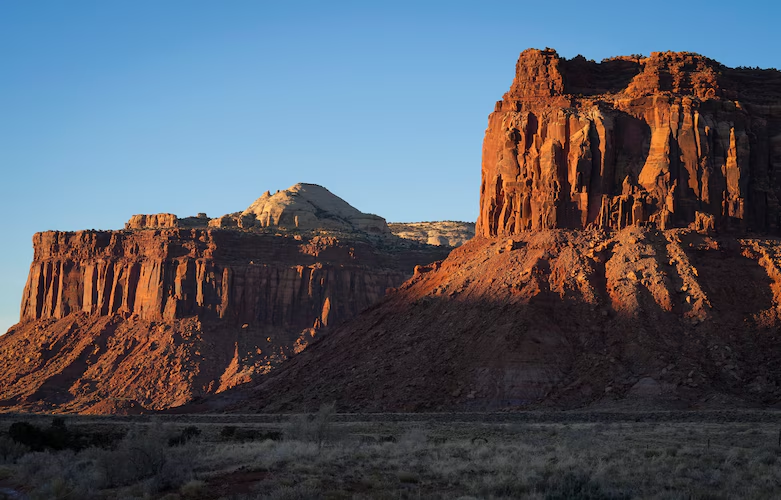
For Native American tribes in the Southwest, the downscaling of Bears Ears is a direct assault on their heritage, spirituality, and sovereignty. Bears Ears is an interconnected Indigenous homeland stewarded by tribal nations since time immemorial, featuring ancient cliff dwellings, rock art, and ceremonial sites. The original monument was historic because it was the first national monument created at the direct request of tribal nations, establishing a collaborative management structure.
The five tribes comprising the Bears Ears Commission—the Navajo, Hopi, Zuni, Ute Mountain Ute, and Ute Indian Tribe—have expressed profound anger over the decision. Trump’s executive action effectively revokes this co-stewardship framework, removing the tribes from their role in managing their ancestral lands. This sharp policy reversal has drawn fierce opposition from progressive leaders, including figures like Gavin Newsom, who frequently clash with the administration over environmental standards and Indigenous rights. Tribal leaders have vowed to fight the orders, asserting that the administration has completely disregarded the federal government’s trust responsibility and duty of tribal consultation.
Legal Challenges and Environmental Backlash
The legal battle over Trump’s 2026 proclamations is expected to be swift and massive. A coalition of environmental organizations, led by Earthjustice and the Southern Utah Wilderness Alliance (SUWA), along with the Bears Ears Inter-Tribal Coalition, are preparing to file multiple lawsuits in federal court. They argue that Trump’s executive action is an egregious and illegal abuse of presidential power that threatens public access and exposes fragile cultural sites to immediate looting and vandalism.
These new legal battles add to the extensive ledger of Donald Trump legal challenges currently working their way through the American judicial system. Attorneys for the environmental groups are confident that the courts will ultimately find the president exceeded his constitutional authority, pointing out that no president has ever successfully defended such massive rollbacks of protected lands in a final judicial ruling. Furthermore, environmentalists note that the cuts occur as the 106,000-acre Babylon Fire burning inside Bears Ears became the largest wildfire in the nation, highlighting the fragile state of these ecosystems.
Comparing the Monument Boundaries
To understand the sheer scale of the changes enacted by the 2026 executive orders, it is helpful to compare the monument acreages across different presidential administrations. The following table highlights the dramatic shifts in protected public land. This clash over who controls protected spaces is not unlike other high-profile federal disputes, such as when RMS Titanic Inc. clashed with federal officials over salvage rights and historic preservation.
| National Monument | Original Size (Acres) | Trump 2017 Size (Acres) | Biden 2021 Size (Acres) | Trump 2026 Size (Acres) | Key Resources / Conflict Points |
|---|---|---|---|---|---|
| Bears Ears | 1.35 Million | ~201,897 (85% cut) | 1.36 Million | 121,100 (~91% cut) | Uranium deposits, ancient cliff dwellings, petroglyphs, sacred burial sites |
| Grand Staircase-Escalante | 1.9 Million | ~1.00 Million (45% cut) | 1.87 Million | 181,500 (~90% cut) | Kaiparowits Plateau coal reserves, paleontological fossil beds, scenic canyons |
Political Fallout and the National Energy Strategy
Beyond the immediate geographical impact in Utah, Trump’s decision reflects a broader, highly aggressive national energy strategy. The administration has declared a national energy emergency, aiming to boost domestic oil, gas, and mineral production to achieve absolute energy independence. Shrinking these monuments is a key piece of this puzzle, signaling to the extraction industry that the federal government is open for business. However, public polling indicates that these rollbacks are highly unpopular, even in Western states where conservation support remains at historic highs.
As the legal battles begin, the future of Bears Ears and Grand Staircase-Escalante remains deeply uncertain. Suspended once again in a continuous cycle of political warfare, these public lands will serve as the ultimate battleground between economic exploitation and cultural conservation.