WHO Addresses Ebola Outbreak: Community Trust & Transparency Key
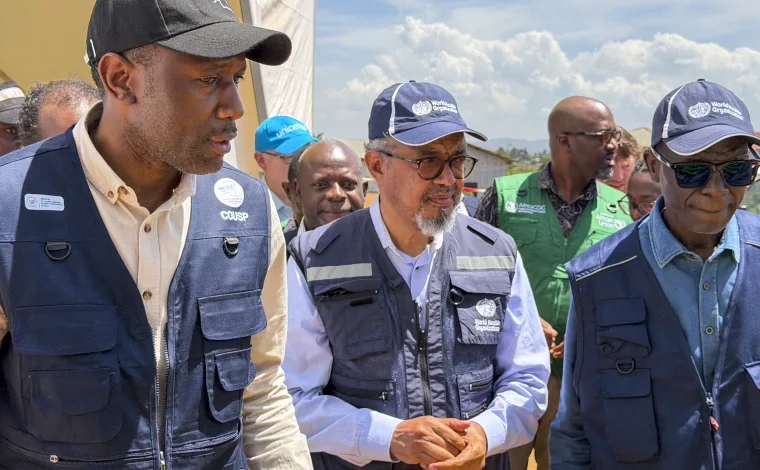
WHO Director-General Tedros Adhanom Ghebreyesus has recently addressed the ongoing Ebola outbreak, emphasizing the critical need for community trust and safe burial practices to effectively combat the spread of the disease. During a press conference, Tedros also urged countries to reconsider implementing travel bans and border closures, arguing that such measures could undermine transparency and hinder the collective effort to contain the outbreak.
Introduction
The World Health Organization’s (WHO) leadership has been vocal about the current Ebola situation, particularly in the Democratic Republic of Congo (DRC) and neighboring Uganda. Director-General Tedros Adhanom Ghebreyesus’s statements highlight a multifaceted approach that balances immediate containment measures with long-term strategies for building resilient health systems. His emphasis on community trust, safe burials, and the reconsideration of travel bans underscores the complexities involved in managing outbreaks of this nature. This article delves into the details of the current Ebola outbreak, the WHO’s recommendations, and the broader implications for global health security.
Ebola Outbreak in DRC: A Recurring Challenge
The Democratic Republic of Congo has a long and unfortunate history with Ebola outbreaks. As noted by Director-General Tedros, this is the DRC’s 17th encounter with the virus. The country’s experience in managing previous outbreaks provides a foundation of knowledge and expertise, but each new occurrence presents unique challenges. Factors such as population density, mobility, and socio-political instability can significantly impact the dynamics of the outbreak. The ongoing conflict and humanitarian crises in certain regions of the DRC further complicate response efforts, making it difficult for health workers to access affected communities and implement control measures effectively. The lessons learned from past outbreaks are crucial, but they must be adapted to the specific context of each new situation. This is especially important considering the potential for the virus to spread to neighboring countries, as seen with the recent cases in Uganda.
WHO Guidance: Community Trust and Safe Burials
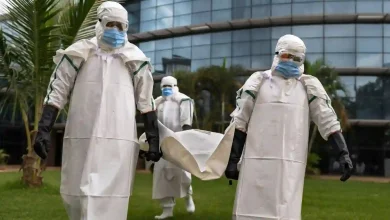
One of the key pillars of the WHO’s strategy for combating Ebola is building community trust. This involves engaging with local leaders, traditional healers, and community members to foster a sense of ownership and participation in the response efforts. When communities trust the health authorities and understand the importance of the recommended measures, they are more likely to cooperate with contact tracing, vaccination campaigns, and safe burial practices. Safe burials are particularly crucial in preventing the further spread of Ebola. The virus can remain infectious in deceased individuals, and traditional burial practices that involve close contact with the body can pose a significant risk. The WHO recommends that trained personnel conduct safe burials, ensuring that the body is handled with appropriate protective equipment and that the burial is carried out in a way that minimizes the risk of transmission. This often requires a delicate balance between respecting cultural traditions and implementing necessary public health measures. Building trust within the community is essential to achieving this balance and ensuring the success of safe burial practices. The need to maintain trust is also paramount in light of events such as the COVID records scandal, which can erode public confidence in health organizations. You can read more about similar events, such as the Shinyhunters breach, to understand the need for public trust here.
Travel Bans and Transparency: A Delicate Balance
The implementation of travel bans and border closures in response to an Ebola outbreak is a controversial topic. While such measures may seem like a logical way to prevent the virus from spreading to new areas, the WHO argues that they can have unintended negative consequences. According to Director-General Tedros, travel bans can discourage transparency by creating a disincentive for countries to report cases. If a country fears that it will face economic and social isolation as a result of reporting an outbreak, it may be tempted to conceal information, which can ultimately hinder the global response efforts. Furthermore, travel bans can disrupt the supply of essential goods and personnel, making it more difficult to deliver aid and support to affected areas. The WHO advocates for a more nuanced approach that focuses on evidence-based measures such as screening travelers, strengthening surveillance systems, and providing accurate information to the public. It’s about finding a balance between protecting public health and minimizing the negative impacts on trade, travel, and international cooperation. The economic impact of sanctions and tariffs has been covered extensively, which you can read more about here.
DRC’s Experience and Optimism
Despite the challenges, Director-General Tedros expressed optimism about the DRC’s ability to overcome the current Ebola outbreak. This optimism is rooted in the country’s extensive experience in managing previous outbreaks. Over the years, the DRC has developed a cadre of trained health professionals, established surveillance systems, and refined its response strategies. The country has also benefited from the support of international partners such as the WHO, which has provided technical assistance, funding, and resources. While each outbreak presents unique challenges, the DRC’s accumulated knowledge and expertise provide a solid foundation for containing the spread of the virus. The key is to adapt the lessons learned from past experiences to the specific context of the current situation, and to continue to strengthen the country’s health system to prevent future outbreaks. The relationship between countries and the UN is complex. You can read about Russia’s stance on Iran and the UN here.
Regional Spread: Uganda’s Confirmed Cases
The confirmation of Ebola cases in Uganda underscores the risk of regional spread and the importance of cross-border collaboration. Uganda’s Health Ministry reported nine confirmed cases and one death, highlighting the need for vigilance and preparedness in neighboring countries. The porous borders and frequent cross-border movements between the DRC and Uganda make it challenging to contain the spread of the virus. The two countries are working together to strengthen surveillance systems, implement screening measures at border crossings, and conduct contact tracing to identify and isolate potential cases. The WHO is also providing support to Uganda to help the country manage the outbreak and prevent further spread. The situation in Uganda serves as a reminder that Ebola is not just a national problem but a regional and global one, requiring coordinated efforts to protect public health. Border disputes are common, and can lead to security instability. You can read about the situation on the Lebanon border here.
Challenges in Containing Ebola Outbreaks
Containing Ebola outbreaks presents a multitude of challenges, ranging from logistical hurdles to socio-cultural barriers. One of the main challenges is the lack of infrastructure in many of the affected areas. Poor roads, limited access to electricity, and inadequate communication networks can hamper the delivery of aid and the implementation of control measures. Another challenge is the mistrust of health authorities in some communities. This mistrust can be rooted in historical grievances, cultural beliefs, or misinformation. Overcoming this mistrust requires building strong relationships with local leaders, engaging with community members, and providing accurate and transparent information about the disease and the response efforts. Furthermore, the stigma associated with Ebola can make it difficult to identify and isolate cases. People may be reluctant to seek medical care if they fear being ostracized by their communities. Addressing this stigma requires education, awareness campaigns, and community-based support systems. Finally, the security situation in some areas can pose a significant challenge to response efforts. Conflict, violence, and political instability can make it difficult for health workers to access affected communities and implement control measures safely and effectively.
The Importance of Global Health Security
The Ebola outbreak underscores the importance of global health security. In an interconnected world, infectious diseases can spread rapidly across borders, posing a threat to public health and economic stability. Strengthening global health security requires investing in national health systems, building capacity for disease surveillance and response, and fostering international collaboration. The WHO plays a critical role in coordinating global efforts to prevent and control infectious diseases. The organization provides technical assistance, sets standards, and mobilizes resources to support countries in their efforts to protect public health. However, the WHO’s effectiveness depends on the commitment and cooperation of its member states. Countries must be willing to share information, implement recommended measures, and contribute to global efforts to address health threats. The COVID-19 pandemic has highlighted the importance of global health security and the need for greater investment in preparedness and response. The pandemic has also exposed weaknesses in global health governance and the need for stronger international cooperation. The world must learn from these experiences and work together to build a more resilient and equitable global health system. The difficulties in maintaining international peace can be read about further when analyzing the US and Iran’s failed negotiations here.
The Role of International Collaboration
International collaboration is essential for effectively responding to Ebola outbreaks. The WHO works closely with governments, non-governmental organizations, and other international partners to coordinate response efforts, provide technical assistance, and mobilize resources. Collaboration is needed in areas such as surveillance, diagnostics, treatment, vaccination, and community engagement. Sharing information and best practices is crucial for improving the effectiveness of response efforts. International experts can provide technical guidance and support to countries affected by Ebola. Funding and resources are needed to support response activities and to strengthen health systems in affected areas. The WHO plays a critical role in coordinating these efforts and ensuring that resources are used effectively. However, international collaboration is not always easy. Political tensions, bureaucratic hurdles, and conflicting priorities can hinder cooperation. Overcoming these challenges requires building trust, fostering transparency, and establishing clear lines of communication. The international community must work together to ensure that the response to Ebola outbreaks is coordinated, effective, and equitable. The WHO’s data access has been in question recently, which has hampered the ability to act quickly. You can read more about it here.
Ebola Preparedness: Lessons Learned
Ebola preparedness is essential for preventing and controlling future outbreaks. This involves strengthening health systems, building capacity for disease surveillance and response, and engaging with communities to promote awareness and understanding. Countries must invest in training health workers, equipping laboratories, and establishing emergency response plans. Surveillance systems must be able to detect and respond to outbreaks quickly and effectively. Communities must be informed about the disease, its transmission, and how to protect themselves. Preparedness also involves addressing the underlying social and economic factors that can contribute to the spread of Ebola, such as poverty, inequality, and lack of access to healthcare. Investing in education, sanitation, and economic development can help to reduce the risk of future outbreaks. The COVID-19 pandemic has highlighted the importance of preparedness and the need for greater investment in public health infrastructure. The world must learn from these experiences and work together to build a more resilient and equitable global health system. Munitions stockpiles are also important when discussing preparedness. You can read more about it here.
The Way Forward: Strengthening Health Systems
The way forward in combating Ebola and other infectious diseases lies in strengthening health systems. This involves investing in infrastructure, training health workers, and improving access to healthcare. Health systems must be able to detect and respond to outbreaks quickly and effectively. They must also be able to provide quality care to those who are infected. Strengthening health systems requires a comprehensive approach that addresses the underlying social and economic factors that can contribute to the spread of disease. This includes investing in education, sanitation, and economic development. It also includes addressing issues such as poverty, inequality, and lack of access to clean water and sanitation. The international community must work together to support countries in their efforts to strengthen their health systems. This includes providing technical assistance, funding, and resources. It also includes sharing information and best practices. By working together, the world can build a more resilient and equitable global health system that is better prepared to prevent and control infectious diseases.
Data Summary
| Region | Suspected Cases | Suspected Deaths | Confirmed Cases | Confirmed Deaths |
|---|---|---|---|---|
| Democratic Republic of Congo | 906 | 223 | N/A | N/A |
| Uganda | N/A | N/A | 9 | 1 |
Conclusion
The ongoing Ebola outbreak in the Democratic Republic of Congo and Uganda highlights the persistent challenges in combating infectious diseases. The WHO’s guidance, emphasizing community trust, safe burials, and the reconsideration of travel bans, reflects a comprehensive approach that balances immediate containment with long-term strategies. The DRC’s experience provides a foundation for optimism, but the regional spread underscores the need for vigilance and cross-border collaboration. Strengthening health systems, investing in preparedness, and fostering international cooperation are essential for preventing and controlling future outbreaks and ensuring global health security. The lessons learned from this and previous outbreaks must be applied to build a more resilient and equitable global health system. The superyacht Nord may be an important mode of transportation during these outbreaks. You can read about it here.