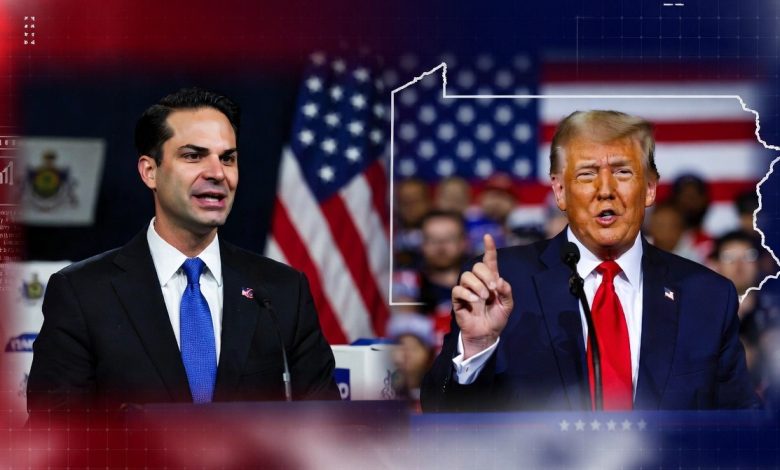
Pennsylvania’s Key House Races: Shapiro and Trump’s High-Stakes Game
Introduction
As the field of competitive congressional districts continues to narrow across the United States, the spotlight intensifies on key battleground states like Pennsylvania. With the primary elections now concluded, the stage is set for highly contested general election matchups that promise to draw significant financial and political investment from both the Democratic and Republican parties. These races are not just about individual seats; they represent critical opportunities for each party to assert dominance and shape the national political landscape.
Pennsylvania, in particular, holds immense strategic importance. Its status as a swing state, pivotal in both the 2016 and 2024 presidential elections, ensures that any political developments within its borders reverberate nationally. The outcomes of these House races will not only determine the balance of power in Congress but also influence the political trajectories of prominent figures like Governor Josh Shapiro and former President Donald Trump.
In the coming months, Pennsylvania will be a focal point of political activity, as both parties mobilize resources and deploy their top strategists to gain an edge. The stakes are high, and the implications are far-reaching, making these elections a crucial test of each party’s strength and appeal.
The Competitive Landscape in Pennsylvania
Pennsylvania’s political landscape is characterized by its competitive nature and its significance as a swing state. This makes it a crucial battleground for both Democrats and Republicans. The state’s diverse demographics and economic factors contribute to its unpredictable electoral outcomes, demanding carefully tailored strategies from both parties.
Several factors underscore Pennsylvania’s importance. Its electoral votes are a significant prize in presidential elections, and its congressional delegation plays a key role in shaping federal policy. Moreover, Pennsylvania’s geographic location, bordering multiple states and serving as a hub for transportation and commerce, amplifies its influence. Its population is also very diverse, reflecting a wide range of views that are important for both parties to address.
Given these dynamics, both parties recognize the necessity of investing heavily in Pennsylvania’s elections. This includes not only financial resources but also campaign personnel, grassroots mobilization efforts, and sophisticated data analytics to identify and engage potential voters.
Shapiro’s Strategy: A Party-Building Kick
Governor Josh Shapiro is adopting a proactive strategy aimed at bolstering the Democratic Party’s prospects in Pennsylvania. With an eye on his own re-election bid and potential aspirations for the 2028 presidential race, Shapiro is deeply involved in supporting Democratic candidates in key House races.
Shapiro’s approach includes several key components:
- Primary Endorsements: Shapiro has made early endorsements in each of the four targeted House races, signaling his commitment to these candidates and providing them with crucial momentum and resources.
- Active Campaign Involvement: As the November elections draw closer, Shapiro plans to be actively involved in these campaigns, lending his support through fundraising, rallies, and strategic guidance.
- Party-Building Narrative: Shapiro aims to showcase his ability to help the Democratic Party regain control of the House by defeating Republican incumbents. This narrative would resonate with Democratic voters and enhance his national profile.
By aligning himself with these House candidates, Shapiro seeks to demonstrate his leadership and build a strong base of support within the Democratic Party. His success in these races will be closely watched as an indicator of his political strength and potential for future advancement.
The Trump Factor: Pennsylvania’s Significance
Former President Donald Trump also recognizes the critical importance of Pennsylvania to his political future. Having secured victories in the state in both the 2016 and 2024 presidential elections, Trump maintains a strong connection with Pennsylvania voters and continues to make frequent campaign stops in the state.
Trump’s involvement in Pennsylvania’s House races could significantly impact the outcomes. His endorsement and active campaigning on behalf of Republican candidates could galvanize his supporters and sway undecided voters. Furthermore, Republican victories in these races would bolster Trump’s political standing, particularly amid what is expected to be a challenging election cycle for the GOP.
However, unlike Shapiro, Trump has not yet indicated the extent to which he will engage in these contests. His decision to play a prominent role or remain more detached will be a key factor to watch in the coming months.
Key Primary Matchups and Candidates
The primary elections have now finalized the list of candidates who will compete in the general election for Pennsylvania’s targeted House districts. While many of these matchups were largely anticipated, the formal confirmation allows both parties to focus their resources and strategies on the specific individuals involved.
Here’s a summary of the key matchups:
| District | Republican Candidate | Democratic Candidate | Description |
|---|---|---|---|
| 1st | Rep. Brian Fitzpatrick | Bob Harvie | A moderate Republican in a district carried by Vice President Kamala Harris in 2024 faces a strong challenge from a local county official. |
| 7th | Rep. Ryan Mackenzie | Bob Brooks | A first-term Republican incumbent in one of Pennsylvania’s most closely contested districts faces the head of the state firefighters union. |
These matchups represent diverse ideological and political backgrounds, setting the stage for competitive and closely watched general election campaigns.
Pennsylvania’s 1st District: Fitzpatrick vs. Harvie
In Pennsylvania’s 1st District, the race between Republican incumbent Brian Fitzpatrick and Democratic challenger Bob Harvie is expected to be one of the most closely watched contests in the state. Fitzpatrick, known for his moderate stance and ability to appeal to voters across the political spectrum, faces a significant challenge from Harvie, a member of the Bucks County Board of Commissioners.
Fitzpatrick’s ability to win in a district that then-Vice President Kamala Harris carried in 2024 underscores his unique appeal and ability to attract support from both Republicans and Democrats. However, Harvie’s deep roots in the local community and his focus on issues such as affordable healthcare and economic opportunity could resonate with voters, particularly in a district with a significant number of independent and swing voters.
The race in the 1st District will likely hinge on voter turnout, candidate messaging, and the ability of each campaign to effectively mobilize their base and persuade undecided voters.
Pennsylvania’s 7th District: Mackenzie vs. Brooks
Pennsylvania’s 7th District is considered one of the state’s most competitive, making the race between first-term Republican Rep. Ryan Mackenzie and state firefighters union head Bob Brooks a pivotal battleground. Mackenzie, who is still relatively new to Congress, faces a formidable opponent in Brooks, who brings a wealth of experience in organized labor and a strong connection to working-class voters.
The 7th District’s swing nature means that the election outcome could depend on a variety of factors, including the national political climate, economic conditions, and the effectiveness of each candidate’s campaign strategy. Mackenzie will likely emphasize his conservative credentials and his commitment to fiscal responsibility, while Brooks will focus on issues such as job creation, workers’ rights, and public safety.
Given the district’s history of close elections, the race between Mackenzie and Brooks is expected to be highly competitive and could serve as a bellwether for the overall political mood in Pennsylvania and the nation.
National Implications and the Battle for the House
The outcomes of Pennsylvania’s House races will have significant implications for the national political landscape, particularly in the context of the broader battle for control of the House of Representatives. With the current margin between the two parties being relatively narrow, even a small shift in seats could dramatically alter the balance of power in Congress.
If Democrats are successful in gaining ground in Pennsylvania, it would not only strengthen their position in the House but also provide a boost to their overall political momentum heading into the 2028 presidential election. Conversely, if Republicans are able to hold their ground or even pick up seats in Pennsylvania, it would signal their continued strength and resilience, despite the challenges they face in other parts of the country.
The national parties and various outside groups are expected to invest heavily in these races, recognizing their importance in shaping the future direction of American politics.
Financial Influx and Campaign Investments
As the general election campaigns intensify, Pennsylvania’s House races are poised to receive a substantial influx of financial resources from both parties and various outside organizations. These funds will be used to support a wide range of campaign activities, including television and digital advertising, grassroots mobilization efforts, polling and data analysis, and get-out-the-vote initiatives.
The level of financial investment in these races reflects their strategic importance and the high stakes involved. Both parties recognize that the outcomes in Pennsylvania could have a significant impact on the balance of power in Congress and the broader political landscape.
However, the influx of money into these campaigns also raises concerns about the influence of special interests and the potential for negative or misleading advertising. Voters will need to carefully evaluate the information they receive and make informed decisions based on the candidates’ records and policy positions.
Potential Outcomes and Political Scrutiny
The outcomes of Pennsylvania’s House races will be subject to intense political scrutiny, particularly in relation to the ambitions and strategies of key figures like Governor Josh Shapiro and former President Donald Trump. For Shapiro, a successful showing in these races would bolster his image as a rising star in the Democratic Party and enhance his prospects for a potential 2028 presidential bid.
Conversely, if Democrats fall short of expectations in Pennsylvania, Shapiro’s political strength and leadership abilities could come under increased scrutiny. His ability to effectively mobilize voters and deliver results in crucial elections will be a key factor in shaping his future trajectory.
Similarly, Trump’s involvement in these races will be closely watched as an indicator of his continued influence within the Republican Party. A strong showing by Republican candidates he supports would reinforce his position as a kingmaker and potential contender for future office.
Strategic Importance for 2028 Presidential Aspirations
The 2026 midterm elections in Pennsylvania hold significant strategic importance for potential 2028 presidential aspirants, particularly Governor Josh Shapiro. His performance in these races will be viewed as a crucial test of his ability to lead and deliver results in a key battleground state.
For Shapiro, success in these House races would provide a compelling narrative to present to Democratic primary voters. He could credibly argue that he played a pivotal role in helping the party regain control of the House, demonstrating his ability to win in tough races and appeal to a broad range of voters.
However, a disappointing outcome in Pennsylvania could raise doubts about Shapiro’s electability and undermine his chances of securing the Democratic nomination in 2028. His performance in these races will be closely scrutinized by party leaders, donors, and activists as they assess the field of potential presidential candidates.
Moreover, the outcomes of these races could also influence the strategies and calculations of other potential presidential contenders, both Democrats and Republicans. A strong showing by either party in Pennsylvania could embolden them to pursue a more aggressive approach in the 2028 election, while a weak performance could prompt them to reconsider their plans.
The political landscape may also be impacted by international events. For example, rising tensions in the Middle East, such as those involving the Strait of Hormuz, could shift voter priorities and influence the election discourse. The potential for disruptions in global energy markets, as highlighted by concerns over jet fuel supplies in Europe, could also factor into voter concerns and policy debates.
Conclusion
Pennsylvania’s upcoming House races represent a critical juncture in the state’s political landscape and hold significant implications for the national balance of power. With prominent figures like Governor Josh Shapiro and former President Donald Trump closely involved, these elections are poised to draw substantial attention and resources from both parties.
The outcomes in Pennsylvania will not only determine the composition of the House of Representatives but also shape the political trajectories of key individuals and influence the broader direction of American politics. As the campaigns intensify and the election draws nearer, voters will have the opportunity to make their voices heard and contribute to shaping the future of their state and nation.
The focus on these key races also underscores the importance of competitive districts in shaping political outcomes. As the number of these districts dwindles, the stakes in each contest become even higher, amplifying the need for strategic campaigning and effective voter engagement. The results in Pennsylvania will undoubtedly be closely analyzed and debated, providing valuable insights into the evolving dynamics of American politics.
The current global climate, including geopolitical tensions and economic uncertainties, adds another layer of complexity to these elections. Events such as potential conflicts in the Middle East or disruptions in global supply chains could influence voter sentiment and shape the campaign discourse. Staying informed about these developments is crucial for understanding the broader context in which these elections are taking place.
For instance, if tensions surrounding the Strait of Hormuz were to escalate, leading to a closure or disruption of oil flow, it could have significant economic consequences and impact voter attitudes toward energy policy and national security. Similarly, concerns about energy security in Europe or potential cyber warfare could also become salient issues in the campaign.
In conclusion, the Pennsylvania House races are more than just individual contests; they are a microcosm of the broader political and social forces shaping America today. The outcomes will have far-reaching consequences and will be closely watched by political observers, policymakers, and citizens alike.
The economic factors at play also cannot be understated. Issues such as inflation, job creation, and access to affordable healthcare are likely to be central themes in the campaigns. The candidates’ positions on these issues and their proposed solutions will undoubtedly influence voters’ decisions.
Additionally, the ongoing debates surrounding social issues such as abortion rights, gun control, and education policy will also play a significant role in shaping the electorate’s preferences. The candidates’ stances on these issues and their ability to articulate their positions effectively will be crucial in mobilizing their respective bases and persuading undecided voters.
In summary, the Pennsylvania House races are a complex and multifaceted battleground, with a wide range of factors influencing the outcomes. The results will have significant implications for the state, the nation, and the individuals involved, making these elections a pivotal moment in American politics.
Amidst these domestic political battles, global events continue to shape the broader context. The potential deployment of hypersonic missiles in the Middle East or ongoing tensions between Iran and its neighbors could indirectly influence voter sentiment and priorities. Staying informed about these developments is essential for understanding the full scope of the challenges and opportunities facing Pennsylvania and the nation.