Jerusalem: Israeli Soldiers Jailed for Desecrating Christian Statue
Introduction
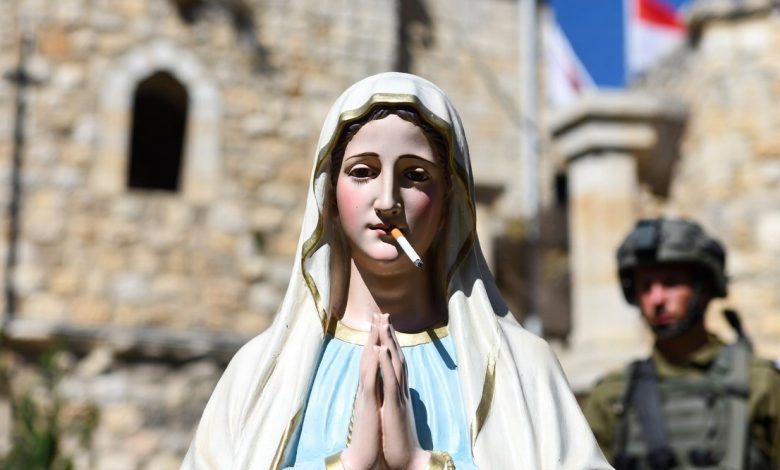
In a controversial turn of events, two Israeli soldiers have been sentenced to military prison for their involvement in the desecration of a Christian statue in southern Lebanon. The incident, which involved one soldier placing a cigarette in the mouth of a statue of the Virgin Mary while the other photographed the act, sparked widespread outrage after the image went viral. The Israeli military has responded by issuing prison sentences, underscoring the severity with which they view the incident and reaffirming their commitment to respecting religious freedom and sites. This event unfolds against a backdrop of heightened tensions due to ongoing military operations in the region, further complicating the already fragile relationship between Israel and Lebanon.
The Incident and Its Immediate Aftermath
The specific act that led to the disciplinary action involved a soldier placing a lit cigarette in the mouth of a statue of the Virgin Mary, a deeply revered figure in Christianity. The other soldier photographed the desecration, and the image rapidly spread across social media platforms, igniting a firestorm of criticism and condemnation. The virality of the photo amplified the impact of the act, turning what might have been a localized incident into an international controversy. This incident occurred shortly after another similar event where an Israeli soldier was photographed wielding an ax against a statue of Jesus, further inflaming public sentiment. These actions were perceived as not only disrespectful but also as a deliberate provocation, particularly given the context of ongoing military operations in a region with a significant Christian population.
Military Response and Disciplinary Action
In response to the public outcry, the Israeli military took swift action to address the soldiers’ behavior. According to Lieutenant Colonel Ariella Mazor, a military spokesperson, the soldier who posed with the statue received a 21-day prison sentence, while the soldier who photographed the act was sentenced to 14 days. The military emphasized that it views the incident with “great severity” and remains committed to upholding freedom of religion and worship, as well as respecting holy sites and religious symbols of all faiths. This disciplinary action reflects an attempt by the Israeli military to mitigate the damage caused by the soldiers’ actions and to reaffirm its adherence to international standards of conduct, especially concerning religious sensitivity in conflict zones. The prompt response also aims to deter similar incidents in the future by sending a clear message that such behavior will not be tolerated.
Wider Context: Israeli Military Operations in Southern Lebanon
The desecration incident occurred within the broader context of Israeli military operations in southern Lebanon, aimed at targeting Hezbollah, an Iranian-backed militant group. These military actions have led to increased tensions and a heightened sense of insecurity among the local population, which includes a diverse mix of religious communities. The presence of Israeli forces in the region is a sensitive issue, and incidents like the desecration of religious symbols can significantly exacerbate existing grievances and fuel further animosity. The military operations themselves are often perceived differently by various groups, with some viewing them as necessary for security and others seeing them as an infringement on their sovereignty and religious freedom. This complex dynamic makes it crucial for military personnel to exercise utmost sensitivity and respect for local customs and religious practices to avoid escalating tensions and undermining trust.
Reactions from Religious and Political Leaders
The desecration of the Christian statues drew strong condemnation from religious and political leaders both within Israel and internationally. Christian leaders in particular expressed outrage and called for a thorough investigation and appropriate punishment for those involved. Foreign leaders also weighed in, emphasizing the importance of respecting religious symbols and maintaining peaceful relations between different faith communities. Within Israel, politicians from across the political spectrum denounced the soldiers’ actions, highlighting the need for tolerance and mutual respect, especially in a region as religiously diverse and historically sensitive as the Middle East. The widespread condemnation underscores the significance of religious symbols and the potential for such incidents to inflame tensions and undermine diplomatic efforts. Such events can also affect international relations, influencing perceptions of Israel’s commitment to religious freedom and its conduct in conflict zones. The incident involving the desecration of religious sites can be compared to the recent events surrounding the global protests and activism. For example, https://globaleprism.com/politics/2026/05/02/56502/global-sumud-fleet-activists-istanbul-israeli-detention/ shows how activists have been detained which causes political reactions from leaders.
Comparison of Incidents
The recent desecration incident is not an isolated event. It follows closely on the heels of another incident where Israeli soldiers were accused of vandalizing a statue of Jesus. The comparison of these two incidents reveals a troubling pattern of disrespect towards Christian symbols by members of the Israeli military. While the military has taken disciplinary action in both cases, the recurrence of such incidents raises questions about the effectiveness of current training and oversight mechanisms. It also highlights the need for a more proactive approach to promoting religious sensitivity and ensuring that soldiers understand the importance of respecting local customs and traditions. The cumulative effect of these incidents can erode trust and undermine efforts to build positive relationships with local communities, further complicating the already challenging security situation in the region.
| Incident | Description | Military Response | Public Reaction |
|---|---|---|---|
| Virgin Mary Statue Desecration | Soldier places cigarette in the mouth of a Virgin Mary statue; photo taken and circulated. | 21 days in military prison for the soldier who posed; 14 days for the photographer. | Widespread outrage and condemnation from religious leaders, politicians, and the public. |
| Jesus Statue Vandalism | Israeli soldier wields an ax against a statue of Jesus on the cross. | Time in military prison for participating soldiers. | Roundly condemned by foreign leaders, Christian leaders, and Israeli politicians. |
Historical Sensitivity of Religious Sites in the Region
The Middle East is a region steeped in religious history, with numerous sites considered sacred by Jews, Christians, and Muslims. These sites are not only places of worship but also important cultural and historical landmarks that hold deep significance for their respective communities. Given this context, any act of desecration or disrespect towards religious symbols can have far-reaching consequences, inflaming passions and triggering violent reactions. The Israeli-Lebanese border region is particularly sensitive due to its history of conflict and the presence of diverse religious communities. Maintaining the sanctity of religious sites is therefore crucial for promoting peace and stability in the area. It requires a concerted effort to educate military personnel about the importance of religious tolerance and to ensure that they understand the potential impact of their actions on local communities. Furthermore, it necessitates the establishment of clear protocols for protecting religious sites during military operations and holding accountable those who violate these protocols.
Legal and Ethical Considerations for Military Personnel
Military personnel operating in conflict zones are bound by a complex set of legal and ethical obligations. International humanitarian law, also known as the law of armed conflict, sets out specific rules for the conduct of military operations, including the protection of cultural property and religious sites. These laws prohibit acts of vandalism, desecration, and theft directed against religious objects and places of worship. In addition to these legal obligations, military personnel are also expected to adhere to a high standard of ethical conduct, which includes respecting the religious beliefs and practices of local populations. This requires cultural sensitivity training and a clear understanding of the potential impact of their actions on local communities. Military commanders have a responsibility to ensure that their troops are properly trained and supervised and that any violations of legal or ethical standards are promptly investigated and punished. Failure to do so can not only undermine the legitimacy of military operations but also fuel further conflict and instability. Similarly, the legal battle between Bill Maher and Gavin Newsom raises questions about the potential hypocrisy. Further details can be found here: Bill Maher and Gavin Newsom Controversy.
The Role of Social Media in Escalating Tensions
Social media has become a powerful tool for disseminating information and shaping public opinion, particularly in conflict zones. The rapid spread of images and videos through social media platforms can quickly amplify the impact of events on the ground, triggering widespread outrage and condemnation. In the case of the desecration incidents, the virality of the photos played a significant role in escalating tensions and putting pressure on the Israeli military to take action. While social media can be a valuable tool for documenting human rights abuses and promoting transparency, it can also be used to spread misinformation and incite violence. It is therefore crucial for military personnel to be aware of the potential impact of their actions on social media and to exercise caution when posting or sharing information online. Military commanders also have a responsibility to monitor social media and to counter any misinformation or propaganda that could undermine their operations or incite violence. Moreover, recent events, such as the ShinyHunters breach, highlight the need for vigilance in digital security and data protection, as detailed in ShinyHunters Breach .
Long-Term Implications for Israeli-Lebanese Relations
The desecration incidents have the potential to further strain the already fragile relationship between Israel and Lebanon. These incidents can be exploited by extremist groups to incite violence and undermine efforts to promote peace and reconciliation. The lack of trust between the two countries, rooted in decades of conflict and unresolved grievances, makes it difficult to address such incidents in a constructive manner. Building trust and fostering positive relationships between Israelis and Lebanese requires a sustained effort to promote dialogue, understanding, and mutual respect. This includes addressing historical grievances, promoting cross-cultural exchanges, and working together to address common challenges such as environmental degradation and economic development. It also requires a commitment from both sides to refrain from actions that could inflame tensions or undermine trust, such as the desecration of religious symbols. Furthermore, other global events like the gold exports surge, as reported in Gold Exports Surge, can indirectly impact regional stability and relations.
The Importance of Religious Tolerance in Conflict Zones
In conflict zones characterized by religious diversity, religious tolerance is not merely a matter of principle but a practical necessity for maintaining peace and stability. Respect for religious freedom and the protection of religious sites are essential for building trust and fostering positive relationships between different communities. Religious tolerance requires a willingness to understand and appreciate the beliefs and practices of others, even when they differ from one’s own. It also requires a commitment to refrain from actions that could be perceived as disrespectful or offensive to members of other religious groups. Military personnel operating in conflict zones have a particularly important role to play in promoting religious tolerance, as their actions can have a significant impact on local communities. By demonstrating respect for religious freedom and protecting religious sites, they can help to build trust and foster positive relationships, contributing to a more peaceful and stable environment. This is especially crucial given the current global landscape, where issues such as data access and global health information gaps, as discussed in WHO Data Access Concerns , require international cooperation and understanding.
Conclusion
The recent incidents involving the desecration of Christian statues by Israeli soldiers underscore the critical importance of religious sensitivity and ethical conduct in conflict zones. The swift disciplinary actions taken by the Israeli military reflect an understanding of the severity of these actions and the potential for them to inflame tensions. However, the recurrence of such incidents raises questions about the effectiveness of current training and oversight mechanisms. Moving forward, it is essential to strengthen efforts to promote religious tolerance, educate military personnel about the importance of respecting local customs and traditions, and hold accountable those who violate legal and ethical standards. By doing so, it is possible to build trust, foster positive relationships between different communities, and contribute to a more peaceful and stable future for the region. Additionally, addressing other global challenges, such as those highlighted in North Korea Enhances Border Artillery , requires a similar commitment to understanding and de-escalating tensions through respect and diplomacy.