Former FBI Director James Comey Targeted Again by Trump Administration
Comey Speaks Out Against New Indictment
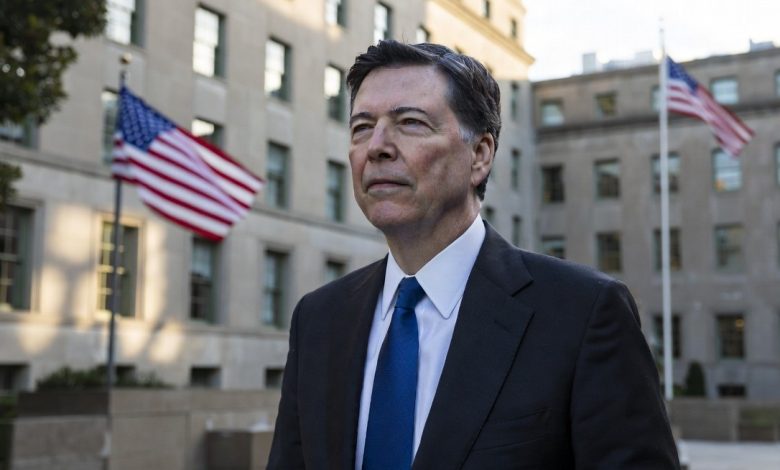
Former FBI Director James Comey has once again found himself at the center of a political storm, this time facing a new indictment related to an Instagram photo of seashells. The indictment, which Comey vehemently denies, has ignited a fresh wave of controversy, drawing sharp criticism and raising questions about the motives behind the Trump administration’s continued pursuit of his prosecution. Comey, in an exclusive interview, addressed the allegations and voiced his concerns about the current political climate, emphasizing his commitment to speaking out despite the personal and professional costs. He characterized the indictment as a reflection of the former president’s “bottomless desire to gain revenge against those who criticized him.” This latest development underscores the deeply entrenched animosity between Comey and the Trump administration, adding another layer to their already fraught history.
Trump Administration’s Pursuit of Critics
The indictment against Comey is not an isolated incident but rather part of a broader pattern of the Trump administration targeting its perceived critics. Throughout his presidency and beyond, Donald Trump has demonstrated a willingness to use the levers of power to pursue those who have spoken out against him or challenged his authority. This approach has drawn widespread condemnation from legal experts, civil rights advocates, and political commentators, who argue that it undermines democratic norms and chills free speech. The pursuit of Comey, in particular, has been a long-standing focus, stemming from his role in the investigation into Russian interference in the 2016 election. The intensity of this pursuit raises concerns about the politicization of the justice system and the potential for abuse of power. The implications of such actions extend far beyond individual cases, impacting the overall health and integrity of American democracy.
The Seashell Photo Controversy
At the heart of the latest indictment is an Instagram photo of seashells, an image that might seem innocuous to most. However, the Trump administration alleges that this photo was a veiled threat directed at the former president. The specifics of this alleged threat remain unclear, but the indictment suggests that the photo was intended to send a message or intimidate Trump in some way. Comey has dismissed these allegations as baseless, arguing that the photo was simply a harmless post and that the administration is grasping at straws in its effort to discredit him. The controversy surrounding the seashell photo highlights the extent to which the conflict between Comey and Trump has escalated, with even seemingly insignificant actions being interpreted through a lens of suspicion and animosity. This incident underscores the highly charged political atmosphere and the willingness of both sides to engage in aggressive tactics.
Family Fallout from Comey’s Criticism
The consequences of James Comey’s criticism of Donald Trump have extended beyond his own career, impacting his family as well. According to Comey, his daughter was fired from her position as a prosecutor in the Southern District of New York, and his son-in-law resigned as a prosecutor in the Eastern District of Virginia. Comey attributes these events to the fallout from his public statements and actions, suggesting that his family members have been targeted because of their association with him. This alleged retaliation against family members raises serious ethical and legal questions, highlighting the potential for abuse of power and the chilling effect it can have on free speech. The personal toll on Comey and his family underscores the high stakes involved in speaking out against powerful figures and institutions. The situation also brings to light the broader issue of political polarization and the extent to which it can permeate all aspects of life, including professional careers.
Legal and Political Analysis of the Indictment
The indictment against James Comey has sparked intense debate among legal experts and political analysts. Some argue that the indictment is politically motivated and lacks a solid legal basis, while others maintain that it should be evaluated solely on its merits, without regard to the political context. Legal scholars have pointed out the challenges of proving that an Instagram photo of seashells constitutes a credible threat, raising questions about the evidentiary standards being applied. The political implications of the indictment are also significant, as it could further inflame partisan tensions and deepen divisions within the country. Some observers believe that the indictment is intended to distract from other issues or to rally support among Trump’s base. Regardless of the motivations behind it, the indictment is likely to have a lasting impact on the political landscape and the ongoing debate over the rule of law.
Comey’s Response and Future Plans
Despite facing a new indictment and the personal toll it has taken on his family, James Comey remains defiant and committed to speaking out. He has stated that he will not be silenced by the Trump administration’s efforts to discredit him and that he will continue to voice his concerns about the direction of the country. Comey has also emphasized his desire to leave a positive legacy for his grandchildren, wanting them to know that he stood up for his principles during a challenging time in American history. His future plans remain unclear, but it is likely that he will continue to be a prominent voice in the public discourse, whether through writing, speaking engagements, or other forms of advocacy. Comey’s resilience and determination to speak out, despite the risks, serve as an inspiration to many who believe in the importance of holding those in power accountable.
Historical Context of Comey-Trump Conflict
The conflict between James Comey and Donald Trump is rooted in a series of events that unfolded during the 2016 presidential election and its aftermath. As FBI Director, Comey oversaw the investigation into Hillary Clinton’s use of a private email server, a probe that drew intense scrutiny and criticism from both sides of the political spectrum. He also played a central role in the investigation into Russian interference in the election, which ultimately led to the appointment of a special counsel and a series of high-profile indictments. Trump has repeatedly attacked Comey for his handling of these investigations, accusing him of bias and incompetence. The firing of Comey in May 2017 further escalated the conflict, sparking allegations of obstruction of justice and fueling the ongoing debate over the legitimacy of the Trump presidency. Understanding this historical context is essential for comprehending the depth and complexity of the current situation.
Public Reaction to the Latest Developments
The news of the indictment against James Comey has elicited a wide range of reactions from the public, reflecting the deep polarization of American society. Supporters of Donald Trump have largely applauded the indictment, viewing it as a vindication of the former president’s long-standing grievances against Comey. Critics of Trump, on the other hand, have condemned the indictment as a politically motivated attack and an abuse of power. Social media platforms have been flooded with comments and opinions, with hashtags related to the case trending for days. The public reaction to the indictment underscores the challenges of finding common ground in a deeply divided nation and the importance of engaging in civil discourse, even when disagreements are profound. The varying perspectives also highlight the need for critical thinking and media literacy in navigating the complex information landscape.
Expert Opinions on the Indictment
Legal and political experts have offered diverse opinions on the indictment against James Comey, adding further layers to the ongoing debate. Some legal scholars argue that the indictment is based on a novel and potentially expansive interpretation of the law, raising concerns about its implications for free speech and political expression. Others maintain that the indictment should be evaluated solely on its legal merits, without regard to the political context. Political analysts have focused on the potential impact of the indictment on the upcoming elections, with some suggesting that it could galvanize both Trump’s base and his opponents. The range of expert opinions underscores the complexity of the case and the need for careful consideration of all perspectives. It also highlights the importance of relying on credible sources and informed analysis when forming one’s own opinion.
Potential Implications for Future Political Discourse
The indictment against James Comey could have far-reaching implications for future political discourse in the United States. If the indictment is seen as politically motivated, it could further erode trust in the justice system and encourage future administrations to use their power to target political opponents. Conversely, if the indictment is upheld in court, it could set a precedent for holding individuals accountable for their actions, regardless of their political affiliation. The case also raises important questions about the limits of free speech and the extent to which public figures can be held liable for their statements and actions. The outcome of the Comey case could shape the boundaries of political debate for years to come, influencing the way that politicians, journalists, and ordinary citizens engage with one another. The need for a careful and balanced approach to these issues is more critical than ever, given the increasing polarization of American society.
The Broader Political Landscape
The indictment of James Comey occurs within a broader context of political upheaval and uncertainty in the United States. The country is grappling with a range of challenges, including economic inequality, social division, and threats to democratic institutions. The upcoming elections are likely to be highly contested, with both parties vying for control of the White House and Congress. The outcome of these elections could have a profound impact on the future of the country, shaping its policies on issues ranging from healthcare to immigration to climate change. The Comey case is just one piece of this complex puzzle, but it serves as a reminder of the high stakes involved and the importance of civic engagement. As the nation navigates these turbulent times, it is essential for citizens to stay informed, participate in the political process, and work together to build a more just and equitable society. The actions of leaders and the decisions made in the courts will undoubtedly shape the direction of the country for years to come.
Conclusion
The indictment of Former FBI Director James Comey represents a significant escalation in the ongoing conflict between Comey and the Trump administration. The allegations surrounding the Instagram photo of seashells have ignited a firestorm of controversy, raising questions about the motives behind the indictment and its potential impact on political discourse. Comey’s unwavering commitment to speaking out, despite the personal and professional costs, underscores the importance of holding those in power accountable. As the legal and political battles continue to unfold, it is crucial for citizens to stay informed, engage in civil discourse, and work together to safeguard the principles of democracy and the rule of law. The future of the nation may well depend on it.
The situation is complex, and a thorough understanding requires examining various facets. Here’s a table summarizing key aspects:
| Aspect | Details |
|---|---|
| Indictment Basis | Instagram photo of seashells allegedly interpreted as a threat |
| Comey’s Response | Denies allegations, asserts innocence, and vows to continue speaking out |
| Trump Administration’s Motives | Accused of targeting critics and seeking revenge |
| Family Impact | Comey’s daughter allegedly fired, son-in-law resigned due to Comey’s criticism |
| Legal Analysis | Debate on the legal basis and potential implications for free speech |
| Political Implications | Potential impact on upcoming elections and the broader political landscape |
| Public Reaction | Divided opinions reflecting the deep polarization of American society |
The complexities of this situation highlight the challenges facing American democracy today. For further reading on related topics, consider exploring articles on the Trump administration’s previous actions, or the impact of political controversies on media. Also, read about how indictments can be part of broader political battles. You can also find how public perception can be shaped by political events. Lastly, consider reading about unrelated events that nonetheless dominate the news cycle.
External Resource: For more information on freedom of speech and its limitations, visit the American Civil Liberties Union (ACLU).