Closure of Hormuz Strait: Global Impact, India’s Diet Coke Crisis
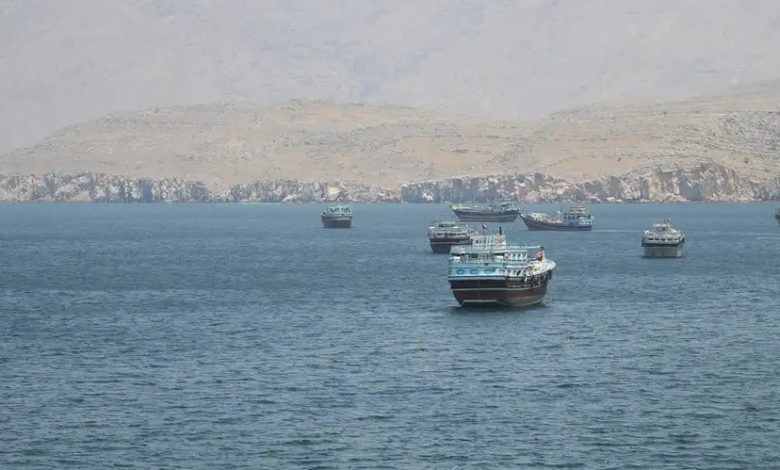
The closure of the Strait of Hormuz continues to send shockwaves throughout the global economy, creating significant disruptions, particularly in Asia. These disruptions span various sectors, affecting gas and energy costs, cooking fuel availability, and fertilizer supplies. However, the shipping logjam in the Persian Gulf is also triggering unforeseen consequences, as exemplified by the recent Diet Coke shortage in India. This shortage, stemming from a scarcity of aluminum cans, highlights the intricate and far-reaching impacts of geopolitical events on everyday consumer goods.
The Strait of Hormuz: A Critical Chokepoint
The Strait of Hormuz is one of the world’s most strategically important waterways. Situated between Oman and Iran, it connects the Persian Gulf with the Gulf of Oman and the Arabian Sea. Its narrow width, at its narrowest point only 21 miles wide, makes it a critical chokepoint for global oil supplies. A significant percentage of the world’s oil passes through this strait daily, making it indispensable for the global energy market. Any disruption to traffic through the Strait can have immediate and substantial effects on global energy prices and supply chains. Ongoing tensions in the region, including geopolitical conflicts and maritime incidents, frequently threaten the stability of this vital waterway. The recent rise in ship insurance costs and the increased military presence underscore the precarious nature of maritime operations in the area. These factors contribute to the overall economic uncertainty and potential for further disruptions.
Economic Ripples Across Asia
The economic consequences of the Strait of Hormuz closure are particularly acute in Asia, which relies heavily on the Strait for its energy imports. Increased shipping costs, longer transit times, and supply chain bottlenecks have led to higher prices for essential commodities. Countries like India, China, Japan, and South Korea, which are major energy consumers, face significant challenges in securing stable and affordable energy supplies. The rise in gas and energy costs affects not only industries but also households, leading to inflationary pressures across the region. Additionally, disruptions to fertilizer supplies can impact agricultural production, potentially leading to food security concerns. The interconnected nature of global supply chains means that even seemingly minor disruptions in one sector can have cascading effects on others. For instance, the shortage of aluminum cans in India, driven by the closure, is a clear example of how a geopolitical event can affect the availability of consumer goods. Furthermore, the disruption to shipping routes affects various industries, including manufacturing, retail, and construction, exacerbating economic challenges.
India’s Diet Coke Dilemma
In India, the disruption caused by the Strait of Hormuz closure has manifested in an unexpected way: a shortage of Diet Coke. According to reports from the Reuters news agency, shops across India are struggling to keep Diet Coke on the shelves due to a scarcity of aluminum cans. This shortage has left many Diet Coke enthusiasts in a bind, as the beverage is not typically sold in plastic bottles in India, unlike in most other countries. This preference for aluminum cans has made the Indian market particularly vulnerable to disruptions in the aluminum supply chain. The Diet Coke shortage underscores the vulnerability of specific markets to global supply chain disruptions. While it may seem like a minor issue, it reflects broader challenges in maintaining a consistent supply of consumer goods in the face of geopolitical instability. This situation also highlights the importance of diversified sourcing and flexible packaging options to mitigate the impact of such disruptions. The incident serves as a microcosm of the larger economic challenges posed by the Strait’s closure, impacting both businesses and consumers alike.
The Aluminum Can Shortage Explained
The aluminum can shortage in India is a direct consequence of the broader disruptions in the global aluminum supply chain caused by the Strait of Hormuz closure. Suppliers have reported that some orders for aluminum cans are not being fulfilled due to the situation in the Gulf, which accounts for a significant portion of global aluminum production. With shipping routes disrupted and supply lines strained, the availability of aluminum has decreased, leading to increased competition and higher prices. This shortage disproportionately affects industries that rely heavily on aluminum packaging, such as the beverage industry. The specific preference for aluminum cans in the Indian Diet Coke market exacerbates the problem, as there are fewer readily available alternatives, like plastic bottles. The lack of alternative packaging options underscores the need for companies to diversify their supply chains and packaging strategies to mitigate the impact of future disruptions. The aluminum can shortage also illustrates the interconnectedness of global markets and the potential for localized disruptions to have far-reaching consequences. The situation calls for proactive measures to strengthen supply chain resilience and ensure the availability of essential materials.
Global Aluminum Production and the Gulf
The Persian Gulf region plays a crucial role in global aluminum production, accounting for approximately 9% of the total global output. Countries in this region, such as the United Arab Emirates and Bahrain, have invested heavily in aluminum production facilities, leveraging their access to cheap energy and strategic location. These facilities produce a significant quantity of primary aluminum, which is then used in various industries, including packaging, construction, and transportation. The closure of the Strait of Hormuz directly impacts the export of aluminum from this region, disrupting supply chains and leading to shortages in importing countries. The disruption affects not only the beverage industry but also other sectors that rely on aluminum. The global aluminum market is highly interconnected, and any disruption in one region can have cascading effects on prices and availability worldwide. The dependence on the Persian Gulf for aluminum production highlights the vulnerability of global supply chains to geopolitical events. The situation underscores the need for greater diversification of aluminum production sources and the development of alternative materials to reduce dependence on specific regions. Companies and governments must work together to mitigate the risks associated with supply chain disruptions and ensure the availability of essential materials.
A Diet Coke Celebration in New Delhi
Amidst the Diet Coke shortage in India, 25-year-old marketing and design consultant Gupta from New Delhi decided to turn the situation into an opportunity for fun. Describing herself as an “avid drinker” of Diet Coke, Gupta organized a party celebrating the drink, initially expecting only a small turnout. Gupta’s initiative reflects a creative and humorous response to a frustrating situation. While the Diet Coke shortage is a real problem for many consumers, Gupta’s party demonstrates the ability to find humor and community in shared experiences. The event also serves as a reminder of the cultural significance of certain consumer goods and the emotional connections people form with brands. The Diet Coke celebration in New Delhi highlights the importance of consumer engagement and the ability of brands to foster a sense of community. Even in the face of supply chain disruptions, brands can maintain positive relationships with their customers by acknowledging their concerns and offering creative solutions.
Alternatives and Consumer Responses
In response to the Diet Coke shortage, consumers in India are exploring various alternatives. Some are switching to other soft drinks, while others are seeking out imported Diet Coke, which may be available in limited quantities. Some consumers are also trying to reduce their overall consumption of soft drinks. The consumer response to the Diet Coke shortage highlights the adaptability of consumers and their willingness to explore alternatives when their preferred products are unavailable. The situation also underscores the importance of offering a variety of product options to cater to different consumer preferences. Companies that can quickly adapt to changing market conditions and offer alternative products or packaging options are better positioned to weather supply chain disruptions. The Diet Coke shortage may also lead to long-term changes in consumer behavior, with some individuals opting for healthier beverage choices or reducing their overall consumption of sugary drinks. The evolving preferences of consumers will drive innovation and competition in the beverage industry.
Broader Impacts on the Beverage Industry
The Diet Coke shortage in India is indicative of broader challenges facing the beverage industry. Supply chain disruptions, rising raw material costs, and changing consumer preferences are all impacting the industry’s profitability and growth prospects. The industry must adapt to these challenges by diversifying its supply chains, investing in sustainable packaging solutions, and developing new products that cater to evolving consumer tastes. Companies are also exploring innovative technologies, such as blockchain, to improve supply chain transparency and traceability. The beverage industry is also facing increased regulatory scrutiny, with governments around the world implementing taxes on sugary drinks and restrictions on advertising. These regulations are aimed at promoting healthier lifestyles and reducing the consumption of unhealthy beverages. The industry must engage with policymakers to develop responsible and effective regulations that support public health goals without stifling innovation and growth. The long-term success of the beverage industry depends on its ability to adapt to these challenges and create value for consumers while operating in a sustainable and responsible manner. Similar disruptions have affected various industries, impacting areas from education technology to space-based internet services.
Geopolitical Implications and Future Outlook
The Strait of Hormuz remains a potential flashpoint for geopolitical conflict, and its closure has significant implications for regional and global stability. The ongoing tensions between Iran and other countries in the region, including the United States and Saudi Arabia, could lead to further disruptions in maritime traffic. A prolonged closure of the Strait would have devastating consequences for the global economy, leading to higher energy prices, increased inflation, and potential recession. Diplomatic efforts to de-escalate tensions in the region and ensure the safe passage of ships through the Strait are crucial. International cooperation and a commitment to peaceful resolution of disputes are essential to maintaining stability in the region. The future outlook for the Strait of Hormuz remains uncertain, but the potential for further disruptions underscores the need for proactive measures to mitigate the risks. Governments and businesses must work together to strengthen supply chain resilience, diversify energy sources, and promote regional stability. The United Nations and other international organizations have a critical role to play in facilitating dialogue and promoting peaceful solutions.
Potential Solutions and Mitigation Strategies
To mitigate the impact of potential future closures of the Strait of Hormuz, several solutions and mitigation strategies can be considered. Diversifying energy sources, such as investing in renewable energy and alternative fuels, can reduce dependence on oil from the Persian Gulf. Developing alternative trade routes, such as pipelines and railways, can provide alternative means of transporting goods and energy. Strengthening strategic petroleum reserves can help buffer against supply disruptions and stabilize energy prices. Encouraging energy conservation and efficiency can reduce overall energy demand and lessen the impact of supply shortages. Promoting regional cooperation and dialogue can help de-escalate tensions and prevent future conflicts. Investing in maritime security and surveillance can enhance the safety of ships transiting the Strait. These solutions require coordinated efforts by governments, businesses, and international organizations.
| Impact Area | Specific Consequence | Mitigation Strategy |
|---|---|---|
| Energy Costs | Increased oil and gas prices | Diversify energy sources, strategic reserves |
| Supply Chains | Disruptions in aluminum and other materials | Diversify suppliers, develop alternative materials |
| Consumer Goods | Shortages of products like Diet Coke | Flexible packaging, alternative product offerings |
| Geopolitical Stability | Increased regional tensions | Diplomatic efforts, international cooperation |
Conclusion
The closure of the Strait of Hormuz continues to have widespread and multifaceted impacts on the global economy. From rising energy costs to shortages of everyday consumer goods like Diet Coke, the disruptions are being felt across various sectors and regions. The situation underscores the vulnerability of global supply chains to geopolitical events and the need for proactive measures to mitigate the risks. Diversifying energy sources, developing alternative trade routes, and promoting regional cooperation are essential to ensuring long-term stability and resilience. As the world navigates these challenges, it is crucial for governments, businesses, and international organizations to work together to find sustainable solutions and prevent future crises. The incident serves as a stark reminder of the interconnectedness of the global economy and the importance of addressing geopolitical risks to safeguard economic stability. Additionally, events such as North Korea enhancing its border artillery also highlight the unpredictable nature of global security, further compounding economic uncertainties.