Lebanese Christians Trapped in Security Zone Amid Crossfire
Lebanese Christians find themselves ensnared in a harrowing geopolitical nightmare, trapped within the tightly monitored confines of Israel’s newly established “security zone” in southern Lebanon. Numbering approximately 10,000, these residents are completely surrounded by heavily armed Israeli soldiers and the decimated, smoldering ruins of neighboring Shia villages. Cut off from the rest of their country, their daily reality is defined by acute isolation, persistent danger, and an impossible choice: stay in a combat zone or leave knowing they may never be allowed to return. This unprecedented crisis has transformed quiet, historically rich communities into active flashpoints of a broader regional war, leaving innocent civilians paying the highest price in a conflict they did not start and cannot control.
The Creation of Israel’s Security Zone
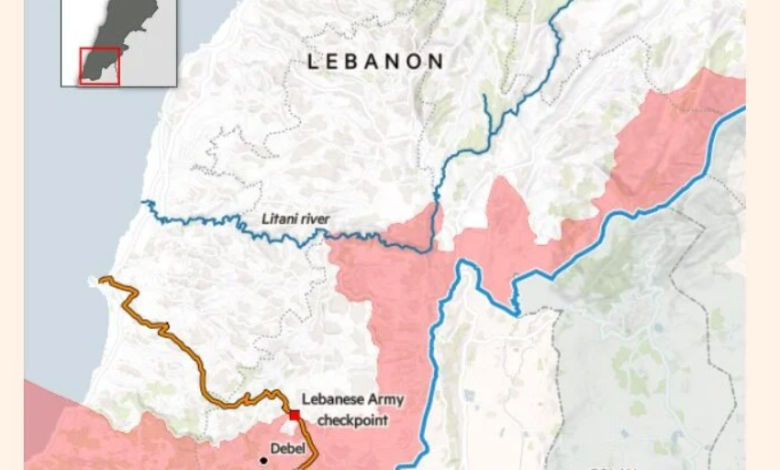
The establishment of this military buffer zone represents a significant escalation in the ongoing hostilities across the Blue Line. Following intensive military operations, Israeli Defense Forces (IDF) advanced into southern Lebanon, effectively carving out a heavily militarized perimeter designed to neutralize cross-border threats. In doing so, they enveloped several ancient Christian villages, isolating them from the Lebanese mainland. The infrastructure surrounding these towns has been systematically dismantled or destroyed during firefights, leaving the trapped population to navigate a landscape defined by rubble, military checkpoints, and constant surveillance.
For the roughly 10,000 residents caught within this cordon, the security zone is a sprawling, open-air detention center. Supply lines for food, fuel, and essential medicines have been severely compromised, creating a burgeoning humanitarian crisis. The IDF enforces strict movement controls, maintaining that such measures are necessary to prevent the infiltration of hostile militants. However, these restrictions mean that an entire civilian population has been functionally severed from their nation’s economy, government services, and familial networks. The psychological weight of this separation is immense, as residents watch their ancestral lands transform into a staging ground for a devastating proxy war.
A Community Under Siege: Life on the Frontlines
Life for those remaining inside the security zone is an exercise in profound endurance. For decades, the communities of southern Lebanon have weathered periods of instability, but the current siege is unprecedented in its severity. Residents cannot commute to work, children cannot attend school, and local businesses have entirely collapsed. The stark ultimatum facing these families is a grim one: the IDF permits civilians to flee northward, but strictly forbids any subsequent return. For these indigenous populations, abandoning their homes means surrendering their heritage, property, and generational roots—a price most are unwilling to pay.
Consequently, the community remains in a state of suspended animation, enduring nightly bombardments and the deafening roar of military aircraft. Movement outside of immediate residential boundaries is practically non-existent. Exceptions are granted solely for dire medical emergencies, and even then, navigating the bureaucratic labyrinth of military approvals often results in fatal delays. The structural integrity of the local healthcare system has crumbled, with clinics running dangerously low on basic antibiotics, trauma supplies, and chronic disease medications. The residents are essentially held hostage by circumstance, relying on dwindling stockpiles and the sheer will to survive in an environment where every day could bring a catastrophic escalation.
The Satellite Dish Tragedy: Three Lives Lost
The inherent dangers of living under continuous military occupation were violently underscored last month in an incident that sent shockwaves through the community. Three local men were killed by Israeli troops while attempting to repair a broken satellite dish on the rooftop of their home. In an area where communication networks have been heavily disrupted or outright severed, satellite television and internet remain vital lifelines to the outside world. The men were merely trying to restore this fragile connection when they were targeted and fatally struck.
The immediate aftermath of the killings highlighted the severe disconnect between military intelligence and civilian reality. The IDF quickly released a statement labeling the deceased as Hezbollah operatives engaged in hostile reconnaissance, citing the rooftop vantage point and the use of technical equipment as justification for the lethal strike. Local residents, grieving the sudden loss of their neighbors, fiercely contested this classification, asserting that the victims were ordinary civilians performing mundane household maintenance. This tragic event serves as a chilling testament to the zero-tolerance rules of engagement employed in the zone, where any civilian activity can be fatally misconstrued as a military threat.
Caught Between Two Opposing Forces
The tragedy of the satellite dish repairmen is emblematic of a broader, more insidious dynamic: these citizens are trapped in the crossfire of two deeply antagonistic forces, both of which view them with profound suspicion. While the IDF strictly controls their physical movements and occasionally targets them under the guise of counter-terrorism, factions on the other side of the conflict are equally hostile. Hezbollah supporters and allied political entities have increasingly engaged in rhetoric labeling the remaining residents as collaborators simply because they have not evacuated.
This dual victimization places the community in an impossible bind. If they interact with the occupying Israeli soldiers—even simply to negotiate passage for medical care—they risk being branded as traitors by militant networks in Lebanon. Conversely, if they attempt to maintain their Lebanese national identity and resist the occupation, they face the immediate, lethal retaliation of the IDF. As one desperately frustrated resident articulated, “We keep getting dragged into a fight that’s not our own.” They are being physically shot at by one side and rhetorically crucified by the other, stripped of their agency and used as political pawns.
Demographic and Economic Toll
The long-term implications of this siege threaten to permanently alter the demographic landscape of southern Lebanon. For centuries, the region has been a mosaic of religious and cultural diversity. However, the systematic isolation of these towns is triggering a slow but steady economic asphyxiation. Agricultural lands, the primary source of income for many families, have been designated as closed military zones, resulting in ruined harvests and the slaughter of livestock. This economic devastation is compounded by the political instability discussed during recent diplomatic engagements, such as discussions as Lebanon seeks ceasefire extension at Washington talks.
Furthermore, the crisis highlights the broader systemic failures within the Lebanese state, which has proven powerless to intervene on behalf of its besieged citizens. The internal political fracturing and the dominance of non-state actors have severely hampered any coordinated national response. This paralysis has amplified the voices calling for radical structural changes, aligning with growing calls for Beirut disarmament, where MPs push to remove all armed groups from civilian areas to prevent exactly this kind of exploitation and endangerment of marginalized populations.
Comparing the Impact: Conflict Statistics
To fully grasp the magnitude of the situation, it is necessary to examine the disparate impacts of the conflict on the various populations of southern Lebanon. The table below outlines the current realities for those trapped within the security zone compared to adjacent areas.
| Demographic Group | Current Status | Mobility Restrictions | Primary Threat Vector |
|---|---|---|---|
| Christians in Security Zone | Trapped (~10,000) | Medical Emergencies Only (One-way exit) | IDF airstrikes, Hezbollah accusations, starvation |
| Shia Villagers in Combat Zones | Largely Displaced / Villages Destroyed | Completely Blocked from Return | Intense ground combat, systematic demolition |
| Northern Lebanese Civilians | Hosting IDPs / Economic Strain | Unrestricted but economically paralyzed | Collateral economic collapse, infrastructure decay |
International Response and Human Rights Concerns
The international community’s response to the plight of these isolated civilians has been marked by deep concern, though it has thus far failed to translate into actionable relief. Human rights organizations have repeatedly sounded the alarm regarding the legality and morality of the Israeli security zone. The strict blockade on food, water, and medical supplies, coupled with the lethal targeting of civilians performing non-combatant activities, constitutes a severe breach of international humanitarian law. Advocates argue that the policy of forcing residents to choose between permanent exile and surviving in a combat zone violates fundamental human rights protocols. For comprehensive reports on these violations, groups like Amnesty International continue to document the deteriorating conditions on the ground.
Moreover, the international financial and diplomatic apparatus has begun leveraging punitive measures against entities exacerbating the regional instability. These measures echo recent actions where sanctions saw seven militia commanders blacklisted by OFAC, reflecting a broader strategy to choke off the logistical networks fueling the continuous cross-border violence. However, for the families huddled in the dark, waiting for the next drone strike or artillery barrage, these high-level diplomatic maneuvers offer little immediate comfort.
What Happens Next for Southern Lebanon?
The immediate future for these 10,000 citizens remains terrifyingly uncertain. Without a comprehensive ceasefire or a negotiated humanitarian corridor, the community faces the very real prospect of total demographic erasure. The resilience of the residents is remarkable, but resilience alone cannot intercept a missile or conjure antibiotics out of thin air. The resolution of this specific micro-crisis is inextricably linked to the macro-political maneuvers of the Middle East. As global leaders prepare for the upcoming Lebanon summit, despite President Aoun denying refusal to meet Netanyahu, the fate of the security zone’s captives hangs precariously in the balance.
Ultimately, the story of these civilians is a grim reminder of the human cost of territorial warfare. They are a community that has refused to be uprooted, paying an unimaginable price for their devotion to their ancestral homes. Until the international community can enforce a meaningful cessation of hostilities and restore sovereign borders, they will remain exactly where they are: trapped, terrified, and waiting for a dawn that seems further away with each passing day.