Boston Mayor Wu’s $500 Wellness Vouchers Spark Outrage Amid Deficit
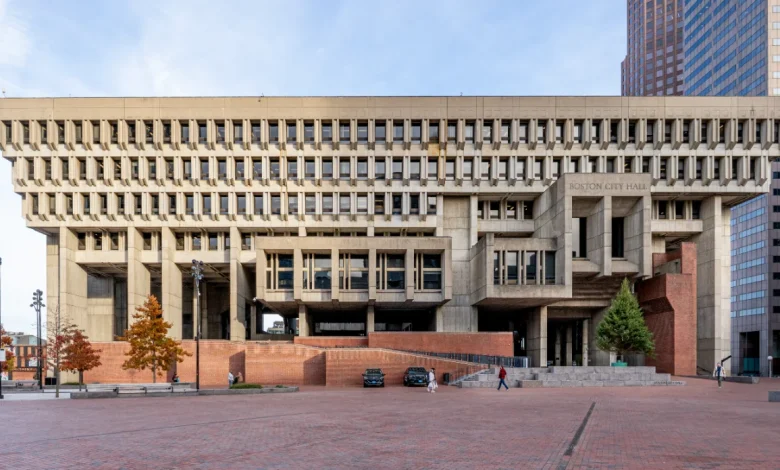
Boston taxpayers are currently navigating a contentious debate regarding the allocation of city funds, as a stark juxtaposition in municipal spending has ignited fierce political and public scrutiny. Mayor Michelle Wu has authorized the distribution of $500 wellness vouchers specifically targeted at low-income queer and trans migrants. These vouchers are intended to be used for holistic and alternative health services, including therapeutic massages, acupuncture treatments, and gym memberships. The initiative is fully funded and managed by the city’s Immigrant Advancement office, a specialized municipal department designed to facilitate the integration and well-being of newly arrived populations. However, the timing of this progressive wellness initiative could not be more controversial. At this exact moment, the municipal government is staring down a daunting $48 million budget deficit that threatens the stability of essential public services across the metropolitan area. The financial strain has reached a critical tipping point, leading to severe austerity measures, the most alarming of which includes impending mass layoffs of educators within the public school system. This sharp contrast between funding alternative wellness treatments for non-citizens and issuing pink slips to public school teachers has created a volatile political environment, forcing residents and policymakers alike to critically reevaluate the city’s operational priorities and fiscal responsibilities.
Boston Mayor Michelle Wu’s $500 Wellness Voucher Program Explained
The wellness voucher initiative championed by Mayor Michelle Wu represents a highly specialized approach to municipal public health and equity. The program distributes $500 stipends to a highly specific demographic: low-income individuals who identify as both LGBTQ+ (queer and trans) and are recent migrants or refugees. The stated goal of this initiative is to address the unique, compounding traumas experienced by this specific subset of the population. Migrants who flee their home countries due to persecution based on their gender identity or sexual orientation often arrive in the United States with severe psychological and physical scars. The administration argues that traditional medical interventions sometimes fail to address the holistic needs of these individuals, making alternative therapies not just beneficial, but medically necessary. By providing access to non-traditional wellness modalities, the city hopes to foster deeper community integration and accelerate the healing process for some of its most vulnerable new residents.
The Role of the Immigrant Advancement Office
Spearheading this controversial initiative is the Mayor’s Office for Immigrant Advancement, a department whose mandate has steadily expanded under progressive leadership. The office is officially tasked with ensuring that immigrants in the city have equitable access to resources, legal protections, and civic participation pathways. Historically, such offices focused primarily on language access, housing assistance, and legal aid for navigating the complex federal immigration system. However, under the current administration, the office’s portfolio has broadened to include direct financial assistance and holistic wellness programs. The funding for these $500 vouchers is reportedly drawn directly from this department’s allocated municipal budget, which is sourced from local tax revenues and supplementary grants. Proponents of the office’s expanded role argue that true advancement requires addressing mental health and physical well-being, while critics argue that the office is severely overstepping its original mandate by acting as a supplementary health and human services provider without the requisite oversight or fiscal restraint.
Qualifying for Massages, Acupuncture, and Gym Memberships
The specifics of the voucher utilization have drawn particular ire from conservative critics and financially strained taxpayers. The $500 stipends are not restricted to essential medical care, pharmacy copays, or emergency housing. Instead, they are explicitly authorized for use at local wellness centers, massage therapy clinics, acupuncture studios, and fitness facilities. The qualification process requires applicants to demonstrate low-income status, verify their identity as queer or trans, and confirm their status as a migrant. Once approved, the funds are disbursed in a manner that allows recipients considerable autonomy in selecting their preferred wellness providers. The administration defends this autonomy as a core tenet of trauma-informed care, asserting that empowering marginalized individuals to choose their own healing modalities—whether that involves somatic experiencing through massage or physical strengthening at a local gym—yields better long-term mental health outcomes. Opponents, however, view these services as undeniable luxuries, completely inappropriate for taxpayer funding during a period of municipal financial distress.
The Financial Clash: Boston’s $48 Million Deficit
The intense backlash against the wellness vouchers is inseparable from the city’s current macroeconomic reality. The municipal government is facing an estimated $48 million budget deficit for the upcoming fiscal year, a financial chasm that threatens to disrupt core municipal operations. This shortfall is not the result of a single catastrophic event, but rather the culmination of shifting post-pandemic economic realities. The city relies extraordinarily heavily on commercial property taxes to fund its expansive budget. With the entrenched normalization of remote work, downtown office buildings have seen occupancy rates plummet, leading to drastically reduced commercial property valuations. As these massive office towers generate less tax revenue, the financial burden shifts towards residential taxpayers and forces deep cuts into municipal departments. The structural nature of this deficit means that it cannot be solved by temporary accounting maneuvers; it requires fundamental reductions in city spending and a painful recalibration of public services.
Impending Teacher Layoffs and School Budget Cuts
Nowhere is the sting of this budget deficit felt more acutely than within the public education system. As the city scrambles to balance its ledger, public schools have been ordered to implement devastating budget cuts. These austerity measures are directly translating into mass layoffs for educators, guidance counselors, and support staff. Entire academic programs, extracurricular activities, and special education resources are on the chopping block. The Boston Teachers Union and anxious parents are openly protesting these reductions, pointing out that classroom sizes will inevitably balloon while the quality of education rapidly deteriorates. The juxtaposition of these educational cuts against the funding of immigrant wellness programs has created explosive town hall meetings and furious public demonstrations. Teachers who have dedicated their lives to educating the city’s youth are receiving pink slips, while the city concurrently advertises taxpayer-funded gym memberships and acupuncture for non-citizens. This dynamic has severely fractured the traditional progressive coalition, pitting organized labor and public education advocates against immigrant rights organizations.
Taxpayer Reactions and Public Outcry
Everyday residents are expressing a profound sense of betrayal and frustration. Inflation, rising utility costs, and the general cost of living in the Northeast have stretched household budgets to the breaking point. Many working-class taxpayers are struggling to afford their own basic healthcare, let alone luxury wellness services like therapeutic massages and acupuncture. For these residents, the voucher program is not just a questionable policy; it is perceived as an insulting misallocation of the money they surrender to the city in the form of property and excise taxes. Social media platforms, local talk radio, and community message boards have been inundated with outrage. Citizens are demanding total transparency regarding how much money is being diverted to the Immigrant Advancement office and are calling for an immediate freeze on all non-essential municipal spending until the budget deficit is resolved and the impending teacher layoffs are fully rescinded.
Political Ramifications and Progressive Policy Scrutiny
Mayor Michelle Wu’s administration has long been recognized as a standard-bearer for left-leaning municipal governance. However, this current controversy is forcing a painful reexamination of these priorities. The voucher program is a direct reflection of progressive policies aiming to right past systemic wrongs, utilizing an equity-lens approach to redistribute public resources to the most marginalized intersectional groups. While this ideological framework is popular in academic and activist circles, its practical application during a severe financial crisis is proving to be a massive political liability. Critics argue that the administration has lost touch with the fundamental duties of a municipal government: picking up the trash, maintaining public safety, and funding basic education. By prioritizing highly niche, identity-based initiatives over broad-based civic necessities, the administration is inadvertently fueling a conservative populist backlash that could threaten the viability of the progressive movement in upcoming local elections.
Examining the Optics of Local Government Spending
In the realm of politics, optics frequently overshadow policy nuances. Regardless of the actual dollar amount allocated to the wellness vouchers—which represents a relatively minuscule fraction of the overall city budget—the symbolic weight of the expenditure is devastating. The visual of a city cutting funding for math and reading teachers while simultaneously issuing checks for marginalized groups to receive spa-like treatments creates a narrative of governmental incompetence and ideological capture. This situation highlights broader legislative disconnects where elected officials appear entirely insulated from the everyday struggles of their constituents. Political strategists warn that when taxpayers feel their basic needs are being ignored in favor of performative political gestures, trust in civic institutions rapidly collapses. Rebuilding that trust requires a stark pivot back to pragmatic, universally beneficial governance, a pivot the current administration seems hesitant to make.
National Context: How Other Cities Handle Migrant Funds
This controversy is not occurring in a vacuum. Major metropolitan areas across the United States, from New York City to Chicago to Denver, are grappling with similar challenges regarding migrant influxes and municipal budget constraints. However, most cities have strictly limited their migrant assistance to emergency shelter, basic food security, and urgent medical care. The decision to expand municipal assistance into the realm of alternative wellness and gym memberships makes this local administration an extreme outlier on the national stage. Other mayors who have faced public backlash over hotel shelters and debit card programs for basic necessities are quietly distancing themselves from this voucher initiative, recognizing the severe political toxicity of funding non-essential services during an era of widespread economic anxiety. This isolated approach places intense national media scrutiny squarely on the city, amplifying local administrative decisions into national partisan talking points.
Evaluating the Long-Term Economic Impact on Boston
Beyond the immediate political outrage, economists and urban planners are raising serious concerns about the long-term viability of the city’s financial trajectory. If the municipal government refuses to significantly curtail discretionary spending, the $48 million deficit could easily metastasize in subsequent fiscal years. To bridge the gap without cutting progressive social programs, the city may be forced to implement aggressive tax hikes on an already overburdened populace. This strategy carries severe risks. High-income residents and businesses, already frustrated by declining public services and soaring costs, may simply choose to relocate to neighboring suburbs or out of state entirely. This potential capital flight would further decimate the commercial and residential tax base, creating a catastrophic feedback loop of declining revenues and forced austerity. The situation mirrors the economic struggles and hidden costs facing everyday Americans, where the burden of systemic mismanagement is ultimately shouldered by the working middle class who lack the mobility to easily escape punitive local taxation.
Can the City Reconcile Wellness Equity with Fiscal Responsibility?
The ultimate question facing the administration is whether it is possible to balance a commitment to social equity with the cold, mathematical reality of municipal finance. Advocates for the wellness vouchers insist that cutting the program would be an act of cruelty against a deeply traumatized population and would not meaningfully alter the trajectory of a $48 million deficit. They argue that equity requires persistent investment, especially during difficult economic times. Conversely, fiscal conservatives and moderate Democrats argue that true equity means providing a high-functioning educational system for all children, regardless of their background, and that funding basic public services must always take absolute precedence over specialized, identity-based philanthropy. Reconciling these fundamentally opposing worldviews may be impossible, requiring the Mayor and the City Council to make definitive, agonizing choices about what kind of city they want to govern and who they ultimately answer to.
| Financial Area | Budget/Cost Impact | Target Demographic | Current Status |
|---|---|---|---|
| Wellness Vouchers | Funded via Immigrant Office | Low-Income Queer/Trans Migrants | Active Distribution |
| City Budget Deficit | $48 Million Shortfall | All Taxpayers | Unresolved |
| Public Education | Significant Funding Cuts | Students and Teachers | Impending Layoffs |
| Commercial Tax Revenue | Declining Valuation | Commercial Real Estate | Post-Pandemic Slump |
Looking Ahead: What This Means for Mayor Wu’s Administration
As the budget deadline approaches, Mayor Michelle Wu finds herself politically cornered. The administration must present a finalized budget that somehow placates the furious teachers’ union, reassures panicked commercial real estate developers, and maintains credibility with the activist base that propelled the administration into power. Every decision made in the coming weeks will be heavily scrutinized and will likely set the tone for the next mayoral election cycle. If the wellness vouchers are preserved while teacher layoffs proceed, the administration risks a catastrophic mutiny from organized labor, traditionally a bedrock of the local Democratic party. If the vouchers are rescinded, the administration risks alienating the progressive vanguard that views any retreat on equity as a moral failure. Ultimately, this fiscal and cultural flashpoint will serve as a definitive litmus test for the limits of progressive municipal governance in an era defined by extreme financial constraints and shifting economic realities.





One Comment