Tesla Semi subscription model reshapes trucking at ACT Expo
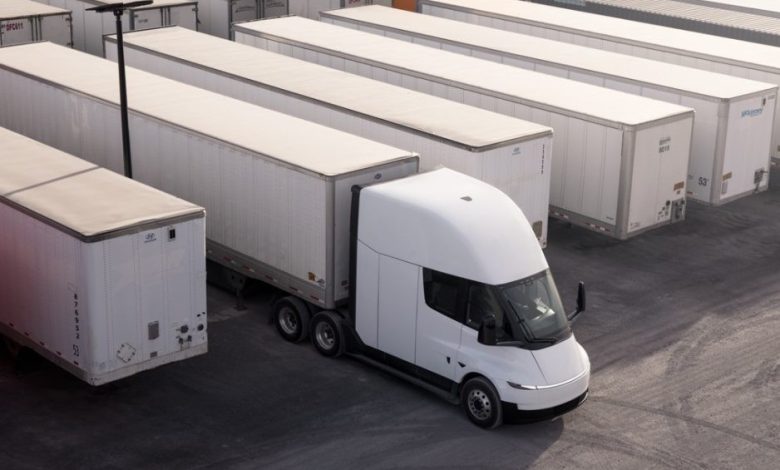
Tesla Semi subscription models have officially arrived, marking what is arguably the most disruptive paradigm shift in the history of commercial transport and freight logistics. Fleet operators have been sitting on the sidelines for years, analyzing the math, hesitating on pulling the trigger because buying EV trucks plus building out charging infrastructure is brutally expensive. Capital expenditures (CapEx) required to pivot an entire fleet away from traditional diesel internal combustion engines to a zero-emission electric ecosystem historically required millions of dollars in upfront funding. However, the commercial trucking industry witnessed a monumental earthquake at the ACT Expo 2026. The excuse that transitioning to electric freight is too capital-intensive has been completely obliterated. Netflix did it to movies. Spotify did it to music. Now, Tesla is doing it for trucking. By bundling the truck, the charging infrastructure, and the energy supply into one simple monthly payment, Tesla has effectively commoditized heavy-duty transport, completely removing the massive upfront cost that has throttled widespread EV adoption in the commercial sector.
Tesla Semi subscription: The Netflix of commercial trucking
Tesla Semi subscription mechanics fundamentally mirror the digital revolutions we have seen in media and consumer services, but applied to multi-ton physical logistics. For over a century, the commercial freight model has been aggressively rigid: companies purchase or lease diesel trucks, manage their own volatile fuel costs, and maintain the vehicles through extensive, highly unpredictable service cycles. The introduction of the subscription model fundamentally shifts the financial burden from a capital-heavy expenditure to a highly predictable operational expense (OpEx). The announcement delivered by Alyath at the ACT Expo 2026 outlined a comprehensive strategy where a single monthly payment covers every single variable that fleet operators traditionally had to piece together from disparate vendors. There is no longer a need to source vehicles from an OEM, power from a local utility, and charging hardware from a third-party manufacturer. This vertical integration allows Tesla to offer an ecosystem that functions seamlessly, guaranteeing uptime and performance while locking in long-term financial stability for the operator. The implications of this are staggering, allowing companies of all sizes to immediately upgrade their fleets to state-of-the-art electric vehicles without needing to secure massive commercial loans or deplete their cash reserves.
Breaking down the all-in-one monthly payment model
The core brilliance of the Tesla Semi subscription is its all-in-one approach. Historically, the transition to EV trucks was hampered by a fragmented supply chain. An operator would have to buy the truck, figure out how to install megawatt-scale chargers at their depots, and negotiate industrial energy rates with local utility companies. Tesla’s new model bundles the actual Class 8 vehicle, the Megacharger installation, and the electricity itself into one fixed invoice. This completely shields the operator from fluctuating energy markets and complex infrastructure deployments.
Eliminating the massive upfront cost barrier
Eliminating the massive upfront cost barrier is perhaps the single most important achievement of this new program. A single electric Class 8 truck can easily exceed two hundred and fifty thousand dollars. Adding the necessary fast-charging infrastructure, which requires heavy-duty transformers and site trenching, can push the initial investment per vehicle to nearly half a million dollars. For a fleet of fifty or one hundred trucks, the capital required is astronomical. Under the new subscription model, that upfront cost drops to zero. Companies simply pay for the utility and operation of the vehicle on a month-to-month basis. This democratization of zero-emission logistics means that mid-sized and even smaller regional fleet operators can now compete with massive multinational logistics conglomerates on equal footing, utilizing the exact same cutting-edge technology without the prohibitive financial entry barrier.
The 90-day implementation promise
One of the most jaw-dropping reveals by Alyath at ACT Expo 2026 was the 90-day implementation promise. Traditionally, upgrading a depot to support heavy-duty electric vehicle charging takes anywhere from eighteen to twenty-four months, primarily due to utility interconnect delays, permitting bottlenecks, and hardware supply shortages. Tesla has aggressively streamlined this process. By utilizing pre-packaged, containerized Megapack battery storage systems integrated with their charging hardware, Tesla can bypass many of the traditional grid-upgrade delays. Qualified customers are guaranteed to have their EV trucks and functional charging infrastructure up and running within 90 days of contract signing. This unprecedented speed to market fundamentally alters fleet planning timelines, allowing companies to respond dynamically to consumer demands and regulatory pressures regarding emissions.
How fleet operators benefit from predictable EV truck expenses
Predictability is the holy grail of logistics management. Diesel prices are notoriously volatile, subject to geopolitical tensions, refinery outputs, and global supply chain shocks. When a fleet operator signs up for the Tesla Semi subscription, they are not just securing a vehicle; they are securing a locked-in cost per mile for the duration of the contract. This allows for pinpoint accuracy in financial forecasting. With energy supply bundled into the monthly payment, the risk of energy price inflation is transferred entirely to Tesla. As we have seen in recent economic shifts where electricity bills soar under shifting political administrations, locking in commercial energy rates via a closed-loop subscription is an invaluable financial hedge. Operators can confidently bid on long-term freight contracts knowing their primary operational costs—fuel and vehicle depreciation—are absolutely fixed.
Charging infrastructure and energy supply logistics
The charging infrastructure and energy supply component of the subscription is a masterclass in vertical integration. Tesla isn’t simply acting as a middleman for local utility companies; they are deploying their own energy generation and storage solutions to guarantee the promised rates. Fleet depots are outfitted with Tesla Megachargers, backed by Megapack commercial battery systems, and frequently augmented with localized solar arrays. This microgrid approach not only ensures that the fleet has the energy it needs regardless of the macro-grid’s stability, but it also allows Tesla to arbitrage energy—pulling from the grid during cheap, off-peak hours, storing it, and deploying it to the trucks during peak operational times. This sophisticated energy supply chain management is what allows Tesla to offer such competitive, flat-rate monthly pricing without bleeding capital.
The strategic vision revealed at ACT Expo 2026
The presentation at ACT Expo 2026 was a watershed moment for the industry. Alyath took the stage and dismantled every single argument legacy automakers have used to justify the slow rollout of EV trucks. By declaring that ‘the excuse is dead,’ Alyath highlighted that fleet operators who fail to adopt this subscription model will rapidly find themselves non-competitive. The strategic vision is clear: dominate the commercial logistics market not just by building the best truck, but by offering the most frictionless financial and operational ecosystem. This move transforms Tesla from a mere vehicle manufacturer into an indispensable, foundational utility for global supply chains.
Subscription economics: Comparing costs for fleet operators
To truly understand the impact of this announcement, one must look at the raw numbers. The transition from product sales to recurring revenue models has enriched companies across multiple sectors, much like the subscription economics that revolutionized modern retail and digital services. Below is a comparative breakdown of traditional fleet operations versus the new Tesla Semi subscription model.
| Cost Category | Traditional Diesel Fleet | Traditional EV Purchase | Tesla Semi Subscription |
|---|---|---|---|
| Upfront Vehicle Cost | $150,000+ | $250,000+ | $0 |
| Infrastructure Installation | Minimal (Fuel Cards) | $100,000 – $250,000+ | $0 (Included) |
| Fuel / Energy Costs | Highly Volatile | Subject to Grid Rates | Fixed Monthly Rate |
| Maintenance & Service | High (Engine, Trans, Exhaust) | Low, but unpredictable | Included in Subscription |
| Deployment Timeline | Immediate | 18 – 24 Months | 90 Days |
Market implications for competitors and the global supply chain
The ripple effects of this all-in-one monthly payment model will be felt across the entire global supply chain. Legacy truck manufacturers like Freightliner, Volvo, and Peterbilt are suddenly facing an existential threat. They are structurally bound to traditional dealer networks and lack the integrated energy division required to offer a competing holistic subscription. Furthermore, massive retail corporations that rely heavily on complex logistics, similar to the operations detailed in recent retail logistics and market strategy reports, will heavily favor transport partners utilizing this predictable, zero-emission model to meet their own corporate sustainability goals and reduce transport cost volatility. If an operator can guarantee lower, fixed freight costs due to their Tesla subscription, they will instantly win contracts over legacy diesel operators who must pad their bids to account for potential fuel spikes.
The future of freight and logistics
In conclusion, the paradigm has permanently shifted. The era of complex, multi-vendor electric vehicle fleet deployments is coming to an end before it ever truly began at scale. By consolidating the truck, the charging infrastructure, and the energy supply into a single, predictable monthly payment, the friction of EV adoption has been entirely eradicated. The 90-day turnaround time guarantees that the commercial landscape will transform at an unprecedented pace. Fleet operators no longer have the luxury of sitting on the sidelines; the math unequivocally favors the subscription model. Just as the consumer market shifted irrevocably toward streaming services for convenience and cost-effectiveness, the heavy-duty transportation sector is now locked into a future defined by streamlined, all-inclusive operational expenditures. The trucking industry has been forever changed, and the roadmap for the next decade of sustainable global logistics has officially been drawn.