Major Versailles Summit: Macron Welcomes Trump for America’s Powerful 250th Anniversary Event
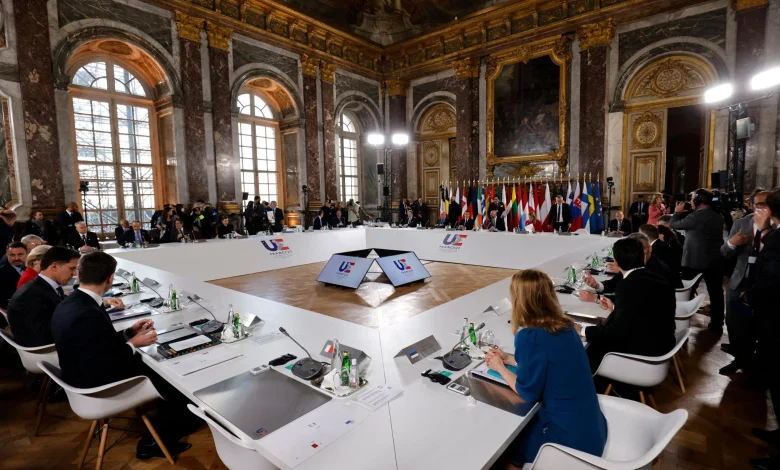
Table of Contents
Versailles became the epicenter of trans-Atlantic diplomacy on Wednesday night as French President Emmanuel Macron threw open the doors of Louis XIV’s historic palace to host his U.S. counterpart, Donald Trump. This exclusive, private reception, performance, and gala dinner was organized to mark America’s historic 250th birthday, serving as a masterclass in soft-power diplomacy. At a highly turbulent moment for the trans-Atlantic alliance, the grand gesture aimed to keep a personal, high-level channel of communication open between Paris and Washington as both leaders navigate profound, deep-seated differences on trade tariffs, the ongoing war in Ukraine, and escalating tensions in Iran.
The Soft-Power Spectacle of the Sun King
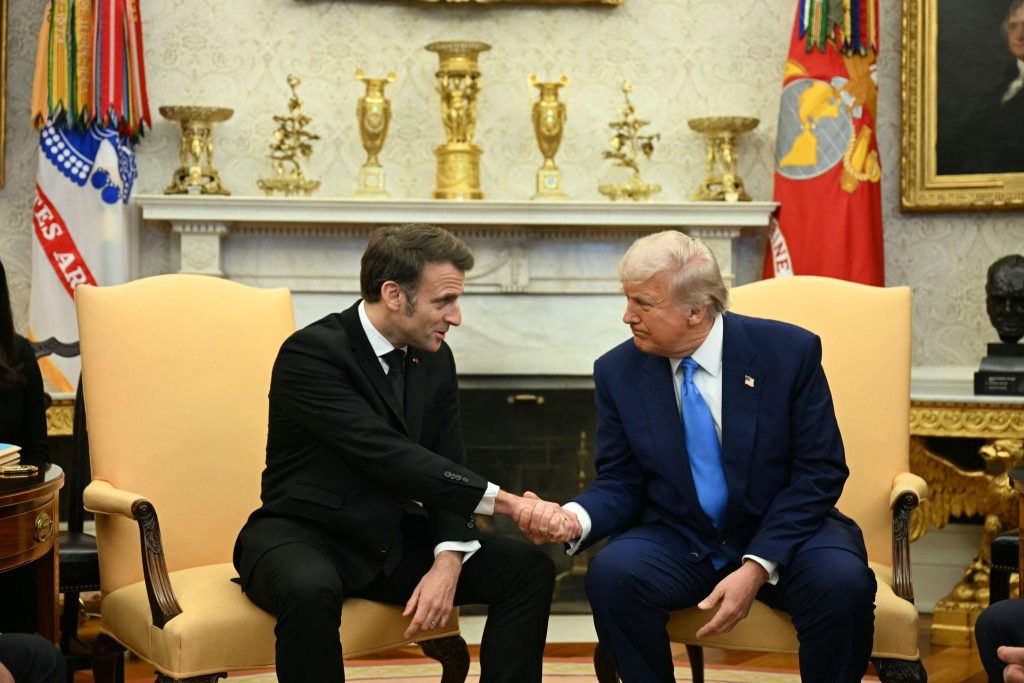
Emmanuel Macron’s decision to leverage the historical weight of Louis XIV’s primary estate is far from a mere aesthetic choice. It is perhaps the single most potent diplomatic lever available to a French president: utilizing the Hall of Mirrors, the vast manicured gardens of the Sun King, and centuries of polished national grandeur to disarm international counterparts. By showcasing the absolute pinnacle of French history, culture, and architecture, Macron created an environment that few world leaders could easily dismiss.
President Trump, who has frequently expressed an appreciation for grandeur and monumental architecture, did not hide his admiration. “I’m a fan of beautiful places,” he openly told reporters upon his arrival, confessing that he had originally planned to exit the G7 summit early—mirroring his controversial and abrupt departure from the Canadian summit last year. He remarked that it was “a very nice man” who invited him to the dinner, which ultimately altered his travel plans. Posing for photographers before the palace’s towering golden doors, Trump signaled that the historic venue had achieved exactly what French diplomats had hoped: it guaranteed his presence and attention.
Historically, the official Palace of Versailles historical registry shows that the estate has been used to solidify international treaties, receive foreign monarchs, and redefine global alliances. By aligning America’s 250th birthday—the Semicentennial of the Declaration of Independence—with the grandeur of Versailles, Macron tapped directly into the shared revolutionary history of the two republics. This historical connection, first forged by figures like Lafayette and Rochambeau, provides a romantic backdrop to mask what are otherwise highly contentious modern negotiations.
Navigating Geopolitical Rifts: Tariffs, Ukraine, and Iran
Behind the gilded doors and theatrical displays of camaraderie lies a battlefield of conflicting policy agendas. The relationship between Washington and its European allies has faced mounting strain over several core flashpoints, most notably trade policy and import duties. Trump’s protectionist agenda has long been a source of deep anxiety in European capitals. While European Commission leaders have attempted to negotiate, such as when von der Leyen responds to tariff threats by asserting that “a deal is a deal,” the threat of a full-scale trade war remains a pressing concern. European nations fear that unilateral import duties could destabilize global markets, even as court systems challenge the mechanisms of these taxes, such as when global tariffs deemed illegal created complex legal hurdles for the US administration.
Equally contentious is the ongoing security architecture of Europe. While France advocates for a strong, autonomous European defense framework and continuous, unwavering support for Ukraine, the US administration has increasingly signaled a desire to wind down financial commitments and push for rapid, negotiated settlements. This divergence threatens to fracture the unified front that NATO has maintained over the last several years. Macron’s private dinner was a calculated attempt to make the case for sustained Western cooperation, illustrating that European security directly underpins American economic stability.
Furthermore, Middle Eastern policy has driven a wedge between Washington and Paris. The escalating proxy and direct conflict involving Iran has sparked intense debates on containment versus diplomatic engagement. As European leaders warn of the huge costs of a potential conflict with Iran, Macron has worked to position France as a crucial mediator capable of maintaining security while preventing an all-out regional war. The Versailles dinner provided a quiet, distraction-free venue to discuss backchannel options that are impossible to debate in formal, press-heavy plenary sessions.
The Strategic Play: Keeping Trump at the G7 Summit
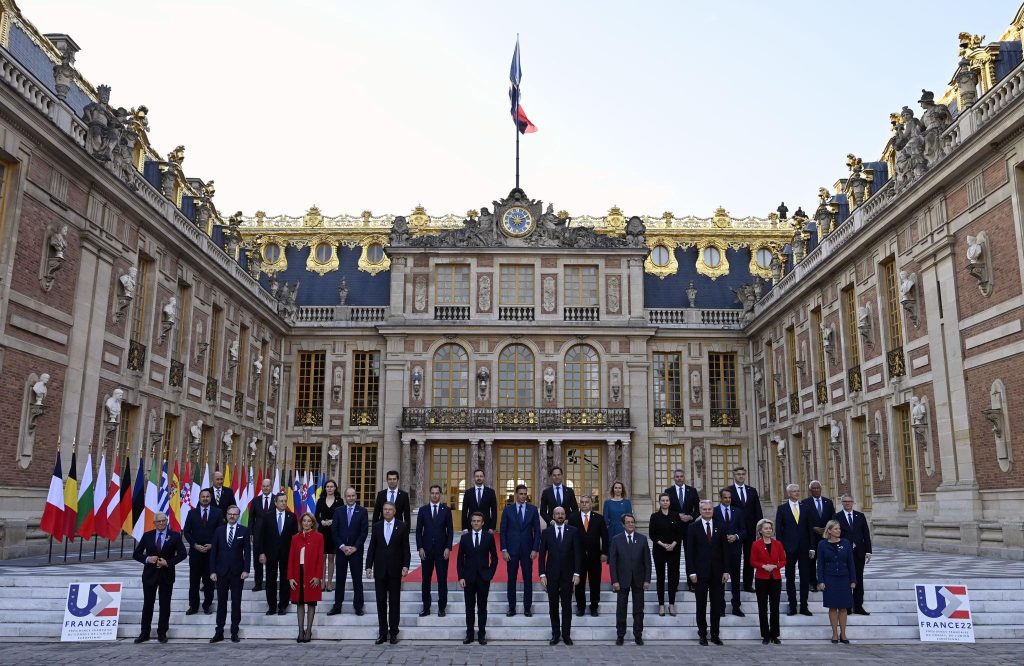
The timing of the Versailles reception was highly deliberate, designed to solve an immediate diplomatic headache for France. In an interview broadcast earlier in the week on France’s TF1 television network, President Macron made no secret of his tactical goals, stating bluntly that Trump “needs to stay until the end” to help finalize and sign the summit’s joint agreements. Past summits have shown that early departures by the US president can completely derail months of meticulous diplomatic legwork, leaving joint communiqués unsigned and creating a public perception of a fractured Western alliance.
By scheduling the lavish Versailles dinner right in the middle of the G7 schedule, Macron effectively created a golden anchor. Trump’s self-admitted susceptibility to luxury and grand hosting meant that leaving early would mean missing one of the most prestigious social events of the political calendar. This clever deployment of soft power neutralized the threat of an early exit, ensuring that the critical final negotiations on global trade, climate commitments, and defense pacts could proceed with the American delegation still at the table.
French-US Bilateral Alignment and Disagreements
To better understand the complex dynamics at play during this high-society dinner, the following table summarizes the key positions of France and the United States across critical geopolitical arenas:
| Issue Area | French Position (Macron) | U.S. Position (Trump) | Diplomatic Outlook |
|---|---|---|---|
| Global Tariffs | Advocates for free, rules-based multilateral trade; opposes unilateral import duties. | Favors protectionist “America First” tariffs to protect domestic manufacturing. | High friction; European Union preparing retaliatory measures if negotiations fail. |
| Iran & Strait of Hormuz | Supports maritime security and diplomatic containment to prevent regional war. | Favors maximum pressure, economic sanctions, and aggressive deterrence. | Moderate alignment on threat perception, major divergence on methods. |
| Ukraine Conflict | Urges long-term Western military and financial support for territorial sovereignty. | Pushes for immediate negotiated peace, skeptical of open-ended foreign aid. | Critical divergence; risk of a fragmented Western strategy. |
| European Autonomy | Promotes “strategic autonomy” to reduce absolute reliance on the US military. | Demands European allies pay more for defense; skeptical of multilateral treaties. | Tense; pushing Europe to accelerate its own defense spending programs. |
From Versailles to the Red Line: French Defense Leadership
France’s diplomatic strategy is not limited to soft-power dinner invitations. Macron has increasingly sought to demonstrate that Europe can act as a hard-power guarantor when global security is threatened. In the Middle East, particularly around critical shipping lanes, France has taken an active, leading role. For instance, as maritime tensions escalated in the Persian Gulf, Macron and Starmer lead defense mission initiatives designed to secure international trade against hostile actors without relying entirely on the US Navy.
This dual approach—combining top-tier diplomatic hosting with aggressive security initiatives—allows Macron to negotiate with Trump from a position of strength. By proving that France is willing to put its own military assets on the line to defend global trade and stability, Macron counters the persistent American criticism that European nations are merely free-riders on the security umbrella provided by Washington. This active defense posture lends additional weight to French arguments when discussing the future of NATO and Middle Eastern security during private discussions in the Hall of Mirrors.
Economic Consequences of Trans-Atlantic Friction
The economic stakes of these discussions cannot be overstated. Should the trans-Atlantic alliance splinter over trade and defense, the global economy could face severe disruption. For France, a trade war with the United States would jeopardize key export sectors, including luxury goods, aeronautics, and agricultural products. Conversely, an unstable Europe suffering from a lack of American security guarantees would lead to highly volatile financial markets, driving capital away from Western equities.
By hosting a dinner celebrating the 250th anniversary of American independence, Macron sought to remind Trump of the profound economic benefits that have flowed from the historic alliance. The shared commercial interests between the European Union and the United States form the bedrock of global commerce, a point that French business leaders have repeatedly emphasized. Finding common ground on tariffs is therefore not just a political necessity, but an economic imperative to prevent a synchronized global slowdown.
The Legacy of Transatlantic Soft Power
Ultimately, the Versailles reception served as a vivid reminder of the enduring power of classic diplomacy in an era increasingly dominated by digital communication and transactional politics. While a single dinner cannot instantly resolve structural differences on complex issues like import duties, Middle Eastern warfare, or European security, it establishes a reservoir of goodwill that can prevent disagreements from turning into outright hostility.
As the G7 summit draws to a close, the success of Macron’s tactical invitation will be measured by the final communiqués signed by the world leaders. By leveraging the unparalleled history and grandeur of Versailles, France successfully kept the American president engaged, proving once again that in the high-stakes theater of global geopolitics, soft power remains an indispensable tool of statecraft.