Brazil election music 2026: Lula and Bolsonaro clash with campaign grooves
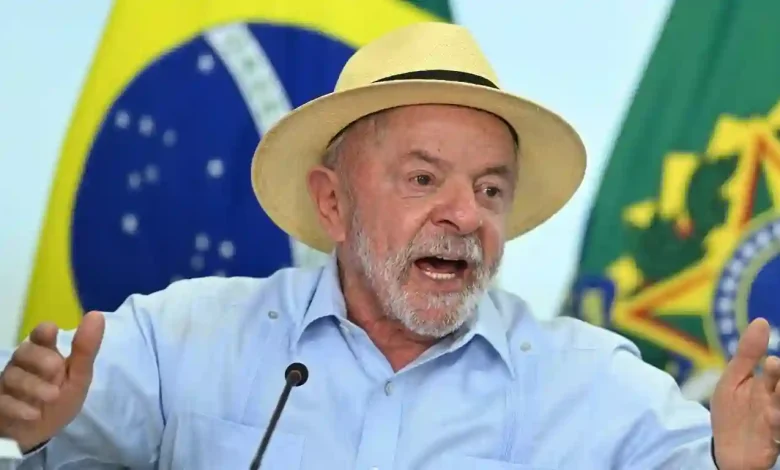
Table of Contents
Brazil election music has become the defining dynamic in the high-stakes campaign for Latin America’s largest democracy, as rival frontrunners turn to infectious rhythms to rally their core demographics. As presidential campaigns ramp up in Brazil, the frontrunners are making their pitches to voters in a medium the nation is famous for: irresistible grooves. President Luiz Inácio Lula da Silva has electrified his supporters with a nostalgic riff on a funk carioca classic, celebrating his working-class roots and deep-seated connection to the nation’s urban peripheries. Conversely, his leading conservative challenger, Senator Flávio Bolsonaro, has deployed a foot-stomping country anthem steeped in faith, traditional family values, and agribusiness pride. This musical duel is more than mere entertainment; it is a profound sonic representation of a deeply polarized nation.
In this article, we dive deep into the rhythmic clash defining the future of Brazil’s executive office. Use the links below to navigate our comprehensive analysis:
- The Sonic Battlefield of Brazilian Politics
- Why Music Defines Brazilian Electoral Identity
- Lula’s Working-Class Roots: Funk Carioca and Nostalgic Riffs
- Reclaiming the Favela Voice
- Flávio Bolsonaro’s Country Anthem: Sertanejo, Faith, and Rural Culture
- Mobilizing the Conservative Agribusiness Base
- The Strategic Contrast: Urban Groove vs. Rural Devotion
- Historical Context: The Power of the Jingle in Brazil
- Cultural Politics and Polarization
- Global Implications: Music as a Tool for Political Mobilization
The Sonic Battlefield of Brazilian Politics
Elections in Brazil have historically transcended policy papers and television debates, morphing instead into vibrant, sensory experiences. Sound trucks, known locally as trios elétricos, rumble through city streets blasting short, repetitive campaign songs that quickly become inescapable earworms. This highly charged environment means that the selection of a campaign soundtrack is a major strategic decision. While inflation threatens global economic stability and weighs heavily on Latin American markets, candidates in Brazil must balance serious policy debates with cultural showmanship to effectively connect with the electorate’s daily realities.
Music acts as a primary vehicle for democratic access in a country where literacy rates and media access have historically varied. A catchy rhythm can convey a candidate’s entire platform, background, and cultural affinity in a three-minute track. For the presidential campaign, the musical choices of President Luiz Inácio Lula da Silva and Senator Flávio Bolsonaro highlight two fundamentally different visions of Brazilian identity. Lula relies on the heavy syncopation and urban energy of the Rio de Janeiro favelas, whereas Bolsonaro looks to the booming, acoustic heartland of the agricultural interior.
Why Music Defines Brazilian Electoral Identity
In Brazil, musical preference is deeply intertwined with class, geography, and race. By choosing specific genres, candidates send immediate, non-verbal signals about which segments of society they represent. Furthermore, the Brazilian economy remains highly sensitive to international trade fluctuations, and any future domestic instability could align with potential U.S. economic shockwaves to derail local growth. In this precarious economic landscape, establishing a strong emotional connection with voters via cultural identity is key. Lula’s choice of funk carioca is a direct appeal to the urban poor and youth, while Bolsonaro’s country anthem addresses the wealthy agricultural elite and the highly religious middle class, making the musical battleground a mirror of the country’s demographic splits.
Lula’s Working-Class Roots: Funk Carioca and Nostalgic Riffs
President Luiz Inácio Lula da Silva’s campaign has turned to “Silva’s Rap” (Rap do Silva), a nostalgic remake of a 1995 classic from the baile funk scene of Rio de Janeiro. Written originally by MC Bob Rum, the track tells the poignant story of a regular working-class man striving for a better life. The refrain, “He was just another Silva,” relies on Brazil’s most common surname to establish an immediate, organic connection between the three-term president and the everyday citizen. By framing Lula as “another Silva,” the campaign masterfully celebrates his journey from a humble metalworker and union leader to a dominant figure of the global left.
The choice of funk carioca is both a cultural and economic statement. To protect domestic agricultural and manufacturing outputs, Brazil has historically utilized strict import license requirements, a policy topic that Lula’s labor-centric campaign frequently champions. By highlighting his working-class origin story through the sounds of the urban periphery, Lula reinforces his image as a defender of domestic industries and local labor against the forces of unregulated global capitalism. The song serves as a reminder of his administration’s historical social programs, which lifted millions of Silvas out of extreme poverty.
Reclaiming the Favela Voice
For decades, funk carioca was highly marginalized and actively criminalized by authorities who associated the electronic beats and raw lyrics of the favelas with criminal elements. Reclaiming this genre for a presidential re-election campaign represents a major cultural milestone. Just as the democratic primaries in the United States demonstrate the importance of party alignment and grassroots authenticity, the mainstreaming of funk carioca shows that the cultural voice of the margins can no longer be ignored by the political establishment. Lula’s marketing team is using this urban, youth-centric sound to mobilize progressive activists, turning local campaign events into high-energy street parties that emphasize solidarity and social justice.
Flávio Bolsonaro’s Country Anthem: Sertanejo, Faith, and Rural Culture
Senator Flávio Bolsonaro’s campaign has taken an entirely different musical path, deploying “Come With Faith” (Vem com Fé), a foot-stomping country anthem generated with the assistance of advanced artificial intelligence models. This track is rooted in sertanejo, Brazil’s equivalent of country music and currently the nation’s most dominant commercial genre. The song combines acoustic guitars, accordions, and heavy driving beats with lyrics that heavily emphasize evangelical devotion, traditional family structures, and patriotism. The video accompanying the track features sweeping views of vast soy fields, combines, and church congregations, casting Bolsonaro as the savior of Brazil’s soul and agricultural economy.
This technological approach to cultural marketing is highly deliberate. Modern digital campaign machinery operates at a blistering pace, optimizing visual content and algorithms much like Tesla leads China in EV sales by deploying advanced, data-driven consumer marketing. By utilizing AI to write and refine the melodies of “Come With Faith,” the Bolsonaro campaign has produced a hyper-optimized earworm tailored perfectly to the sensibilities of the conservative electorate. The song presents a clean, hopeful, and modern vision of the future, steering the narrative away from past controversies and focusing instead on traditional values.
Mobilizing the Conservative Agribusiness Base
The choice of sertanejo directly speaks to the powerhouse of the Brazilian economy: the agribusiness sector. The interior states, such as Mato Grosso, Goiás, and Paraná, have seen tremendous economic growth driven by soybean, beef, and corn exports. This ideological divide between urban progressives and rural traditionalists mirrors the political representation strategies seen in rural pockets of the global North, where cultural authenticity frequently overshadows complex policy. By leaning into sertanejo, Flávio Bolsonaro solidifies his alliance with wealthy landowners and evangelical pastors, presenting a unified front against the social liberalism and environmental regulations associated with the left.
The Strategic Contrast: Urban Groove vs. Rural Devotion
The stark musical divide between Lula and Bolsonaro highlights two fundamentally different, competing versions of Brazil. Lula’s funk carioca is communal, rhythmic, and urban; it represents the collective struggle of the working class living on the geographic and economic edges of Brazil’s major cities. Flávio Bolsonaro’s sertanejo is individualistic, faithful, and rural; it represents the prosperous agricultural frontiers and the rising middle class that prioritizes safety, religious freedom, and free-market policies. This cultural focus highlights how each campaign approaches social issues, especially as debates over labor laws and employee health benefit cost metrics become highly politicized.
A Comparative Breakdown of the 2026 Campaign Anthems
To better understand how these musical strategies function, let us examine their structural, lyrical, and political differences:
| Campaign Characteristic | Luiz Inácio Lula da Silva | Flávio Bolsonaro |
|---|---|---|
| Core Anthem Name | “Silva’s Rap” (Rap do Silva) | “Come With Faith” (Vem com Fé) |
| Primary Musical Genre | Funk Carioca / Baile Funk | Sertanejo (Brazilian Country) |
| Cultural Territory | Urban peripheries, favelas, working class | Interior heartlands, agribusiness hubs |
| Key Themes | Humble origins, labor roots, social inclusion | Faith, family, rural traditionalism, patriotism |
| Lyrical Anchor | “He was just another Silva…” | Evangelical devotion and country pride |
| Campaign Strategy Focus | Energizing progressive base & working-class youth | Consolidating agribusiness and conservative sectors |
Historical Context: The Power of the Jingle in Brazil
Political campaign music, or jingles, has been a cornerstone of Brazilian democracy since the mid-20th century. During the populist era of Getúlio Vargas, catchy compositions were utilized to humanize the president and broadcast state achievements to a vast, agrarian population. The return of democracy in the late 1980s saw the birth of the most famous jingle in Brazilian history: “Lula Lá” (Lula There), composed for Lula’s initial 1989 presidential run. The song’s hopeful melody and simple, poetic lyrics established a blueprint for political marketing that remains influential to this day.
The reliance on street-level, music-driven rallies differentiates Brazilian elections from political contests in other parts of the world. While institutional frameworks, party processes, and formal structures remain essential, the ultimate theater of Brazilian politics is the street. Candidates must prove they possess the “ginga”—the swing or charisma—to lead the nation, a trait that is frequently evaluated through their interaction with local musical cultures.
Cultural Politics and Polarization
The campaign is proving to be one of the most culturally polarized in modern history. The division between funk carioca and sertanejo is not merely a clash of playlists; it reflects deep societal divides regarding religion, gender, and economic priorities. The left accused the far-right of using AI and digital tools to bypass traditional regulations, while the right accused the left of promoting vulgarity and neglecting rural development. The use of generative AI models to compose political melodies demonstrates a rapid technological leap, matching the speed of commercial space launch growth in the privatized scientific landscape.
As these digital campaigns accelerate, the line between organic cultural movements and manufactured viral hits continues to blur. Social media algorithms, particularly on TikTok and Instagram, reward short, catchy audio clips, making the success of a campaign song a major factor in driving digital engagement. Both Lula’s and Bolsonaro’s teams are actively monitoring which segments of their songs are trending, constantly adjusting their visual assets to maximize online reach and turn online clicks into physical votes at the ballot box.
Global Implications: Music as a Tool for Political Mobilization
The musical battle between Lula and Flávio Bolsonaro offers valuable insights into how political communication is evolving worldwide. As traditional media channels lose influence, candidates are forced to rely on emotional, culturally resonant mediums to capture attention in a highly fragmented digital landscape. Brazil’s unique fusion of music and politics highlights how national identity can be mobilized to drive political action.
Ultimately, as the election approaches, the grooves of funk carioca and sertanejo will continue to echo through city streets and vast country farmlands alike. Whether voters choose the urban, labor-focused rhythms of “Silva’s Rap” or the traditionalist, faith-driven cadences of “Come With Faith,” the final outcome will reshape the political and economic trajectory of Brazil. The ultimate choice remains with the Brazilian people, who will express their democratic will in the medium they know best: through song, rhythm, and a shared vision of their nation’s future.