Import license requirements for U.S. customs and CBP import rules 2026
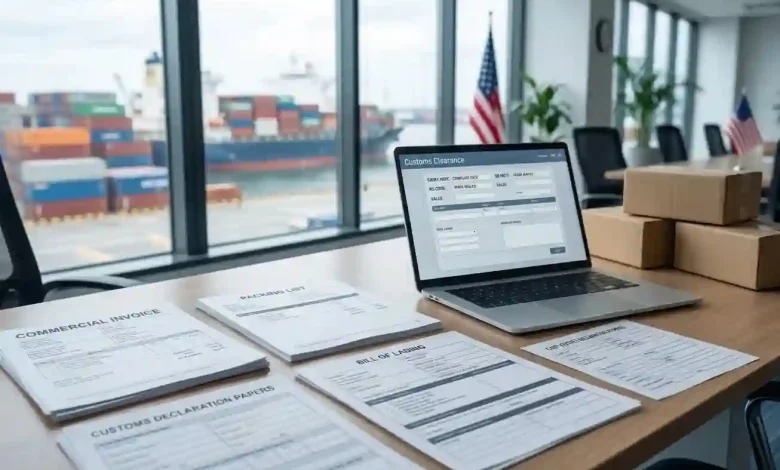
Table of Contents
Import license regulations play a vital role in determining how smoothly foreign commodities cross into the United States. While the federal government does not mandate a singular, all-encompassing credential for every single item shipped into the nation, specialized regulatory frameworks mean that certain classifications of goods face stringent oversight. For these targeted items, various federal departments require specific permits, licenses, or security clearances. Navigating these requirements effectively is paramount for maintaining a healthy and compliant commercial supply chain. Many entrepreneurs incorrectly assume that registering a standard business entity is sufficient to begin international trade, but federal agencies maintain tight supervision over the actual characteristics of the merchandise.
United States Customs and Border Protection (CBP) serves as the primary enforcement arm at all domestic ports of entry. Working in tandem with dozens of partner government agencies, CBP ensures that every import complies with safety, health, environmental, and security laws. As an importer, understanding which agency holds jurisdiction over your product is the most critical first step in preventing costly delays, seizures, or financial penalties. Navigating this vast regulatory matrix requires patience, thorough research, and a clear understanding of federal statutes.
The Critical Role of U.S. Customs and Border Protection (CBP)
CBP operates as the first line of defense at U.S. borders, airports, and sea terminals. Rather than issuing universal import licenses, CBP focuses on enforcing compliance across all imported cargo. When a shipment arrives, the importer of record must submit formal documentation detailing the nature, value, and origin of the cargo. The structural stability of global commerce is often influenced by external factors like international trade agreements and global diplomatic relations, making compliance with these standards even more critical for sustainable business growth.
CBP relies heavily on automated systems to analyze risks associated with incoming shipments. For those new to the field, the administrative burden can feel overwhelming. CBP offers general guidelines and standard procedures designed to help first-time importers comprehend tariff schedules, custom bond requirements, and intellectual property protections. Ensuring that your shipping paperwork perfectly aligns with federal laws is the key to minimizing examination times at busy ports of entry. Officers at ports of entry have wide latitude to examine cargo, request samples, and hold shipments that appear to violate domestic standards or intellectual property rules.
Understanding Formal versus Informal Entry
To successfully navigate CBP entry procedures, importers must distinguish between formal and informal entries. A formal entry is typically required for commercial shipments valued at $2,500 or more, or for any shipment containing restricted items that require agency permits regardless of value. This process demands a customs bond, which serves as a financial guarantee to the U.S. government that all duties and taxes will be paid. Formal entries require precise filings, including CBP Form 3461 (Entry/Immediate Delivery) and CBP Form 7501 (Entry Summary), which must be completed within strict regulatory timelines.
An informal entry, on the other hand, is usually processed for goods valued under $2,500 that do not require specialized licensing from other federal departments. While informal entries require less documentation, they are still subject to CBP inspection. Regardless of the entry type, having a clear understanding of the Harmonized Tariff Schedule (HTS) code is crucial for accurate classification and duty assessment. Misclassifying goods can lead to significant auditing complications and retroactive tariff obligations.
Determining If Your Products Require an Import License or Permit
In most instances, a general importer will not need to secure an explicit license to bring consumer goods into the United States. However, the exception quickly becomes the rule when goods touch on public safety, national security, domestic agriculture, or environmental conservation. If your business imports specialized goods, you must proactively identify which agencies regulate your inventory. For example, consumer items like clothing, standard furniture, and basic household items rarely need pre-approval, but items containing plant fibers, chemicals, or electrical components immediately trigger regulatory scrutiny.
Importers must realize that obtaining necessary permits must happen before the goods are shipped from their country of origin. Attempting to secure an import permit while your cargo is sitting at a U.S. port of entry will almost certainly result in the cargo being held, returned, or destroyed at your expense. Planning ahead and cross-referencing your goods with agency databases is a non-negotiable part of modern trade logistics. The responsibility falls solely on the U.S. importer of record to prove that all import requirements have been fully met prior to clearance.
Key Federal Agencies Governing U.S. Imports
Several specialized agencies collaborate with CBP to regulate specific product categories. Depending on the exact composition of your import, you may need to file declarations and submit licenses to one or more of these entities. Each agency has its own unique application systems, fee structures, and review timelines that must be accounted for in your supply chain schedule.
Food and Drug Administration (FDA)
The FDA monitors all imported foods, beverages, dietary supplements, cosmetics, medical devices, and drugs. To import these items, facilities must be registered with the FDA, and a Prior Notice must be submitted before the cargo arrives at the port. The FDA works closely with CBP to monitor the importation of medical biologicals and health regulations, ensuring that public health is not compromised by substandard foreign products. Failure to comply with FDA labeling and ingredient rules will lead to automatic detentions without physical examination (DWPE).
Environmental Protection Agency (EPA)
The EPA controls the importation of chemical substances, pesticides, hazardous wastes, and any machinery or vehicles that emit exhaust. Under the Toxic Substances Control Act (TSCA), importers of chemicals must submit a certification stating that the substances comply with domestic chemical control rules. Importers of engines or vehicles must also show EPA compliance certificates to avoid heavy fines. These regulations ensure that all imported items meet domestic air quality and toxic chemical safety standards.
Alcohol and Tobacco Tax and Trade Bureau (TTB)
For those looking to import alcoholic beverages or tobacco products, the TTB is the primary regulatory body. Importers must obtain a Federal Basic Permit under the Federal Alcohol Administration Act. Additionally, labeling requirements are extremely strict, requiring a Certificate of Label Approval (COLA) before these commodities can be marketed or distributed within U.S. borders. Importers also need structured financial backing, often requiring insight into commercial financial audits and transaction banking structures to manage capital flow, excise tax liabilities, and customs bond coverage.
Import License and Permit Requirements by Product Class
The following table provides a quick reference for product categories, their respective regulating agencies, and whether a permit or custom document is typically required for entry into the United States.
| Product Class | Primary Regulating Agency | Permit / License Required? | Key Documentation / Requirements |
|---|---|---|---|
| Food and Beverages | FDA / USDA | Yes (USDA) / Prior Notice (FDA) | Prior Notice confirmation, Phytosanitary certificates |
| Alcoholic Beverages | TTB | Yes | Federal Basic Permit, COLA labeling approval |
| Consumer Electronics | FCC / FDA (for lasers) | Varies | FCC compliance declarations, radiation safety reports |
| Chemicals & Pesticides | EPA | Yes | TSCA Certification, EPA Form 3540-1 |
| Pharmaceuticals & Devices | FDA | Yes | Establishment Registration, Device Listing numbers |
| Firearms and Ammunition | ATF | Yes | Form 6 Import Permit, Registered Importer status |
Essential Steps for Executing a Successful Import Strategy
To build a resilient and highly profitable import business, companies must follow a methodical approach. First-time importers often benefit from partnering with a licensed Customs Broker. These specialized professionals act as intermediaries between your business and CBP, preparing entry documents, calculating tariffs, and ensuring all agency permits are correctly filed. Working with a customs broker significantly reduces the likelihood of filing errors that could flag your company for future audit scrutiny.
Furthermore, securing a continuous customs bond is highly recommended for those planning multiple shipments throughout the fiscal year. A continuous bond remains active for one year and covers all entries made at any U.S. port of entry. In addition to securing financial backing, importers must implement comprehensive recordkeeping practices. Federal law requires that all documentation related to an import entry be retained for a minimum of five years from the date of entry, ready to be produced upon request by CBP auditors.
Navigating Global Logistics Challenges and Trade Realities
Modern importing is not just about compliance paperwork; it is deeply tied to global logistical stability. Importers of raw energy materials, for instance, must constantly monitor global political dynamics. For example, those dealing with raw energy goods must stay informed on fluctuating petroleum tariffs and oil prices to ensure pricing models remain sustainable when import taxes adjust. These shifting fiscal realities mean that an importer’s margins can quickly erode without strategic financial planning.
Geopolitical tensions can trigger sudden shifts in transit routes and insurance costs. These maritime logistical bottlenecks frequently occur around vital trade routes such as the Strait of Hormuz, which can lead to delayed cargo arrivals and sudden customs reassessments. Having a backup logistical plan and ensuring all import licenses are valid for extended durations is an excellent mitigation strategy against global volatility. Importers must build flexibility into their delivery pipelines to accommodate unexpected detours.
Technological Standards and Digital Goods Import Compliance
As consumer electronics and digital devices become increasingly integrated, regulatory oversight has expanded into data privacy and technical compliance. Any physical hardware designed to process user data must meet federal standards to prevent unauthorized data collection or security vulnerabilities. This rule applies heavily to high-tech goods, including advanced supply chain semiconductor technology and market investments, where intellectual property laws are strictly monitored by the International Trade Commission.
Similarly, importers of digital-enabled children’s devices must adhere strictly to digital platform compliance and safety policies. Under CBP regulations, any smart toy or connected educational device that fails to meet domestic consumer protection laws will be flagged at the port of entry and rejected. Ensuring your products meet both physical and digital compliance is essential in today’s interconnected global market. These regulations protect domestic networks and vulnerable user demographics from digital security breaches.
Avoiding Common Pitfalls in the Importation Process
One of the most frequent mistakes new importers make is relying on the foreign supplier’s claims regarding regulatory compliance. It is crucial to remember that the Importer of Record—not the foreign exporter—is legally responsible for the accuracy of all documentation submitted to CBP. If a supplier provides an incorrect HTS code or claims an item does not require an EPA certificate when it actually does, the U.S. importer bears the legal and financial consequences. You must independently verify all product certifications and never assume compliance.
Another common pitfall is failing to account for intellectual property rights (IPR). CBP actively targets counterfeit goods and items that infringe on registered trademarks, copyrights, or patents. If your import carries a brand name or trademarked logo, you must have explicit authorization from the trademark owner. Failing to provide this authorization can result in the immediate seizure and forfeiture of your entire shipment, along with substantial civil penalties. Protecting your business from IPR violations requires extensive due diligence during the pre-import phase.
Conclusion: Navigating the Complexities of U.S. Importing
Managing your import operations requires a proactive approach to regulatory compliance and international law. While most goods do not require a generalized import license, the specialized rules implemented by partner federal agencies demand close attention. By utilizing the resources provided by CBP, consulting with experienced customs brokers, and systematically evaluating your product’s specific requirements, you can build a highly resilient, efficient, and fully compliant international trade business. Continuous education and keeping abreast of shifting regulatory frameworks remain your best assets for long-term success.





One Comment