Mark Aaron Gatz Pleads Guilty to Arizona Forest Violations: 5 Key Facts
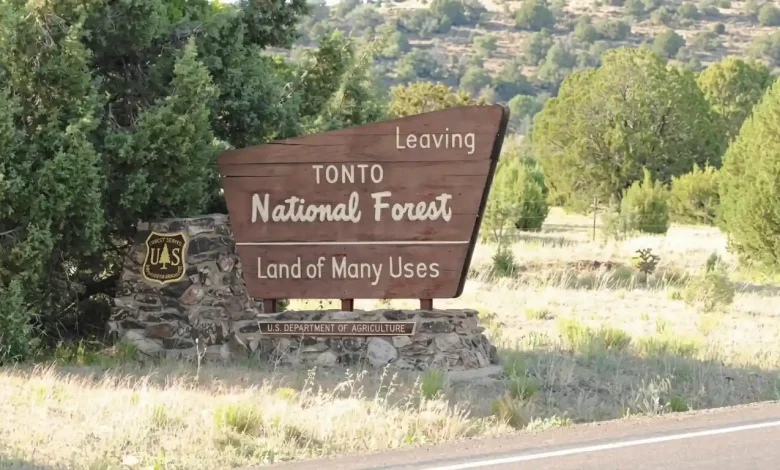
Table of Contents
Mark Aaron Gatz has pleaded guilty to federal charges of violating critical public land safety regulations, drawing widespread public attention to the growing challenges of unauthorized long-term residency and environmental degradation on protected federal lands. The 65-year-old Arizona resident entered his plea in federal court, bringing an end to an eight-year unauthorized stay in the Tonto National Forest. The case has sparked intense debate among conservationists, government authorities, and the public regarding the balance between the protection of natural ecosystems and the social realities of individuals living off the grid. Mark Aaron Gatz illegal camp, located in the scenic yet ecologically fragile Payson-Pine area, was described by federal authorities as one of the most severe residential violation cases seen in the region, featuring an accumulation of roughly half a ton of household waste and structural debris. This extensive report examines the legal details, environmental consequences, and regulatory implications surrounding the conviction of Gatz.
The Overstaying Case Mark Aaron Gatz of a Public Land Resident
The Tonto National Forest, Mark Aaron spanning nearly three million acres of diverse rugged terrain in central Mark Aaron Gatz , is the fifth-largest national forest in the United States. Renowned for its scenic beauty, recreational opportunities, and rich biodiversity, the forest attracts millions of visitors annually. However, managing this vast expanse presents significant challenges for the United States Forest Service (USFS), particularly concerning long-term residency. Federal regulations are designed to keep these public lands pristine, safe, and accessible to everyone on an equitable basis. Under standard USDA guidelines, visitors are restricted to a maximum stay of 14 days within any 30-day period. This rule is crucial for preventing resource depletion, allowing vegetation to recover, and ensuring that no individual establishes a permanent, unauthorized homestead on public property.
Despite these clear regulations, Mark Aaron Gatz established a permanent residency deep within the forest. According to investigators, Gatz spent approximately eight years living in the larger Payson-Pine area of the Tonto National Forest, with the final two years spent at a specific, isolated campsite near the communities of Strawberry and Pine. Over these years, Gatz effectively claimed public land as his private residence, disregarding multiple warnings and official citations from forest rangers. Law enforcement records reveal that Mark Aaron Gatz residency was not a stealthy, low-impact camp, but rather an increasingly complex and permanent homestead that expanded over time, causing significant long-term damage to the immediate forest floor and surrounding ecosystem.
Discovery of the Multi-Year Campsite
The discovery of Gatz’s campsite on June 25 was the result of routine patrols combined with escalating complaints from members of the public. Forest visitors, hikers, and local residents had reported seeing unauthorized large structures and massive piles of garbage accumulating in the woods. Acting on these tips, USFS officers navigated about half a mile down an unmarked dirt trail branching off National Forest System Road 1006. There, they encountered Gatz at his makeshift home. At the time of contact, officers observed an active, hot wood-burning fire in a three-foot-tall stone structure designed for cooking. This discovery was particularly alarming because Stage 2 fire restrictions were actively in place across the forest due to extreme wildfire danger. When questioned by officers, Gatz admitted that he was aware of the current fire restrictions but claimed he “had to have fire to eat”. The active campfire was not fully extinguished, posing an immediate hazard of sparking a catastrophic wildfire in a region already vulnerable to dry, windy summer conditions.
Environmental Damage and the Pile of Waste
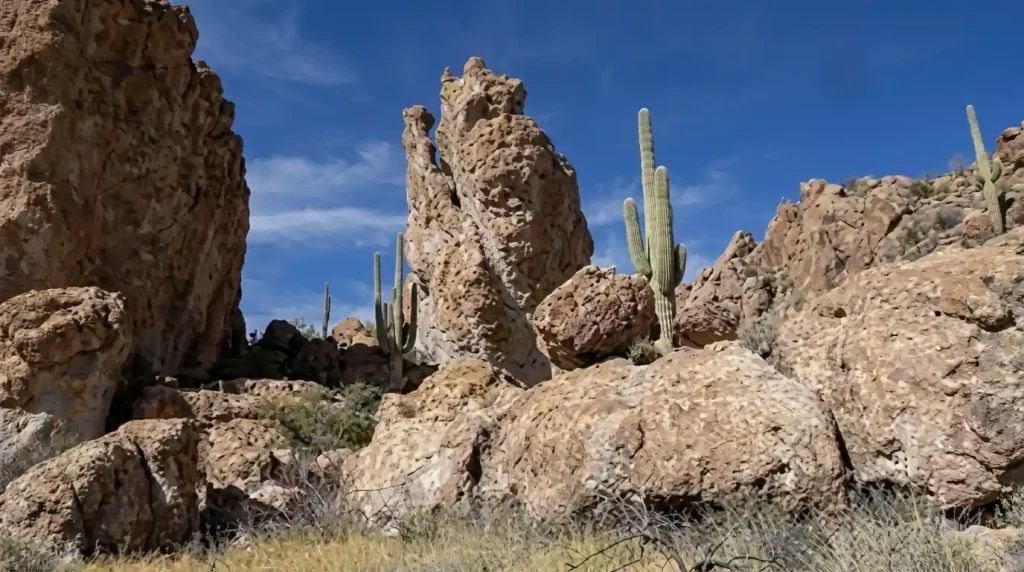
The ecological toll of Gatz’s long-term residency was severe, transforming a pristine half-acre section of the national forest into an illegal dumping ground. Forest Service officers who inspected the site expressed shock at the sheer volume of debris. A preliminary assessment by rangers estimated that Gatz had accumulated approximately 1,000 pounds (or 454 kilograms) of trash, construction materials, and personal belongings scattered across the forest floor. The long-term presence of this massive trash pile severely compacted the soil, destroyed local vegetation, and created major unsanitary conditions that threatened native wildlife. The accumulation of synthetic materials, chemicals, and plastics also posed a risk of contaminating local water runoff, which is a major concern for the watershed management of the Tonto National Forest.
To fully understand the scale of the encampment and the physical impact it had on the public land, it is helpful to look at a breakdown of the structural components and waste items documented by federal investigators at the scene. The following table provides a comprehensive summary of the physical state of the site at the time of Gatz’s arrest:
| Feature / Metric | Details and Observations |
|---|---|
| Location | Tonto National Forest, Payson Ranger District, near Strawberry-Pine, AZ |
| Estimated Waste Weight | Approximately 1,000 pounds (454 kilograms) of refuse and construction debris |
| Affected Land Area | Roughly 0.5 acres (0.2 hectares) of completely degraded forest floor |
| Residency Duration | 8 years total in Tonto National Forest; 2 years at the final Road 1006 site |
| Primary Structure | A four-foot-tall shelter constructed from wood panels built over an SUV |
| Cooking Facility | A customized 3-foot-tall stone fireplace and open coal cooking area |
| Hazardous Materials | Used motor oil (5 gallons), vehicle tires, and discarded lead-acid batteries |
| Fire Restriction Status | Violation of Stage 2 fire restrictions with an active, unextinguished fire |
Detailed Inventory of the Campsite
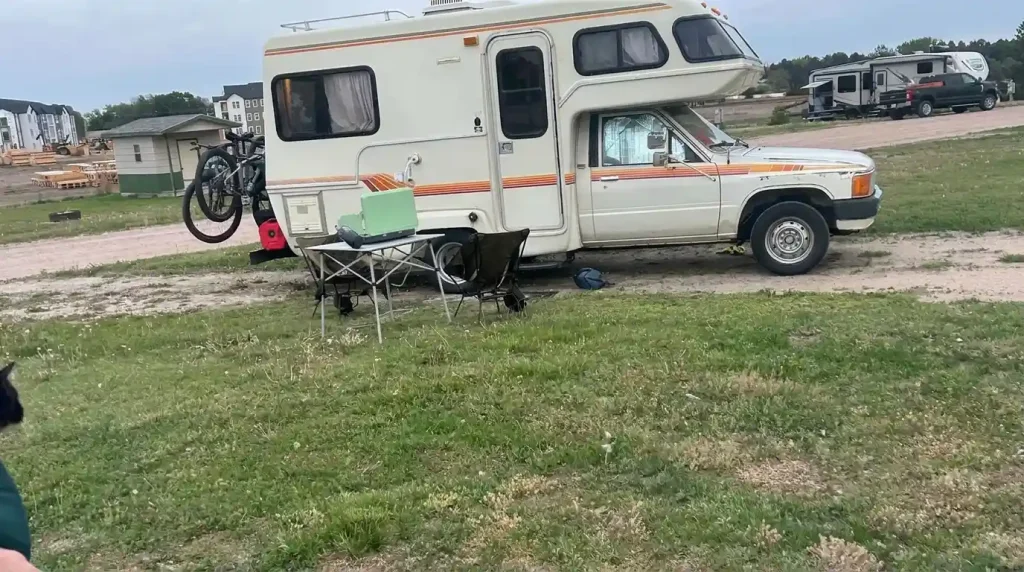
The detailed inventory compiled by federal prosecutors painted a vivid picture of the campsite’s scale. Mark Aaron Gatz Among the items scattered across the half-acre site were an SUV completely enveloped in heavy-duty tarps, a makeshift carport structure, and the stone cooking fireplace. Investigators also recovered three ladders, five 55-gallon steel and plastic barrels, between six and eight large plastic bags overflowing with household garbage, eight vehicle tires, four bicycle frames, and five gallons of motor oil. Additionally, there were loose plywood sheets, various construction materials, metal containers, aluminum cans, clothing, plastic cups, and culinary tools, including 10 to 12 frying pans. This extensive list demonstrates that Gatz was not merely passing through or camping temporarily, but had established a fully functioning, off-grid residential compound on protected federal land without any legal right or authorization to do so.
Legal Proceedings and the Plea Agreement Details
The legal actions against Gatz began immediately after his arrest on June 25. He was ordered held for trial as federal prosecutors prepared a comprehensive case against him. Initially, Gatz was facing an 18-count federal indictment that included charges for building illegal fires during Stage 2 restrictions, overstaying federal camping limits, leaving trash in unsanitary and exposed conditions, and occupying federal lands as a residence. A records check during his arrest revealed that this was far from Gatz’s first conflict with federal land managers. He had a lengthy history of non-compliance, including six outstanding federal arrest warrants for previous violations of residency and fire rules. U.S. Magistrate Judge Camille D. Bibles highlighted this history in a June 30 detention order, writing that Gatz had been living illegally on USFS lands and had repeatedly violated fire restrictions despite receiving prior warnings and citations.
Faced with the overwhelming evidence gathered by Forest Service investigators, Mark Aaron Gatz chose to enter into a plea agreement with federal prosecutors. On Monday, Mark Aaron Gatz pleaded guilty to two core offenses: violating fire restrictions and the unlawful residential use of a national forest without a permit. This plea agreement resolved the outstanding citations and warrants, consolidating his legal liabilities into a single structured judgment. By pleading guilty, Gatz avoided a lengthy trial and the potential for a severe multi-year prison sentence, which is often a possibility under federal guidelines for repeated, high-impact public land violations.
Sentencing Terms and Restitution Avoidance
The judgment against Gatz, filed on Tuesday in federal court, resulted in a sentence focused primarily on rehabilitation, public land exclusion, and behavior modification. Gatz was sentenced to time served along with probation. Additionally, he was ordered to pay a nominal criminal penalty of $20. Notably, the court waived the restitution fees, which could have reached up to $5,000 to cover the U.S. Forest Service’s cleanup and reclamation costs for the half-acre site. This waiver was granted after a determination of Gatz’s financial inability to pay such a substantial sum. As strict conditions of his probation, Gatz agreed to avoid visiting any national forests in the state of Arizona and to completely refrain from using cannabis. His legal counsel, along with the assistant U.S. attorney for the District of Arizona, did not immediately comment on the details of the plea agreement following the Tuesday night filing.
Federal Public Land Policy and Fire Restrictions
The conviction of Gatz underscores the critical challenges that federal agencies face in balancing public recreation with strict conservation efforts. Public lands, particularly in dry southwestern states like Arizona, are increasingly threatened by human activities, climate change, and human-caused wildfires. The stewardship of public lands is managed under strict guidelines by agencies such as the United States Forest Service. To understand the gravity of these rules, you can review the official regulations and visitor guidelines published by the Tonto National Forest, which detail the seasonal fire restrictions and camping limits that govern Arizona’s protected areas. These restrictions are not arbitrary; they are essential tools for preventing catastrophic wildfires that can destroy thousands of acres of forest, wipe out residential communities, and cost millions of taxpayer dollars to combat.
During dry summer months, Stage 2 fire restrictions are commonly implemented across Arizona. These restrictions prohibit building, maintaining, attending, or using a fire, campfire, charcoal, coal, or wood stove. Violating these rules is a federal misdemeanor, carrying heavy fines and potential imprisonment. In Gatz’s case, maintaining an active, unextinguished wood fire in a makeshift stone fireplace during a high-risk period was viewed as a severe public safety threat. The Forest Service’s zero-tolerance policy for fire violations during restrictions is a direct response to the devastating history of wildfires in the Southwest, many of which have been started by unattended or illegal campfires.
Rules of the Tonto National Forest
The Tonto National Forest enforces strict rules to protect its unique desert and mountainous terrain. The 14-day camping limit is one of the most vital regulations in place. It prevents individuals from establishing permanent encampments, which often lead to soil erosion, destruction of native plants, and accumulation of hazardous waste. When individuals exceed these limits, they prevent other citizens from enjoying these public spaces and place an immense burden on the natural ecosystem. In Gatz’s case, his eight-year residency resulted in the destruction of about half an acre of forest resources. The soil was compacted so heavily by the presence of structures and heavy trash that it may take decades for the native vegetation to fully recover and for the natural ecosystem to return to its original state.
Implications for Conservation and Law Enforcement
This high-profile case highlights the complex intersection of environmental conservation, law enforcement, and social issues. While Gatz’s living situation may raise questions about homelessness and the lack of affordable housing in rural areas, federal land managers must prioritize the preservation of public lands and the safety of surrounding communities. Managing illegal residential camps requires significant resources from the USFS, including law enforcement personnel, environmental scientists, and cleanup crews. The cleanup of Gatz’s campsite, which required removing nearly half a ton of hazardous and non-hazardous debris, represents a substantial expenditure of public funds. Moving forward, the USFS and federal prosecutors are expected to maintain strict enforcement of camping limits and fire restrictions, sending a clear message that public lands cannot be used as permanent, unregulated residential spaces.