Hamden Child Abuse Case: 16 Siblings Rescued From Rural Ohio Squalor
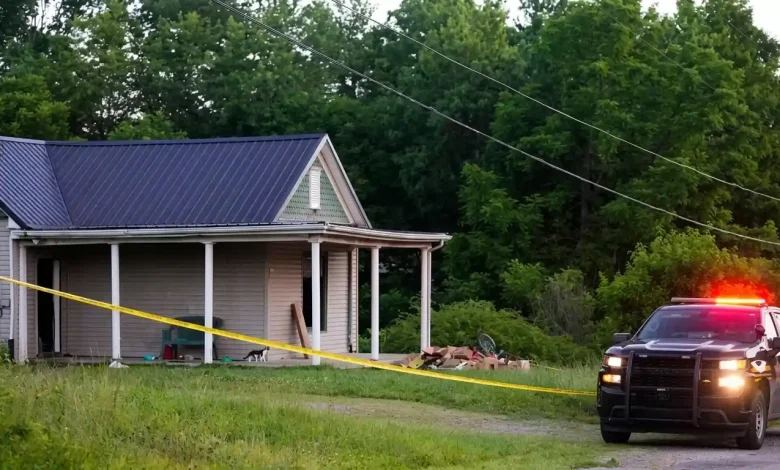
Table of Contents
Hamden, Ohio — A quiet southern Ohio village has been thrust into the national spotlight following a discovery so harrowing it has left local law enforcement and seasoned child welfare advocates shaken. In the small, close-knit community of Hamden, located in rural Vinton County, authorities rescued 16 siblings who were allegedly kept hidden in extreme squalor and confined to a single room for much of the past four years. The shocking details emerging from the Vinton County Sheriff’s Office and the Ohio Attorney General’s Office paint a grim picture of systemic neglect, familial isolation, and a complete failure of the community safety net. As the village of roughly 200 residents grapples with the realization that a massive tragedy was unfolding right under their noses, questions loom over how dozens of children could remain entirely invisible to the outside world for nearly half a decade.
The Discovery: An Unrelated Search Warrant
The rescue of the 16 siblings, ranging in age from 18 months to 18 years, was not the result of a targeted tip about child abuse or a neighbor’s call to protective services. Instead, it occurred entirely by chance on Tuesday, June 30, 2026. Investigators from the Ohio Bureau of Criminal Investigation (BCI) and the Vinton County Sheriff’s Office descended upon the dilapidated home on Ohmer Street in Hamden to execute a search warrant related to a completely unrelated investigation.
What they found inside was a scene of unparalleled horror. Ohio Attorney General Andy Wilson, speaking at an emotional press conference the following day, remarked that the evidence and the conditions inside the home were “beyond comprehension”. Wilson admitted that law enforcement had no idea they would encounter a single child, let alone sixteen, living in such extreme deprivation. The air inside the home was so rancid with the smell of human waste and decay that investigators reported feeling physically ill. “I cannot get the smell off of me,” Wilson told reporters, describing the lingering sensory trauma of the raid. The sheer scale of the neglect has forced local authorities to confront a reality they never anticipated in their small rural county.
Inside the House of Horrors: “More Like Feral Animals”
The physical and psychological condition of the rescued children has shocked medical professionals and the public alike. According to Vinton County Sheriff Ryan Cain, the 16 siblings spent the vast majority of the last four years confined to a single room measuring approximately 12 feet by 12 feet. Within this cramped space, the children lived surrounded by human waste, dirt, and severe decay. “Most of our livestock was kept in better conditions than these children,” Sheriff Cain stated bluntly during a press briefing, characterizing the residence as a “disgusting scene”.
When the children were brought out into the daylight, investigators noted they appeared “almost feral”. Severe developmental delays were immediately obvious. Some of the older children were entirely unable to speak or communicate verbally. Among the rescued was an 18-year-old female who is developmentally disabled; investigators revealed that she was unable to write her own name or perform basic cognitive tasks.
The physical toll of their confinement was so severe that emergency medical services had to coordinate a massive triage effort. Seven of the children were rushed to specialized pediatric hospitals in Columbus, with two of the most severely ill kids flown via medical helicopter. One child was admitted in critical condition, fighting for survival after years of acute nutritional and environmental deprivation. The remaining children were taken into immediate emergency custody by Vinton County Children Services, entering a long and complex road toward physical and psychological rehabilitation.
Who are the Accused? Parents and Grandparents Facing Felony Charges
In the wake of the rescue, law enforcement immediately arrested four adults living in the home. All four individuals are facing multiple felony charges of child endangerment, with local prosecutors warning that additional charges could be filed as the forensic investigation of the home and medical evaluations of the children continue.
The judicial proceedings against the Siders family have already begun, with bond hearings drawing intense local media coverage. The defense is expected to face an uphill battle given the overwhelming physical evidence documented by the Bureau of Criminal Investigation. When evaluating the judicial system in Ohio, highly publicized cases often put local agencies and the state’s legal framework under severe scrutiny, much like the scrutiny seen during the trial of Jason Meade in Ohio. This case will similarly test the boundaries of child advocacy and criminal prosecution in Vinton County.
The Legal Implications and Due Process
As the legal community watches the case unfold, defense attorneys for the four suspects will undoubtedly scrutinize every aspect of the state’s investigation, from the validity of the initial search warrant to the conditions of their pretrial confinement. While public outrage is at an all-time high, constitutional experts emphasize that maintaining the integrity of the judicial process is paramount.
The suspects’ defense teams will likely focus heavily on constitutional protections, raising arguments regarding the exact nature of the evidence seized and the potential bias of local juries. This intense focus on constitutional rights during high-profile arrests is a common strategy in the American legal system. Defense lawyers routinely challenge state-imposed restrictions and cite due process violations to protect their clients’ rights when facing intense public condemnation. Ensuring that the Siders family receives a fair trial, despite the horrific allegations, is essential to preventing any procedural errors that could jeopardize a potential conviction.
How Did 16 Children Go Unnoticed for Years?
The most haunting question reverberating through the village of Hamden is how 16 children could be kept in such extreme captivity without anyone sounding the alarm. Hamden is a tiny community where neighbors generally know one another, making the years-long isolation of an entire family seem impossible. However, investigators have identified several factors that allowed the abuse to remain hidden.
First, the family had a highly transient lifestyle over the past two decades. By frequently moving between different jurisdictions and rural areas, the parents successfully evaded the continuous oversight of any single local county’s social services. Each move essentially reset the clock, leaving no paper trail or history of concern for local child welfare agencies to track. Furthermore, because the children were never registered with local health clinics or pediatricians, there were no medical professionals to observe signs of neglect.
Education and Systemic Monitoring Gaps
Another critical vulnerability that the family exploited was the lack of educational monitoring. None of the 16 children were enrolled in the public school system, nor were they registered for formal homeschooling. In Ohio, as in many states, children who have never been enrolled in the school system can easily fall through administrative cracks. Without a school registration, truancy officers were never triggered, and teachers—who are mandated reporters of child abuse—never had the opportunity to interact with the children.
This complete absence of administrative visibility highlights massive gaps in how state and local agencies track children. The fact that an entire generation of siblings could exist completely detached from educational, medical, and governmental systems points to systemic monitoring deficits. These issues reflect a broader challenge in public administration, similar to the administrative oversight failures analyzed when the U.S. navigates global health information gaps. Without integrated databases and proactive tracking of school-age children, isolated families can continue to live entirely off the grid.
Community in Disbelief: A Rural Town Seeks Answers
The revelation of the abuse has left the residents of Hamden in a state of profound shock and grief. Neighbors who lived just yards away from the Ohmer Street home have expressed disbelief that such suffering was occurring so close by. Many reported occasionally seeing the parents, Gary and Elizabeth Siders, shopping at the local Dollar General, but noted they rarely, if ever, saw any children with them.
Ariel Gutierrez, an employee at the Hamden Dollar General who interacted with the parents regularly, described them as quiet customers who often shopped late at night, occasionally accompanied by only one child. “They seemed normal, just quiet,” Gutierrez recalled. This superficial normalcy allowed the family to blend into the background of the rural town. Local business owners, such as Emily Collins of VC Farm & Floral in nearby McArthur, lamented the tragedy, noting that such horrific neglect is entirely contrary to the tight-knit, supportive spirit of their community. The realization that they were unable to help the children sooner has left a heavy emotional toll on the entire village.
Summary of the Hamden Child Abuse Investigation
To understand the scope of the case, it is helpful to look at the key details compiled by law enforcement and medical teams. The following table provides a clear breakdown of the facts established during the initial phase of the investigation:
| Factor | Investigation Details |
|---|---|
| Location | Hamden, Vinton County, Southern Ohio |
| Date of Rescue | Tuesday, June 30, 2026 |
| Number of Victims | 16 siblings (ages 1.5 to 18 years old) |
| Confinement Area | Single 12′ x 12′ room for up to 4 years |
| Condition of Children | Extreme neglect, developmental delays, “almost feral” |
| Medical Status | 7 hospitalized, 2 airlifted, 1 in critical condition |
| Suspects Arrested | 4 adults (parents and grandparents) |
| Primary Charges | Felony child endangerment (multiple counts) |
Institutional Gaps and the Path to Rehabilitation
Addressing the long-term needs of the 16 rescued siblings will require an unprecedented coordination of resources. Pediatricians, child psychologists, and developmental therapists are working around the clock to assess the damage caused by years of isolation and confinement. For the children who are unable to speak, the rehabilitation process will involve intensive speech therapy and social integration.
Child welfare advocates argue that this case must serve as a catalyst for legislative reform. Currently, rural counties in Ohio are often underfunded and lack the resources necessary to conduct proactive community outreach. To prevent future tragedies, experts recommend implementing stricter registration requirements for homeschooling, creating centralized state databases for birth records, and increasing funding for rural social service agencies. For more information on child protection standards and national child welfare data, readers can consult the Associated Press, which continues to provide nationwide coverage of systemic reform efforts.
Conclusion: A Wake-Up Call for Rural Child Welfare
The Hamden child abuse case is a painful reminder that horrific neglect can occur in even the quietest, most picturesque communities. As the legal system moves forward with prosecuting the Siders family, the focus must remain on the healing and recovery of the 16 survivors. This tragedy has exposed critical gaps in our educational, medical, and social safety nets—gaps that allowed an entire family of children to remain invisible for years. If any good is to come from this devastating situation, it must be a renewed commitment from both neighbors and legislators to watch out for the most vulnerable among us. The village of Hamden will carry the scars of this discovery for a long time, but the hope is that the lessons learned here will prevent another “house of horrors” from ever being built.