Serena Williams Slams Anti-Doping Rules Before Wimbledon
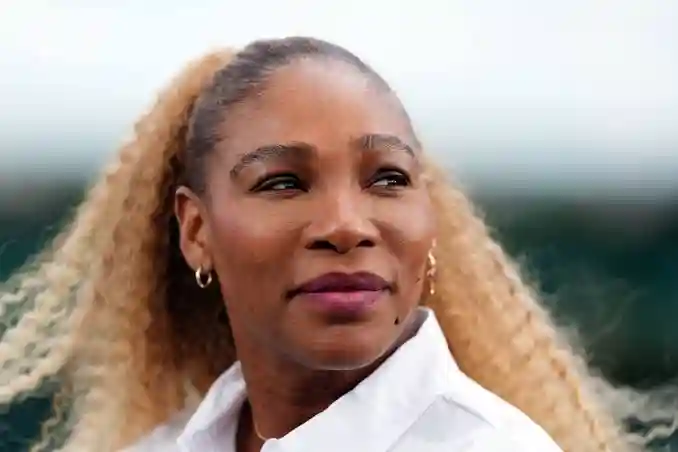
Table of Contents
Serena Williams has taken a public stand against tennis’ regulatory establishment on the eve of her historic Wimbledon comeback, labeling the sport’s anti-doping whereabouts requirements “unprofessional” and “unreasonable”. As she prepares for her first singles match at the grass-court Grand Slam since 2022, the 44-year-old sports icon opened up about the intensive physical, logistical, and mental challenges of complying with the International Tennis Integrity Agency (ITIA) guidelines, which she admitted nearly deterred her from returning to the sport altogether.
Serena Williams Confronts Anti-Doping Protocols
Speaking to the media in London ahead of the tournament’s opening matches, Serena Williams voiced deep frustrations regarding the strict administrative frameworks governing active professional athletes. Having re-entered the mandatory six-month testing pool prior to announcing her competitive return, the seven-time Wimbledon singles champion discovered a regulatory landscape that felt far more punitive and less accommodating than the one she left. Her experiences highlight a growing disconnect between governing bodies seeking absolute integrity and elite athletes trying to balance their careers with complex family and business dynamics.
According to the official guidelines of the International Tennis Integrity Agency (ITIA), any retired player seeking a return to sanctioned tournaments must make themselves available for random, unannounced testing for a minimum of six months before competing. Williams complied with this protocol starting in late 2025, but the day-to-day reality of the whereabouts system proved to be an exhausting process. The 23-time Grand Slam singles champion did not hold back in her assessment, noting that the mental strain of staying compliant was a massive barrier to her comeback.
The Realities of the Whereabouts Testing Pool
The “whereabouts” rules require players designated in the testing pool to provide detailed, up-to-date schedules of their daily locations. This includes a mandatory, pre-selected one-hour window every single day where they must be physically present at a specified location to undergo drug testing if officials arrive. Failing to be present during this self-selected hour counts as a “missed test”. Under current rules, accumulating three whereabouts failures (which include filing errors and missed tests) within a rolling 12-month period results in an automatic rule violation, carrying a potential multi-year ban.
Williams expressed frustration that the protocols have shifted in ways that leave athletes with little to no margin for error in their personal lives. “It’s grueling. They changed the rules now. I didn’t know some of the rules,” Williams explained to reporters on Sunday. “So apparently if you miss a test outside of your window, it still counts as missed. I’m like, I guess I can’t go pick up my kids”. This specific concern points to the broader debate about how regulatory agencies manage the logistics of real-world scheduling, particularly for parents and active business owners.
Maternal Dilemma: Balancing Motherhood and Stringent Compliance
For Williams, who is a mother of two and a prominent businesswoman, the demands of the testing pool clash directly with her daily maternal responsibilities. The reality of raising children and managing multiple international businesses means that her schedule is fluid and subject to sudden changes. If a tester arrives outside the pre-selected window, she explained, the pressure of feeling anchored to a single location can be paralyzing. “It’s unprofessional. I hate it. I think it’s necessary, but I think a lot of the stuff, if I want to go places outside of my window, I should be able to go without having it count as a missed test,” she remarked.
The tension highlights how modern professional tennis struggles to support athletes who do not fit the traditional mold of single, young, and highly centralized competitors. Since her “evolution” away from tennis in 2022, Williams has expanded her venture capital firm, Serena Ventures, participated in major global corporate boards, and dedicated her time to her family. When athletes transition from full-time competitors to managing diverse ventures, they must navigate highly demanding schedules and build complex global brands, ventures, and cultural and business legacies. Having to structure every day around a potential knock on the door, Williams argues, makes a return to professional sport unnecessarily difficult for veteran players.
Anti-Doping Whereabouts Rules: A Detailed Overview
In response to the criticism from Williams, the ITIA issued a clarifying statement, emphasizing that the core whereabouts rules have remained unchanged for several years and are designed to protect the integrity of the sport rather than to trip up players. The ITIA pointed out that if a tester is unable to locate a player outside of their designated one-hour window, it does not constitute a formal “strike”. However, the agency does retain the right to perform unannounced out-of-competition testing at any hour, which can still cause significant distress and confusion for athletes who feel they are constantly being monitored.
The table below provides a structured overview comparing the ITIA’s stated regulatory positions with the practical experiences and criticisms voiced by athletes like Serena Williams:
| Feature/Protocol | ITIA Official Regulation | Athlete Experience & Criticism |
|---|---|---|
| Daily 60-Minute Window | Must select 1 hour (between 5 AM – 11 PM) for mandatory availability. | Highly restrictive; requires perfect coordination with flights, training, and family obligations. |
| Out-of-Window Testing | Permissible at any hour. Missed attempts outside the selected window are not strikes. | Creates severe anxiety and confusion; players feel trapped and unable to perform daily duties (e.g., picking up kids). |
| Sanctions for Failure | Three “strikes” (filing failures or missed tests) in 12 months trigger a violation and ban. | The shadow of career-ending bans (e.g., Vondrousova’s 4-year ban) increases psychological strain. |
| Notification Policy | No-advance-notice testing is standard to maintain the scientific integrity of the program. | Disrupts personal schedules, family dynamics, and corporate travel for multi-faceted athletes. |
The Complexities of Athletic Comebacks After 40
Returning to elite professional sports at the age of 44 is an unprecedented physical and mental undertaking. Serena Williams, who is widely regarded as one of the greatest athletes in history, has already proved everything she ever needed to on the court. Her motivation for returning is driven entirely by passion and competitive spirit. However, the regulatory landscape she must navigate now is vastly different from the one she dominated in the early 2000s and 2010s. The psychological weight of anti-doping compliance adds a heavy administrative burden to an already intense training regimen.
Williams admitted that the sheer difficulty of managing these logistics almost prevented her from making this comeback at all. “That was a big reason why I didn’t want to come back either, because it’s just so hard,” Williams confessed. “I mean, my life is busy. I run a company, I run a VC company, I travel the world. I have children. It’s like I could be in so many different cities so many different times”. For a player who must coordinate global business trips, family commitments, and intensive tennis practice, the requirement to update an app with minute-by-minute geographical data can feel like an administrative nightmare.
Broader Implications for Professional Tennis
The timing of Williams’ remarks is particularly notable given the current climate of anti-doping enforcement in tennis. Just last week, the sport was rocked by the announcement that 2023 Wimbledon champion Marketa Vondrousova was handed a devastating four-year suspension for refusing an anti-doping test. This ruling sent shockwaves through the locker room, illustrating that even top-tier champions face career-ending consequences if they run afoul of the integrity protocols. It has also intensified the ongoing debate regarding whether the current rules are overly punitive and fail to account for the human element of elite competition.
While the ITIA maintains that these rules are essential for preserving the level playing field of professional tennis, some players argue that the system lacks empathy and practical flexibility. Many within sports law suggest that treating personal scheduling flexibility as a strike under unbending frameworks creates unconstitutional and overly rigid frameworks that ultimately hurt the longevity of tennis’ biggest draws, forcing legendary icons to consider retiring prematurely rather than deal with administrative overreach.
High-Profile Disputes and Institutional Rigidities
This tension between the stringent demands of bureaucratic institutions and the personal agency of individuals mirrors other modern high-profile disputes where operational control and individual rights clash under massive public scrutiny. In both entertainment and high-level athletics, institutions often demand absolute compliance with rigid, pre-established frameworks, sometimes ignoring the reality that the individuals subject to these rules are complex human beings with responsibilities that extend far beyond their primary professions.
As the ITIA defends its position, it is clear that a middle ground must be found to prevent other veteran stars from being locked out of the sport they helped build. If compliance rules remain so rigid that a mother cannot confidently leave her home to pick up her children without fearing a missed test strike, the sport risks alienating its most cherished ambassadors. The balance between ensuring clean sport and maintaining a humane, reasonable environment for the athletes remains one of the most pressing challenges facing modern tennis administrators.
The Road Ahead at Wimbledon 2026
Despite the off-court frustrations and administrative hurdles, Serena Williams is focused on what matters most: her performance on the grass courts of SW19. Her competitive return began earlier this month with doubles appearances at the Queen’s Club grass-court tournament and in Berlin, allowing her to dust off the competitive cobwebs and find her rhythm on the surface. Now, all eyes turn to the singles draw, where she is scheduled to face Australia’s rising star Maya Joint in the opening round on Tuesday.
The match promises to be an electric event, marking her first singles appearance since her emotional farewell at the 2022 US Open. Beyond her singles campaign, tennis fans will also be treated to a nostalgic reunion, as Serena is slated to team up with her sister Venus Williams in the doubles draw. While the physical and administrative hurdles of this 2026 comeback are immense, the passion that has defined Williams’ legendary career remains completely undiminished. As she steps onto Centre Court, she will seek to channel her frustration into fuel, proving once again why she is one of the ultimate competitors the world has ever seen.