4 Big Changes After Andy Burnham Wins Makerfield Amid Starmer Leadership Challenge
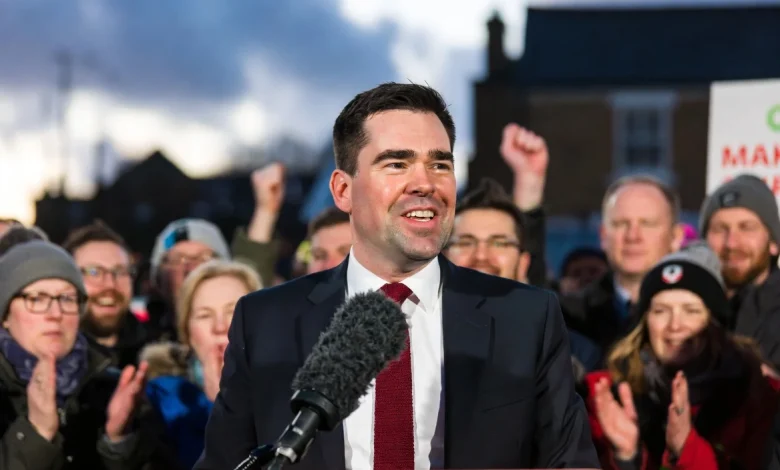
Table of Contents
Andy Burnham has secured a stunning and historic victory in the Makerfield by-election, a result that dramatically reshapes the landscape of British politics and sets the stage for an imminent leadership challenge against Prime Minister Keir Starmer. The Greater Manchester mayor’s triumphant return to the House of Commons clears a direct path for him to mount an effort to replace Starmer as leader of the ruling, center-left Labour Party. Winning Thursday’s election secures Burnham’s return to Parliament, fulfilling a meticulously planned strategy by mutinous Labour MPs who have been openly calling for a change of leader for months.
The Makerfield By-Election Results and Numbers
The results of the special election, called a “by-election” in Britain, came in early Friday showing Burnham had defeated his Reform opponent, Robert Kenyon, by 24,927 votes to 15,696. He won 54.8% of the votes in a crowded field of candidates. This decisive victory represents a major swing for Labour in the constituency, which had seen its majority threatened in recent national elections. Turnout was remarkably high for a mid-term by-election, reaching 58.75%, demonstrating the intense local and national interest in the outcome of this specific contest.
The seat became vacant following the dramatic resignation of Josh Simons, the former Member of Parliament for Andy Burnham. Simons, who had been elected in 2024 and served briefly as Parliamentary Under-Secretary of State for Digital Government, stepped down amid a political storm. He had faced immense pressure over allegations that he had used a public relations firm to investigate the private affairs of journalists who wrote unfavorable articles about Labour Together, the think-tank he previously ran. His resignation was widely seen as a coordinated sacrifice designed specifically to trigger a by-election, allowing Burnham to run. This marks the first time since the famous 1965 Leyton by-election that a parliamentary vacancy was intentionally engineered to bring a major, non-parliamentary figure back into the House of Commons.
The Political Context: Starmer Under Fire
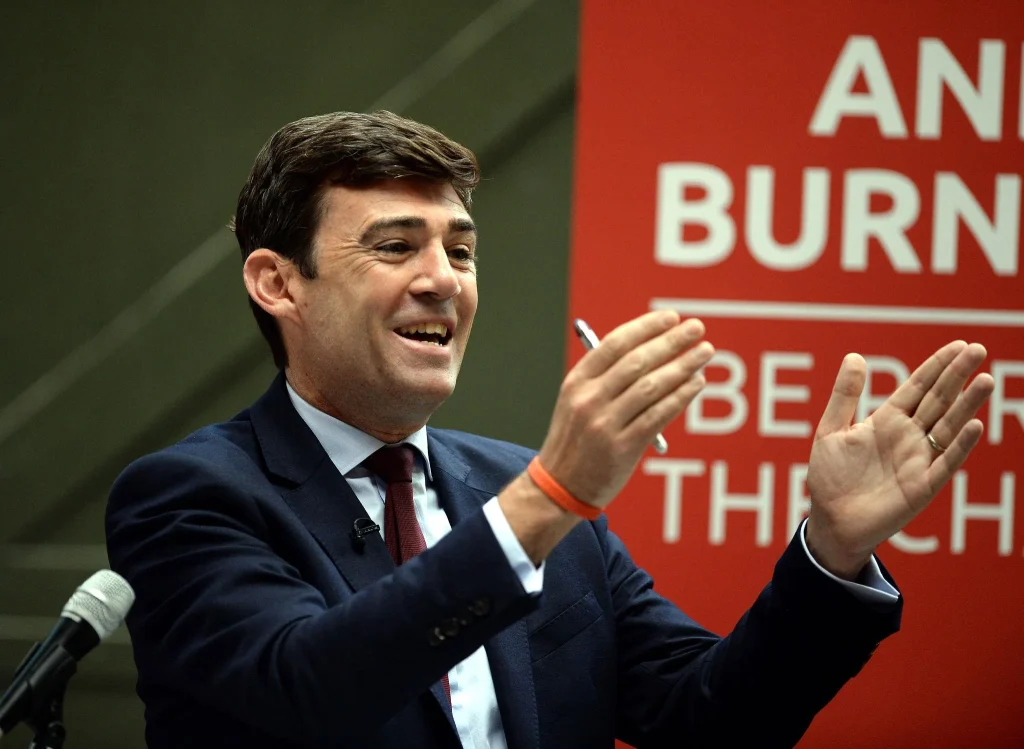
Keir Starmer is historically unpopular in Britain after a series of scandals and policy missteps, with critics accusing him of lacking a political vision for remedying the country’s stagnant post-Brexit economy. Since taking office with a massive majority in July 2024, Starmer’s government has lurched from one crisis to another. The administration’s honeymoon period was exceptionally brief, cut short by the controversial decision to introduce means-testing for pensioners’ winter fuel payments—a move that deeply angered the British public and alienated core Labour voters. This was followed by a series of high-profile policy U-turns, leading to accusations that the Prime Minister is guided by technocratic box-ticking rather than any coherent ideological conviction.
The domestic situation has been further exacerbated by the ongoing cost-of-living crisis and stagnant economic growth. In the May 2026 local elections, the electorate delivered a devastating verdict, with Labour losing hundreds of councilors across England. Although Starmer publicly took responsibility for the “very tough” results, his defensive stance did little to calm the nerves of backbenchers who fear a wipeout at the next general election. Rumors of corruption, “Freebie-gate” scandals involving senior government figures, and the highly publicized sacking of controversial advisers have left Starmer’s leadership looking increasingly fragile and isolated.
The Internal Labour Schism and Rebel MPs
The victory in Andy Burnham has supercharged a long-brewing civil war within the Labour Party. Mutinous Labour MPs have been openly calling for a change of leader for months, fearful that Starmer would lead the party to a defeat in the next election. Many backbenchers in northern and working-class constituencies feel that the metropolitan, highly centralized leadership in Westminster has completely lost touch with the realities of the electorate outside of London. This division has manifested in a coordinated effort to secure a leadership transition before the national political situation degrades any further.
Under Labour Party rules, a formal leadership challenge requires the nominations of 81 Member of Parliament (MPs), representing 20% of the Parliamentary Labour Party. Over 95 Labour MPs have already broken cover to call for Starmer’s resignation or to demand that he set out a clear timetable for his departure. Burnham’s return to Parliament provides these disgruntled MPs with a credible, charismatic alternative who enjoys immense popularity among both the party’s grassroots membership and the wider public. The schism is no longer a quiet ideological debate; it is an active, organized campaign to reshape the party’s future.
Wes Streeting’s Leadership Ambitions
Andy Burnham is not the only prominent figure positioning himself for the crown. Former Health Secretary Wes Streeting, who resigned from the Cabinet in protest of Starmer’s leadership and controversial policies, has also made clear his intention to stand in any future contest. Streeting has been vocal in his criticisms, stating that the Prime Minister is “not listening” to his cabinet, backbenchers, or military chiefs on key national issues, including planned defense spending. Streeting’s exit from the government was a severe blow to Starmer, signalizing that the rot had spread from the backbenches directly into the Cabinet.
Streeting’s public maneuvering has forced other potential challengers to accelerate their plans. While Streeting appeals to the centrist, modernizing wing of the party, Burnham commands a much broader, populist appeal. In an interview, Burnham acknowledged Streeting’s active campaigning, dryly noting, “I think Wes Streeting seems to have launched a leadership contest, so if that is running, I would seek to join it.” This rivalry ensures that any upcoming contest will not just be a vote on Starmer’s performance, but a battle for the very soul of the Labour Party.
How Andy Burnham Can Challenge Starmer
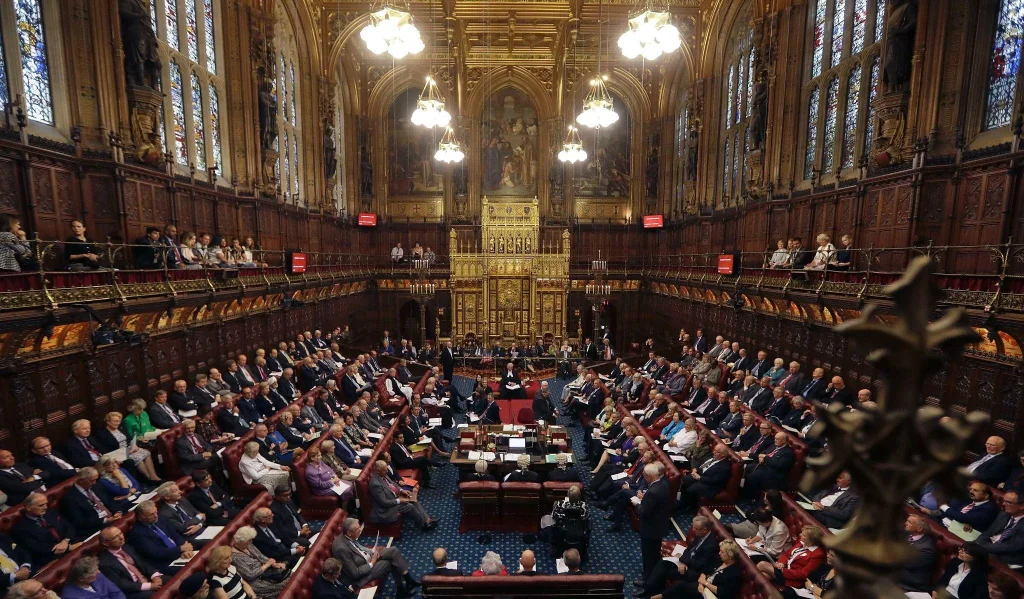
The mechanism of Burnham’s challenge is both strategic and immediate. To stand for Parliament, Burnham had to navigate a significant legal hurdle, as a sitting metro mayor is disqualified from the House of Commons upon winning a seat. By successfully contesting Andy Burnham, Burnham has formally vacated the Greater Manchester mayoralty, demonstrating his total commitment to the Westminster stage. This calculated risk has paid off, placing him in the exact position required to execute his next moves.
According to sources close to the matter, Burnham has already crossed the threshold of the 81 Labour MP nominations required to formally trigger a leadership contest. However, Burnham’s immediate plan is not to launch an aggressive, public coup. Instead, he intends to present this list of nominations to Starmer privately, demonstrating that the Prime Minister has lost the confidence of his own parliamentary party. By showing Starmer the numbers, Burnham hopes to pressure him to step down voluntarily, avoiding a protracted and bloody leadership election that could further damage the party’s public standing. If Starmer refuses to step aside, Burnham is fully prepared to submit the nominations and trigger a formal ballot of the party membership.
Reform UK’s Surge and the Threat of Nigel Farage
The primary driver behind the panic among Labour MPs is the meteoric rise of Reform UK, led by Donald Trump ally Nigel Farage. In the May 2026 local elections, Reform UK captured a historic 478 council seats, demonstrating its appeal to disillusioned working-class voters. The Andy Burnham by-election results further illustrated this trend, with Reform’s Robert Kenyon securing a massive 34.5% of the vote. This strong second-place finish in a traditional Labour stronghold has sent shockwaves through Westminster.
Labour backbenchers are acutely aware that Starmer’s lack of a clear post-Brexit economic vision is actively driving voters into the arms of the hard-right. They fear that a continuation of Starmer’s unpopular premiership will inevitably usher in a Reform UK-dominated government at the next general election. Farage has capitalized on this sentiment, proclaiming a “historic shift in British politics” and positioning Reform UK as the true voice of the working class. Burnham, with his regional appeal and authentic communication style, is seen by many in Labour as the only figure capable of rebuilding the “Red Wall” and blunting Reform’s momentum.
Burnham’s Political Philosophy: “Place First, Not Party First”
What makes Burnham such a potent threat to Starmer is his distinct and highly successful political philosophy. During his tenure as Mayor of Greater Manchester, Burnham championed a “place first, not party first” approach to governance. He built a reputation as a pragmatist who prioritized regional development, public control of infrastructure, and social cohesion over Westminster’s tribal party politics. His landmark achievement of bringing the region’s bus network back under public control via the “Bee Network” became a model for local devolution across the country.
Burnham argues that the current political system in Westminster is fundamentally broken, characterized by superficial point-scoring rather than genuine problem-solving. His vision for the country involves massive devolution, shifting economic power away from London and back to the regions that have struggled to find their footing in the post-Brexit economy. This vision resonates deeply with voters who feel abandoned by the centralized state, offering a stark contrast to Starmer’s cautious, top-down bureaucratic approach.
The Road to Downing Street: Constitutional Scenarios
The constitutional path ahead is complex and filled with potential obstacles. Burnham’s return to the Commons is a rare political maneuver, drawing comparisons to the 1965 Leyton by-election where Patrick Gordon Walker sought a return to Parliament. Now that Burnham is an MP, the speed at which he could potentially become Prime Minister depends on several scenarios. If Starmer resigns immediately upon being presented with Burnham’s list of nominations, a rapid leadership contest would be initiated under the supervision of the National Executive Committee (NEC).
Alternatively, if Starmer attempts to cling to power, a formal vote of no confidence would be triggered. If Starmer loses this vote, he would be forced to resign as party leader, though he might remain as caretaker Prime Minister until a successor is chosen. Throughout this period, the government would face intense scrutiny from opposition parties, including the Conservatives and Reform UK, who would likely demand an immediate general election, arguing that a third prime minister chosen without a public ballot lacks democratic legitimacy.
Comparative Analysis: Burnham vs. Starmer
To fully grasp the choice facing the Labour Party and the British public, it is necessary to examine the stark differences in style, policy, and background between the two main protagonists. Below is a detailed comparative analysis outlining the core attributes of Keir Starmer and Andy Burnham.
| Feature/Metric | Keir Starmer | Andy Burnham |
|---|---|---|
| Political Brand | Metropolitan, Technocratic, Legalistic | Regional, Populist, Devolutionist |
| Economic Vision | Centralized, Cautious, Treasury-led | Regionalist, Public Control, Green Devolution |
| Key Achievements | 2024 Election Landslide, Director of Public Prosecutions | “Bee Network” Devolution, Mayor of Greater Manchester |
| Core Support Base | Metropolitan South, Party Centrists, PLP Majority | Northern Grassroots, Trade Unions, Devolution Advocates |
| Key Vulnerability | Unpopularity, Policy U-turns, Lack of Charisma | Westminster Outsider, Historical Leadership Defeats |
| Communication Style | Formal, Programmatic, Legalistic | Authentic, Direct, Empathetic |
What Happens Next in Westminster
In the immediate aftermath of the Andy Burnham result, Westminster is bracing for a period of intense political maneuvering. Prior to Thursday’s vote, Keir Starmer attempted to diffuse the situation by signaling that he would offer Burnham a high-profile Cabinet job if he won the seat. Downing Street hoped that bringing the popular former mayor into the government fold would muzzle his ability to criticize the administration and neutralize him as an external threat. However, allies of Burnham have made it clear that he has no interest in serving as a shield for an unpopular Prime Minister.
Instead, Burnham’s victory speech onstage in Makerfield laid out a clear challenge to the status quo. “Everyone knows that politics isn’t working. Everyone can feel that the country isn’t where it should be. Tonight could, just could, be the turning point,” Burnham said. With the support of rebel MPs, trade unions, and a public desperate for change, Burnham is poised to force a decision. Over the coming days, the pressure on Starmer to set a resignation date will become overwhelming, paving the way for a dramatic transition of power at the very heart of the British government. For more detailed context on this unfolding situation, you can consult the 2026 Makerfield by-election Wikipedia page.