Netanyahu Vows Retaliation Against Hezbollah’s Drone Attacks
Introduction
The escalating tensions between Israel and Hezbollah have reached a critical point, marked by a series of drone attacks and retaliatory threats. Recent weeks have seen Hezbollah employing fiber optic drones against Israeli forces in southern Lebanon and northern Israel, prompting a strong response from Israeli Prime Minister Benjamin Netanyahu. Netanyahu’s warning of intensified strikes has heightened fears of a broader conflict, leading to displacement and heightened alert levels in the region. This article delves into the details of the recent events, analyzes the strategic implications, and examines the potential future scenarios arising from this volatile situation.
Netanyahu’s Warning and Response to Drone Attacks
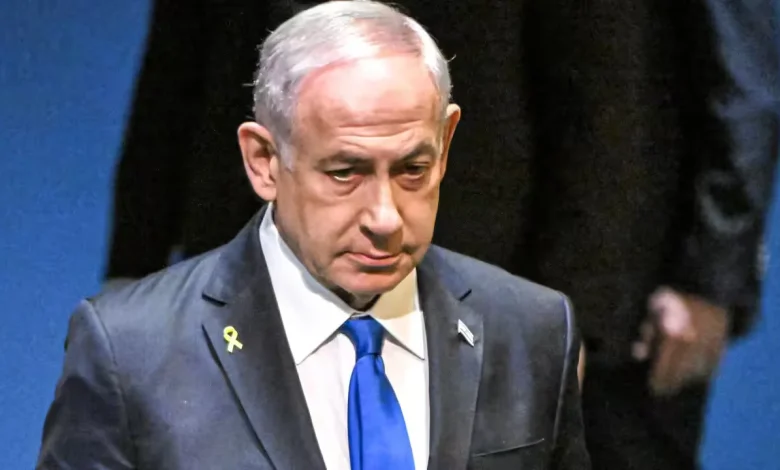
Benjamin Netanyahu’s recent statement underscores the gravity of the situation along the northern border. In a video posted on social media, Netanyahu addressed the ongoing drone attacks, stating, “We will hit them. It’s true that they are shooting drones at us, fiber optic drones. We have a special team working on that and we will solve that too,”. His promise to “increase the blows, to increase the intensity” signals a potential escalation in the Israeli military response. This firm stance reflects Israel’s determination to counter what it perceives as a significant threat to its security. The deployment of a “special team” to address the fiber optic drone issue indicates a focused effort to neutralize this specific tactic used by Hezbollah. Netanyahu’s rhetoric aims to reassure the Israeli public while sending a clear message of deterrence to Hezbollah. The use of strong language, such as “smite them hip and thigh,” is intended to project an image of unwavering resolve. This comes at a sensitive time as domestic Israeli politics are turbulent, and Netanyahu seeks to project a strong leadership image in the face of external threats.
Hezbollah’s Attacks and Tactics
Hezbollah’s deployment of fiber optic drones represents a notable evolution in its military capabilities. These drones, widely used in the war in Ukraine, provide real-time surveillance and targeting information, enhancing the precision and effectiveness of Hezbollah’s attacks. On Monday, Hezbollah claimed responsibility for eight attacks, including a drone strike on Israeli troops in Misgav Am in northern Israel. This coordinated effort demonstrates Hezbollah’s ability to conduct multiple operations simultaneously, stretching Israeli defense resources. The choice of fiber optic drones highlights Hezbollah’s adaptation to modern warfare techniques. Fiber optic technology allows for high-bandwidth data transmission, providing operators with detailed visual and sensory information from the battlefield. This enhances their situational awareness and allows for more accurate targeting. Furthermore, the use of drones allows Hezbollah to strike Israeli targets without directly exposing its fighters to Israeli fire, reducing casualties and maintaining operational tempo. The group’s strategic deployment of these advanced tools signals a calculated effort to challenge Israel’s military superiority and assert its presence along the border. This also puts additional pressure on the Israeli government, which is already dealing with internal political strife and ongoing conflicts in other regions.
Regional Impact and Displacement
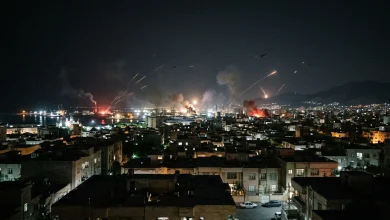
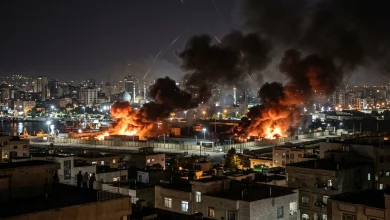
Netanyahu’s warning and the ensuing airstrikes have had an immediate impact on the civilian population. Lebanon’s state-run National News Agency reported that some residents began leaving Beirut’s southern suburbs, where Hezbollah maintains a significant presence. This displacement underscores the palpable fear of escalating conflict and the potential for widespread destruction. The airstrikes on the eastern town of Mashghara in the Bekaa region further exacerbate the sense of insecurity and instability. The Bekaa Valley, a stronghold for Hezbollah, has been a frequent target of Israeli military operations in the past. The renewed airstrikes suggest a broadening of the conflict zone, raising concerns among international observers about the potential for a full-scale war. The exodus from Beirut’s southern suburbs reflects a lack of confidence in the ability of either side to contain the conflict. The residents, many of whom have experienced previous conflicts between Israel and Hezbollah, are preemptively seeking safety elsewhere. This mass movement of people adds to the humanitarian challenges in Lebanon, which is already grappling with economic and political crises. The potential for a large-scale refugee crisis further complicates the regional dynamics and strains the resources of neighboring countries.
The Use of Fiber Optic Drones
Fiber optic drones represent a significant advancement in drone technology, offering several advantages over traditional wireless drones. The key feature of these drones is their use of a thin fiber optic cable to transmit data between the drone and the operator. This cable provides a secure and high-bandwidth communication link, making it difficult to jam or intercept. The real-time, high-resolution video and sensor data transmitted through the fiber optic cable enhance the operator’s situational awareness and control over the drone. In the context of the conflict between Israel and Hezbollah, the use of fiber optic drones allows Hezbollah to conduct covert surveillance and precision strikes with greater effectiveness. The drones can be deployed in areas with heavy electronic warfare activity, where traditional wireless drones might be rendered useless. The fiber optic cable also provides a stable and reliable communication link, ensuring that the operator maintains control over the drone even in challenging environments. This technology is becoming increasingly accessible, allowing non-state actors like Hezbollah to acquire advanced military capabilities. The proliferation of fiber optic drones raises concerns about the future of warfare and the potential for asymmetric conflicts. Countermeasures to neutralize these drones are complex and require advanced technology and tactics, posing a significant challenge for defending forces. The use of fiber optic drones is also prominent in the conflict in Ukraine, leading to significant battlefield adaptations.
Israeli Military Response and Strategy
Israel’s military response to Hezbollah’s drone attacks is multifaceted, involving both defensive and offensive measures. Defensively, Israel is investing in advanced air defense systems to intercept incoming drones and rockets. These systems include the Iron Dome, David’s Sling, and Patriot missiles, which are designed to provide layered protection against aerial threats. Offensively, Israel is conducting targeted airstrikes against Hezbollah positions in southern Lebanon and the Bekaa Valley. These strikes aim to degrade Hezbollah’s military infrastructure, disrupt its operations, and deter future attacks. The Israeli military is also employing electronic warfare tactics to disrupt Hezbollah’s communication networks and drone operations. This involves jamming signals, intercepting communications, and using cyber warfare techniques to disable Hezbollah’s systems. The deployment of a “special team” to address the fiber optic drone issue highlights Israel’s focus on developing specific countermeasures to neutralize this threat. This team likely includes experts in drone technology, electronic warfare, and signal intelligence. Israel’s overall strategy is to maintain a credible deterrence posture, signaling to Hezbollah that any attack will be met with a swift and decisive response. This involves a combination of military force, diplomatic pressure, and economic sanctions. The goal is to prevent a full-scale war while ensuring the security of Israeli citizens living near the border. Israel must also consider the potential for escalation and the involvement of other regional actors, such as Iran, which has close ties to Hezbollah. Careful calibration of its response is essential to avoid unintended consequences and maintain regional stability. The U.S. military strikes escalate in the Caribbean, showing that the U.S. military is escalating in other regions, which may be a factor in the Israeli military response.
International Reaction and Diplomatic Efforts
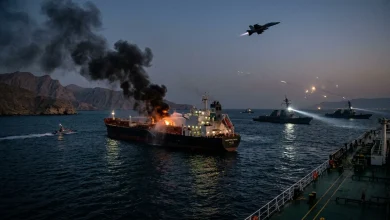
The escalating tensions between Israel and Hezbollah have drawn international attention, with various countries and organizations calling for de-escalation and restraint. The United Nations has urged both sides to abide by Resolution 1701, which ended the 2006 Lebanon War, and to avoid any actions that could lead to a wider conflict. The United States has reaffirmed its commitment to Israel’s security while also calling for calm and diplomatic solutions. European countries have expressed concern about the potential for a full-scale war and have offered to mediate between the two sides. The Arab League has condemned Israel’s airstrikes in Lebanon and has called for an immediate cessation of hostilities. Diplomatic efforts are underway to find a way to de-escalate the situation and prevent further violence. These efforts involve back-channel communications, shuttle diplomacy, and multilateral discussions. The goal is to create a framework for addressing the underlying issues that fuel the conflict, such as the disputed border, the presence of Hezbollah’s military infrastructure in southern Lebanon, and the regional influence of Iran. However, the deep-seated distrust and animosity between Israel and Hezbollah make it difficult to achieve a lasting resolution. Both sides have maximalist demands and are unwilling to compromise on key issues. The involvement of external actors, such as the United States, the United Nations, and regional powers, is crucial to facilitate dialogue and build confidence. International pressure and incentives may be necessary to encourage both sides to engage in meaningful negotiations. France has also deployed a warship to the Hormuz Strait amidst rising tensions, showing how fragile the state of peace is in the Middle East.
Expert Analysis on the Escalating Conflict
Experts on Middle Eastern affairs highlight several factors contributing to the current escalation between Israel and Hezbollah. First, the ongoing political instability in both countries creates an environment conducive to conflict. In Israel, Netanyahu’s government faces internal divisions and public discontent, making it more likely to resort to military action to divert attention from domestic problems. In Lebanon, the country is grappling with economic collapse and political paralysis, weakening the government’s ability to control Hezbollah’s activities. Second, the regional rivalry between Iran and Israel plays a significant role in fueling the conflict. Iran provides financial and military support to Hezbollah, enabling it to challenge Israel’s security. Israel views Hezbollah as a proxy for Iran and seeks to contain its influence in the region. Third, the changing nature of warfare, particularly the proliferation of drone technology, has altered the dynamics of the conflict. Drones provide non-state actors like Hezbollah with the ability to conduct precision strikes and gather intelligence, eroding Israel’s military advantage. Experts also warn about the potential for miscalculation and unintended escalation. A single incident, such as a drone strike that causes significant casualties, could trigger a chain reaction leading to a full-scale war. The lack of direct communication between Israel and Hezbollah increases the risk of misunderstanding and misinterpretation. De-escalation requires a concerted effort by both sides to reduce tensions, exercise restraint, and engage in dialogue. External actors, such as the United States and the United Nations, must play a proactive role in mediating between the two sides and preventing further violence. The surge of gold exports from the U.S. to China also represents a global shift in economics, and it may be related to the conflict in Israel.
Potential Scenarios and Future Implications
The current escalation between Israel and Hezbollah could lead to several potential scenarios, ranging from a limited exchange of fire to a full-scale war. One possible scenario is a continuation of the current pattern of drone attacks and retaliatory strikes, with both sides calibrating their actions to avoid crossing the threshold of a major conflict. This scenario would involve ongoing tensions and sporadic violence but would not result in a significant escalation. Another scenario is a limited war, in which Israel launches a large-scale military operation in southern Lebanon to degrade Hezbollah’s military infrastructure and push its forces away from the border. This scenario would involve significant casualties on both sides and would likely lead to widespread destruction in southern Lebanon. A third scenario is a full-scale war, in which Israel and Hezbollah engage in a prolonged and intense conflict involving air, ground, and naval forces. This scenario would have devastating consequences for both countries and could draw in other regional actors, such as Iran and Syria. The future implications of the conflict are far-reaching. A full-scale war would destabilize the entire region, exacerbate existing humanitarian crises, and undermine international efforts to promote peace and security. It could also embolden extremist groups and create new opportunities for terrorism. Preventing a full-scale war requires a comprehensive approach that addresses the underlying causes of the conflict, promotes dialogue and reconciliation, and ensures the security of both Israel and Lebanon. The international community must play a proactive role in supporting these efforts and preventing further escalation. The U.S. believes it is winning the war with Iran, and this belief could affect the outcome of the conflict.
Historical Context of Israeli-Hezbollah Conflicts
The current tensions between Israel and Hezbollah are rooted in a long history of conflict and animosity. Hezbollah, a Shiite Islamist political party and militant group, was founded in Lebanon in the early 1980s with the goal of resisting Israeli occupation and establishing an Islamic state. Since then, Hezbollah has been a major player in Lebanese politics and a key adversary of Israel. The two sides have fought several major wars, including the 1982 Lebanon War, the 1996 Operation Grapes of Wrath, and the 2006 Lebanon War. These conflicts have resulted in significant casualties and widespread destruction, and have left a legacy of distrust and animosity. The 2006 Lebanon War was particularly devastating, lasting for 34 days and resulting in the deaths of over 1,000 Lebanese civilians and 165 Israelis. The war ended with a United Nations-brokered ceasefire and the deployment of a multinational peacekeeping force in southern Lebanon. However, the underlying issues that fueled the conflict remained unresolved, and tensions between Israel and Hezbollah have continued to simmer. In recent years, Hezbollah has expanded its military capabilities and increased its regional influence, particularly in Syria and Iraq. Israel views Hezbollah as a major threat and has conducted numerous airstrikes against its positions in Syria. The historical context of the conflict highlights the deep-seated nature of the animosity between Israel and Hezbollah and the challenges of achieving a lasting peace. Any effort to resolve the current tensions must take into account the historical grievances and security concerns of both sides. The halt of grants by the Trump administration may have also contributed to the continuing conflict.
Comparative Analysis of Drone Warfare
The use of drones in modern warfare has transformed the landscape of conflict, providing both advantages and challenges for various actors. Comparing the use of drones by different entities, such as state militaries and non-state actors, reveals distinct patterns and implications. State militaries, like the United States and Israel, employ drones for a wide range of purposes, including surveillance, reconnaissance, targeted killings, and electronic warfare. These drones are often equipped with advanced sensors, communication systems, and precision-guided munitions, allowing for highly effective operations. Non-state actors, such as Hezbollah and Hamas, use drones primarily for surveillance, reconnaissance, and limited offensive operations. These drones are often less sophisticated and have a shorter range than those used by state militaries. However, they provide non-state actors with a valuable tool for gathering intelligence, conducting attacks, and challenging the military superiority of their adversaries. The use of fiber optic drones by Hezbollah represents a significant advancement in drone technology for non-state actors. These drones offer enhanced security and bandwidth, making them more difficult to counter. The proliferation of drone technology raises concerns about the future of warfare and the potential for asymmetric conflicts. Countermeasures to neutralize drones include air defense systems, electronic warfare tactics, and cyber warfare techniques. However, these countermeasures are often expensive and require advanced technology, making them difficult to implement for many countries and non-state actors. The ethical and legal implications of drone warfare are also a subject of debate. Concerns have been raised about the potential for civilian casualties, the lack of transparency and accountability, and the erosion of international law. Addressing these concerns requires a comprehensive framework that regulates the use of drones and ensures compliance with international humanitarian law. New therapy for IBD with combination drugs is also on the rise, showing the importance of international cooperation.
Conclusion
The escalating tensions between Israel and Hezbollah represent a serious threat to regional stability. Netanyahu’s warning of intensified strikes and Hezbollah’s continued drone attacks have raised the specter of a full-scale war. The regional impact, marked by displacement and heightened alert levels, underscores the urgent need for de-escalation and diplomatic solutions. The international community must play a proactive role in mediating between the two sides and preventing further violence. Addressing the underlying causes of the conflict, promoting dialogue and reconciliation, and ensuring the security of both Israel and Lebanon are essential for achieving a lasting peace. The use of fiber optic drones by Hezbollah highlights the evolving nature of warfare and the challenges of countering advanced technology. Israel’s military response must be carefully calibrated to avoid unintended consequences and maintain regional stability. The historical context of the conflict underscores the deep-seated animosity between Israel and Hezbollah and the difficulties of achieving a breakthrough. A comprehensive approach that takes into account the historical grievances and security concerns of both sides is necessary to pave the way for a more peaceful future. Continued tensions in the Middle East may contribute to the shift of the U.S.’s oldest asset of gold to China.
| Feature | State Militaries (e.g., USA, Israel) | Non-State Actors (e.g., Hezbollah) |
|---|---|---|
| Purpose | Surveillance, reconnaissance, targeted killings, electronic warfare | Surveillance, reconnaissance, limited offensive operations |
| Technology | Advanced sensors, communication systems, precision-guided munitions | Less sophisticated, shorter range |
| Communication | Encrypted wireless, satellite | Wireless, fiber optic (increasingly) |
| Countermeasures | Advanced air defense, electronic warfare, cyber warfare | Limited defensive capabilities |
| Ethical/Legal | Subject to international laws, but concerns exist | Often operate outside legal frameworks |
For further information on drone technology and its impact on modern warfare, refer to this resource: Council on Foreign Relations.