Israel Eliminates Hamas Commander in Gaza, Seeks Increased Control
Introduction
In a significant development in the ongoing conflict, Israel announced the elimination of a senior Hamas commander in northern Gaza earlier this week. The operation, conducted by the Israeli military and security agency, targeted Imad Hassan Hussein Aslim, identified as a key figure in Hamas’s military operations. Alongside Aslim, another Hamas member was also reportedly killed in the strike. This event unfolds against the backdrop of Israeli Prime Minister Benjamin Netanyahu’s stated intentions to expand Israel’s control over the Gaza Strip, aiming for approximately 70% of the territory, a notable increase from the current 65%. This operation and the stated territorial ambitions raise critical questions about the future of the region, the potential for escalation, and the humanitarian implications for the civilian population.
Elimination of Hamas Commander
The targeted killing of Imad Hassan Hussein Aslim marks a notable achievement for Israeli security forces in their ongoing campaign against Hamas. Aslim, identified as a senior commander, was allegedly involved in planning and executing attacks against Israel. The joint statement released by Israel’s military and security agency emphasized Aslim’s role in Hamas’s operations, suggesting that his elimination would significantly disrupt the group’s capabilities. The precision and intelligence required for such an operation highlight the sophisticated methods employed by Israeli forces. However, such targeted killings are often controversial, raising questions about their legality under international law and their potential to incite further violence. The specific intelligence that led to Aslim’s location and the decision-making process behind the strike remain closely guarded secrets, known only to a select few within the Israeli defense establishment.
Details of the Strike
According to the Israeli statement, the strike was conducted with careful consideration to minimize harm to civilians. The military asserted that “steps were taken to mitigate harm to civilians, including the use of precise munitions and aerial surveillance”. This claim is particularly significant given the dense population of Gaza and the potential for civilian casualties in any military operation. The use of “precise munitions” suggests an effort to target only the intended individuals while minimizing collateral damage. Aerial surveillance would likely have been used to monitor the area, ensuring that civilians were not in immediate proximity to the target before the strike was carried out. However, independent verification of these claims is often difficult, and human rights organizations have frequently raised concerns about the proportionality of Israeli military actions in Gaza. The incident underscores the challenges of conducting military operations in densely populated urban environments, where distinguishing between combatants and civilians can be exceedingly difficult.
Israeli Intentions for Gaza
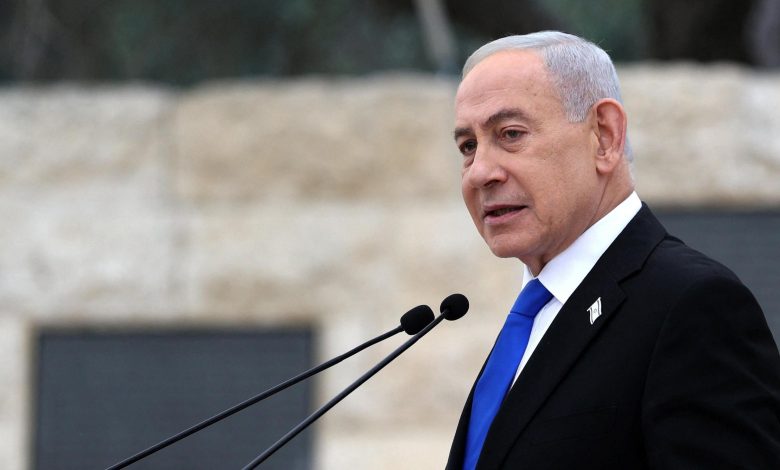
Prime Minister Benjamin Netanyahu’s declaration of intending to control about 70% of the Gaza Strip signals a significant shift in Israeli policy. Currently, Israel controls approximately 65% of the territory, implying that this new objective entails further encroachment into Palestinian areas. This expansionist ambition is likely driven by a desire to enhance security, prevent rocket attacks, and dismantle Hamas infrastructure. However, such a move would have profound implications for the Palestinian population, potentially leading to further displacement, restricted movement, and increased hardship. The international community has long called for a two-state solution, with an independent Palestinian state comprising Gaza, the West Bank, and East Jerusalem. Israel’s stated intentions appear to undermine this prospect, raising serious concerns about the long-term viability of any peace process. Furthermore, increased Israeli control could exacerbate the existing humanitarian crisis in Gaza, where the majority of the population relies on international aid for survival. The long-term implications of this policy shift are far-reaching and could reshape the geopolitical landscape of the region for decades to come. The petrodollar crisis and the potential shift to yuan oil sales also add another layer of complexity to the regional dynamics.
Regional Implications
The elimination of the Hamas commander and Israel’s stated intentions for increased control in Gaza have far-reaching regional implications. The incident is likely to inflame tensions between Israel and Palestinian militant groups, potentially leading to renewed rocket fire and retaliatory strikes. Neighboring countries, such as Egypt and Jordan, which have peace treaties with Israel, may face increased pressure from their populations to condemn Israeli actions. More broadly, the situation could further destabilize the region, exacerbating existing conflicts and undermining efforts to achieve a lasting peace. Iran, a key supporter of Hamas, is likely to view the Israeli operation as a provocation and may increase its support for militant groups in the region. The ongoing conflict in Syria, the political instability in Lebanon, and the broader Sunni-Shia divide all contribute to a volatile environment in which any escalation could have serious consequences. The situation in the Hormuz Strait, where France has deployed a warship amidst rising tensions, also adds another layer of complexity.
International Reaction
The international reaction to Israel’s actions is likely to be divided, reflecting the complex geopolitical dynamics of the region. Western countries, such as the United States and the United Kingdom, may express support for Israel’s right to defend itself while also urging restraint and calling for a de-escalation of tensions. Other countries, particularly those with large Muslim populations, may strongly condemn Israel’s actions and call for international intervention to protect Palestinian civilians. The United Nations is likely to play a central role in mediating the conflict, with the Security Council potentially considering resolutions aimed at restoring calm and addressing the underlying causes of the conflict. However, the effectiveness of any UN action is likely to be limited by the veto power of the permanent members of the Security Council, particularly the United States, which has historically shielded Israel from strong international criticism. The International Criminal Court (ICC) may also become involved, potentially investigating allegations of war crimes committed by both sides in the conflict.
Hamas Response
Hamas’s response to the killing of its commander is almost certain to be one of defiance and retaliation. The group is likely to launch rocket attacks against Israeli cities and towns, seeking to avenge the death of Aslim and demonstrate its continued ability to resist Israeli occupation. Hamas may also attempt to carry out attacks against Israeli targets in the West Bank or abroad. The group’s strategy is often to escalate tensions in order to draw international attention to the plight of the Palestinian people and to undermine Israeli efforts to normalize relations with Arab countries. Hamas’s response will also be shaped by internal political considerations, with different factions within the group potentially vying for influence and seeking to demonstrate their commitment to the Palestinian cause. The group’s ability to mobilize popular support and to recruit new members will also be a key factor in determining the scale and intensity of its response.
Historical Context
The Israeli-Palestinian conflict has deep historical roots, dating back to the early 20th century and the rise of Zionist nationalism. The creation of the state of Israel in 1948 led to the displacement of hundreds of thousands of Palestinians, who became refugees in neighboring countries. The subsequent Israeli occupation of the West Bank, Gaza Strip, and East Jerusalem in 1967 further fueled the conflict, leading to multiple wars and uprisings. The Oslo Accords in the 1990s offered a glimmer of hope for a peaceful resolution, but the process ultimately stalled, and violence has continued to erupt periodically. The current situation in Gaza is a direct result of this historical context, with the Israeli blockade of the territory and the ongoing conflict between Israel and Hamas contributing to a humanitarian crisis and a cycle of violence. Understanding this historical context is essential for comprehending the complexities of the conflict and for identifying potential pathways towards a lasting peace. The recent controversy surrounding Ohio University’s divestment from Israel, despite clashing with state law, further underscores the deep divisions and passionate opinions surrounding the conflict.
The Humanitarian Situation
The humanitarian situation in Gaza is dire, with the majority of the population relying on international aid for survival. The Israeli blockade of the territory has severely restricted the movement of goods and people, leading to shortages of essential supplies, including food, medicine, and fuel. The ongoing conflict has further exacerbated the situation, with frequent airstrikes and ground operations causing widespread damage to infrastructure and displacement of civilians. The United Nations and other international organizations have repeatedly called for an end to the blockade and for increased humanitarian access to Gaza. However, Israel maintains that the blockade is necessary to prevent Hamas from importing weapons and materials that could be used to attack Israel. The situation is further complicated by the political divisions within the Palestinian community, with Hamas controlling Gaza and the Palestinian Authority governing the West Bank. This division has hampered efforts to coordinate humanitarian assistance and to address the underlying causes of the crisis.
Challenges and Obstacles
Achieving a lasting peace in the Israeli-Palestinian conflict is fraught with challenges and obstacles. Deep-seated mistrust between the two sides, the unresolved status of Jerusalem, the ongoing expansion of Israeli settlements in the West Bank, and the persistent threat of violence all pose significant impediments to progress. The political divisions within both the Israeli and Palestinian communities further complicate the situation, making it difficult to forge a consensus on key issues. External actors, such as the United States, the European Union, and the Arab countries, have played a role in mediating the conflict, but their efforts have often been stymied by their own political agendas and by the unwillingness of the parties to compromise. Overcoming these challenges will require a sustained commitment to dialogue, a willingness to address the underlying causes of the conflict, and a recognition that a just and lasting peace is in the best interests of both Israelis and Palestinians. The potential for backchannel diplomacy between the U.S. and Iran could also influence the regional dynamics.
Future Outlook
The future outlook for the Israeli-Palestinian conflict remains uncertain. The elimination of the Hamas commander and Israel’s stated intentions for increased control in Gaza could lead to a further escalation of violence and a deepening of the humanitarian crisis. However, there is also a possibility that these events could create an opportunity for a renewed effort to achieve a lasting peace. Whether the parties will be able to seize this opportunity will depend on their willingness to overcome the challenges and obstacles that have plagued the conflict for so long. The international community must play a constructive role in supporting this process, providing both the incentives and the pressure necessary to encourage both sides to compromise and to build a future of peace and security for all. The disruption in global trade routes, such as the potential Iranian attacks on French vessels in the Hormuz Strait, could also have an impact on the region’s stability.
Comparison of Territorial Control
| Area | Current Control (%) | Intended Control (%) | Change (%) |
|---|---|---|---|
| Gaza Strip | 65 | 70 | +5 |
Conclusion
The recent developments in Gaza, including the elimination of a senior Hamas commander and Israel’s ambition to control a larger portion of the territory, represent a critical juncture in the Israeli-Palestinian conflict. These actions not only risk escalating violence but also pose significant humanitarian challenges for the already vulnerable population of Gaza. The regional and international implications are substantial, requiring a concerted effort from all stakeholders to prevent further destabilization and to pursue a path towards a sustainable resolution. Addressing the deep-seated historical grievances, ensuring the safety and security of both Israelis and Palestinians, and fostering an environment conducive to economic development are essential steps in achieving a lasting peace. Only through a comprehensive approach that considers the needs and aspirations of all parties can the region hope to break free from the cycle of violence and build a future of shared prosperity and security. The political climate, as evidenced by events such as the West Bengal election and the shift in power dynamics, highlights the complexities of regional politics and the need for nuanced understanding and engagement. The situation remains dynamic, requiring continuous monitoring and adaptive strategies to navigate the challenges and opportunities that lie ahead. The UAE’s warning to the U.S. regarding the shift to yuan oil sales adds an economic dimension to the already complex geopolitical landscape.