Lightning Strike at Fort Myers Beach: 1 Dead and 3 Injured in Tragic Event
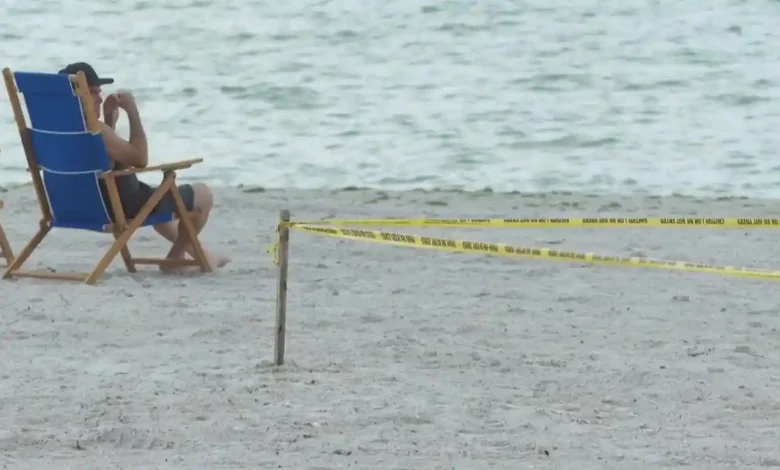
Table of Contents
Lightning strike at Fort Myers Beach, Florida, has resulted in a devastating tragedy, leaving one man dead and three of his family members hospitalized. The incident occurred on the afternoon of Friday, July 3, 2026, marking a somber start to the busy holiday weekend. As local residents and tourists flocked to the coastal areas of southwest Florida to celebrate the Fourth of July, a sudden and rapid convective thunderstorm rolled over the beach, catching beachgoers off guard and demonstrating the volatile nature of summer weather in the Sunshine State.
The Tragic Incident on July 3, 2026
On Friday afternoon, the Fort Myers Beach Fire Control District was abruptly dispatched to the beach area near Estero Boulevard following multiple emergency calls reporting a lightning strike that had affected several individuals in the water. According to emergency service logs, crews arrived swiftly on the scene to find a chaotic and tense situation. Witnesses on the beach reported that the weather had deteriorated rapidly, with storm clouds building quickly over the Gulf of Mexico before unleashing a single, powerful bolt of lightning that struck near a group of swimmers.
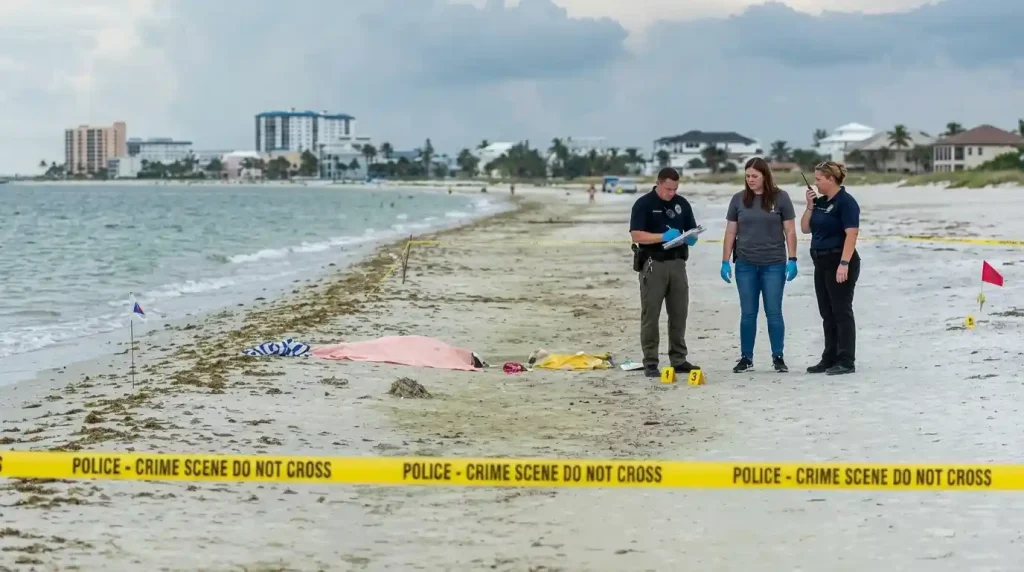
Upon arrival, emergency responders located four individuals who had been in the ocean when the lightning strike occurred. One of the individuals was completely unresponsive on the sand, while the other three were suffering from the immediate physiological effects of the electrical discharge. The rapid onset of the storm meant that many beachgoers were still in the process of packing up their belongings or exiting the water when the strike occurred, highlighting the critical window of time in which lightning hazards escalate from potential risks to active threats.
Emergency Response and Unsuccessful Resuscitation Efforts
Before the arrival of professional emergency crews, a courageous bystander recognized the severity of the situation and intervened immediately. The bystander deployed an automated external defibrillator (AED) and began performing cardiopulmonary resuscitation (CPR) on the unresponsive victim. This immediate action is widely recognized by medical professionals as the most crucial step in saving the life of a lightning strike victim, as the electrical current often causes the heart to undergo sudden cardiac arrest or ventricular fibrillation.
The bystander continued chest compressions and rescue breathing until the paramedics from the Fort Myers Beach Fire Control District took over emergency care. Despite the swift and coordinated efforts of the bystander and the responding medical crews, the physiological damage caused by the strike was too severe. Resuscitation efforts were ultimately unsuccessful, and the individual was pronounced dead at the scene, casting a deep shadow over the local community and emphasizing the raw, unpredictable power of natural electrical phenomena.
Identification of the Victim: Viktar Kiryk
On Saturday, July 4, 2026, the Lee County Sheriff’s Office officially released the identity of the deceased victim. The individual was identified as 51-year-old Viktar Kiryk. The sheriff’s office confirmed that the three other injured individuals were members of Kiryk’s immediate family who had been in the ocean alongside him when the lightning bolt struck. The three surviving family members were transported by emergency medical services to a nearby hospital for comprehensive evaluation and treatment.
According to the latest official statement from the Lee County Sheriff’s Office, all three surviving family members are currently in stable condition and are expected to recover from their physical injuries. The town of Fort Myers Beach also issued a formal statement on social media, expressing profound sadness over the event: ‘The Town of Fort Myers Beach extends its heartfelt thoughts and prayers to all those affected and to the family, loved ones, and friends of the deceased.’ The tragedy serves as a poignant reminder of how quickly a family vacation or holiday celebration can transform into a life-altering disaster.
Florida’s Status as the Lightning Capital of the United States
Florida is widely recognized by meteorologists and safety officials as the lightning capital of the United States. While lightning strikes occur across all fifty states, the unique geography and atmospheric conditions of the Florida peninsula make it an exceptionally active hotbed for thunderstorm development. Over the past several decades, Florida has consistently recorded more lightning-related injuries and fatalities than any other state in the nation, driven by a combination of high population density along coastlines and frequent severe weather patterns.
The distinction of being the most lightning-prone region in the country is supported by extensive data compiled by the National Oceanic and Atmospheric Administration (NOAA). This high frequency of lightning strikes poses a constant threat to outdoor enthusiasts, agricultural workers, and beachgoers who may not fully understand the rapid lifecycle of local storms. Understanding the underlying meteorological factors that drive these dangerous weather patterns is essential for anyone living in or visiting the state during the humid summer months.
Understanding the Science Behind Florida’s Summer Storms
The science behind Florida’s daily summer thunderstorms lies in the thermodynamics of a peninsula. During the summer, the landmass of Florida heats up rapidly under the intense subtropical sun. This warm surface air begins to rise, creating a localized low-pressure system over the center of the peninsula. In response, cooler, moisture-laden air from both the Gulf of Mexico to the west and the Atlantic Ocean to the east is drawn inland, creating two distinct sea breeze fronts.
As these opposing sea breezes travel inland, they eventually collide. The collision forces the warm, moist air upward into the colder regions of the upper atmosphere with immense velocity. This process of rapid updraft leads to the swift formation of cumulonimbus clouds, which are capable of producing torrential downpours, strong winds, and high-frequency cloud-to-ground lightning. These storms typically develop in the early to late afternoon, precisely when beaches and outdoor recreational areas are most crowded, creating a high-risk intersection of weather hazards and human activity.
Morbidity and Mortality Statistics in the Sunshine State
Statistically, the toll of lightning strikes in Florida is significant. According to reports from the National Lightning Safety Council, Florida recorded 51 direct lightning fatalities between 2016 and 2025, which is more than double the number of deaths recorded in Texas, the state with the second-highest tally. This consistent lead in fatalities highlights the persistent danger that lightning poses to the state’s residents and visitors alike, particularly during the wet season which spans from May to October.
In addition to fatalities, lightning strikes cause hundreds of severe, non-fatal injuries in Florida each year. The ratio of injuries to deaths is estimated to be approximately four to one, meaning that for every individual who is killed, several others suffer life-altering physiological consequences. Survivors of lightning strikes frequently report chronic, long-term health issues, including permanent neurological damage, memory loss, chronic pain syndromes, severe internal and external thermal burns, ruptured eardrums, and early-onset cataracts, underscoring that the survival of a strike is often only the beginning of a long medical journey.
The Mechanics of Lightning Strikes on Water
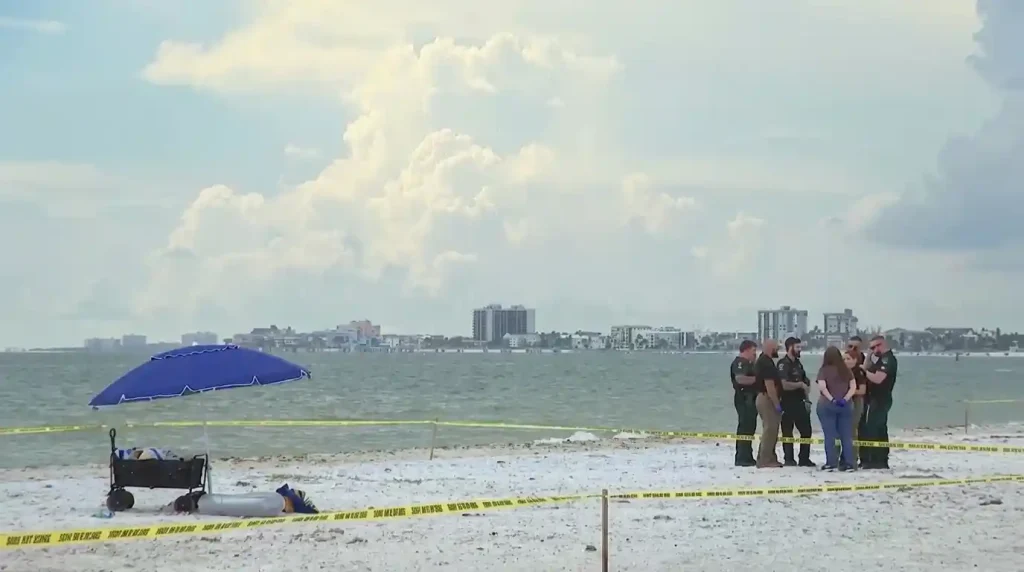
A common misconception among beachgoers is that lightning is only dangerous if it directly strikes an individual. In reality, lightning strikes on water represent an incredibly dangerous hazard due to the physics of electrical conduction. When a lightning bolt contacts the surface of the ocean, the electrical discharge does not simply dissipate harmlessly into the depths of the sea. Instead, the current spreads horizontally across the surface of the water over a significant distance, creating a highly hazardous zone around the point of impact.
Because saltwater is highly conductive due to its high concentration of sodium and chlorine ions, it acts as an excellent medium for carrying electrical currents. A single lightning strike discharging millions of volts of electricity can generate lethal currents that travel horizontally for dozens of meters. Anyone floating, swimming, or wading within this radial zone of conduction can receive a massive electrical shock, regardless of whether they were the direct target of the bolt itself.
How Ground Currents and Conduction Put Swimmers at Extreme Risk
When a human body is in contact with water during a lightning strike, the electrical current traveling through the water will readily pass through the body. This is because the human body, composed primarily of water and dissolved salts, is also a highly effective electrical conductor. When the current enters the body, it can instantly disrupt the electrical impulses of the nervous system and the heart, leading to muscular paralysis, immediate loss of consciousness, or catastrophic cardiac arrest.
In the water, even a non-lethal electrical shock carries a high risk of death. If the current paralyzes a swimmer’s muscles, they will lose the ability to swim or stay afloat, leading to rapid drowning even in shallow water. This explains why the four members of the Kiryk family, who were swimming together in the ocean, were all affected simultaneously by the strike. The conductive properties of the sea ensured that the electrical energy was distributed among all individuals in the immediate vicinity, illustrating why being in any body of water during a storm is a life-threatening decision.
Comprehensive Beach Safety Guidelines for Summer Storms
To prevent future tragedies like the one at Fort Myers Beach, safety organizations and meteorological authorities emphasize the importance of proactive planning and immediate action. Beachgoers must understand that a beach offers absolutely no safe shelter from lightning. Tall, open structures like gazebos, picnic pavilions, and life-guard stands do not provide protection from electrical strikes; in fact, because they are often the tallest structures on an open beach, they can attract strikes.
Similarly, seeking shelter under beach umbrellas or small shade tents is highly dangerous. A beach umbrella, particularly one with a metal pole or frame, acts as a lightning rod by providing an elevated path of least resistance for the electrical strike. Carrying or standing near an umbrella during an approaching storm significantly increases the risk of being struck. The only true protection from lightning is to seek shelter in a substantial, fully enclosed building with electrical wiring and plumbing, or inside a hard-topped, metal-bodied vehicle with the windows fully rolled up.
The Golden Rule: ‘When Thunder Roars, Go Indoors’
The most effective safety campaign developed by meteorological agencies is summarized by the simple slogan: ‘When thunder roars, go indoors.’ This rule is grounded in basic physics. Thunder is the acoustic shockwave caused by the rapid expansion of air heated by a lightning bolt to temperatures hotter than the surface of the sun. Because sound travels at a predictable speed, hearing thunder means that the parent storm is close enough for a lightning strike to reach your current location.
Many people wait until the rain begins before leaving the beach, but this is a critical mistake. Lightning can strike up to 10 miles away from the rainfall center of a thunderstorm, appearing from seemingly clear skies in what is referred to as a ‘bolt from the blue.’ According to the safety recommendations published by the National Weather Service, which underscores that no place outdoors is safe during a thunderstorm, individuals should remain in an indoor shelter for at least 30 minutes after the last clap of thunder is heard. This ensures that the electrical field of the storm has fully dissipated before outdoor activities resume.
Guidelines for Bystander CPR and AED Deployment during Lightning Incidents
In the unfortunate event that someone is struck by lightning, immediate bystander action can mean the difference between life and death. One of the most persistent myths surrounding lightning strikes is that the victim’s body retains an electrical charge and is dangerous to touch. This is entirely false. A lightning victim is completely safe to touch immediately after a strike, and delaying medical intervention out of fear can result in permanent brain damage or death due to prolonged oxygen deprivation.
If you witness a lightning strike involving casualties, you should follow these essential steps:
- Ensure the area is relatively safe to enter, or quickly move the victim to a safer location if the storm is still directly overhead.
- Call 911 immediately to dispatch professional paramedics and emergency services to the exact location.
- Check the victim’s breathing and pulse. If they are unresponsive and not breathing, begin cardiopulmonary resuscitation (CPR) immediately, starting with high-quality chest compressions.
- If an automated external defibrillator (AED) is available nearby on the beach or in a commercial establishment, deploy it immediately. Follow the voice prompts of the AED to assess the victim’s heart rhythm and administer a shock if indicated.
Because lightning acts as an electrical shock that temporarily stops the heart, immediate CPR and defibrillation can jumpstart the heart back into its normal rhythm before irreversible cellular damage occurs.
Statistical Summary of Lightning Hazards
An analysis of historical data highlights the severity of lightning hazards in Florida compared to the rest of the United States. While the overall number of national fatalities has seen a general downward trend over the past few decades due to increased public awareness, Florida continues to represent a disproportionate share of these tragic events. The table below provides a detailed comparison of lightning fatalities, emphasizing the role of geography and outdoor activities in these statistics.
| Year | Florida Fatalities | Total US Fatalities | Florida Percentage (%) | Primary Outdoor Activity Linked |
|---|---|---|---|---|
| 2025 | 4 | 21 | 19.0% | Boating, Fishing, Beach Recreation |
| 2024 | 3 | 14 | 21.4% | Beach Recreation, Yard Work, Golfing |
| 2023 | 4 | 19 | 21.1% | Fishing, Construction Work, Boating |
| 2022 | 4 | 19 | 21.1% | Beach Recreation, Fishing, Walking |
| 2021 | 4 | 11 | 36.4% | Beach Activities, Boating, Roofing |
| 2020 | 3 | 17 | 17.6% | Yard Work, Leisure Activities, Beach |
| 2019 | 3 | 20 | 15.0% | Beach Leisure, Camping, Soccer |
| 2018 | 7 | 20 | 35.0% | Yard Work, Beach Leisure, Ranching |
| 2017 | 5 | 16 | 31.3% | Boating, Fishing, Construction |
| 2016 | 9 | 38 | 23.7% | Beach Recreation, Sports, Harvesting |
The statistical data compiled above clearly illustrates that Florida consistently contributes a major portion of the national lightning mortality rate. This is primarily because of the state’s vast coastline, high volume of tourists who are unfamiliar with Florida’s rapid storm cycles, and the popular appeal of year-round water activities. These factors make public awareness campaigns and immediate emergency responses critical pillars of the state’s public safety framework, especially as the population of Florida continues to grow rapidly and draw millions of visitors to its beautiful but meteorologically active shores.