Taylor Swift Pays NYC $160k for MSG Wedding Security
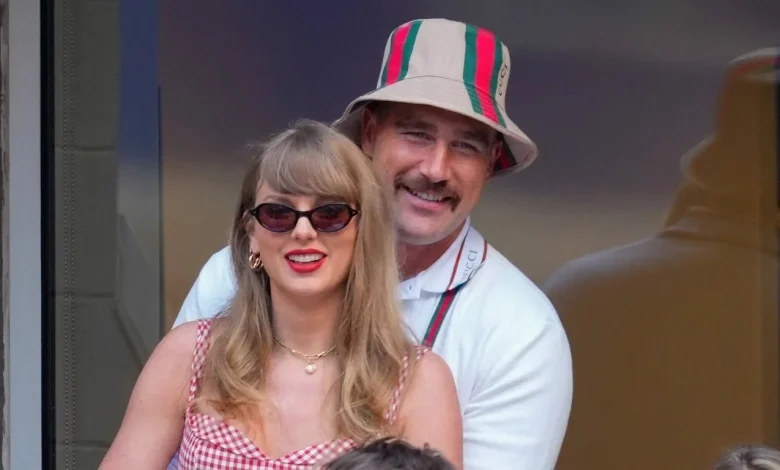
Table of Contents
Taylor Swift has officially reimbursed New York City for the municipal services, security detail, and logistical operations that accompanied her highly publicized, multi-day wedding festivities over the Fourth of July weekend in 2026. The pop superstar and her partner, Kansas City Chiefs star tight end Travis Kelce, chose the world-famous Madison Square Garden in Midtown Manhattan as the setting for their historic wedding ceremony on July 3, 2026. This monumental union, widely heralded as the closest equivalent to an American royal wedding, transfixed both local residents and a global audience of millions. Despite sweltering summer temperatures reaching a staggering 100 degrees Fahrenheit, thousands of fans and hundreds of media outlets descended upon the surrounding streets of Midtown Manhattan, creating a security and crowd control challenge of unprecedented scale. To commemorate the high-profile occasion, even the iconic Empire State Building joined in the celebrations, lighting up its tower in a brilliant shade of “something blue” as the couple officially tied the knot.
The Star-Studded Madison Square Garden Nuptials
The decision to host a private wedding ceremony in a venue of MSG’s scale required months of planning, tight logistical coordination, and absolute discretion. The public buildup to the event was characterized by intense speculation. For weeks, rumors circulated about major street closures in Midtown Manhattan, massive shipments of high-end floral arrangements, and elaborate staging materials being ushered into the arena. Once the vows were exchanged on Friday night, the deep veil of secrecy finally lifted. A massive marquee outside the arena lit up with the stylized proclamation “JUST&T MARRIED!”, signaling to the gathered crowds and the media that the union was official. The event has set a new benchmark for celebrity weddings, blending the sheer scale of stadium entertainment with the intimacy of a private family gathering.
A Secret Garden Transformation Inside MSG
Inside the historic walls of Madison Square Garden—typically home to the newly crowned NBA champion New York Knicks—the production teams pulled off a jaw-dropping aesthetic transformation. The concrete floors and traditional stadium layout of the massive athletic arena were completely converted into an ethereal, lush sanctuary. Under a shroud of extreme security, designers constructed a massive, castle-like structure enveloped by an indoor garden overflowing with thousands of peach-colored roses, hanging floral arrangements, and cascading greenery. The venue featured sprawling peach-colored drapes and custom carpets that masked the athletic facility. According to details shared briefly by guests on social media, the couple displayed towering montages of childhood and relationship photographs dating back through their lives. The vows, which both the bride and groom penned themselves, were described as deeply emotional, humorous, and captivating, bringing many of their close family members and superstar guests to tears.
| Wedding Detail Category | Key Information & Metrics |
|---|---|
| Date of Ceremony | July 3, 2026 |
| Primary Venue | Madison Square Garden (Midtown Manhattan, NYC) |
| Officiant | Adam Sandler (Comedian and Actor) |
| Total Reimbursed City Cost | Over $160,000 |
| Permit & Security Breakdown | $60,000 for street closure permits, $100,000+ for NYPD security response |
| Key Attending Guests | 1,000+ (Including Paul McCartney, Bradley Cooper, Gigi Hadid, Tom Brady) |
| Bridal Fashion | Christian Dior Haute Couture (designed by Jonathan Anderson), Cartier jewelry |
| Bridal Party | Austin Swift (Man of Honor), Jason Kelce (Best Man) |
Mayor Zohran Mamdani Confirms the Six-Figure Payment
New York City Mayor Zohran Mamdani publicly addressed the logistical and financial fallout of the wedding during a highly anticipated press conference on Friday, July 10, 2026. In his remarks, Mayor Mamdani confirmed that the singer did not leave the city’s taxpayers to shoulder the substantial expenses associated with the private event. The mayor revealed that the Swift-Kelce camp had already fully paid for the necessary city permits and the extensive police response required to manage the massive public footprint. “Taylor Swift has paid already the cost of the permit that was lodged, which was over $160,000 for that event and for the response to that event,” Mamdani stated, addressing questions from the press corps. The mayor further clarified that the permitting arrangements were finalized just days prior to the wedding itself, highlighting the fast-tracked, highly coordinated efforts between the city’s administrative departments and the couple’s operational team.
Political Context: Silencing the Taxpayer Outcry
The disclosure of the over $160,000 payment was not merely a routine administrative update; it served as a crucial political shield for the city’s administration. Following the wedding, several local political factions, particularly conservative and Republican critics, raised sharp questions regarding the heavy presence of NYPD officers on overtime duty during a private billionaire’s wedding. Detractors argued that public funds and municipal policing resources should not be diverted to subsidize the security of private elite gatherings. For Mayor Zohran Mamdani, a prominent member of the Democratic Socialists of America who assumed office as the 112th mayor of New York City on January 1, 2026, the issue carried significant ideological weight. Mamdani’s progressive platform has consistently focused on social equity, affordable housing, and protecting working-class resources. By confirming that the billionaire pop star had fully reimbursed the city, Mamdani effectively neutralized the political criticism, demonstrating that the administration holds the ultra-wealthy accountable for their public impact.
Analyzing the Permit Costs and City Resources Used
The logistics of hosting a 1,000-guest wedding in the heart of Midtown Manhattan are incredibly complex, necessitating substantial physical security and street closures. Documents indicate that the baseline permit to close down the highly trafficked streets surrounding Madison Square Garden cost approximately $60,000. These closures impacted three massive blocks between 31st Street and 34th Street along Seventh Avenue, as well as the entirety of 31st Street between Seventh and Eighth Avenues. To secure these perimeters and manage the massive crowds of spectators, the city deployed a heavy contingent of NYPD officers, barricades, and specialized security personnel. The remaining portion of the $160,000 payment—amounting to over $100,000—directly offset the costs of police overtime, traffic management, and municipal cleanup operations that took place throughout the holiday weekend.
The Permitting Process for High-Profile Private Events
To understand the legal structure behind this arrangement, it is necessary to examine how New York City manages high-impact private events. Under municipal guidelines, private individuals or corporations hosting large-scale events that significantly disrupt public infrastructure must apply for specialized permits. When an event requires dedicated public safety resources beyond standard patrol levels, the organizers are typically required to enter into Reimbursable Police Service Agreements. These agreements dictate that while the city provides the necessary staffing to maintain public order and safety on surrounding streets, the private entity must reimburse the city’s treasury for the associated labor costs and administrative overhead. This framework ensures that high-profile celebrities can secure the necessary safety measures for their events without placing an unfair financial burden on local taxpayers.

The Guest List: A Gathering of Global Icons
The sheer volume of security was entirely justified given the historic concentration of global superstars, political figures, and elite athletes in attendance. The ceremony, which was officiated by beloved comedian and actor Adam Sandler, featured a guest list of roughly 1,000 prominent individuals. Among the attendees were music legends Paul McCartney and Stevie Nicks, both of whom reportedly performed during the reception alongside pop stars Ciara and Fergie. The crowd was packed with Hollywood icons, including Bradley Cooper, Gigi Hadid, Lena Dunham, Jack Antonoff, Hugh Grant, Ethan Hawke, Jason Sudeikis, and Chris Rock. The sports world was equally represented, with Travis Kelce’s head coach Andy Reid, teammate Chris Jones, and NFL greats like Tom Brady and Cooper Kupp witnessing the historic vows. Managing the safety of such a high-concentration group of public figures required a level of security typically reserved for heads of state.
Inside the High-Security Lockdowns and NDAs
To guarantee absolute privacy and prevent unauthorized media coverage, the Swift-Kelce team implemented an ironclad security protocol. All event staff, caterers, musicians, and municipal workers were required to sign strict non-disclosure agreements carrying massive financial penalties for any unauthorized disclosures. Furthermore, guests were subjected to a mandatory “no cell phone” policy, with all mobile devices securely checked into specialized locked pouches at the entrance of Madison Square Garden. Outside the arena, heavy privacy tents, opaque tarps, and metal barricades were erected to block the line of sight from nearby high-rise buildings and street-level vantage points. While minor details and paparazzi shots of arriving guests inevitably leaked to outlets like TMZ and the Daily Mail, the core of the ceremony remained shielded from the public eye.
How the “Taylor Swift Effect” Impacted Mid-Manhattan
The physical impact of the wedding on Midtown Manhattan was profound, highlighting the massive cultural footprint of the “Taylor Swift Effect.” Throughout the first week of July, the areas surrounding Penn Station and Madison Square Garden experienced significant pedestrian congestion and altered traffic patterns. Thousands of dedicated fans, known globally as “Swifties,” camped out along the permissible perimeters of Seventh Avenue in hopes of catching a fleeting glimpse of the bride or her famous guests. The city’s transit and traffic enforcement departments had to continuously adapt, rerouting public buses and managing the massive flow of commuters exiting Penn Station directly beneath the wedding venue. The seamless execution of these logistics, despite the intense summer heat, stands as a testament to the city’s operational capabilities.
The Economic Fallout and Local Business Disruptions
While the wedding generated immense global publicity and drew thousands of tourists to New York City, it also presented challenges for local business owners in Midtown. The total closure of multiple streets and the restriction of pedestrian access forced several retail shops, cafes, and restaurants in the immediate vicinity of Madison Square Garden to close their doors or operate at a severely reduced capacity during what is typically a busy holiday weekend. However, tourism analysts suggest that the overall economic impact on the city was highly positive. Hotels across Manhattan reported near-capacity booking rates, and high-end restaurants and luxury car services experienced a major surge in demand from the influx of wealthy out-of-town wedding guests.
A Cultural Phenomenon: The Closest to an American Royal Wedding
Ultimately, the union of Taylor Swift and Travis Kelce at Madison Square Garden will be remembered as one of the defining pop culture milestones of the decade. Bridging the worlds of record-breaking musical achievement and elite professional sports, the event captured the collective imagination of the public in a way few modern occurrences can. By proactively paying over $160,000 to cover the municipal costs of her wedding, Taylor Swift demonstrated a level of civic accountability that sets a commendable standard for other high-net-worth individuals. The prompt reimbursement resolved potential public relations conflicts and allowed fans and the city alike to celebrate a historic moment of joy, love, and cultural unity in the heart of New York City.