Austin Shootings: Youths in Custody After Weekend Spree Injures Four
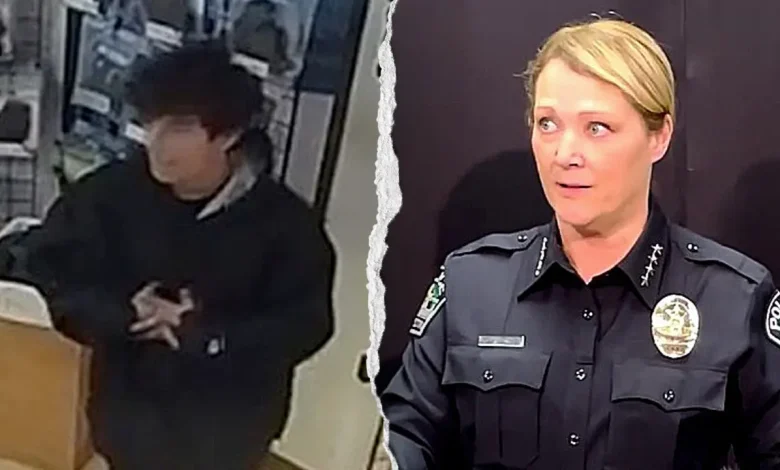
Overview of the Austin Shootings
A wave of random shootings struck Austin, Texas, over a weekend, leaving four people injured and the community on edge. City officials reported that at least ten separate shooting incidents occurred from Saturday afternoon to Sunday morning. The suspects, identified as two juveniles and one other individual, targeted various locations across the city, including fire stations, apartment buildings, and private residences. The series of violent acts prompted a shelter-in-place order for a significant portion of South Austin as law enforcement worked to apprehend those responsible. The quick response by the Austin Police Department and other local agencies was crucial in containing the situation and preventing further harm to the public. This incident underscores the ongoing challenges cities face in addressing gun violence and ensuring public safety. Understanding the details of these events, the subsequent investigation, and the community’s response is essential for developing effective strategies to prevent future occurrences. The situation also highlights the complex issues of juvenile crime, firearm theft, and the broader societal factors contributing to such acts of violence.
Details of the Incident
The shooting spree began on Saturday afternoon and continued into Sunday morning, with at least ten distinct incidents reported across Austin. The suspects, driving in stolen vehicles, indiscriminately fired upon various targets, creating a widespread sense of fear and uncertainty. Among the locations targeted were two fire stations, which serve as critical community resources, as well as apartment buildings and private homes, where residents were placed at immediate risk. The seemingly random nature of the attacks suggests a lack of specific motive beyond causing chaos and harm. The use of stolen vehicles facilitated the suspects’ mobility, allowing them to cover a large area of the city within a short period. This mobility complicated law enforcement’s initial efforts to track and apprehend them. The Austin Police Department has been meticulously gathering evidence from each of the shooting locations to piece together a comprehensive understanding of the timeline and sequence of events. This includes collecting ballistic evidence, reviewing surveillance footage, and interviewing witnesses to establish a clear picture of the suspects’ actions. The injured victims received prompt medical attention, and their conditions have been closely monitored. The psychological impact on the broader community is also a significant concern, with many residents expressing heightened anxiety and a sense of vulnerability following the shootings. Addressing both the physical and emotional needs of those affected is a priority for city officials and community support organizations.
Arrests and Custody of the Suspects
The Austin Police Department’s efforts to apprehend the suspects culminated in the arrest of two juveniles, aged 15 and 17, after they were pulled over in a stolen vehicle. The two attempted to flee on foot, but were quickly apprehended by officers. A third individual, who was initially at large, was later taken into custody by Manor police. At the time of the initial arrest, the extent of the third individual’s involvement in the shootings was still under investigation. Securing the suspects was a critical step in restoring a sense of safety and security to the community. The 17-year-old suspect was already wanted for a separate firearm theft, adding another layer of complexity to the case. The 15-year-old suspect is believed to have stolen the firearm used in the shootings. The suspects are currently being held in custody as the investigation continues. Law enforcement is working to gather additional evidence and build a solid case against them. This includes conducting forensic analysis, interviewing witnesses, and reviewing digital records. The District Attorney’s office is preparing to file formal charges, which will reflect the severity of the crimes committed. Given the ages of two of the suspects, the legal proceedings may involve juvenile courts, which have different protocols and sentencing guidelines than adult criminal courts. The apprehension of the suspects represents a significant milestone in the investigation, but the process of seeking justice and holding them accountable is only just beginning.
Impact on the Austin Community
The random shootings have had a profound impact on the Austin community, creating a climate of fear and anxiety. Residents have expressed concerns about their safety and security, particularly in the areas where the shootings occurred. The sense of vulnerability has been amplified by the seemingly random nature of the attacks, which has left many feeling that anyone could be a potential target. The shelter-in-place order, while necessary to facilitate the search for the suspects, further heightened the sense of disruption and unease. Businesses in the affected areas experienced temporary closures, and community events were postponed or canceled. The long-term psychological effects on residents are a significant concern. Many may experience heightened stress, anxiety, and difficulty sleeping. Children may be particularly affected, requiring additional support and reassurance from parents and educators. Community leaders and mental health professionals are working to provide resources and support to those in need. This includes offering counseling services, organizing community forums, and disseminating information about coping strategies. The incident has also sparked broader conversations about gun violence, public safety, and the need for preventive measures. Residents are calling for increased police presence, stricter gun control laws, and greater investment in community-based programs aimed at addressing the root causes of violence. Healing the community and rebuilding trust will require a sustained and collaborative effort involving law enforcement, government agencies, community organizations, and individual citizens.
Police Response and Investigation
The Austin Police Department (APD) mobilized quickly in response to the shootings, launching a comprehensive investigation and coordinating with other law enforcement agencies to apprehend the suspects. The APD deployed additional officers to patrol the affected areas, providing a visible presence and reassuring residents. The department also established a command center to coordinate the investigation and disseminate information to the public. The use of technology played a crucial role in the police response. Investigators reviewed surveillance footage from security cameras, analyzed ballistic evidence, and utilized social media to gather leads and track the suspects’ movements. The APD also collaborated with the Manor Police Department, which assisted in the apprehension of the third suspect. Chief Lisa Davis of the Austin Police Department provided regular updates to the community, sharing information about the investigation and reassuring residents that everything possible was being done to ensure their safety. The APD’s investigation is ongoing, with detectives continuing to gather evidence, interview witnesses, and analyze forensic data. The department is also working to identify any potential motives for the shootings and determine whether the suspects acted alone or were part of a larger network. The APD is committed to holding those responsible accountable and working to prevent similar incidents from occurring in the future. This includes collaborating with community organizations to address the underlying causes of violence and implementing strategies to reduce gun crime. The investigation also highlights the challenges law enforcement faces in responding to rapidly evolving situations and the importance of effective communication and coordination.
Legal Implications for the Suspects
The legal ramifications for the three suspects involved in the Austin shootings are significant, with the potential for severe penalties depending on the charges and the outcomes of the court proceedings. Given that two of the suspects are juveniles (ages 15 and 17), their cases may be handled in the juvenile justice system, which focuses on rehabilitation and diversion rather than strict punishment. However, depending on the severity of the charges and their prior criminal records, they could be tried as adults, which would expose them to the full range of penalties available under Texas law. The charges they face could include aggravated assault with a deadly weapon, robbery, and potentially attempted murder, depending on the specific facts and circumstances of each shooting incident. The theft of the firearm and the stolen vehicles also carry separate charges, which could add to their overall sentences. The prosecution will need to prove beyond a reasonable doubt that the suspects committed the crimes with which they are charged. This will involve presenting evidence such as witness testimony, forensic analysis, and surveillance footage. The defense attorneys will likely argue for leniency, particularly in the cases of the juvenile suspects, emphasizing their potential for rehabilitation and the mitigating circumstances that may have contributed to their actions. The legal proceedings could take months or even years to resolve, depending on the complexity of the case and the availability of court resources. Ultimately, the courts will determine the appropriate sentences, which could range from probation and community service to lengthy prison terms. The legal outcomes will not only have a significant impact on the lives of the suspects but also serve as a message to the community about the consequences of violence and criminal behavior.
The Role of Stolen Vehicles
The use of stolen vehicles by the suspects in the Austin shootings played a significant role in facilitating their crime spree. Stolen vehicles provided them with a means of transportation that was difficult to track, allowing them to move quickly between different locations and evade law enforcement. The fact that the vehicles were stolen also suggests a disregard for the law and a willingness to engage in further criminal activity. The ease with which the suspects were able to acquire and operate stolen vehicles raises questions about vehicle theft prevention measures and the effectiveness of law enforcement efforts to recover stolen vehicles. Law enforcement agencies often work to combat vehicle theft through various strategies, including increased patrols in high-theft areas, public awareness campaigns, and the use of technology such as license plate readers. Auto theft can be associated with other criminal activities, such as drug trafficking and organized crime, making it a priority for law enforcement to address. The suspects’ use of stolen vehicles also complicated the investigation, as it required law enforcement to track down the vehicles’ owners and determine when and how they were stolen. This added to the time and resources required to apprehend the suspects. Addressing the issue of vehicle theft is essential for reducing crime and improving public safety. This requires a multi-faceted approach involving law enforcement, government agencies, and community organizations.
Firearm Theft and Gun Violence
The firearm used in the Austin shootings was reportedly stolen by the 15-year-old suspect, highlighting the connection between firearm theft and gun violence. Stolen firearms often end up in the hands of criminals, who use them to commit violent crimes. This underscores the importance of responsible gun ownership and secure storage practices to prevent firearms from being stolen. The Bureau of Alcohol, Tobacco, Firearms and Explosives (ATF) tracks firearm theft and works with law enforcement agencies to recover stolen firearms and prosecute those involved in firearm theft. Many states have laws requiring gun owners to report stolen firearms, but these laws vary in their scope and enforcement. Firearm theft can occur through various means, including burglaries, vehicle break-ins, and even theft from family members or acquaintances. Addressing firearm theft is a critical component of efforts to reduce gun violence. This requires a combination of strategies, including promoting responsible gun ownership, enacting stricter gun control laws, and increasing law enforcement efforts to recover stolen firearms and prosecute those involved in firearm theft. The availability of illegally obtained firearms contributes to the cycle of violence and makes it more difficult for law enforcement to prevent and solve gun crimes. Reducing gun violence requires a comprehensive approach that addresses both the supply and demand for illegal firearms.
Shelter-In-Place Order
The city-wide shelter-in-place order issued during the search for the suspects reflects the severity of the situation and the potential threat to public safety. A shelter-in-place order directs residents to stay indoors and avoid contact with the outside world, typically during emergencies such as active shooter situations, hazardous materials spills, or natural disasters. The purpose of a shelter-in-place order is to protect residents from immediate danger and allow law enforcement or other emergency responders to address the situation without interference. During a shelter-in-place order, residents are typically advised to close and lock all windows and doors, turn off ventilation systems, and stay away from windows. They may also be advised to stay tuned to local news and emergency broadcasts for updates and instructions. The decision to issue a shelter-in-place order is typically made by local government officials or law enforcement agencies, based on the specific circumstances of the emergency. The order is typically lifted once the threat has been neutralized or the emergency has passed. While shelter-in-place orders can be disruptive and inconvenient, they are an important tool for protecting public safety during emergencies. The effectiveness of a shelter-in-place order depends on residents’ willingness to comply with the instructions and their ability to access reliable information about the situation. Communicating effectively with the public is essential for ensuring that shelter-in-place orders are implemented safely and effectively. The shelter-in-place order was lifted once two suspects were in custody, demonstrating that the immediate threat had been diminished.
Official Statements and Community Reactions
Following the shootings, official statements from city officials and law enforcement leaders aimed to reassure the community and provide updates on the investigation. Austin Police Chief Lisa Davis held press conferences to inform the public about the status of the investigation, the apprehension of the suspects, and the ongoing efforts to ensure public safety. These statements also served to express sympathy for the victims and their families and to condemn the acts of violence. City officials emphasized their commitment to addressing gun violence and working to create a safer community for all residents. Community leaders also issued statements calling for unity and resilience in the face of adversity. They organized community meetings and events to provide support and resources to those affected by the shootings. Many residents expressed their outrage and frustration over the violence, while others offered messages of hope and solidarity. Social media platforms became a space for community members to share their thoughts and feelings, organize support efforts, and demand action from elected officials. The community’s response to the shootings reflects a deep sense of concern and a desire to come together to address the underlying causes of violence. Official statements and community reactions play a crucial role in shaping public perceptions and influencing policy responses in the aftermath of such incidents. The leadership shown by city officials, law enforcement, and community leaders can help to foster a sense of healing and recovery in the wake of tragedy.
Comparison to Similar Incidents
The Austin shootings bear similarities to other incidents of random gun violence that have occurred in cities across the United States. These incidents often involve suspects who are young, acting alone or in small groups, and targeting random victims. The motives for such shootings can vary, but they often involve a combination of factors, including mental health issues, access to firearms, and exposure to violence. Comparing the Austin shootings to similar incidents can help to identify patterns and trends that may inform prevention efforts. For example, studies have shown that access to firearms is a significant risk factor for gun violence, particularly among young people. Similarly, exposure to violence, whether through personal experience or media exposure, can increase the likelihood of violent behavior. Many cities have implemented strategies to address gun violence, including community-based prevention programs, violence interrupter programs, and focused deterrence initiatives. These programs aim to reduce gun violence by addressing the underlying causes of violence, intervening in conflicts before they escalate, and holding offenders accountable. The effectiveness of these programs varies depending on the specific context and the resources available. Evaluating the outcomes of different approaches can help to identify best practices and inform future prevention efforts. Learning from past incidents and sharing knowledge across communities is essential for reducing gun violence and improving public safety. Recent incidents have highlighted the challenges of balancing public safety with individual rights, particularly in the context of gun control.
Long-Term Solutions and Prevention
Addressing the root causes of gun violence and implementing long-term solutions is essential for preventing future incidents like the Austin shootings. This requires a multi-faceted approach that involves addressing poverty, inequality, mental health, and access to firearms. Investing in community-based programs that provide support and opportunities for young people can help to reduce violence and improve life outcomes. These programs can include mentoring, job training, and access to education and healthcare. Addressing mental health issues is also critical, as many individuals who commit violent acts suffer from undiagnosed or untreated mental illnesses. Expanding access to mental health services and reducing the stigma associated with mental illness can help to prevent violence. Implementing stricter gun control laws, such as universal background checks and bans on assault weapons, can help to reduce access to firearms and prevent gun violence. However, these laws must be carefully crafted to respect the Second Amendment rights of law-abiding citizens. Building trust between law enforcement and the community is also essential for preventing violence. This requires transparency, accountability, and a commitment to community policing. Long-term solutions also require addressing the underlying social and economic factors that contribute to violence, such as poverty, inequality, and lack of opportunity. This requires a comprehensive approach that involves government agencies, community organizations, and individual citizens working together to create a safer and more equitable society. Promoting peace and non-violence through education and community initiatives can also help to change attitudes and behaviors and reduce the likelihood of violence. The recent events in Austin serve as a reminder of the urgent need to address gun violence and create safer communities for all. Addressing complex issues like these often requires diplomatic solutions, such as backchannel diplomacy, which could be used to foster communication and understanding.
| Aspect | Details |
|---|---|
| Incidents | At least 10 random shootings |
| Injuries | Four people injured |
| Suspects | Two juveniles (15 and 17), one adult |
| Locations | Fire stations, apartment buildings, houses |
| Vehicles | Stolen vehicles used |
| Firearm | Stolen firearm used |
| Order | Shelter-in-place order issued and lifted |