Aircrew Ejects After Navy EA-18G Collision at Gunfighter Skies Air Show
Introduction
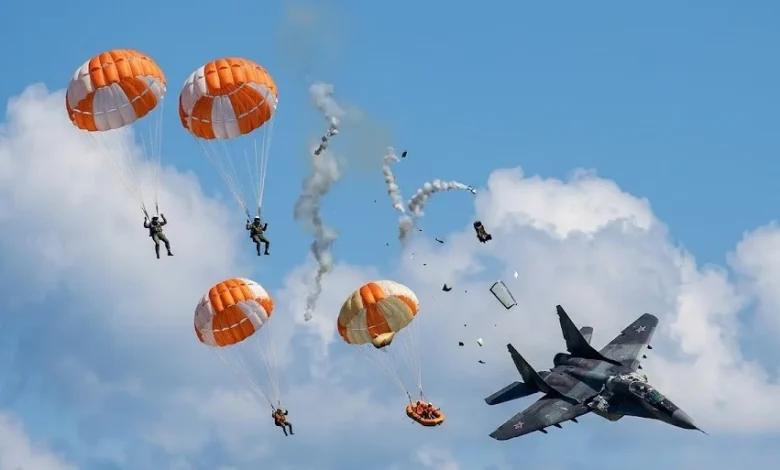
In a dramatic turn of events during the second day of the Gunfighter Skies Air Show, all four members of an aircrew successfully ejected from two Navy EA-18G aircraft just before a collision. The incident occurred approximately two miles northwest of the air base at 12:10 p.m. local time. According to Cmdr. Amelia Umayam, a spokesperson for the U.S. Pacific Fleet’s Naval Air Forces, the aviators were performing an aerial demonstration as part of the air show when the mishap occurred. This event has raised concerns about air show safety and the protocols in place to prevent such incidents. The successful ejection of all aircrew members is a testament to the rigorous training and safety equipment provided to naval aviators, but the incident will undoubtedly trigger a thorough investigation into the causes and contributing factors.
Incident Overview
The collision involved two EA-18G Growler aircraft assigned to Electronic Attack Squadron (VAQ) 129, based out of Whidbey Island, Washington. The aircraft were part of an aerial demonstration team performing at the Gunfighter Skies Air Show, an event designed to showcase the capabilities of military aircraft and the skills of their pilots. The exact circumstances leading to the collision are still under investigation, but initial reports indicate that the incident happened during a complex maneuver. The fact that all four aircrew members ejected suggests a rapid and critical response to an emergency situation, highlighting the training and procedures in place for such events. The location of the crash, just northwest of the base, indicates the aircraft were still in the vicinity of the airfield, which is typical for air show performances.
Immediate Response and Condition of the Aircrew
Following the collision, emergency response teams were immediately dispatched to the crash site. The priority was to ensure the safety and well-being of the ejected aircrew. Initial reports confirmed that all four members were in stable condition, a significant relief given the severity of the incident. The aircrew members were promptly transported to medical facilities for thorough evaluations and any necessary treatment. The quick and efficient response of the emergency teams likely played a crucial role in ensuring the positive outcome for the aircrew. The incident also prompted the immediate suspension of the Gunfighter Skies Air Show, as authorities focused on securing the area and commencing the investigation. Ensuring the safety of the public and preventing further incidents were paramount concerns.
Aircraft Details: EA-18G Growler
The EA-18G Growler is a highly sophisticated electronic warfare aircraft derived from the F/A-18F Super Hornet. Its primary mission is to suppress enemy air defenses by disrupting and neutralizing enemy radar and communication systems. The Growler is equipped with a wide array of advanced electronic warfare equipment, including ALQ-99 tactical jamming pods, advanced radar, and communication systems. These capabilities allow the Growler to effectively jam enemy signals, providing cover for other aircraft and ground forces. The aircraft is also capable of carrying air-to-air missiles for self-defense. The EA-18G’s advanced technology and versatility make it a critical asset in modern naval aviation. Understanding the capabilities and operational context of the EA-18G is crucial to analyzing the potential factors that may have contributed to the collision. Given the sensitive nature of its technology, the integrity of the wreckage will be a key concern during the investigation. You might also be interested in reading about the U.S. approach to international arms deals, similar to the Strait of Hormuz deal.
VAQ-129: Electronic Attack Squadron
Electronic Attack Squadron (VAQ) 129, also known as the “Vikings,” is the Fleet Replacement Squadron (FRS) for the EA-18G Growler. Based at Naval Air Station Whidbey Island, Washington, VAQ-129 is responsible for training all U.S. Navy and Marine Corps EA-18G aircrew and maintenance personnel. The squadron provides comprehensive training in electronic warfare tactics, techniques, and procedures. VAQ-129 plays a vital role in ensuring that the fleet is equipped with highly skilled and proficient electronic warfare specialists. The squadron’s mission is critical to maintaining the Navy’s electronic warfare capabilities and readiness. Given that the aircraft involved in the collision belonged to VAQ-129, the investigation will likely examine the squadron’s training protocols, maintenance records, and operational procedures to identify any potential contributing factors. Understanding the role and responsibilities of VAQ-129 is essential for a comprehensive analysis of the incident.
Gunfighter Skies Air Show
The Gunfighter Skies Air Show is a public event designed to showcase the capabilities of military aircraft and the skills of military aviators. These air shows typically feature a variety of aerial demonstrations, static displays of aircraft, and opportunities for the public to interact with military personnel. Air shows serve multiple purposes, including public outreach, recruitment, and demonstration of military readiness. They also provide a platform for showcasing technological advancements in aviation. The Gunfighter Skies Air Show, like other similar events, adheres to strict safety regulations and protocols to minimize the risk of accidents. However, the inherent risks associated with aerial demonstrations mean that accidents, while rare, can occur. The collision during the Gunfighter Skies Air Show underscores the importance of continuous evaluation and improvement of safety measures at such events. The impact of such events can also be seen in community reactions, similar to how the public might react to news covered in Boston Mayor Wu’s wellness voucher program.
Potential Causes of the Collision
Determining the exact cause of the collision will require a thorough and comprehensive investigation. Several potential factors could have contributed to the incident. These include:
* **Mechanical Failure:** A malfunction in one or more of the aircraft’s systems could have impaired the pilots’ ability to control the aircraft.
* **Pilot Error:** Mistakes made by the pilots during the aerial demonstration could have led to the collision. This could include misjudgment of distances, improper execution of maneuvers, or failure to adhere to established procedures.
* **Environmental Factors:** Weather conditions, such as wind or visibility, could have played a role in the incident. Although air shows typically operate under favorable weather conditions, unexpected changes can occur rapidly.
* **Communication Issues:** A breakdown in communication between the pilots or between the pilots and ground control could have contributed to the collision. Clear and effective communication is essential during complex aerial maneuvers.
* **Air Traffic Control Issues:** Although air shows typically have dedicated air traffic control personnel, errors in air traffic management could potentially contribute to an accident.
Analyzing these and other potential factors will be crucial to understanding the root cause of the collision and preventing similar incidents in the future. The investigation will likely involve reviewing flight data recorders, interviewing witnesses, and conducting detailed inspections of the aircraft wreckage.
Safety Protocols and Air Shows
Air shows are complex events that require meticulous planning and adherence to strict safety protocols. These protocols are designed to minimize the risk of accidents and ensure the safety of both the performers and the spectators. Key safety measures include:
* **Flight Planning:** Detailed flight plans are developed for each aerial demonstration, outlining the maneuvers to be performed, the altitudes and speeds to be maintained, and the separation distances between aircraft.
* **Pilot Training:** Pilots participating in air shows undergo rigorous training and certification to ensure they are proficient in performing the planned maneuvers safely.
* **Aircraft Maintenance:** Aircraft are subject to thorough maintenance inspections to ensure they are in safe operating condition.
* **Air Traffic Control:** Dedicated air traffic control personnel are responsible for managing the airspace during the air show, ensuring that aircraft maintain safe separation distances and adhere to flight plans.
* **Emergency Procedures:** Comprehensive emergency procedures are in place to address potential accidents or incidents, including procedures for search and rescue, medical response, and crowd control.
* **Weather Monitoring:** Weather conditions are continuously monitored, and air shows are typically suspended or canceled if conditions are deemed unsafe.
Despite these safety measures, the inherent risks associated with aerial demonstrations mean that accidents can still occur. Continuous evaluation and improvement of safety protocols are essential to minimizing these risks. It is also important to consider the potential impact on international relations, much like the discussions that might arise during ceasefire talks in Tehran.
Historical Context of Air Show Accidents
Unfortunately, air show accidents are not unprecedented. Throughout the history of aviation, there have been numerous incidents involving military and civilian aircraft at air shows. These accidents have resulted in injuries, fatalities, and significant property damage. Analyzing historical air show accidents can provide valuable insights into the causes of these incidents and help inform efforts to improve safety protocols. Some common factors that have contributed to air show accidents include pilot error, mechanical failure, weather conditions, and inadequate safety measures. Studying these past incidents can help identify trends and patterns that can be used to prevent future accidents. It is important to recognize that while air shows are intended to be entertaining and informative, they also involve inherent risks that must be carefully managed. Learning from past mistakes is essential to ensuring the safety of both performers and spectators at air shows.
Investigation Process
The investigation into the collision of the two EA-18G Growler aircraft will be a comprehensive and multi-faceted process. The primary goal of the investigation is to determine the root cause of the incident and to identify any contributing factors that may have played a role. The investigation will likely be led by a team of experienced aviation safety experts from the U.S. Navy and potentially other relevant agencies. The investigation process will involve several key steps:
1. **Securing the Crash Site:** The first step will be to secure the crash site to prevent any further damage or contamination of evidence. This will involve establishing a perimeter around the site and restricting access to authorized personnel only.
2. **Collecting Evidence:** Investigators will collect all available evidence from the crash site, including wreckage from the aircraft, flight data recorders (black boxes), and any other relevant materials.
3. **Interviewing Witnesses:** Investigators will interview witnesses who may have observed the collision, including pilots, air traffic controllers, and spectators.
4. **Analyzing Data:** The data collected from the flight data recorders will be analyzed to reconstruct the events leading up to the collision. This data can provide valuable information about the aircraft’s speed, altitude, and heading, as well as the pilots’ actions.
5. **Inspecting Aircraft Maintenance Records:** Investigators will review the maintenance records for both aircraft to identify any potential mechanical issues that may have contributed to the collision.
6. **Evaluating Pilot Training and Experience:** The training records and experience levels of the pilots involved will be evaluated to determine if any deficiencies may have played a role.
7. **Determining the Cause:** After analyzing all available evidence, the investigation team will develop a comprehensive report outlining the probable cause of the collision and any contributing factors.
The findings of the investigation will be used to develop recommendations for preventing similar incidents in the future. These recommendations may include changes to flight procedures, maintenance protocols, pilot training, or air traffic control procedures.
Impact on Naval Aviation
The collision of the two EA-18G Growler aircraft is likely to have a significant impact on naval aviation. In the immediate aftermath of the incident, the U.S. Navy will likely conduct a safety stand-down to review safety procedures and protocols across the fleet. This stand-down may involve grounding all EA-18G Growler aircraft until the investigation is complete and any necessary corrective actions have been taken. The incident may also lead to changes in air show procedures and regulations to further minimize the risk of accidents. In the long term, the investigation’s findings may result in changes to pilot training programs, aircraft maintenance protocols, or air traffic control procedures. The incident could also impact the operational readiness of the EA-18G Growler fleet, as aircraft may be grounded for inspections or modifications. Despite these challenges, the U.S. Navy is committed to maintaining the highest standards of safety and operational excellence in its aviation programs. As with any high-profile event, this might also lead to increased scrutiny on related topics; for example, the public may become more concerned about data access concerns.
Community and Public Reaction
The collision during the Gunfighter Skies Air Show has undoubtedly had a significant impact on the local community and the public at large. Air shows are often popular events that attract large crowds and generate significant economic activity for the surrounding area. The cancellation of the air show following the collision will likely result in disappointment for many attendees and a loss of revenue for local businesses. The incident may also raise concerns about the safety of air shows and the risks associated with military aviation. The public’s reaction to the collision will likely depend on several factors, including the severity of the incident, the perceived cause of the collision, and the transparency of the investigation. It is important for the U.S. Navy and other relevant authorities to communicate openly and honestly with the public about the incident and the steps being taken to prevent similar accidents in the future. Providing accurate and timely information can help to alleviate concerns and maintain public trust. The effect on public morale can sometimes mirror reactions to broader political events, such as the controversies surrounding grant suspensions.
Conclusion
The collision of two EA-18G Growler aircraft during the Gunfighter Skies Air Show is a serious incident that will have far-reaching consequences. While the successful ejection of all four aircrew members is a positive outcome, the incident underscores the inherent risks associated with aerial demonstrations and the importance of maintaining strict safety protocols. The investigation into the collision will be a complex and multi-faceted process, and its findings will likely lead to changes in naval aviation procedures and regulations. The incident also serves as a reminder of the dedication and skill of the men and women who serve in the U.S. Navy, and the sacrifices they make to protect our nation. As the investigation progresses, it is essential to remain objective and to allow the facts to guide the analysis. Learning from this incident is crucial to preventing similar accidents in the future and ensuring the safety of both military personnel and the public.
| Aspect | Details |
|---|---|
| Aircraft Type | EA-18G Growler |
| Squadron | VAQ-129 (Electronic Attack Squadron) |
| Location | 2 miles NW of the air base |
| Aircrew Condition | All four ejected and in stable condition |
| Event | Gunfighter Skies Air Show |
| Possible Causes | Mechanical failure, pilot error, environmental factors, communication issues, air traffic control issues |