SpaceX Starship Orbital Catch: A New Era of Fully Reusable Space Exploration 2026
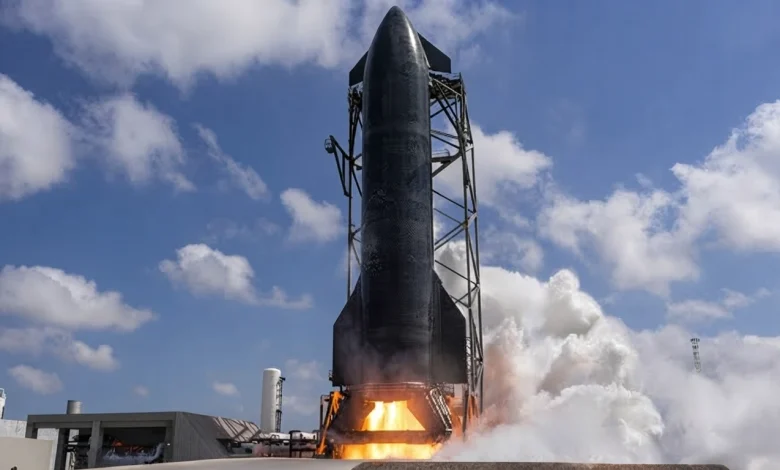
Table of Contents
In a watershed moment for aerospace engineering, SpaceX has successfully demonstrated the viability of the Starship spacecraft’s return to Earth by executing a precision catch of the massive vehicle. This 22-hour orbital voyage marks a significant triumph in humanity’s quest to make space travel fully reusable.
The Historic Orbital Return
Returning from a 22-hour journey, the 171-foot-tall Starship spacecraft navigated back into the atmosphere before descending upon the Texas launch site. For the first time in history, a rocket of this scale was captured by the tower’s mechanical arms, colloquially known as “Mechazilla.” The precision required to flip the craft vertical and land it within the structure represents a decade of iteration. As noted in recent financial reports regarding market performance related to SpaceX, these engineering feats have massive implications for sector growth.
The successful catch of Starship is not merely a test; it is the blueprint for multi-planetary infrastructure.
The Engineering Behind Mechazilla
The “Mechazilla” system uses two massive steel arms to clamp onto the rocket as it hangs momentarily in the air. This eliminates the need for landing gear, reducing weight and complexity. The heat-shielded exterior, scarred by the reentry, stands as a testament to the extreme conditions the vehicle endured. This advancement in materials science mirrors the broader push for innovation seen across the tech landscape, including breakthroughs in modern software AI discoveries.
| Metric | Details |
|---|---|
| Mission Duration | 22 Hours |
| Craft Height | 52 Meters (171 Feet) |
| Capture Mechanism | Mechazilla Arms |
| Primary Goal | Full Reusability |
Market and Industry Implications
The successful execution of this flight test signals a massive shift in orbital logistics. By significantly reducing the cost per flight through rapid reusability, SpaceX effectively disrupts traditional satellite deployment and deep-space mission planning. Investors and analysts are closely monitoring how these technical milestones influence the broader Nasdaq indices and technology sectors during periods of volatility. As the aerospace sector matures, we are seeing a convergence of legacy defense interests, as seen in the shifting regulatory landscape around Starshield technology policies.
Future Missions and Reusability
With this landmark mission concluded, the path toward a fully operational launch system looks clearer than ever. SpaceX is already preparing for the next iteration of testing, aiming to increase the frequency of orbital flights while refining the software and hardware responsible for the catch. The era of the “disposable rocket” is coming to a close, replaced by a sustainable, high-frequency launch model that will likely facilitate the next wave of human activity in low-earth orbit and beyond.