US Investigating Potential Iran Dirty Bomb Threat in Washington: Intelligence Report Analysis 2026

Table of Contents
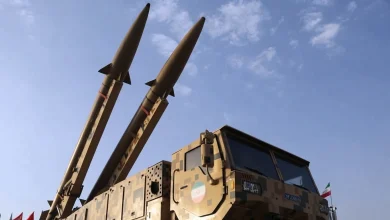
The national security landscape has shifted dramatically following reports that the United States is actively assessing intelligence regarding a potential Iranian plot to deploy a radiological dispersal device, commonly known as a ‘dirty bomb,’ within the nation’s capital. This development follows a series of reports, most notably from CNN, which have brought internal intelligence assessments to the forefront of the public consciousness.
The Context of the Intelligence Report
The origins of this concern trace back to classified assessments circulating within the US intelligence community. These reports suggest that Iranian-linked operatives may be exploring unconventional asymmetrical warfare strategies. While the threshold for such an attack is exceptionally high, authorities are treating the information with the gravity necessitated by such a potential outcome. The focus remains on the identification of any logistical movements or procurement activities that could point to the development or transport of hazardous radiological materials.
President Trump’s Formal Stance
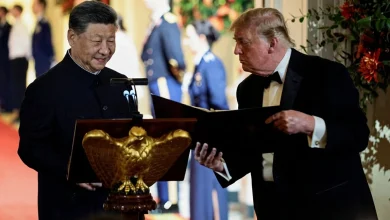
When pressed by members of the media on Tuesday, President Donald Trump confirmed that the US government is treating the possibility of such an attack with extreme seriousness. His response—a deliberate nod to a journalist’s inquiry regarding the specific threat in Washington—signaled a departure from previous ambiguities regarding regional state-sponsored actors. The administration’s rhetoric aligns with a broader strategy of deterrence, which has been documented in our ongoing coverage of Iran war strategy.
“We are taking every credible threat to the American homeland very seriously. Our intelligence and defense agencies are working around the clock to ensure that no such capability is ever realized on our soil,” the administration stated in a follow-up briefing.
Iran :Understanding the Dirty Bomb Threat
A dirty bomb, or Radiological Dispersal Device (RDD), is not a nuclear weapon. Instead, it uses conventional explosives to scatter radioactive material over a targeted area. While the immediate blast radius would likely be limited, the psychological and economic impact on a major metropolitan center like Washington, D.C., would be catastrophic. The decontamination process, long-term health concerns, and the disruption of government operations represent the true goals of such a tactic.
Escalating US-Iran Relations
This report surfaces amidst a period of heightened friction between Washington and Tehran. From regional maritime disputes to proxy conflicts, the volatility of the relationship is at an all-time high. The current situation echoes themes discussed in our analysis of Operation Epic, where the administration sought to consolidate its defensive posture. The implications of this latest threat assessment could lead to further economic sanctions or a realignment of US intelligence assets in the Middle East.
Conclusion and Path Forward
As the situation develops, the American public remains on alert. The interplay between intelligence gathering and political communication is critical in maintaining stability. While investigations continue, the US remains committed to preventing any state actor from compromising the safety of its citizens. For further insights into the administration’s broader geopolitical maneuvers, refer to our reporting on Starshield restrictions and the ongoing impact of these policies on global security.