GLP-1 Side Effects: Patient Strategies, Nutrition, and Health 2026
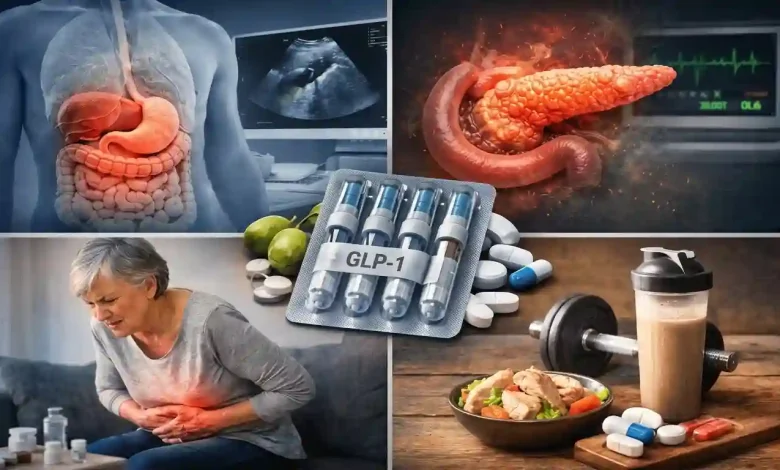
Table of Contents
GLP-1 side effects have taken center stage in modern preventive health dialogues as clinicians and patients reckon with the hidden complexities of modern anti-obesity pharmaceuticals. While incretin mimetics have transformed clinical endocrinology by offering unprecedented reductions in adiposity, they frequently introduce physiological hurdles that require structured lifestyle and nutritional responses. For patients navigating these potent therapeutic regimens, managing systemic adjustments has evolved from a secondary concern into an essential component of clinical longevity.
Allison Vecchio’s Journey: The Paradox of Incretin Therapy
For Allison Vecchio, a 42-year-old emergency room nurse based in Fort Pierce, Florida, commencing therapy with glucagon-like peptide-1 receptor agonists was intended to serve as a comprehensive reset button on life. Living with metabolic challenges, she embraced pharmaceutical intervention with genuine optimism, anticipating dramatic improvements in metabolic biomarkers and general vitality. In terms of weight reduction, the pharmaceutical delivered precisely as promised, curbing hunger cues and inducing notable caloric restriction. However, the physiological consequences were swift, unexpected, and physically destabilizing.
Instead of experiencing energized well-being, Vecchio encountered an array of debilitating symptoms. Severe gastrointestinal distress dominated her daily routine, characterized by persistent nausea, unpredictable motility, and profound digestive sensitivity. Her nails grew thin and brittle, hair thinning emerged, and an overwhelming weakness set in. At the lowest points of her therapeutic cycle, the physical exhaustion was so acute that she found herself unable to get out of bed, leaving an experienced healthcare professional temporarily immobilized by the very treatment designed to restore her vigor. Realizing that clinical medicine offered few non-pharmacological tools for these secondary symptoms, Vecchio turned to proactive supplementation, adopting a regimented protocol that cost between $200 and $300 monthly to regain baseline function.
Physiological Dynamics: How Incretin Mimetics Alter Metabolism
To grasp why these unintended complications arise, it is crucial to analyze the precise biological mechanisms of synthetic incretins. Glucagon-like peptide-1 is an endogenous peptide hormone secreted by the L-cells of the ileum and colon in response to nutrient ingestion. When pharmaceutical agents simulate this hormone at supraphysiological levels, they bind to receptors across the central nervous system, pancreas, stomach, and liver. By directly delaying gastric emptying and signaling satiety within the hypothalamic arcuate nucleus, the drug enforces sharp calorie deficits.
While this appetite blunting represents the cornerstone of therapies such as glp-1 weight loss drugs, the profound deceleration of the alimentary canal alters nutrient processing dynamics. Because gastric emptying slows markedly, ingested substances linger in the stomach far longer than natural digestive rhythms accommodate. This prolonged transit time facilitates profound caloric reduction, but concurrently alters gastric pH, impairs enzyme interactions, and disturbs normal motility cycles.
Gastrointestinal Distress and Gastric Emptying Delays
Gastrointestinal symptoms represent the most pervasive adverse events documented across major incretin clinical trials. When the stomach empties at a drastically slowed rate, individuals routinely experience persistent dyspepsia, acid reflux, epigastric fullness, and episodes of intractable nausea. Furthermore, when patients consume nutrient-dense meals or higher proportions of dietary lipids, the delayed processing can precipitate severe bloating and bouts of osmotic diarrhea or refractory constipation. As pharmaceutical developers engineer oral semaglutide formulations to improve patient compliance, addressing the baseline gastrointestinal interface remains an operational priority for gastroenterologists.
Micronutrient Depletion, Sarcopenia, and Severe Exhaustion
Beyond visceral gut distress, the most profound complication facing long-term incretin users centers on rapid, uncontrolled lean tissue loss and micronutrient deficiency. When caloric intake drops precipitously—often by 40 to 60 percent within the first few weeks—patients struggle to consume sufficient protein, essential fatty acids, and vital vitamins. This involuntary caloric deficit frequently triggers catabolic states where the human body metabolizes skeletal muscle alongside adipose stores to fulfill basic enzymatic and energetic needs.
The loss of skeletal muscle mass significantly suppresses the basal metabolic rate and impairs functional mobility, fostering severe physical fatigue. In tandem, inadequate intake of iron, zinc, sulfur-containing amino acids, and B-complex vitamins rapidly manifests as dermatological and structural distress, causing brittle nails, epidermal flakiness, and telogen effluvium. When healthcare providers evaluate tirzepatide clinical approvals and similar milestones, metabolic researchers repeatedly underline that preserving muscle integrity must remain a core therapeutic objective.
Nutritional Countermeasures: Formulating the Recovery Cocktail
Recognizing that passive waiting offered no relief, Allison Vecchio devised an intensive nutritional countermeasures protocol. Her realization—encapsulated in her observation that individuals must take the reins to transition from passive weight loss to genuine cellular wellness—embodies a growing grassroots and clinical paradigm. Confronted with nutrient gaps, patients are constructing tailored supplement strategies to preserve physiological equilibrium while maintaining therapeutic pharmacotherapy.
Soluble Fiber and Microbiome Rebalancing
The first tier of Vecchio’s restorative strategy involved introducing controlled doses of soluble prebiotic fiber. While rough, insoluble bulk can exacerbate gastroparesis-like symptoms in incretin patients, precise soluble fibers like partially hydrolyzed guar gum (PHGG) and psyllium husk act differently. These gentle fibers draw moisture into the stool, regulating stool transit without creating mechanical obstruction. In addition, colonic bacteria ferment soluble fiber into short-chain fatty acids (SCFAs), specifically butyrate, which nourishes colonocytes, reinforces intestinal tight junctions, and eases systemic inflammation.
Collagen, Electrolytes, and Cellular Hydration
The second and third pillars of the intervention centered on bioavailable collagen peptides and systemic electrolyte replenishment. Collagen hydrolysates supply foundational concentrations of glycine, proline, and hydroxyproline—amino acids directly required for structural rebuilding. By providing an easily digestible protein substrate that bypassed severe nausea, collagen consumption helped rebuild brittle nails, stabilized hair follicles, and supported joint cushioning under the duress of rapid weight shifting.
Equally vital was cellular hydration via balanced electrolyte solutions containing sodium, potassium, and magnesium citrate. Because hypocaloric diets and reduced carbohydrate intake deplete endogenous glycogen stores, the kidneys naturally excrete water and crucial minerals at an elevated tempo. This rapid electrolyte flushing often drives the profound weakness and lightheadedness described by Vecchio. Targeted supplementation restored cellular fluid dynamics, allowing mitochondrial ATP generation to normalize and lifting the heavy exhaustion that kept her bedridden.
The Hidden Financial Toll of Auxiliary Wellness Regimens
While auxiliary nutritional regimens demonstrate clear efficacy in restoring quality of life, they introduce a notable secondary economic barrier. Vecchio reported spending between $200 and $300 each month out of pocket solely on high-grade supplements, electrolyte powders, and bioavailable protein products. When coupled with the substantial cost of brand-name incretins—which frequently exceed $1,000 monthly when unsupported by insurance—the overall financial burden of chronic obesity management climbs significantly.
This auxiliary financial overhead highlights an evolving healthcare disparity. Patients with disposable income can readily mitigate debilitating side effects via premium nutritional protocols, while economically disadvantaged individuals may simply discontinue therapy due to unbearable physical discomfort. As the medical community assesses employer healthcare coverage trends, corporate wellness consultants argue that covering medical-grade nutritional counseling alongside pharmacological agents may substantially decrease discontinuation rates.
Clinical Guidance: Bridging Pharmacotherapy and Nutrition
Endocrinologists and functional medicine specialists are increasingly converging on the necessity of proactive dietary management during medical weight loss. Rather than addressing side effects retroactively after malnutrition sets in, progressive clinical practices now implement foundational dietary baselines on day one of treatment. Patients are taught to prioritize high-protein density, aim for 1.2 to 1.6 grams of protein per kilogram of body weight daily, and perform resistance training to stimulate muscle protein synthesis.
Moreover, clinicians caution against erratic self-dosing, which can occur during unsupervised treatment or as a consequence of telehealth prescribing errors. Regulatory watchdogs also maintain vigilance over alternative supply channels, notably through rigorous compounded peptide scrutiny, ensuring that patients receive verified pharmaceutical products rather than unvetted alternatives that might amplify gastrointestinal volatility.
Comparative Matrix: Symptoms, Etiology, and Targeted Mitigations
| Adverse Effect | Primary Physiological Etiology | Impact on Patient Function | Targeted Mitigation Strategy |
|---|---|---|---|
| Profound Gastric Distress | Decelerated peristalsis, delayed gastric emptying, altered enzymatic secretion. | Persistent nausea, reflux, postprandial vomiting, digestive aversion. | Fractional meal timing, soluble fiber (PHGG), avoidance of saturated dietary fats. |
| Extreme Physical Weakness | Hypocaloric exhaustion, rapid glycogen depletion, cellular electrolyte losses. | Inability to leave bed, postural hypotension, cognitive sluggishness. | Bioavailable electrolyte rehydration (magnesium, sodium, potassium), complex B-vitamins. |
| Integumentary Breakdown | Suboptimal dietary amino acids, zinc deficiency, lack of structural peptides. | Brittle splitting nails, telogen effluvium, epidermal dry desquamation. | Hydrolyzed collagen peptide supplementation, targeted zinc, biotin, and l-cysteine. |
| Lean Muscle Depletion | Unmonitored catabolic states driven by steep systemic caloric restrictions. | Metabolic rate slowing, loss of muscular power, increased frailty risk. | Progressive resistance training, daily targeted protein floor of 1.2–1.6 g/kg body weight. |
The Future of Metabolic Management and Sustained Vitality
As pharmaceutical pipelines expand into next-generation dual agonists and multi-hormonal peptide therapies, the clinical paradigm is maturing. The initial phase of celebrating unassisted weight reduction is giving way to a more sophisticated, whole-body perspective. Long-term health does not merely equal a lower number on a bathroom scale; it requires preserving metabolic rate, hormonal signaling, cognitive clarity, and skeletal density.
This ongoing evolution also shapes protocols surrounding pediatric metabolic therapies, where the nutritional stakes are significantly heightened during active physical development. Healthcare providers now recognize that turning mere weight loss into sustained metabolic wellness demands active patient agency. By pairing incretin therapies with strategic supplementation, structured strength conditioning, and clinical oversight, individuals like Allison Vecchio demonstrate that the path to lifelong vitality involves far more than an injection—it requires an intentional, comprehensive commitment to physical nourishment.