Iran Diplomacy Demanded as Hormuz Deadlock Deepens 2026
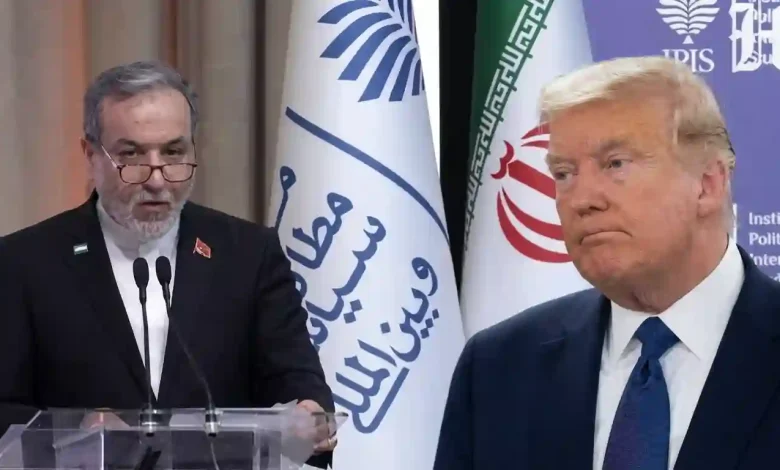
Table of Contents
Iran diplomacy represents the only viable resolution to the intensifying military and economic standoff gripping the Persian Gulf, according to senior officials in Tehran. Speaking after United States President Donald Trump formally spurned an Iranian proposal aimed at restoring maritime transit through the volatile maritime corridor, Iranian Foreign Minister Abbas Araqchi stated that any easing of naval interdictions remains firmly tethered to specific geopolitical concessions. Araqchi warned that unilateral pressure cannot coerce Tehran into capitulation, emphasizing that without mutual accommodation, international shipping lanes will endure persistent instability.
Iran Diplomacy and the Strategic Impasse in the Persian Gulf
The latest rupture highlights the widening chasm between Washington’s policy objectives and Tehran’s strategic sovereignty doctrines. For months, international commerce has faced extraordinary friction as naval skirmishes, electronic interference, and reciprocal sanctions have eroded confidence in Gulf trade corridors. In public remarks shared across official diplomatic channels, Araqchi asserted that the current military brinkmanship offers no structural exit for Washington or Tel Aviv. Tehran contends that external military deployments have destabilized maritime security rather than safeguarding commercial navigation.
As diplomatic channels strain, policymakers in Washington have weighed coercive measures against broader regional stability. While defense officials examine options ranging from expanded interdiction patrols to targeted strikes, Tehran has doubled down on asymmetric resistance. The rhetoric echoes recurring warnings regarding maritime chokepoints, reminiscent of broader regional posturing documented when Trump warns Iran UN delegations that unilateral maneuvers carry severe retaliatory consequences.
Abbas Araqchi Sets Red Lines for Hormuz Reopening
Tehran’s explicit conditioning of naval passage demonstrates an unwillingness to surrender leverage in exchange for symbolic concessions. In his statements, Araqchi underscored that the proposal delivered via regional intermediaries addressed core security concerns, including sanctions relief, sovereign guarantees, and the cessation of foreign military interference along Iran’s coastal littoral. The foreign minister insisted that Western powers cannot demand the unconditional opening of maritime corridors while simultaneously suffocating Iranian exports through punitive secondary embargos.
By demanding structural reciprocity, Tehran aims to bind global energy stability directly to its domestic economic survival. Analysts point out that this diplomatic calculus is not new; it mirrors past negotiating cycles where sovereign rights over territorial waters were deployed as bargaining chips. When evaluating the operational terms behind the current standoff, similar mechanics were visible in previous diplomatic backchannels, such as when Iran’s conditions reopen technical transit protocols were rejected by Western maritime task forces.
The White House Rejection: Trump’s Maximum Pressure Doctrine
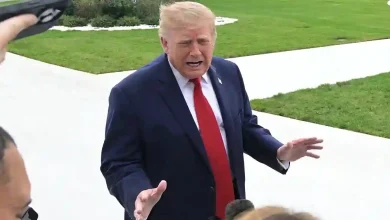
President Donald Trump dismissed the Iranian blueprint as fundamentally unacceptable, asserting that the United States will not negotiate under implicit threats to global energy corridors. The administration maintains that unconditional freedom of navigation through international waterways remains a non-negotiable tenet of international maritime law. Trump argued that accepting Iran’s preconditions would effectively reward Tehran for aggressive naval conduct and establish a dangerous precedent for rogue states seeking maritime hegemony.
The administration’s refusal to engage Tehran’s proposal reflects a renewed commitment to economic strangulation and deterrence. By intensifying naval patrols and tightening financial enforcement mechanisms, Washington seeks to compel Iranian concessions without conceding strategic ground. Similar diplomatic showdowns emerged earlier in the conflict when Trump warns Iran against underestimating American resolve, illustrating a rigid adherence to maximum pressure doctrines.
Maritime Bottlenecks: The Strait of Hormuz as an Economic Lever
The Strait of Hormuz functions as the world’s most critical crude transit corridor, handling roughly a fifth of global petroleum consumption alongside substantial liquefied natural gas volumes. Any protracted disruption quickly reverberates through international commodity exchanges, escalating shipping insurance premiums and forcing commercial fleets to undertake costly rerouting around the Cape of Good Hope. Tehran’s defensive doctrine has long prioritized sea-denial assets—including anti-ship cruise missiles, swarm fast-attack boats, and sophisticated mine-laying capabilities—designed to offset conventional American naval superiority.
The current confrontation has once again exposed the acute vulnerability of international supply networks to localized maritime crises. Past assessments of the waterway have consistently underscored that operational gridlock in this chokepoint destabilizes broader geopolitical equilibria, matching analytical patterns observed during prior closures analyzed in Strait of Hormuz Iran 9 and related operational reviews.
Key Positions in the 2026 U.S.-Iran Confrontation
To comprehend the structural impasse between the belligerents, the competing demands, operational tools, and stated strategic red lines must be examined concurrently across diplomatic, economic, and military domains.
| Strategic Dimension | Tehran’s Position (Araqchi Framework) | Washington’s Stance (Trump Doctrine) | Global Impact & Vulnerability |
|---|---|---|---|
| Strait of Hormuz Transit | Passage conditional upon sanctions relief and security pacts. | Unconditional commercial navigation enforced by naval task forces. | Severe shipping volatility, insurer surcharges, rerouting delays. |
| Economic Sanctions | Immediate lifting of oil export bans and banking sector freezes. | Preservation and intensification of maximum pressure tariffs. | Persistent disruption to global petrochemical supply chains. |
| Regional Proxy Fronts | Sovereign defense coordination against Israeli offensive actions. | Complete disarmament of regional militia networks and allied proxies. | Multi-front escalation across Lebanon, Yemen, and the Persian Gulf. |
| Diplomatic Format | Multilateral negotiated settlement addressing sovereign equities. | Direct capitulation to core deterrence terms prior to negotiations. | Diplomatic stalemate prolonging military alert statuses indefinitely. |
Regional Security Architecture Under Strain
Beyond the bilateral friction between Washington and Tehran, the conflict intersects with broader regional conflicts, most notably the protracted confrontation between Iran and Israel. Israeli military officials have repeatedly warned that any agreement failing to eliminate Iranian ballistic capabilities or regional deterrence structures poses an existential security hazard. This tripartite dynamic severely limits the margin for compromise, as concessions granted by Washington in the Persian Gulf risk triggering unilateral military countermeasures from Tel Aviv.
The compounding pressures have left regional security analysts deeply concerned about horizontal escalation. Across the Middle East, proxy networks and regional allies remain mobilized, threatening to widen the theater of operations if maritime skirmishes turn lethal. Such interconnected vulnerabilities have historical precedent in broader operational reviews, such as discussions surrounding Middle East war developments that alter defensive alignments across neighboring Gulf monarchies.
Energy Market Shocks and Global Supply Fragility
The refusal of the Trump administration to entertain Iranian conditions has sent tremors through energy commodity markets. Oil traders, who had initially priced in a modest diplomatic breakthrough following reports of backchannel engagements, quickly adjusted risk premiums upward. Benchmark crude indices experienced renewed upward pressure as shipping companies announced extended pauses on tanker bookings originating from Gulf export terminals. The standoff highlights how rapidly energy insecurity spills over into broader macroeconomic vulnerabilities, feeding persistent inflationary pressures worldwide.
As central banks navigate stubborn cost-of-living surges, sustained disruptions to marine freight and energy flows threaten to complicate monetary easing cycles. The systemic risk posed by commodity price spikes is closely watched by fiscal planners, echoing broader analyses of financial vulnerabilities detailed when examining inflation expectations 2 across major consumer markets.
The Shrinking Room for Third-Party Mediation
International observers have expressed growing concern over the absence of functional diplomatic mechanisms to manage potential miscalculations. Traditional intermediaries, including regional actors like Oman and Qatar, have found their diplomatic space severely constrained by the maximalist postures maintained by both primary capitals. While European powers continue to advocate for de-escalation protocols, their leverage over the American executive branch remains minimal, leaving multilateral bodies such as the United Nations largely sidelined.
Without structured dialogue, technical incidents—such as the interception of a commercial vessel, a drone shoot-down, or an electronic warfare failure—could rapidly escalate into full-scale kinetic warfare. Observers emphasize that navigating this volatile environment requires delicate statecraft, akin to historical diplomatic tightropes seen when regional partners like Pakistan navigates diverging strategic commitments between Gulf neighbors and Western alliances.
De-escalation Pathways or Prolonged Stagnation
The path forward remains fraught with significant hazards. Tehran’s insistence that only diplomacy can dissolve the standoff reflects an understanding that an open military conflict against a combined American and Israeli force would inflict catastrophic domestic costs. However, by establishing rigid public conditions for the reopening of the Strait of Hormuz, Iranian leadership has painted itself into a corner, making retreat without demonstrable economic concessions politically untenable.
Simultaneously, the Trump administration’s refusal to entertain compromise underscores an ideological belief that economic exhaustion will eventually force Tehran to seek terms on Washington’s timeline. Yet, history suggests that sustained economic isolation often hardens regime resolve rather than catalyzing compliance. As long as both leaderships prioritize tactical deterrence over substantive diplomatic negotiation, the Persian Gulf will remain an active flashpoint capable of upending global economic stability at a moment’s notice.
International stakeholders continue to monitor satellite tracking data and diplomatic communiqués, searching for subtle shifts in negotiating postures. Until Washington or Tehran alters its foundational calculations, the deadlock described by Abbas Araqchi will persist, leaving commercial shipping trapped between maritime interdiction and geopolitical brinkmanship.