US LNG exports to China: Landmark Tariffs Deal Under Negotiation 2026
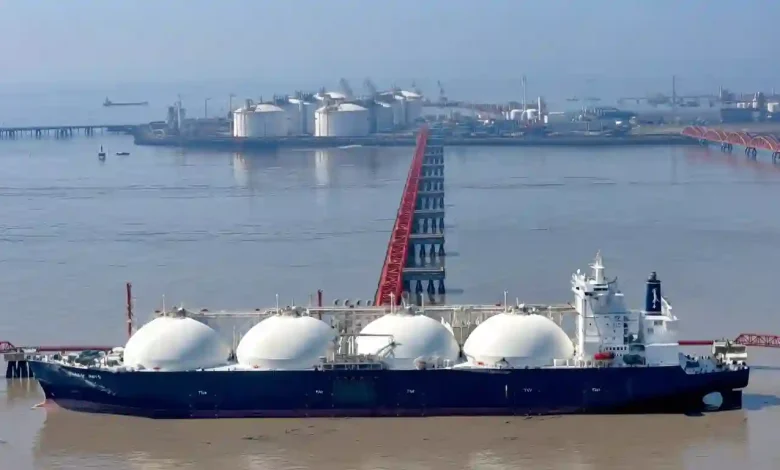
Table of Contents
US LNG exports are poised to take center stage in global trade relations as the United States and China engage in high-stakes negotiations to eliminate or significantly reduce China’s retaliatory tariffs on American Liquefied Natural Gas (LNG). This potential breakthroughs comes at a pivotal moment, with two sources close to the discussions revealing that a comprehensive energy and agricultural package is being drafted. If finalized, the landmark agreement could be formally unveiled when Chinese President Xi Jinping visits Washington next week, marking a profound shift in the bilateral economic landscape.
The negotiations represent more than just a localized trade adjustment; they signals a strategic recalibration between the world’s two largest economies. For years, trade tensions have pressured energy flows, forcing Chinese state-owned enterprises to source fuel through complex, indirect routes. By addressing these structural bottlenecks, both nations aim to establish a more predictable commercial environment that fosters long-term infrastructure investment and stabilizes erratic global supply lines.
The Core Framework of the Reciprocal Tariff Reductions
The proposed framework centers on a mutual commitment where the United States and China would each reduce tariffs on approximately $30 billion worth of goods. This reciprocal arrangement serves as a pragmatic compromise, allowing both administrations to claim economic victories without appearing to capitulate under unilateral pressure. For Washington, relieving barriers on agricultural products and energy commodities addresses core domestic constituencies. For Beijing, securing reliable, long-term access to clean energy inputs supports its ongoing transition away from heavy coal reliance while avoiding costly import premiums.
Skeptics note that previous bilateral agreements, such as the historic Phase One trade deal, faced significant enforcement challenges. However, the current discussions are tightly focused on commodity-specific exemptions rather than broad, unmanageable purchase targets. This highly targeted approach increases the probability of sustained compliance, as both nations seek to insulate their domestic markets from external supply shocks and macro-economic volatility.
The Strategic Role of Liquefied Natural Gas
China’s energy demand remains immense, driven by rapid urbanization and the expansion of heavy industrial sectors. American liquefaction terminals, particularly those situated along the Gulf Coast, are uniquely positioned to meet this demand. However, the existing tariff regime has acted as a persistent barrier, artificially inflating the cost of American gas and forcing Chinese buyers to rely on alternative suppliers or spot-market transactions. This friction has contributed to a broader oil supply crisis that has repeatedly disrupted global energy markets over the past decade.
By dismantling these tariff walls, Chinese importers can secure direct, long-term supply contracts with American developers. This structural change provides US developers with the necessary financial backing to reach Final Investment Decisions (FID) on multi-billion-dollar export projects, expanding the overall capacity of global energy infrastructure. The resulting trade corridor would establish a reliable pipeline of energy flowing directly from the Permian Basin to Chinese coastal terminals.
Broad Energy and Agricultural Trade Synergy
The trade package extends far beyond gas, incorporating vital agricultural products like soybeans, pork, and corn. These agricultural goods represent a traditional cornerstone of American trade diplomacy. By coupling energy commodities with agricultural relief, negotiators are building a robust, multi-sector framework designed to withstand localized geopolitical shocks. This comprehensive approach aligns directly with evolving global energy policies, which increasingly emphasize resource diversification and cross-border commercial partnerships.
Furthermore, the agricultural provisions offer immediate relief to American farmers who have long navigated volatile international markets. By securing predictable access to Chinese consumers, the agricultural sector stands to gain substantial financial stability. This synergy between energy and agriculture highlights the pragmatic nature of the current discussions, where tangible economic benefits are prioritized over ideological posturing.
Comparing the Trade Impacts
The anticipated adjustments under the proposed trade deal are expected to reshape bilateral flows across several key sectors. The table below outlines the current trade friction points and the projected impact of the proposed tariff reductions:
| Sector | Current Tariff Regime | Proposed Action | Anticipated Economic Impact |
|---|---|---|---|
| Liquefied Natural Gas (LNG) | 25% Retaliatory Tariff | Complete Elimination | Direct long-term supply contracts; reduction in spot-market volatility. |
| Agricultural Commodities | Variable Import Duties | Significant Reductions | Increased export volumes for US farmers; stable food pricing in China. |
| Industrial Machinery | Section 301 Tariffs | Reciprocal Cuts up to $30B | Lowered input costs for manufacturing plants in both nations. |
| Chemical Inputs | High Ad Valorem Tariffs | Targeted Exemptions | Enhanced supply chain resilience for petrochemical industries. |
Geopolitical Implications and Global Market Reactions
A successful resolution to these tariff negotiations would send powerful signals throughout the international community. For years, global trade has been fragmented by rising protectionism and geopolitical alignment. Amidst these shifting dynamics, U.S. sanctions on foreign adversaries have reshaped traditional supply routes, forcing nations to seek bilateral alliances to protect their economic interests. A deal on energy and agriculture between Washington and Beijing could ease global inflationary pressures by optimizing distribution networks.
Financial institutions are watching these developments closely. The prospects of a stable, long-term trade agreement of this magnitude is already influencing capital flows. Macroeconomic analysts suggest that a reduction in bilateral trade friction could alter expectations for long-term inflation, directly impacting benchmark treasury yields as institutional investors adjust their risk profiles and debt portfolios in response to changing growth projections.
Diplomatic Hurdles and Execution Risks
Despite the optimistic outlook, significant diplomatic hurdles remain before an agreement can be finalized. Negotiators must navigate intense domestic scrutiny in both capitals. In Washington, lawmakers frequently raise concerns over long-term strategic competition, while Beijing remains highly sensitive to any policy perceived as an infringement on its sovereign economic planning. These complex diplomatic negotiations require precise balancing to ensure that neither side appears to lose leverage.
Moreover, the success of the deal relies heavily on market-driven executions. If domestic prices fluctuate wildly, private entities may hesitate to commit to long-term purchasing agreements, regardless of tariff relief. Any signs of diplomatic friction during President Xi’s visit could trigger swift volatility across U.S. equity markets, which remain highly sensitive to trade policy announcements and international diplomatic developments.
Commodity Markets and Economic Stability
The broader commodities market is highly sensitive to shifts in Chinese demand. When tariff barriers are lowered, the immediate result is typically a realignment of physical trade flows. These shifts can have subtle, indirect consequences on unrelated financial sectors. For instance, changes in energy trade volumes can influence currency valuations and fluctuate safe-haven asset values, as investors reallocate capital based on perceived global systemic risks.
For energy developers, tariff relief offers a pathway to diversify their customer base. Rather than relying solely on European buyers—who have dominated US LNG off-take agreements in recent years—developers can build a more balanced global portfolio. This diversification is crucial for mitigating regional demand shocks and ensuring consistent operational cash flows over the multi-decade lifespan of liquefaction facilities.
The Intersect of Energy Security and Tech Advancements
As both nations look to the future, the concept of energy security has expanded beyond industrial manufacturing to include the digital economy. The rapid expansion of massive data centers and computational infrastructure requires a steady, reliable source of electrical power. Securing stable energy inputs is directly linked to supporting emerging technology initiatives, which rely heavily on uninterrupted grid performance. Thus, the energy negotiations occurring today will shape the technological infrastructure of tomorrow.
The coming week will reveal whether negotiators can successfully bridge the remaining gaps. If President Xi’s visit yields a signed agreement, it will mark a historic turning point, demonstrating that even amidst intense strategic competition, the world’s two largest economies can find common ground on resource security and mutual economic prosperity.