LSU Gets 2 Ex-NFL Athletes Cleared to Play by Judge
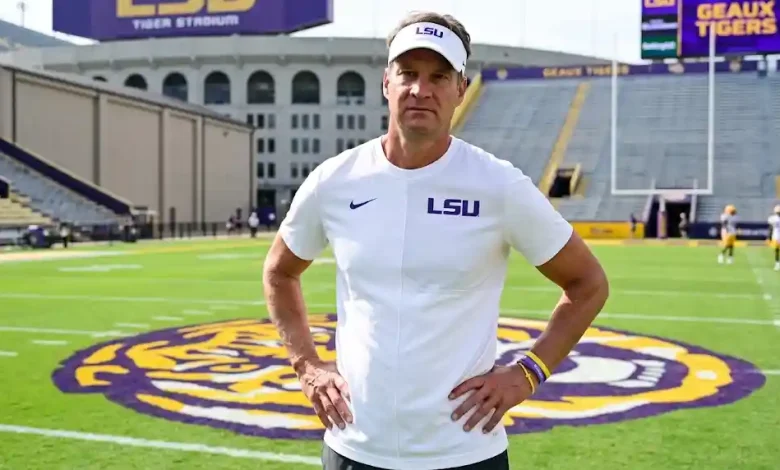
LSU ex-professional athletes will remain on the roster and can continue to play for the Tigers on the football field, the basketball court, and beyond, following a groundbreaking legal victory inside a Baton Rouge, Louisiana courtroom on Thursday, September 3, 2026. In an extraordinary convergence of college sports, legal maneuvers, and administrative power play, 19th Judicial District Court Judge William Jorden granted a preliminary injunction that thwarts the Southeastern Conference’s (SEC) initial attempt to bar ex-collegiate athletes who have participated in NFL camps from returning to college sports for a fifth year of eligibility. This historic ruling came just two days before the 11th-ranked LSU Tigers were scheduled to open their highly anticipated football season at home against Clemson, creating a high-stakes backdrop that has captured the attention of sports fans and legal analysts nationwide.
The Baton Rouge Ruling: Judge William Jorden’s Decisive Injunction
Inside Courtroom 10C of Louisiana’s 19th Judicial District Court, the atmosphere was electric as Judge William Jorden converted a temporary restraining order into a preliminary injunction. The ruling marks a major victory for the athletes and LSU, effectively preventing the SEC and the NCAA from declaring former professional players ineligible. The court’s decision was delivered after a grueling, nine-hour hearing where athletes testified alongside administrative figures. Jorden made the strategic decision to narrow the number of active plaintiffs in the case to the seven individuals who are actively seeking to compete specifically in the SEC. This tactical move was designed to consolidate the scope of the case and focus directly on the immediate eligibility disputes affecting local institutions.
In analyzing the legal standards of the case, the court focused on the immediate and irreparable harm that these players would face if they were barred from competing during their final year of collegiate opportunity. The ruling highlights how judicial interpretations in local court systems can fundamentally disrupt the administrative agendas of national collegiate governing bodies, establishing a precedent that local civil rights and state-level protections can take precedence over the internal guidelines of private athletic associations.
Deep Dive into the Plaintiffs: Wright, Harris, and the Fifth-Year Quest
The plaintiffs at the heart of this legal storm represent a new class of student-athletes navigating the modern, highly transactional era of collegiate sports. Key figures include former Mississippi football players Dae’Quan Wright and Zxavian Harris, both of whom have committed to playing for LSU under the guidance of newly appointed LSU head coach Lane Kiffin. Wright, a former tight end who had a brief stint with the Cleveland Browns and Philadelphia Eagles, took the witness stand to deliver emotional testimony. He explained that he received a $25,000 signing bonus in an NFL camp but would gladly return the money in exchange for the chance to play college football again, stating that he made around $1 million through Name, Image, and Likeness (NIL) deals during his four-year collegiate career. Zxavian Harris, a defensive lineman previously with the New Orleans Saints, similarly sat in the gallery and testified, emphasizing that players should not be penalized for exploring professional avenues when they believed their traditional eligibility was exhausted.
Similar to how athletes navigate transitions in professional leagues, such as the career steps highlighted in the Sophie Cunningham WNBA background, collegiate players now face complex hurdles when moving between amateur and professional environments. The plaintiffs argue that they acted in good faith based on the regulatory framework in place at the time of their departure and that the NCAA’s newly adopted age-based eligibility limits unfairly restrict their ability to utilize a five-year window of competition.
SEC’s Aggressive Pushback: Greg Sankey’s Testimony and the Federal Counter-Offensive
The SEC and its commissioner, Greg Sankey, have not taken this legal challenge lightly. Sankey took the witness stand for more than three hours during the hearing, defending the league’s newly passed rules that explicitly bar former professional athletes from competing at its 16 member institutions. The commissioner argued that the line between professional and amateur athletics must be preserved, famously testifying that ‘the NFL is not a recruiting ground for college football.’ Under intense cross-examination, Sankey acknowledged his substantial $4.8 million annual compensation and his travel to Baton Rouge on a private jet, a detail that the plaintiffs’ legal team used to highlight the massive financial disparity between administrative elites and the players who generate the revenue.
In a bold and unprecedented counter-move, the SEC filed a federal lawsuit in Birmingham, Alabama, on the very same day as the Baton Rouge hearing. The lawsuit targets LSU, its Board of Supervisors, LSU President Wade Rousse, Athletic Director Verge Ausberry, and football coach Lane Kiffin. The filing accuses LSU of waging a ‘deliberate and coordinated campaign to recruit professional athletes’ in defiance of conference protocols. The SEC alleges that LSU is violating the conference’s First Amendment rights by forcing the association to associate with conduct that directly contradicts its underlying mission. Just as we see high-profile suspensions levied by professional sports bodies when regulations are challenged, the SEC is attempting to leverage federal judicial power to override state court rulings and enforce strict uniformity across its member institutions. To maintain balance, they must adhere to the official SEC governance protocols while navigating these fast-moving disputes.
The Financial and Structural Stakes: Eligibility in the Era of NIL
The dispute brings to light the massive financial transformations occurring in collegiate sports, where top athletes can earn millions through NIL contracts while still in school. This blurring of lines has created a scenario where a player might earn more in college than they would as an undrafted rookie in an NFL training camp. The NCAA’s recent adoption of a policy allowing five seasons of competition within a five-year window was intended to streamline eligibility. However, by excluding athletes who had already exhausted four seasons by the end of the 2025-26 academic year, it created a legal loophole that athletes and their attorneys are eagerly exploiting.
As collegiate sports mirror professional setups, the discussions around player welfare and financial security increasingly parallel standard corporate discussions regarding employee benefits and modern athletic contracts. The legal teams representing the players argue that collegiate athletics should be treated as a modern workplace where athletes have the right to seek employment and professional development without facing anti-competitive restrictions from governing cartels like the NCAA and SEC.
A Comprehensive Breakdown of the Legal Confrontation
To understand the complexity of this legal dispute, it is helpful to look at the primary arguments and judicial outcomes of this case. Below is a detailed comparison of the competing positions and the current legal status established by Judge William Jorden’s preliminary injunction.
| Issue / Dimension | Plaintiffs & LSU Position | SEC & Greg Sankey Position | Judge Jorden’s Judicial Ruling |
|---|---|---|---|
| Eligibility Right | Athletes deserve a fifth year of eligibility under fair, non-discriminatory rules, regardless of brief professional camp stints. | Collegiate athletics must maintain a strict boundary between amateur players and professional athletes. | Granted preliminary injunction, allowing the seven SEC-specific plaintiffs to remain rostered and play. |
| Conference Authority | State courts have the jurisdiction to prevent anti-competitive bans that cause irreparable harm to student-athletes. | The conference has the private right to govern its membership and enforce rules agreed upon by a 15-0 presidential vote. | Ruled that the SEC cannot enforce its newly passed bans or penalize LSU while the litigation is active. |
| Recruitment Practices | LSU is acting within its rights to field the best possible team under the current legal protections. | Accuses LSU of a coordinated campaign to exploit loopholes and recruit professional athletes. | Declined to sanction the SEC or NCAA at this time, but firmly blocked their ability to enforce eligibility bans. |
| Federal Jurisdiction | Considers the SEC’s federal filing as ‘legal garbage’ designed to bypass state court jurisdiction. | Filed a federal suit in Alabama claiming First Amendment infringement and seeking to stop LSU’s actions. | Currently maintaining state court authority over the physical rosters and playing privileges within Louisiana. |
Impact on LSU’s Immediate Roster and Strategy under Coach Lane Kiffin
The timing of the injunction is of paramount importance for LSU’s football program. The ruling was issued just hours before the deadline for LSU to submit its official 105-man roster to the SEC. Thanks to Judge Jorden’s decision, LSU was legally cleared to include former NFL players on its official roster. However, because players like Dae’Quan Wright did not meet the NCAA’s mandatory seven-day practice requirement prior to the season opener, they remain sidelined for the opening matchup against Clemson. Nonetheless, having these high-caliber players integrated into practice and rostered provides immense depth and talent as the Tigers embark on their College Football Playoff campaign.
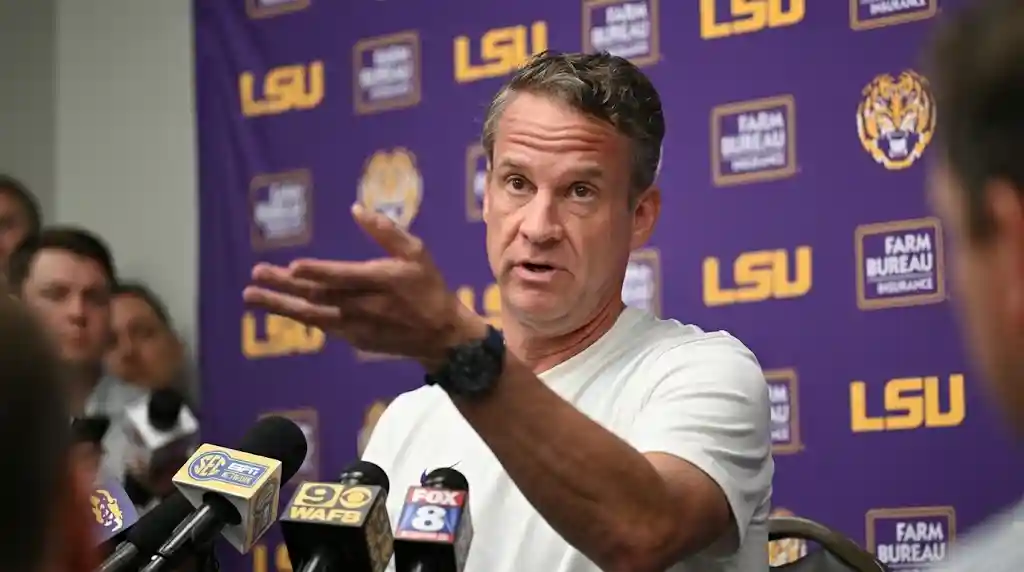
LSU’s aggressive pursuit of competitive advantages in this regulatory grey area resembles how major corporations manage international market compliance battles to safeguard their market share. Head coach Lane Kiffin has defended his roster decisions, noting that if LSU did not recruit these talented individuals, other schools in competing conferences would, ultimately placing his team at a competitive disadvantage. This proactive recruiting strategy has positioned LSU at the absolute epicenter of a nationwide battle over the future of college athletic rosters.
The Broader Implications for Collegiate Athletics and the NCAA
The implications of this state court victory reach far beyond the borders of Louisiana. Around the country, approximately 450 athletes are involved in various legal challenges seeking additional eligibility under the five-year rule. By successfully challenging the authority of the SEC—arguably the most powerful conference in collegiate sports—the plaintiffs’ legal team has demonstrated that conference-level regulations are vulnerable to antitrust and civil rights challenges in state courts. This legal tug-of-war has resulted in complex administrative stalemates that disrupt long-term strategies of elite athletic programs, leaving athletic directors and conference commissioners in a state of constant legal uncertainty.
Furthermore, the SEC’s decision to file a federal lawsuit against one of its founding members represents a historic fracturing of conference unity. The SEC, founded in 1933 with LSU as a charter member, has traditionally settled internal disputes behind closed doors. By taking LSU to federal court in Alabama, the conference has signaled that the threat of ‘professionalization’ is viewed as an existential crisis. The continuous pressure to update collegiate amateurism guidelines reflects a broader evolution away from the long-standing traditions and legacy structures in sports entertainment, pointing toward a future where collegiate athletic programs operate as fully professional minor leagues.
Future Outlook: Where Does the Battle Go From Here?
While the preliminary injunction is an immediate victory for LSU and its rostered athletes, the legal war is far from over. The SEC has already announced its intention to appeal Judge Jorden’s ruling, indicating that it will continue to fight to protect its regulatory boundaries. At the same time, the SEC’s federal lawsuit in Alabama remains a dangerous wild card that could result in conflicting federal and state rulings, creating a constitutional showdown over jurisdiction and contract association. Legal experts believe that this dispute may ultimately require intervention from federal appellate courts or even direct legislative action from Congress to establish a permanent framework for athlete eligibility and employment status.
For now, the focus shifts back to the field of play. LSU’s ability to utilize these elite athletes over the course of the 2026 season could provide a massive boost to their championship aspirations. However, the shadow of litigation will hang over every game they play. If a higher court eventually overturns Jorden’s injunction, LSU could face severe retroactive penalties, including the forfeiture of games or heavy financial fines. The stakes could not be higher as college football enters uncharted territory, where the most important plays are being called not by coaches on the sidelines, but by judges in courtrooms.