Lung Cancer Risk: 9 Unique Environmental and Genetic Factors Explored
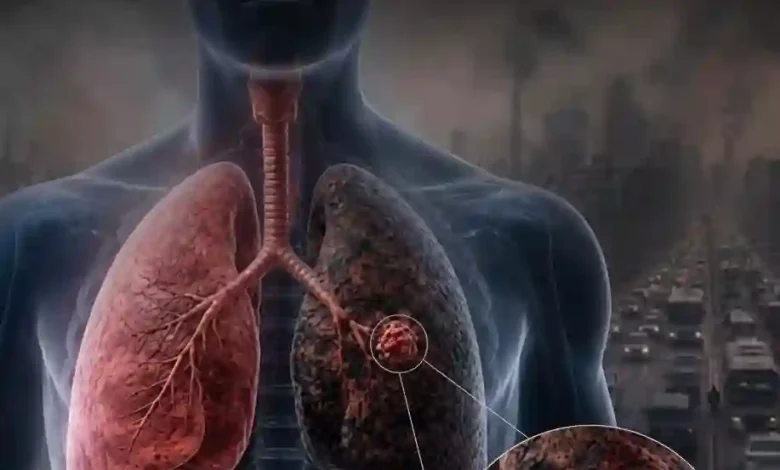
Table of Contents
Lung cancer remains a major global health challenge, often mistakenly viewed solely through the lens of personal tobacco use. While smoking is undeniably the primary contributor, a significant and rising proportion of cases occur in individuals who have never smoked. The development of pulmonary malignancies can stem from a wide array of environmental, genetic, and occupational factors that shape our daily routines and livelihoods. Understanding where we live, how we work, and the invisible pollutants we interact with daily is crucial for comprehensive risk management. Because this disease is frequently diagnosed in older adults at advanced, harder-to-treat stages, building an accurate, multi-faceted understanding of risk exposure throughout your lifetime is a critical step in proactive preventative healthcare.
The 9 Unique Factors That Shape Lung Cancer Risk
To accurately assess your potential risk, it is vital to look past typical warnings and examine the underlying scientific, occupational, and environmental variables that contribute to lung cellular damage. Below are nine unique factors that directly impact your risk of developing lung cancer over your lifetime.
1. Radon Gas Exposure in the Home
Radon is a naturally occurring radioactive gas generated by the decay of uranium in soils, rocks, and foundational geographic formations. Completely colorless, odorless, and tasteless, radon can seep undetected into residential properties through foundation cracks, plumbing gaps, and basement walls. Once trapped inside, it can build up to hazardous levels [2]. Inhaling radon decay products damages the delicate cellular lining of the lungs, releasing ionizing radiation that breaks DNA strands and triggers malignant cellular mutations. Epidemiological data ranks radon as the second-leading cause of lung cancer globally and the primary cause among non-smokers. Mapping local radon risk involves complex environmental modeling; indeed, predictive systems similar to those utilized to analyze google cloud fraud are now deployed by health geographers to study subsoil gas movement and domestic exposure patterns.
2. Occupational Carcinogens and Hazardous Workplace Chemicals
Your physical work environment can introduce chemical hazards that significantly elevate your lifetime risk. Industries such as heavy construction, mining, shipping, and chemical manufacturing frequently expose workers to highly toxic airborne dusts and fibers [3]. Asbestos, historically utilized for its insulation and fireproofing properties, remains one of the most prominent occupational threats. Even decades after regulations limited its use, older infrastructure and facilities historically overseen by the federal defense department continue to pose exposure risks during renovation and abatement procedures. Other hazardous materials include inhaled crystalline silica, diesel exhaust fumes, chromium compounds, and heavy metal vapors [2]. Strict workplace protocols, high-efficiency particulate air (HEPA) filtration, and reliable personal protective equipment are vital to shielding workers from these invisible carcinogens.
3. Particulate Matter and Ambient Air Pollution
The very air we breathe outdoors can carry hazardous mixtures of microscopic particulates and chemical vapors. Fine particulate matter (PM2.5) is small enough to bypass the respiratory system’s natural filtration defenses, penetrating deep into pulmonary alveoli and passing directly into the bloodstream [3]. This fine particulate pollution is primarily generated by vehicle combustion, power generation, and industrial emissions. Ambient air quality often shifts with changing economic and shipping demands; for example, during periods when global logistics chains are strained and gas prices surge 30%, the density and routing of heavy diesel transport vehicles through urban zones can cause acute localized spikes in particulate matter. Chronic inhalation of PM2.5 leads to systemic oxidative stress, persistent pulmonary inflammation, and cumulative cellular damage.
4. Secondhand Smoke and Environmental Tobacco Smoke
Living or working in an environment where active smoking occurs poses a severe threat to non-smokers [2]. Secondhand smoke, also referred to as environmental tobacco smoke (ETS), contains thousands of chemicals, dozens of which are recognized carcinogens. Exposure to passive smoking forces non-smokers to inhale toxic compounds like formaldehyde, benzene, and heavy metals. Extensive clinical research demonstrates that non-smokers who live with active smokers experience a 20% to 30% increase in their risk of developing pulmonary malignancies [2]. Establishing smoke-free indoor spaces, implementing corporate clean-air policies, and supporting regional smoking bans are critical public health interventions designed to eliminate passive inhalation risks.
5. Domestic Fuel Combustion and Biomass Ventilation Issues
In many rural or developing regions, indoor air quality is severely compromised by domestic cooking and heating methods [3]. The burning of solid biomass fuels, such as wood, agricultural waste, charcoal, and coal on open fires or inside inefficient stoves, releases concentrated plumes of toxic exhaust. Without adequate chimney ventilation, residential indoor air becomes heavily laden with polycyclic aromatic hydrocarbons (PAHs) and carbon monoxide. Women and young children who spend significant time indoors near active cooking stations are disproportionately affected by this chronic exposure. This forms a major pathway for lung cancer development in non-smoking populations, emphasizing the global imperative to provide communities with clean energy stoves and modern household ventilation systems.
6. Genetic Predisposition and Hereditary Susceptibility
An individual’s unique genetic architecture influences how their cells process environmental insults and repair damaged DNA [1]. A family history of lung malignancies represents a major risk factor, even when accounting for lifestyle differences [1]. Mutations in specific genes, such as the Epidermal Growth Factor Receptor (EGFR) gene, are strongly correlated with lung cancer in non-smokers, particularly among women of East Asian ancestry. Investigating these complex genetic pathways requires vast genomic databases and deep computational power. Indeed, prominent investment firms like goldman sachs nvidias financial analysts note that the integration of artificial intelligence into genetic diagnostics represents one of the fastest-growing sectors in modern biotech, enabling highly personalized screening models for high-risk cohorts.
7. Previous Thoracic Radiation Therapy and Medical Treatments
Medical treatments designed to resolve one life-threatening condition can occasionally elevate the risk of developing another [1]. Patients who have undergone high-dose radiation therapy to the chest—most commonly as a treatment for Hodgkin lymphoma, breast cancer, or testicular cancer—face an elevated risk of secondary lung cancers. Ionizing radiation, while highly effective at destroying targeted cancer cells, can cause permanent genomic damage to surrounding healthy pulmonary tissue. This risk is cumulative over time and typically presents several decades following the initial radiation treatment [1]. Modern oncology has developed highly sophisticated, targeted radiation protocols to mitigate exposure to healthy tissue, but historical survivors must remain under long-term clinical surveillance.
8. Chronic Inflammatory Lung Diseases and Prior Infections
A history of pulmonary infections and chronic respiratory disorders can leave lasting anatomical damage that predisposes cells to oncogenesis. Conditions such as Chronic Obstructive Pulmonary Disease (COPD), pulmonary fibrosis, emphysema, and tuberculosis are characterized by persistent immune system activation, tissue scarring, and elevated cellular turnover. The continuous cycle of tissue injury, inflammation, and rapid cellular replication significantly increases the probability of DNA copying errors. Furthermore, scarred pulmonary tissue can trap environmental toxins, prolonging local cellular contact with harmful particles. Proactive management of chronic respiratory conditions is essential to minimize ongoing inflammation and reduce cellular mutation rates.
9. Arsenic in Drinking Water and Dietary Variables
Ingested toxins represent an unexpected and overlooked pathway for the development of pulmonary malignancies [2]. Arsenic is a naturally occurring metalloid that can contaminate drinking water through geological erosion or industrial and agricultural runoff [2]. Chronic consumption of water with elevated arsenic levels has been epidemiologically linked to a variety of internal cancers, including lung, bladder, and skin malignancies. Once absorbed by the gastrointestinal tract, arsenic spreads systemically, causing chromosomal breaks and oxidative damage. Additionally, diets lacking in essential antioxidants, fresh fruits, and vegetables can impair the body’s natural defenses against cellular damage, exacerbating environmental risks. Ensuring robust municipal water filtration and regular testing of private wells is a key safeguard.
Environmental and Socio-Economic Risk Assessment
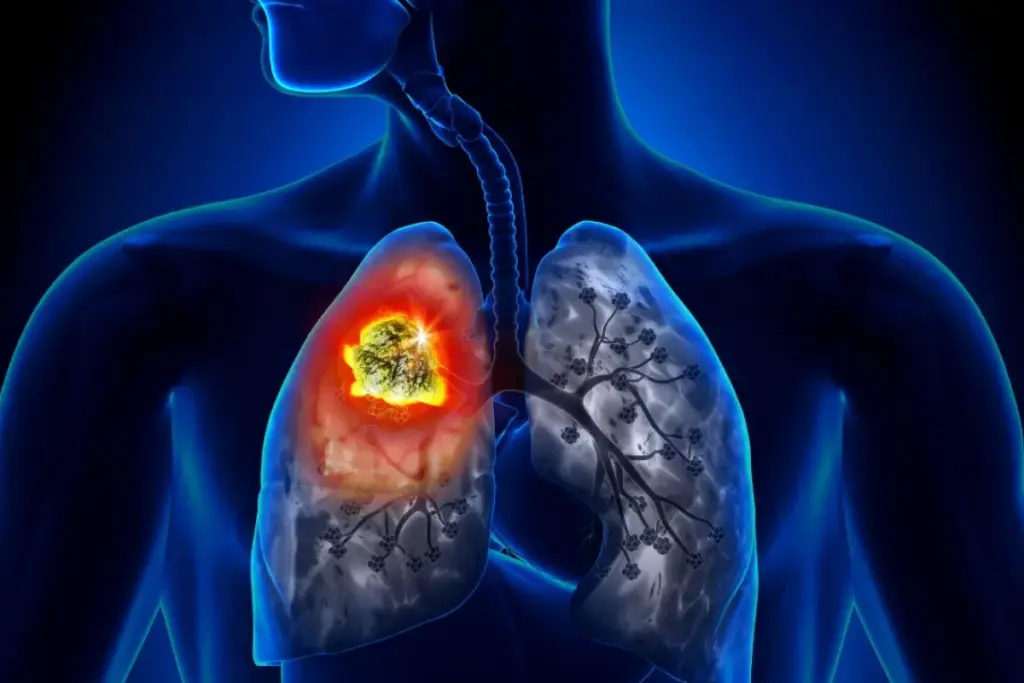
Evaluating an individual’s overall hazard profile requires a holistic understanding of their socio-economic and regional circumstances. Occupational hazards are rarely distributed evenly across populations. Technical crews, mechanics, and maintenance staff operating in transport and logistics zones are frequently exposed to concentrated engine fumes and chemical solvents. For instance, ground personnel working on or around specialized machinery like military helicopters are regularly exposed to aerosolized fuel particles and heavy exhaust soot, emphasizing the intersection of industrial operations and pulmonary safety.
Socio-economic conditions also dictate the quality of workplace protection and clinical screening available to workers. Public health funding and workplace safety regulations are highly dependent on national economic health and employment dynamics [2]. In periods where shifts in the u-s payrolls dollar stability influence corporate benefit structures, funded workplace health programs and preventative screenings can experience variability, impacting early detection rates in blue-collar sectors.
Furthermore, global commerce and shipping density influence ambient pollution levels in coastal and port areas. International maritime trade routes carry heavy container traffic, and shifts in shipping lanes—such as those caused by the red sea shipping crisis—often force vessels to alter course, burning more low-grade bunker fuel and increasing air pollution along bypass routes, directly impacting nearby coastal populations.
Clinical Screening and Early Detection Strategies
Because lung cancer is often asymptomatic in its early stages, waiting for physical signs like a persistent cough or chest pain can result in a delayed diagnosis [1]. Proactive clinical screening is the single most effective tool to identify early-stage, treatable nodules. The primary screening method is a Low-Dose Computed Tomography (LDCT) scan, which provides detailed cross-sectional images of the lungs [1]. While current screening guidelines primarily target older adults with extensive histories of smoking, experts suggest that individuals with prolonged exposure to high-risk environments should discuss their occupational and geographic histories with healthcare providers to evaluate their screening eligibility.
| Risk Factor | Primary Exposure Source | Primary Impact Level | Key Mitigation Strategy |
|---|---|---|---|
| Radon Gas | Subsoil seepage, domestic basements | High (Leading cause in non-smokers) | Sub-slab depressurization, home testing |
| Occupational Toxins | Industrial chemicals, asbestos, silica | High (Cumulative exposure) | Proper workplace PPE, ventilation, safety compliance |
| Particulate Matter | Vehicle emissions, industrial exhaust | Moderate (Chronic ambient inhalation) | High-efficiency air purifiers, avoidance of high-AQI zones |
| Secondhand Smoke | Household or public tobacco smoke | Moderate to High | Enforcing completely smoke-free indoor zones |
| Biomass Combustion | Domestic cooking fuels, open indoor stoves | Moderate (Primarily rural environments) | Using modern clean stoves, improved ventilation chimney |
| Genetics | Hereditary mutations, EGFR variations | Moderate to High | Targeted genetic screening, personalized monitoring |
| Thoracic Radiation | Prior medical treatments for other cancers | Moderate (Long-term latency) | Post-oncology surveillance, targeted radiation planning |
| Chronic Lung Disease | COPD, pulmonary fibrosis, scarring | Moderate | Proactive disease management, anti-inflammatory care |
| Arsenic Ingestion | Contaminated well water, industrial runoff | Low to Moderate | Routine water testing, reverse osmosis filtration |
Taking control of your pulmonary health involves understanding all potential avenues of exposure. Testing your home for radon, ensuring high standards of workplace safety, avoiding air pollution hotspots when possible, and discussing your comprehensive environmental and family history with your physician are vital components of a modern, proactive approach to healthcare. By actively assessing these nine unique risk factors, you can take informed steps to protect your respiratory system and ensure early, life-saving clinical interventions.