Pristine Texas Faces 7 Alarming Threats From Border Wall Waivers
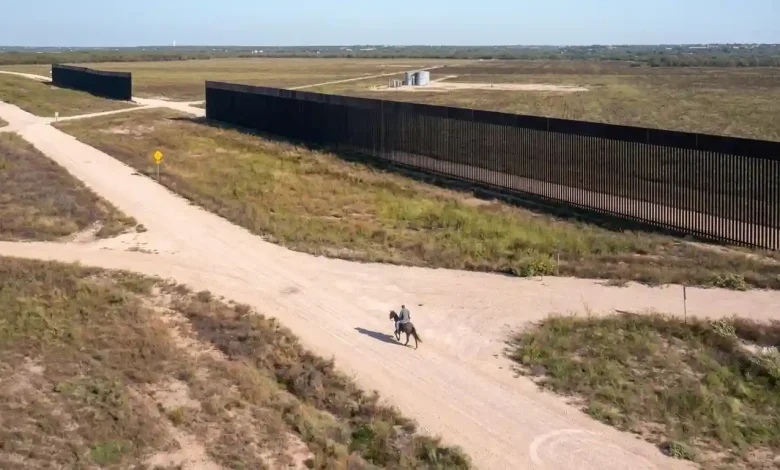
Table of Contents
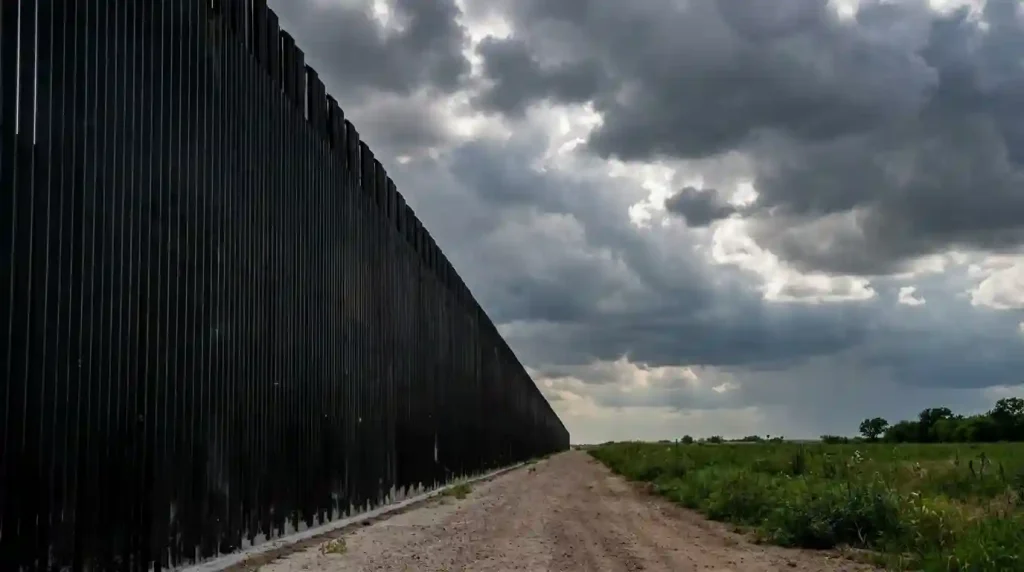
Pristine Texas land, rich with centuries of deep history and a breathtaking bounty of biodiversity, is currently feeling the full pressure of a two-decade-old federal security law. The Trump administration is wielding this legislative tool with unprecedented force to accelerate the construction of border barriers and access roads across highly sensitive ecosystems. From the rugged desert expanses of the Chihuahuan Desert to the sheer limestone walls of the Rio Grande, these untouched territories host rare wildlife, historic pioneer settlements, and sacred indigenous sites. Yet, under the banner of national security, federal contractors have begun rolling heavy machinery into some of the state’s most ecologically sensitive zones. This aggressive push has bypassed standard regulatory reviews, setting off intense debates over environmental preservation, private property rights, and federal overreach.
The legal engine driving this massive physical transformation is a controversial statute that allows the federal government to bypass decades of hard-won environmental and civic protections. As construction crews clear paths and set up staging grounds, local communities find themselves at a crossroads. They are forced to balance the demands of homeland defense against the permanent and irreplaceable loss of their natural heritage.
Understanding the Pristine TexasReal ID Act and Federal Waiver Authority
To comprehend how the federal government can legally alter protected public and private lands without standard environmental assessments, one must look back to the legislative framework established in the early 2000s. The primary mechanism used by the administration is the REAL ID Act of 2005. Tucked within this sweeping national security legislation is Section 102, which grants the Secretary of the Department of Homeland Security (DHS) extraordinary, unilateral power to expedite border construction projects.
The History of the 2005 Security Mandate
Passed in the wake of the September 11 attacks, the REAL ID Act was designed to strengthen national security, standardize identification cards, and reinforce border defenses. However, its provisions regarding border infrastructure have had far-reaching domestic consequences. Under Section 102 of the Illegal Immigration Reform and Immigrant Responsibility Act (IIRIRA), as amended by the REAL ID Act, the DHS Secretary is authorized to waive any local, state, or federal laws that the Secretary, in their sole discretion, determines necessary to ensure the expeditious construction of border barriers and roads. This represents one of the broadest delegations of legislative-bypass power in modern American history, effectively neutralizing legal challenges that would otherwise halt projects for years.
The Sweep of the Environmental and Cultural Waivers
In mid-2026, DHS Secretary Markwayne Mullin exercised this authority to waive 29 critical environmental and conservation laws within the Big Bend Sector of Texas. Among the bypassed statutes are landmark conservation achievements, such as the Clean Water Act, the Clean Air Act, the Endangered Species Act, and the Antiquities Act. By waiving these requirements, the administration bypassed the need to conduct environmental impact studies, consult with wildlife biologists, or perform comprehensive archaeological surveys before breaking ground. This sweep of waivers has cleared the legal runway for contractors, leaving local conservationists and legal advocates with very few avenues for court-ordered injunctions.
Severe Threats to the Big Bend Sector and Rio Grande Canyons
The immediate focus of the current border barrier expansion lies in the Big Bend Sector of Texas, a region renowned for its profound isolation, archaeological richness, and raw natural beauty. Here, the Rio Grande Wild and Scenic River cuts through deep, ancient canyons that have stood as natural barriers for millennia.
Destruction of the Wild and Scenic River Habitats
The Lower Canyons of the Rio Grande are so remote that they are typically accessible only by multi-day river floats. The sheer cliffs and riparian zones provide critical habitat for species like the Texas hornshell—a federally listed endangered freshwater mussel—and serve as vital migratory corridors for black bears, bighorn sheep, and dozens of avian species. Blasting access roads through these canyon walls and constructing massive physical barriers will fragment these habitats, permanently disrupting wildlife migrations and altering the natural flow of the river.
Darkness Eclipsed: Light Pollution and Biodiversity Loss
In addition to physical barriers, the planned installation of high-intensity patrol roads, security cameras, and artificial lighting threatens another of the region’s unique resources: its pristine night skies. The Big Bend area boasts some of the darkest night skies in North America, which is crucial for nocturnal wildlife and local ecotourism. Flooding these remote canyon corridors with artificial light will disrupt the behavioral patterns of nocturnal predators and migratory birds, leading to an insidious form of biodiversity loss that extends far beyond the physical footprint of the wall.
Domestic Border Actions Amid Broader Geopolitical Priorities
This aggressive push to secure the southern borderlands does not occur in a vacuum; it is unfolding against a backdrop of intense global volatility and high-stakes international crises. While the Trump administration focuses domestic resources on fast-tracking border infrastructure, it is simultaneously managing complex military and economic engagements across the globe. For instance, the administration’s national security team has spent much of 2026 assessing potential U.S. military strikes in response to escalating Middle Eastern tensions. These actions have contributed to soaring U.S.-Iran war costs, prompting some domestic critics to question the parallel expenditure of billions of dollars on border wall construction.
At the same time, global shipping channels face severe disruptions, such as scenarios where the Houthis blockade U.S. trade assets, placing further strain on the nation’s strategic resources. In response to these compounding challenges, Trump predicts that a firm, unwavering stance on both domestic border security and international defense is the only way to project national strength. While geopolitical observers monitor the brief pauses in strikes abroad, the domestic push for border wall completion shows no signs of slowing down.
The administration’s dual focus on external threats and internal border control reflects a belief that national security is indivisible. As reports of geopolitical conflict escalation continue to dominate the news cycle, federal agencies must balance the protection of domestic critical infrastructure with the monitoring of foreign threats, including potential strikes on Iranian energy infrastructure. Whenever an intermittent airstrikes pause offers a temporary reprieve in overseas conflicts, the administration frequently redirects public and political focus toward domestic border security milestones, reinforcing the wall as a symbol of sovereign integrity.
Property Rights and Resistance in the Lone Star State
Opposition to the administration’s aggressive use of waiver authority is not confined to environmental groups; it has also sparked fierce resistance among conservative landowners, ranchers, and state officials who champion property rights.
Landowners Confronting Eminent Domain
In Texas, land ownership is a complex patchwork of private ranches, state-owned lands, and federal easements. Many families along the Rio Grande have held land grants dating back to the 1700s, originally issued by the Spanish crown. For these landowners, the threat of eminent domain is not just a financial concern; it is an existential threat to their heritage and identity. The construction of a physical barrier often cuts off landowners’ access to the river, which serves as their primary source of water in a region frequently ravaged by historic droughts.
State Leadership and Legal Demarcations
The tension between state authority and federal overreach reached a boiling point in mid-2026 when Texas Land Commissioner Dawn Buckingham issued a cease-and-desist letter to United States Customs and Border Protection. The letter was prompted by the discovery that a federal contractor, Barnard Construction, had cleared over a mile of state-owned land near the Big Bend region without prior state authorization. This incident highlighted a growing rift: even within a politically conservative state that strongly supports border security, the unilateral and aggressive bypass of state land rights by federal agencies has met with significant pushback. Former Republican Texas Land Commissioner Jerry Patterson openly opposed the project, arguing that the rugged, natural terrain of Big Bend already serves as “nature’s wall,” making the expenditure of billions of dollars both unnecessary and destructive.
Comparing Environmental Preservation and Border Security Objectives
To understand the scale of this conflict, it is useful to compare the contrasting priorities of the federal administration and the coalition of local landowners, state officials, and conservationists. The table below outlines the core points of contention in this ongoing struggle over Texas’s borderlands.
| Category of Impact | Federal Border Security Approach | Preservationist & Local Position | Legal Basis / Waiver Authority |
|---|---|---|---|
| Environmental Safeguards | Bypasses studies to build roads and fences quickly. | Demands environmental impact reviews to protect rare species. | REAL ID Act Section 102 (DHS Secretary sole discretion). |
| Private Property Rights | Applies eminent domain and federal easements to clear land. | Defends historic land grants and essential river access. | Federal condemnation authority and security easements. |
| State Sovereign Land | Authorizes contractors to clear border zones regardless of state title. | Requires prior state permission and formal authorization. | Supremacy Clause and federal security mandates. |
| Conservation Funding | Allocates billions for physical barriers and high-tech sensors. | Advocates for natural barriers and habitat-scale conservation. | Congressional appropriations for homeland security. |
As the federal government continues to implement its sweeping waiver authority, the physical and cultural landscape of the Texas borderlands will face permanent changes. The ongoing struggle in the Big Bend sector and along the Rio Grande serves as a stark reminder of the trade-offs inherent in modern national security policies. Whether the pristine natural heritage of the Lone Star State can survive this aggressive federal push remains one of the most pressing legal and ecological questions of our time.



One Comment