Strait of Hormuz Shipping Lanes: Iran Nears Pact with Oman 2026
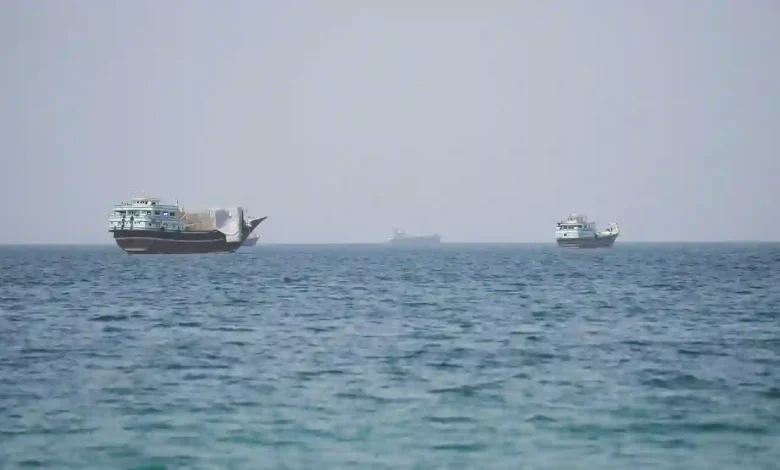
Table of Contents
Strait: The Strategic Re-mapping of the Strait of Hormuz
Strait of Hormuz maritime navigation routes are facing a massive transformation as Iran and Oman finalize negotiations on a new shipping lane map, although Tehran insists the strategic waterway will remain shut until the United States meets several key conditions. Following the initial military friction on February 28, 2026, when coordinated U.S. and Israeli airstrikes targeted various critical infrastructures across Iran, the vital marine passageway was immediately barricaded. Historically, this geographic choke point represents the singular maritime gate connecting the hydrocarbon-rich Persian Gulf with the wider Indian Ocean. Prior to the breakout of armed hostilities, approximately one-fifth of global oil and liquefied natural gas (LNG) supplies transited through these narrow waters on a daily basis. The sudden and devastating closure of the Strait of Hormuz has sent shockwaves through global supply chains, isolating regional producers and prompting high-stakes negotiations in Muscat.
In this high-tension climate, Oman has once again stepped into its historical role as a diplomatic mediator. Omani officials have been working tirelessly with Iranian maritime authorities to redraw the nautical map. According to spokespeople from the Iranian Foreign Ministry, the technical guidelines and precise geographical coordinates of the proposed shipping lanes have almost been fully reviewed and drafted. However, the emerging agreement between Tehran and Muscat represents more than just technical coordination; it highlights how bilateral agreements are being utilized as strategic leverage. This negotiation comes after months of tension following the closure of the Strait of Hormuz, which has brought international shipping to a virtual standstill and forced international carriers to reroute around Africa at immense cost. The diplomatic bridge built by Oman showcases Muscat’s delicate geopolitical balancing act, but the underlying tensions threaten to collapse these fragile efforts at any moment.
A Dual Strategy: Technical Breakthrough vs. Political Hardline
While technical progress on the maritime map is undeniably a positive development, Tehran has made it explicitly clear that the administrative redrawing of lanes will not automatically reopen the waterway. Iranian Foreign Minister Abbas Araghchi and Foreign Ministry spokesperson Esmail Baghaei have emphasized that technical consensus is merely one part of a multi-tiered geopolitical equation. The proposed bilateral framework aims to establish a joint administrative oversight of the passage, mapping out routes that run predominantly within territorial waters to ensure optimal monitoring. The pact covers safe transit parameters, environmental protection, shared maritime assistance, and collaborative measures to combat transnational oceanic crime.
Yet, this cooperative framework is paired with an uncompromising political posture. As Iran confronts Washington’s aggressive maritime policies, Tehran continues to weaponize its geographical control over the northern half of the strait. Iranian officials argue that a safe shipping environment cannot exist while the United States maintains an active naval blockade in the adjacent seas. Thus, while the regional neighbors align on navigational coordinates, direct diplomatic negotiations with Iran remain deadlocked on core geopolitical grievances, with both sides unwilling to make the first move toward a geopolitical compromise. The dual-track approach by Iran seeks to decouple technical bilateral cooperation from its hardline stance against Western military influence, effectively using the shipping agreement as a shield to justify its restrictive naval policies.
Economic Toll: Blockades, Oil Price Shocks, and Inflation
The economic ramifications of the blockaded strait are monumental, impacting everything from national budgets to consumer price indexes worldwide. With the primary artery for Middle Eastern crude severed, global energy markets have plunged into a state of structural deficit. The sudden restriction on supply drove crude prices past the $100-per-barrel mark within weeks of the initial February attacks, triggering a synchronized wave of global inflation that central banks have struggled to contain. The disruption has triggered severe U.S. economic shockwaves, with energy markets reacting violently to the sudden halt in transit and casting doubt on the stability of domestic fuel prices.
Many international trade organizations warn that the economic fallout of the conflict will drag down global GDP growth well into next year if the corridor remains contested. Below is a detailed comparison of the maritime status quo before the February 28 escalation and the parameters defined under the proposed joint Iran-Oman shipping framework:
| Operational Metric | Pre-Conflict Status Quo | Proposed Iran-Oman Framework |
|---|---|---|
| Control of Shipping Lanes | Governed under UNCLOS transit passage rules with international oversight. | Bilateral joint management, lanes positioned mainly in Iranian territorial waters. |
| Compulsory Transit Fees | None (free transit guaranteed for international navigation). | Proposed 5% to 7% fee for Iran, and approximately 3% for Oman. |
| Security & Patrols | International coalition naval patrols ensuring safe passage. | Joint local safety guidelines, environmental oversight, and local anti-crime measures. |
| US Naval Presence | Active freedom of navigation patrols and carrier strike group deployment. | Tehran demands an absolute end to the US blockade and threats before reopening. |
The table clearly demonstrates a paradigm shift in how the strait is governed, transitioning from an open international waterway to a highly restricted, monetized, and bilaterally controlled corridor. This structural change has fundamentally altered the cost-benefit analysis for global shipping lines, forcing many to consider permanent alternatives to the Persian Gulf route.
The Toll System Controversy: Protection Racket or Legitimate Fees?
Among the most contentious elements of the proposed Iran-Oman shipping agreement is the introduction of a compulsory maritime transit fee. According to leaked details and industry reports, Iran is seeking to levy a 5% to 7% transit fee on commercial vessels passing through the new northern routes, while Oman is slated to receive a 3% share. This proposed toll structure has provoked fierce resistance from major shipping organizations and maritime insurers, who have openly characterized the arrangement as a state-sanctioned protection racket.
Critics argue that the introduction of transit fees violates the United Nations Convention on the Law of the Sea (UNCLOS), which guarantees the right of “transit passage” through international straits. Under UNCLOS, coastal states bordering straits used for international navigation cannot suspend or tax transit passage, provided the ships comply with standard safety and environmental regulations. According to a detailed legal assessment by Lloyd’s List Intelligence, any attempt to mandate such fees could invalidate standard hull and machinery insurance policies, as underwriters would view paying these tolls as complying with coercive, legally dubious demands. Shipping conglomerates are therefore placed in an impossible position: either pay the unauthorized fees to secure passage or face exclusion from standard war risk insurance pools, rendering their operations financially unviable.
The Seafarer Crisis: Stranded in the Gulf
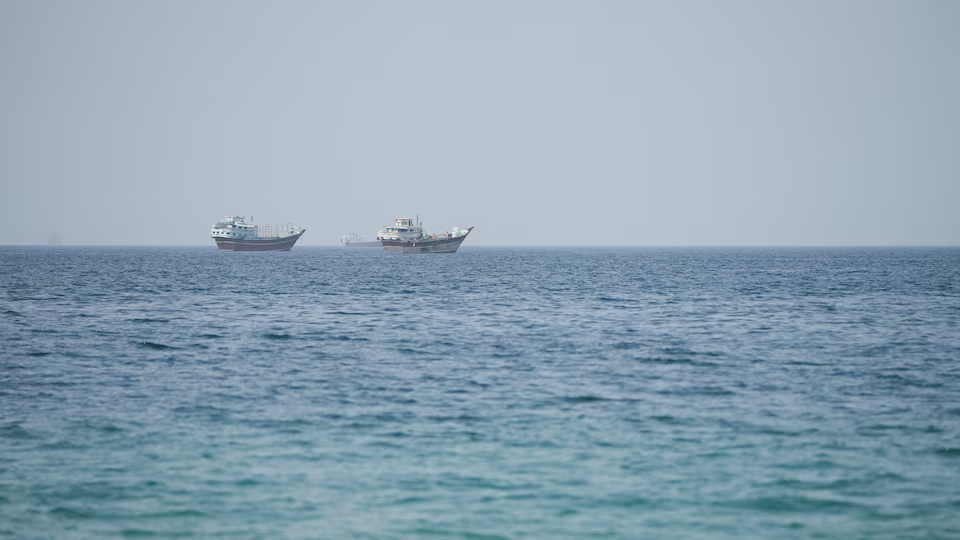
Beyond the geopolitical maneuvering and economic data points lies a human tragedy that continues to unfold in the waters of the Persian Gulf. Approximately 20,000 seafarers—the vast majority hailing from developing nations like India and the Philippines—have been trapped aboard commercial cargo vessels and oil tankers since the blockade commenced in late February. Stranded at anchorages with dwindling supplies, extreme heat, and no clear timeline for departure, these crews are experiencing severe psychological distress.
The physical dangers are equally acute. Despite the ongoing negotiations between Muscat and Tehran, kinetic incidents continue to threaten civilian vessels. The Greek-owned, Liberian-flagged bulk carrier Minoan Pioneer was recently struck by an unidentified projectile approximately 20 nautical miles north of the Omani coastline. The attack resulted in an engine room blackout and a localized fire, leaving a third engineer missing and the remaining crew highly traumatized. As the standoff drags on into a protracted military campaign, the psychological and physical safety of maritime workers continues to degrade, turning these vital labor forces into collateral damage of regional warfare. The international maritime community has issued multiple appeals for safe repatriation corridors, but these pleas have largely fallen on deaf ears as the blockading forces refuse to grant unrestricted exits.
Key Conditions and Demands for Waterway Reopening
Tehran has repeatedly asserted that the Strait of Hormuz will not be fully reopened to international trade until the United States and its allies meet a specific list of demands. First, Iran demands an immediate and verifiable halt to the U.S. naval blockade and all hostile military maneuvers in the region. Second, the Iranian administration is seeking substantial financial compensation to cover the physical and economic damage caused by the U.S.-Israel strikes on February 28. Finally, Tehran insists on the total lifting of unilateral economic sanctions that have choked its economy for years.
While some international intermediaries hope that the shipping map breakthrough could lay the groundwork for wider regional peace talks, Tehran’s uncompromising stance on sanctions relief remains a substantial hurdle. The United States has flatly rejected the demand for compensation, arguing that Iran’s blockade of an international waterway is illegal and that freedom of navigation must be restored unconditionally before any formal diplomatic concessions can be discussed. This diplomatic impasse suggests that even if the Iran-Oman pact is fully executed, the physical flow of global energy will remain severely constrained for the foreseeable future.
Analyzing the Geopolitical and Maritime Security Implications
The ongoing crisis in the Strait of Hormuz represents a profound challenge to the rules-based international maritime order. If Iran successfully establishes a precedent where a coastal state can unilaterally close a strategic strait, impose arbitrary transit fees, and demand geopolitical concessions as a condition for reopening, it could trigger similar actions in other vital choke points worldwide, such as the Bab-el-Mandeb or the Strait of Malacca. This would fundamentally dismantle the legal consensus that has underpinned global maritime commerce for over a century.
Analysts warn that if both sides refuse to yield, the risk of miscalculation remains high, heightening the threat of a global conflict that could draw in major nuclear powers. For Oman, the diplomatic tightrope is narrower than ever. Muscat must balance its long-term strategic and security alignment with Tehran against its critical economic and security partnerships with Western nations. How this maritime deadlock is resolved will not only determine the future of global energy security but will also reshape the laws governing the high seas for decades to come, marking a historic shift in global trade dynamics.