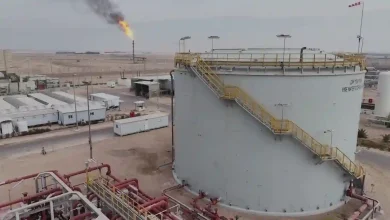
Iran Strikes US Assets at Kuwait’s Ahmad Al-Jaber Airbase 2026
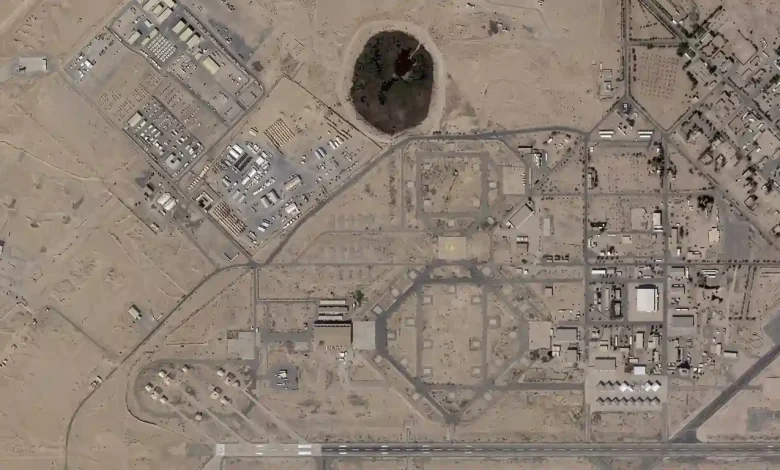
Table of Contents
Iran launched a series of high-precision drone strikes targeting United States military assets at Kuwait’s Ahmad Al-Jaber Airbase on Friday, July 31, 2026. This sudden escalation is the latest flashpoint in an ongoing regional conflict that has threatened to engulf the entire Middle East. In a statement released by state media, Iranian military officials asserted that the strikes were directly retaliatory, designed to avenge a lethal American bombing campaign on Iranian soil from the previous day. This development highlights the volatile state of the ongoing geopolitical crisis as the conflict enters Iran war day 151, signaling that geographical boundaries are no longer a barrier to direct military engagement between Washington and Tehran.
The Retaliatory Strike on Ahmad Al-Jaber Airbase
The targeting of the Ahmad Al-Jaber Airbase marks a significant expansion of the combat zone, dragging neighboring Gulf nations deeper into the crossfire. For months, there was a brief pause where US-Iran hostilities ease, giving regional diplomacy a fleeting window to negotiate maritime access and security agreements. However, that relative calm shattered as Iran chose to strike one of the primary logistical backbones of the United States Air Force in the region. Ahmad Al-Jaber Airbase, located south of Kuwait City, has long served as an essential operational hub for US tactical fighter groups, reconnaissance flights, and logistical support networks.
The Operational Details of the Drone Attack
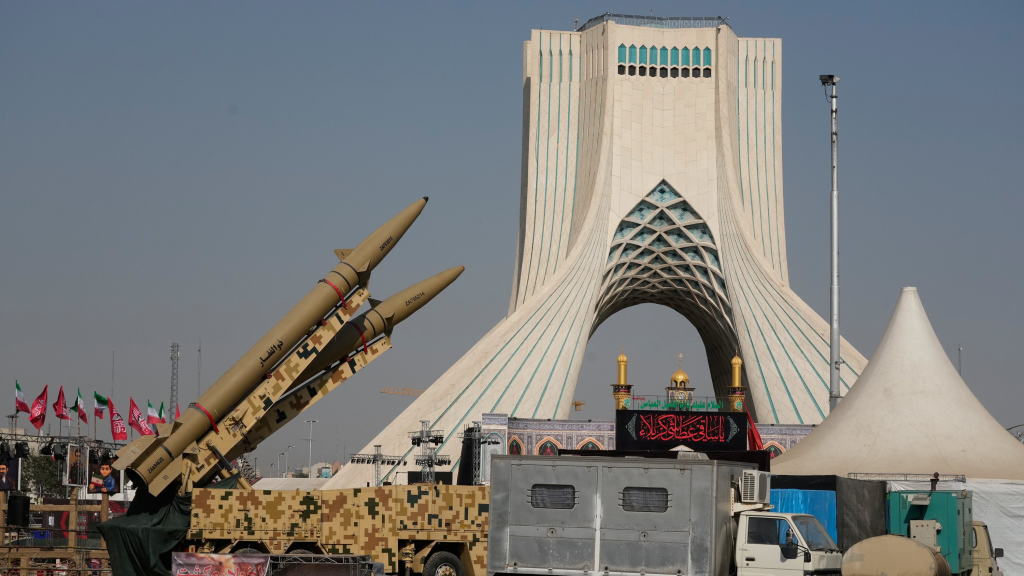
According to the Islamic Revolutionary Guard Corps (IRGC), the operation was executed using sophisticated, explosive-laden loitering munitions designed to bypass regional radar systems. The Iranian army’s official communique asserted that the strikes specifically targeted high-value military infrastructure inside the base perimeter. Among the claimed targets were fighter aircraft hangars housing advanced American jets, satellite communication arrays utilized for theater-wide coordination, and key equipment warehouses. By focusing on these vital assets, Iran intended to disrupt tactical communications and signal that US forces stationed in neighboring sovereign states are within striking distance of its expanding drone arsenal.
Kuwait’s Air Defense and Interception Claims
In contrast to Tehran’s triumphalist reports, Kuwaiti authorities presented a starkly different account of the morning’s events. The Kuwaiti Ministry of Defense issued a statement confirming that hostile drones had violated their national airspace starting at dawn. However, the ministry stressed that its national air defense forces quickly detected and successfully neutralized the inbound threats. According to Kuwaiti military spokespersons, falling debris was recorded in uninhabited areas, and no major damage or casualties were reported at Ahmad Al-Jaber Airbase. United States Central Command (CENTCOM) remained initially tight-lipped, although military officials privately backed Kuwait’s account, downplaying the physical impact of the Iranian drone wave.
The Catalyst: Recent Escalations on Qeshm Island
This retaliatory surge was directly triggered by a devastating American strike on Iran’s Qeshm Island on Thursday. The island, located in the strategic Strait of Hormuz, has been a frequent site of military friction. According to Iranian media, the US strike resulted in civilian casualties, including a local couple and their child who were reportedly killed when their home was struck. The resulting anger in Tehran was palpable, with military commanders swearing swift and proportionate retribution. This tragedy occurred amidst the rapid escalation of regional bombardments as strikes against Iran enter their ninth night of intensified activity.
The strikes on Qeshm Island are part of a larger, systemic campaign by Western forces to degrade Iran’s coastal defense structures and command nodes. This follows closely on the heels of the relentless aerial campaign when the US launches its 11th consecutive night of strikes across the Iranian coast. Tehran’s response demonstrates that it is no longer willing to absorb these unilateral strikes without imposing immediate, asymmetric costs on American installations across the Persian Gulf.
Analyzing the Expanding Geopolitical Theater
The current conflict is no longer confined to the borders of the primary combatants. It has metastasized into a multi-theater confrontation drawing in regional superpowers, maritime coalitions, and auxiliary militant forces. The strike on a base in Kuwait—a country that has historically maintained a delicate diplomatic neutrality in the region—represents a calculated risk by Tehran. It pressures regional governments to reconsider allowing US forces to launch operations from their territory, threatening to turn host nations into battlegrounds.
Strait of Hormuz and Maritime Confrontations
Beyond the skies of Kuwait, the maritime domain remains highly contested. The IRGC claimed that its naval units successfully intercepted two commercial oil tankers operating under US air escort in the Strait of Hormuz, forcing several others to alter their routes. This maritime blockade is part of Iran’s broader economic warfare strategy. As Western sanctions tighten, Tehran has sought to disrupt the flow of global energy supplies. The strategic shipping lanes are also being watched closely as advanced techniques as Iran adapts ballistic missiles to evade US defenses are deployed to target naval vessels. These adapted systems allow Iranian forces to challenge the naval supremacy of the US and its allies in the Gulf, making any escort mission highly hazardous.
US Defensive Measures and Regional Base Risks
The rising frequency of drone and missile attacks has forced the Pentagon to radically adjust its defensive posture in the Middle East. US installations in Jordan, Saudi Arabia, Bahrain, and Qatar have all been placed on high alert. The intelligence community is currently analyzing the complex strategic maneuvers of the broader Iran-US conflict, noting that Iran is leveraging its regional proxies to launch multi-directional strikes. The Pentagon’s priority has shifted toward reinforcing integrated air and missile defense systems (IAMD) to counter low-altitude, radar-evading suicide drones that can easily bypass traditional radar networks.
Economic and Strategic Dimensions of the Conflict
The economic fallout of this expanding war is sending shockwaves through the global marketplace. With key chokepoints like the Strait of Hormuz and the Bab el-Mandeb strait effectively blockaded or heavily contested, global shipping costs have skyrocketed. Insurance premiums for maritime transport in the Middle East have reached unprecedented heights, forcing container ships to take longer, more expensive routes around the Cape of Good Hope. This economic devastation comes as observers calculate the mounting economic toll of the confrontation where war with Iran costs $37.5 billion for the United States in direct military expenditure alone.
This massive capital drain highlights the unsustainability of a prolonged war. Furthermore, global markets are bracing for severe global economic and trade impacts in the Iran war fallout, which could trigger energy crises and inflation worldwide if the conflict continues to escalate. The vulnerability of global supply chains is more apparent than ever, with even a localized strike on a logistical airbase having the potential to disrupt international energy markets.
Comparing the Attacks: Damage Claims vs. Official Denials
To understand the scale of the information warfare accompanying the physical combat, it is necessary to contrast the official declarations made by the opposing factions. Both sides are actively engaged in shaping the narrative to bolster domestic morale and project regional power. While Tehran claims highly successful surgical strikes on US facilities, Washington and its regional allies consistently report high interception rates and negligible operational damage.
| Metric / Parameter | Iranian / IRGC Claims | US / Kuwaiti Official Responses |
|---|---|---|
| Targeted Assets | Ahmad Al-Jaber Airbase: Fighter jet hangars, satellite communication arrays, equipment warehouses | Unspecified “vital and military facilities” inside Kuwaiti airspace |
| Impact Assessment | Direct hits, destruction of communications systems and equipment depots | All hostile drones intercepted and neutralized; falling debris reported without direct hits |
| Weaponry Employed | Multiple explosive-laden loitering munitions (suicide drones) | Hostile unmanned aerial vehicles (UAVs) |
| Strategic Intent | Retaliation for US strikes on Qeshm Island and deterrence | Interception and defense of national sovereignty and foreign military installations |
This discrepancy in reporting is a staple of modern hybrid warfare, where physical outcomes on the battlefield are immediately disputed to control the global media narrative. While Kuwaiti defenses did intercept several drones, the fact that such attacks are being launched against previously secure neutral territories indicates a shifting boundary of regional engagement.
The Path Forward: Diplomatic Stalemate and Military Brinkmanship
The path forward remains highly perilous as diplomatic channels remain completely frozen. The United Nations and several neutral European mediators have attempted to broker temporary ceasefires, but their efforts have repeatedly foundered on the uncompromising stances of both Washington and Tehran. With the United States demanding a complete cessation of Iranian maritime interference and missile testing, and Iran insisting on the immediate withdrawal of all Western military forces from the Persian Gulf, there is virtually no common ground for negotiation. This diplomatic paralysis is exacerbated by domestic political pressures in both countries, where leaders are reluctant to appear weak or conciliatory.
As the war enters this highly volatile phase, the risk of miscalculation grows exponentially. A single drone strike causing mass casualties or the accidental sinking of a civilian commercial vessel could ignite a direct, all-out conflict that neither side can easily contain. The strike on Kuwait’s Ahmad Al-Jaber airbase is a stark reminder that the war is no longer a localized affair. It has transformed into a systemic regional crisis, with every military installation in the Middle East now serving as a potential target. The international community watches with mounting anxiety as the region teeters on the brink of an unprecedented catastrophe, with military strategists warning that the window for a peaceful, negotiated settlement is rapidly closing.
References: