Update your browser to use Google Drive and other apps 2026
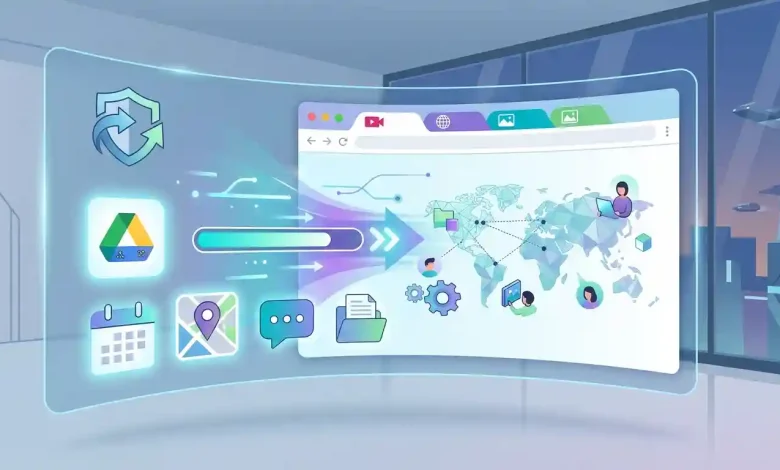
Table of Contents
Update your browser to maintain seamless access to your digital workspace and cloud-based services. In the modern era of computing, software as a service (SaaS) platforms have completely revolutionized how we handle data, collaborate with colleagues, and organize daily tasks. However, as web applications like Google Drive, Docs, Sheets, Slides, and Forms grow increasingly complex, they demand more powerful and secure client-side infrastructure to function properly. When you receive a notification asking you to update your browser, it is not merely a polite recommendation; it is an urgent requirement designed to protect your data and guarantee that advanced web APIs can execute. Failing to keep your web browser up to date will eventually result in a complete loss of access to Google Workspace apps, causing major operational friction for individuals and enterprises alike.
Why You See the ‘Update Your Browser’ Warning in Google Drive
Many users are surprised when an alert suddenly interrupts their workflow. This prompt occurs because Google continuously rolls out performance upgrades, security patches, and interface updates across its entire ecosystem. These changes rely on modern browser technologies like WebAssembly, advanced CSS layouts, secure cookie handling, and sophisticated JavaScript engines. If your web browser is outdated, its engine cannot parse these advanced features, which triggers the ‘Update your browser to use Google Drive and other apps’ warning. Security is another primary catalyst. Cybercriminals are constantly looking for vulnerabilities in older browser rendering engines to execute arbitrary code or bypass security sandboxes. By forcing browser updates, Google ensures that users are protected from the latest cross-site scripting (XSS) and data-injection threats.
How Outdated Browsers Impact Your Workflow
An outdated browser does more than just show annoying notifications; it fundamentally degrades your daily workflow. Users attempting to access Google Drive on legacy browsers frequently experience severe lagging, layout breaking, and missing UI elements. Basic functions such as dragging and dropping files, searching inside folders, or launching Google Docs often fail to execute. In the modern landscape, protecting private information is critical. Technological vulnerabilities are linked to systemic legal struggles over user data access, similar to how major media outlets like the New York Times fought DOJ subpoenas in recent years to protect digital archives and sources. Running unsupported software opens your entire system to data breaches, which can compromise personal, academic, or corporate files. Furthermore, collaborative features like real-time co-authoring and live chat in Google Docs will cease to function, isolating you from your team’s live updates.
Compatible Browsers and System Requirements for Google Workspace
To maintain optimal performance and complete access to Google Workspace, you must utilize a fully supported browser. Google officially supports Google Chrome, Mozilla Firefox, Microsoft Edge, and Apple Safari. For Chrome, Google supports the latest stable release. For Firefox, Edge, and Safari, Google supports the current and previous major releases. Whenever a new version is released, support for the oldest version is phased out. These digital standards are not static and are updated periodically to match consumer hardware changes. Outdated digital experiences are similar to physical public archives and museums that require regular revision to remain accurate, such as when Smithsonian exhibits faced modern warning signs to guide visitors appropriately. Likewise, browser requirements must adapt to safeguard user data and maintain smooth compatibility across diverse platforms.
Browser Compatibility and Support Table
While all four major browsers can access Google Drive, their capabilities differ slightly depending on their integration. For instance, offline file editing—a critical feature for professionals who travel frequently—is only fully supported on Google Chrome. Other browsers like Firefox, Edge, and Safari do not support native offline access to Gmail, Google Calendar, and Docs Editors. To help you understand these functional differences, we have compiled a detailed comparison table outlining the compatibility status of each primary browser.
| Browser Name | Supported Versions | Key Features Supported | Limitations & Unsupported Features |
|---|---|---|---|
| Google Chrome | Latest stable version (auto-updates) | Offline access, client-side encryption, desktop notifications, maximum Google compatibility | None (best performing platform for Drive) |
| Mozilla Firefox | Current and previous major release | Full web editing, core Drive features, privacy controls | No offline access (Docs, Sheets, Slides), lacks Meet client-side encryption |
| Microsoft Edge | Current and previous major release | Great default compatibility on Windows, robust security integration | No native offline access support for Google Docs Editors |
| Apple Safari | Current and previous major release | Optimized performance on macOS, energy efficiency | No offline access, lacks Gmail desktop notifications |
Step-by-Step Instructions: How to Update Your Web Browser
Updating your web browser is a quick and straightforward process that takes less than five minutes. Most modern browsers are set to update automatically in the background, but manual checks are often necessary to resolve persistent warnings. To update Google Chrome, click the three-dot menu icon in the upper-right corner, select ‘Help’, and then click ‘About Google Chrome’. The browser will automatically check for, download, and install any pending updates. For Mozilla Firefox, click the three-bar menu button, go to ‘Help’, and select ‘About Firefox’. To update Microsoft Edge, click the three-dot menu, navigate to ‘Help and feedback’, and click ‘About Microsoft Edge’. Apple Safari updates are managed directly through macOS, meaning you must check for system updates under System Settings. Operating system and software guidelines ensure compliance. Tech security standards must follow strict guidelines, much like how health safety authorities put peptides under regulatory scrutiny to protect consumers from compound risks.
Resolving the Persistent Excel and Word Link Redirection Error
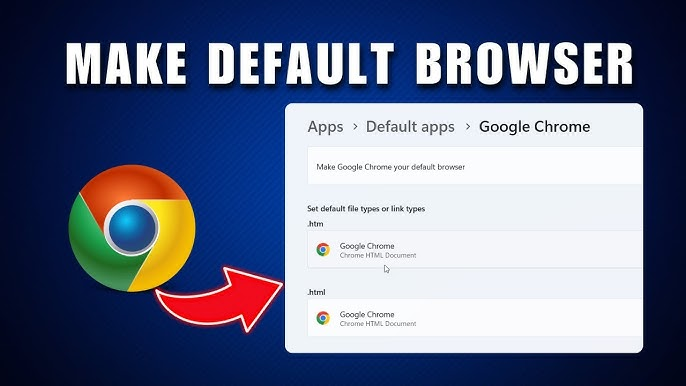
A common issue reported by professionals involves clicking a Google Drive link inside Microsoft Excel or Word and seeing the ‘Update your browser’ warning, even though their browser is updated. This baffling error occurs because of how legacy Microsoft Office products handle hyperlinks. By default, older versions of Office use an internal operating system browser component (usually legacy Internet Explorer or an old MSHTML shell) to perform a preliminary check on the hyperlink before redirecting to your default browser. Because Google Drive has dropped all support for legacy engines, this check fails, causing Google to return the warning. To fix this, you can edit the Windows Registry. Navigate to HKEY_LOCAL_MACHINE\SOFTWARE\Microsoft\Office\9.0\Common\Internet (or the folder corresponding to your Office version, such as 16.0) and create a new DWORD value named ForceShellExecute with a value data of 1. This forces Windows to bypass the internal check and immediately open the link in your default modern browser. Leaving these administrative issues unresolved can lead to workflow delays and, in business environments, serious operational errors. Unresolved technical errors can result in major legal liabilities, just as a court’s decision in a high-profile defamation lawsuit highlighted the severe consequences of digital misinformation and negligence.
Advanced Troubleshooting for Persistent Browser Issues
If updating your browser does not resolve the warning, you must look into secondary troubleshooting options. The issue is often rooted in corrupted cookies or local browser cache that stores obsolete script files. To resolve this, open your browser’s settings, clear your browsing history, and wipe cache and cookies from ‘all time’. Another common culprit is problematic browser extensions or ad blockers. Some privacy extensions inadvertently block essential Google Workspace scripts, leading the application to assume you are using an unsupported browser. Try disabling extensions one by one or opening Google Drive in an Incognito window to see if the issue persists. Furthermore, as cloud applications grow heavier, they demand substantial server infrastructure. Just as structural expansion has faced bottlenecks like the halts in the development of advanced ai data centers, older consumer machines are struggling to support heavy cloud-native programs. If your local machine lacks the memory or operating system capability to run modern browser engines, you may need to update your operating system or use Google Drive’s native desktop applications.
The Broader Cybersecurity and Digital Infrastructure Landscape
Maintaining modern digital standards is crucial as we navigate a highly interconnected global economy. While software updates might seem trivial, digital services have faced major strains amidst broader macroeconomic struggles, where inflation threatens global economic stability. Indeed, international economic pressure is mounting, as seen in China’s slowed economic growth, which directly impacts the supply chain of hardware devices and semiconductors. These technological security measures are vital in a world of growing uncertainty, where digital disruption happens alongside shockwaves from energy and oil markets. In this landscape, ensuring your digital tools are updated is your first line of defense. By taking the time to update your browser and configure your system, you protect your productivity, secure your sensitive files, and ensure seamless collaboration across your entire organization.