Iran-US conflict: Trump Weighs Massive Attack as Oil Spikes
Table of Contents
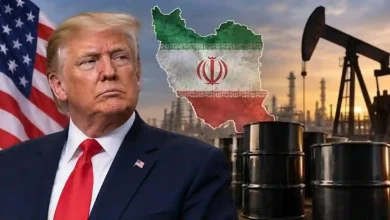
Iran-US conflict dynamics have reached a critical breaking point as global markets react to dramatic military escalations in the Middle East. President Donald Trump has threatened a major new escalation, revealing in a high-stakes interview that he is actively weighing whether to launch a “massive attack” on the Islamic Republic. According to reports published on Thursday, the president is considering options that would be “bigger than ever before,” signaling a potential return to intensive combat operations that could dwarf previous campaigns. This warning came alongside the thirteenth consecutive night of American military airstrikes in the region, keeping local populations and international monitors on high alert. Simultaneously, global energy markets experienced sudden tremors, with Brent crude briefly surging past the symbolic threshold of $100 a barrel before stabilizing slightly on Friday afternoon.
Despite the highly charged, escalatory rhetoric, the president appeared to leave the door open for a diplomatic solution during a Friday afternoon address to reporters in the Oval Office. He outline a dual-track strategy, explaining that the administration is currently pursuing both military and diplomatic channels simultaneously. As tensions simmer, the international community remains anxious about the next steps, with global leaders warning that a single misstep could plunge the entire Middle East into an unmanageable regional war. The situation represents one of the most severe tests of the administration’s foreign policy to date, balance the threat of overwhelming military force with the delicate art of backchannel negotiations.
The Precipice of War: Trump’s Axios Bombshell
The latest escalation in the region was propelled into the global spotlight following President Trump’s exclusive interview with Axios on Thursday. During the conversation, the president stated that he was “close to making a decision” regarding a massive military campaign against Iran. In his characteristic direct style, Trump noted that the proposed strikes would exceed any previous operations, including the intense bombardments seen earlier in the conflict. Military planners have reportedly prepared targeted options that could strike core Iranian infrastructure, sending a clear message that the United States is willing to exert maximum pressure to achieve its goals.
This aggressive posture is viewed by many as a direct reaction to Iran’s persistent non-compliance and continued proxy warfare. Key administration figures have backed the president’s firm stance. Secretary of State Marco Rubio, speaking during an official visit to the Philippines, remarked that the administration is pursuing a “head for an eye” policy, emphasizing that Tehran would pay a very heavy price for targeting American personnel. This rhetoric comes after previous rounds of hostilities where targeted US airstrikes on Iran target Shalamcheh border zones and surrounding logistical facilities had already signaled Washington’s willingness to cross established red lines.
The Threat of a “Massive Attack”
What exactly would a “massive attack” entail? According to defense experts, the Pentagon has prepared contingency plans that target critical Iranian assets, including strategic infrastructure, air defense networks, and command-and-control facilities. There are even discussions about targeting deep-underground facilities, such as the nuclear site buried beneath Pickaxe Mountain (Kolang Gazla). The potential destruction of such sites represents an unprecedented escalation that could permanently alter the balance of power in the Middle East.
Trump’s comments suggest that he believes Iran has not yet faced sufficient consequences to force a change in its behavior. “They haven’t received enough pain yet,” Trump was quoted as saying, implying that the ongoing attrition-style campaign has not been coercive enough. By threatening an operation larger than any prior combat campaign, the administration hopes to shock the Iranian leadership into making concessions. However, the risk of such a strategy is immense, as it may leave the Iranian regime with no choice but to retaliate with all the forces at its disposal.
Thirteen Nights of Strikes and Global Shipping Paralysis
While the threat of a larger campaign looms, the daily reality of the conflict remains intensely violent. On Thursday night, the United States military completed its thirteenth consecutive night of airstrikes against targets associated with the Islamic Revolutionary Guard Corps (IRGC) and allied militant groups. Local reports from the region described heavy explosions along the southern coast of Iran, particularly near key port cities and shipping hubs, as well as near the capital, Tehran. These strikes are designed to systematically degrade Iran’s ability to launch anti-ship missiles and attack drones.
The continuous bombardment highlights the severe challenge of securing regional waterways. Despite weeks of airstrikes, militant forces have demonstrated a resilient capability to threaten commercial shipping. The ongoing confrontation is heavily tied to the broader Strait of Hormuz conflict escalations, which have successfully disrupted the flow of global trade through one of the world’s most critical maritime chokepoints. With commercial shipping lanes under constant threat, global logistics companies have been forced to reroute vessels, leading to massive delays and ballooning transport costs.
The Red Sea and Strait of Hormuz Chokepoints
The maritime conflict is no longer confined to a single waterway. In recent weeks, the theater of operations has expanded dramatically, creating a double-chokehold on global commerce. While the Strait of Hormuz remains highly militarized and virtually impassable for standard commercial traffic, the Red Sea has emerged as an equally hazardous zone. The dual threat has stretched Western naval resources thin as they attempt to patrol vast expanses of water against asymmetric threats.
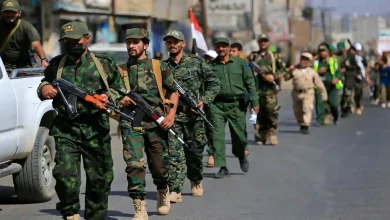
The interconnected nature of these waterways means that a crisis in one instantly reverberates through the other. Analysts note that the Red Sea shipping crisis and Houthi strikes have effectively merged with the Persian Gulf theater, creating an unprecedented security challenge. Each time Iranian military targets struck by US forces are reported, regional proxy groups respond by launching coordinated drone and missile attacks against vulnerable merchant vessels, demonstrating a highly integrated network of resistance that defies traditional deterrence.
Economic Shockwaves: Oil Surges Beyond $100
The geopolitical instability has immediately translated into economic anxiety, with global energy markets bearing the brunt of the tension. Following the news of Trump’s Axios interview and fresh reports of maritime attacks, Brent crude oil prices briefly surged above $100 a barrel on Thursday. This represented the first time since May that the international benchmark crossed this psychologically significant threshold, sparking fears of a renewed global inflation shock that could derail recovering Western economies.
The surge in oil prices is directly linked to the threat of supply disruptions. Together, the Strait of Hormuz and the Red Sea facilitate the transit of a massive percentage of the world’s daily petroleum supply. Any prolonged closure or active combat in these corridors threatens to remove millions of barrels of oil from the market. Although prices retreated slightly on Friday morning to around $96 a barrel as diplomatic avenues were discussed, the market remains incredibly sensitive. Experts warn that a full-scale US military campaign would likely push prices well past $120 a barrel, resulting in higher retail gasoline prices and severe economic strain globally.
The financial toll of the conflict is also being felt within the United States. Sustaining a high-tempo military campaign, deploying carrier strike groups, and conducting nightly airstrikes require immense financial resources. There are growing concerns in Washington that the unbudgeted cost of these operations is unsustainable, with reports suggesting the Defense Department running out of cash to maintain its prolonged Middle Eastern presence without emergency congressional funding. Below is an overview of the key operational and economic indicators surrounding the current crisis:
| Key Indicator | Current Status (July 2026) | Strategic & Economic Impact |
|---|---|---|
| Brent Crude Price | Briefly crossed $100/barrel; currently fluctuating near $96 | Drives global inflation fears; increases retail fuel costs past $4/gallon in the US |
| US Military Campaign | 13 consecutive nights of airstrikes; major naval deployments active | Deletes strategic munitions; places severe financial strain on the Pentagon budget |
| Maritime Chokepoints | Strait of Hormuz and Red Sea heavily contested and militarized | Forces massive rerouting of commercial cargo ships around Africa, raising freight costs |
| Diplomatic Status | Active backchannel discussions via regional mediators (Iraq, Oman) | Provides a fragile buffer against a full-scale, catastrophic regional war |
Dual-Track Strategy: Rapid Devastation vs. Active Diplomacy
Despite the highly escalatory language used in his mid-week interviews, President Trump adopted a noticeably more measured tone during a press gathering at the White House on Friday afternoon. When questioned directly by reporters in the Oval Office about whether a final decision on major strikes had been made, the president revealed that no such order had been issued yet. Instead, he outlined a dual-track strategy that leaves the door open for both maximum military pressure and diplomatic negotiation.
“There’s two ways,” Trump explained to the gathered press corps. “I mean, it’s, you can just keep doing exactly what we’re doing and take them apart piece by piece. We could do it in a more rapid fashion, which we might do, or we can negotiate with them, which we’re also doing right now. I mean, as we speak, we’re talking to them.” This revelation confirms that behind the scenes, high-stakes diplomatic communications are taking place, even as bombers patrol the skies over the Persian Gulf. By maintaining the credible threat of overwhelming force, the administration appears to be attempting to negotiate from a position of absolute strength.
Behind-the-Scenes Negotiations
The revelation that active negotiations are underway has injected a glimmer of hope into an otherwise grim geopolitical forecast. Regional intermediaries, particularly the government of Iraq and the Sultanate of Oman, have been working tirelessly to convey proposals between Washington and Tehran. Earlier in the week, reports emerged that Iraq’s prime minister had delivered a 15-point ceasefire proposal from the United States to Iranian officials, though details of the proposal remain closely guarded and subject to intense debate.
The primary obstacle to a successful diplomatic resolution is the deep-seated lack of trust between the two nations. United States officials accuse Iran of failing to act in good faith, pointing to the ongoing proxy attacks as evidence of insincerity. The widening conflict with Houthi attacks on Saudi commercial tankers has further complicated the diplomatic landscape, as Washington insists that any viable peace deal must include the immediate cessation of all proxy maritime strikes. For its part, Tehran demands an immediate halt to US airstrikes and the lifting of crippling economic sanctions before any formal treaty can be signed.
Geopolitical Alignments and Regional Alliances
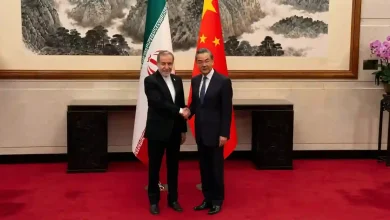
The escalating tension has forced global superpowers to carefully position themselves, creating a complex web of diplomatic alignments. President Trump addressed these dynamics on Friday, downplaying fears that major global rivals might intervene on Tehran’s behalf. In a social media post and subsequent comments to reporters, the president claimed that both Chinese President Xi Jinping and Russian President Vladimir Putin had personally assured him they would not participate in arming or directly supporting the Islamic Republic during this conflict.
“I think you know I trust them,” Trump told reporters in the Oval Office, expressing confidence that Moscow and Beijing would not want to disappoint the United States. However, Western intelligence assessments present a more cautious view, noting that both Russia and China continue to maintain deep economic ties with Iran and have previously provided intelligence and dual-use technology. This discrepancy highlights the growing tensions within international alliances, as European allies urge the US to coordinate its strategy within a broader multilateral framework rather than relying on personal assurances from adversarial leaders.
The Role of Israel and Local Proxies
A critical component of any potential escalation is the role of Israel, Washington’s primary ally in the region. During his Axios interview, President Trump confidently stated that Israel “would join in two minutes if I ask them to,” though he quickly emphasized that the United States does not require any external assistance to execute its military plans. “We don’t need anybody,” the president asserted, reinforcing his administration’s America First military doctrine.
While the US may possess the unilateral capability to strike, any Israeli involvement would carry immense strategic consequences. Iranian officials have warned that any direct participation by Jerusalem would result in immediate, heavy missile strikes targeting major Israeli population centers, including Tel Aviv. This threat of regional escalation has fueled intense debate within Washington, where domestic political dissent and military shifts are becoming increasingly visible. Members of Congress remain deeply divided, with some urging the president to seek formal authorization for war, while others back his unilateral executive authority to protect American interests abroad.
Strategic Consequences and Long-Term Implications
The coming days will be critical in determining whether the United States and Iran slide into a devastating regional war or find a path toward a fragile truce. President Trump’s dual-track approach of extreme military threats combined with active backchannel talks represents a high-stakes gamble. If the threat of a “massive attack” successfully forces the Iranian leadership to accept a negotiated settlement, it could represent a major foreign policy victory for the administration, securing the vital maritime chokepoints of the Middle East without the need for a protracted ground war.
However, the margin for error is razor-thin. If the Iranian leadership perceives Trump’s warnings as an existential threat rather than a negotiating tactic, they may choose to strike preemptively, launching mass missile barrages against US bases and regional allies. Such a development would inevitably trigger the very “massive attack” the president has threatened, locking both nations into a cycle of destruction with devastating economic and humanitarian consequences. As the 13th night of airstrikes gives way to further diplomatic maneuvering, the world can only watch and wait, hoping that pragmatism will ultimately prevail over the drums of war.