U.S. Central Command Strikes Iran: Escalation in Hormuz Strait
Introduction
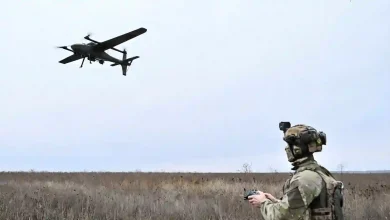
The U.S. Central Command (CENTCOM) has reported conducting retaliatory strikes against Iranian targets in Goruk and on Qeshm Island following the downing of a U.S. MQ-1 drone. According to CENTCOM, the drone was operating in international airspace over international waters when it was engaged by Iranian forces. The U.S. response involved the elimination of Iranian air defenses, a ground control station, and two one-way attack drones, which CENTCOM identified as posing immediate threats to maritime traffic in the region. These events mark a significant escalation in the already tense dynamic between the United States and Iran, particularly concerning maritime security in the Strait of Hormuz. In response, Iran’s Revolutionary Guards have claimed responsibility for targeting what they allege was the source of a U.S. attack on a telecommunications tower on Sirik Island. This exchange of actions highlights the precariousness of the situation and the potential for further conflict.
U.S. Strikes in Goruk and Qeshm
The decision by the U.S. Central Command to strike targets in Goruk and Qeshm Island underscores the strategic importance of these locations in Iran’s military infrastructure. Goruk, located in close proximity to the Strait of Hormuz, likely houses critical radar and missile defense systems designed to protect Iranian airspace and naval assets. Qeshm Island, the largest island in the Persian Gulf, hosts a variety of military installations, including naval bases and missile sites. By targeting these specific areas, the U.S. aimed to degrade Iran’s ability to monitor and potentially disrupt maritime activities in the Strait of Hormuz. The strikes were described as precise and targeted, with the intention of minimizing collateral damage while effectively neutralizing the identified threats. CENTCOM emphasized that no U.S. service members were harmed during the operation, indicating a reliance on standoff weaponry and careful planning to avoid direct engagement. The MQ-1 drone, which was reportedly shot down in international airspace, is a vital asset for surveillance and reconnaissance, making its loss a significant blow to U.S. intelligence gathering capabilities in the region. This incident likely served as the immediate catalyst for the retaliatory strikes.
Iranian Response: Sirik Island Attack
In response to the U.S. strikes, Iran’s Revolutionary Guards claimed to have targeted the source of what they described as a U.S. attack on a telecommunications tower located on Sirik Island in Hormozgan province. The Revolutionary Guards, a powerful branch of the Iranian military, asserted that their aerospace force successfully engaged the unspecified target. The ambiguity surrounding the precise nature and location of the Iranian response raises questions about the extent and impact of their actions. Sirik Island, like Qeshm, is strategically positioned near the Strait of Hormuz, making it a crucial location for monitoring and potentially controlling maritime traffic. The presence of a telecommunications tower suggests its importance for military communications and surveillance activities. The Iranian claim of targeting the source of the alleged U.S. attack implies a desire to deter future actions and assert their own defensive capabilities. This tit-for-tat exchange highlights the dangerous cycle of escalation that characterizes the U.S.-Iran relationship, with each side responding to perceived provocations in a manner that risks further inflaming tensions. The incident also underscores the importance of accurate information and clear communication channels to prevent misunderstandings and miscalculations that could lead to unintended consequences.
Analysis of the Escalation
The recent exchange of strikes between the U.S. and Iran represents a concerning escalation in their ongoing tensions. The downing of a U.S. drone and the subsequent retaliatory strikes demonstrate a willingness by both sides to engage in direct military action, raising the risk of a broader conflict. Several factors contribute to the heightened tensions, including the ongoing disputes over Iran’s nuclear program, U.S. sanctions, and regional power struggles. The Strait of Hormuz, a vital waterway for global oil supplies, has become a flashpoint in this conflict, with both sides seeking to assert their control and influence. The U.S. has consistently maintained a strong naval presence in the region to ensure freedom of navigation and deter Iranian aggression. Iran, on the other hand, views the U.S. presence as a threat to its security and has vowed to defend its interests in the Gulf. The latest incidents suggest a breakdown in deterrence, with both sides willing to take increasingly risky actions. The potential for miscalculation or unintended escalation is high, particularly in the absence of clear communication channels and a shared understanding of red lines. A misinterpretation of intentions or an accidental engagement could quickly spiral out of control, leading to a wider conflict with potentially devastating consequences.
Strategic Importance of the Strait of Hormuz
The Strait of Hormuz is one of the world’s most strategically important waterways. This narrow channel, only 21 miles wide at its narrowest point, connects the Persian Gulf to the Gulf of Oman and the Arabian Sea. It serves as the primary transit route for oil tankers carrying crude oil from major producers such as Saudi Arabia, Iran, the United Arab Emirates, and Kuwait. Millions of barrels of oil pass through the Strait of Hormuz every day, making it a critical artery for the global energy supply. Any disruption to traffic in the Strait could have significant repercussions for the world economy, leading to higher oil prices and potential shortages. The U.S. has long recognized the strategic importance of the Strait of Hormuz and has maintained a strong naval presence in the region to ensure freedom of navigation and protect its interests. Iran, as a major power in the Gulf, also views the Strait as vital to its security and economic well-being. It has repeatedly threatened to close the Strait in response to perceived threats or provocations, raising concerns about potential disruptions to global oil supplies. The recent incidents involving the downing of a U.S. drone and the retaliatory strikes underscore the vulnerability of the Strait of Hormuz and the potential for conflict in this critical waterway. Securing the Strait is a key priority for both the U.S. and its allies, as well as for the global community as a whole. The article Hormuz Oil Surge Hits $110 as 2,000 Ships Strand in Gulf dives into the specifics of the Strait and its impact on oil prices.
Comparison of Military Assets
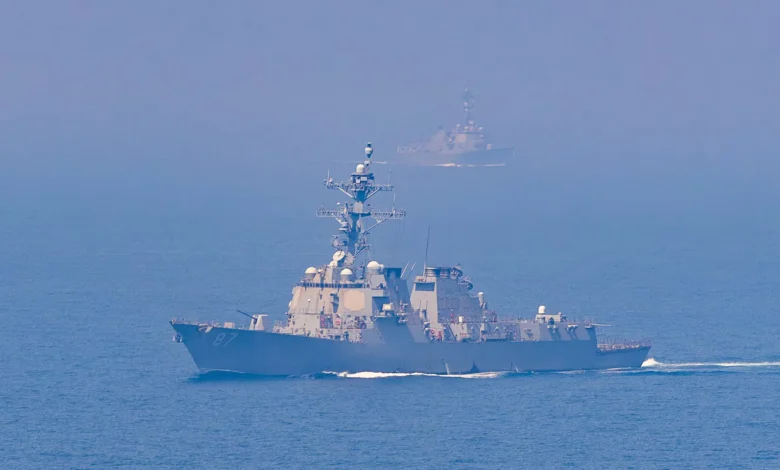
The U.S. and Iran possess significantly different military capabilities, reflecting their distinct strategic priorities and resources. The U.S. military is characterized by its advanced technology, global reach, and extensive network of alliances. It maintains a large and modern navy, air force, and army, equipped with sophisticated weaponry and advanced surveillance systems. The U.S. Navy’s Fifth Fleet, based in Bahrain, is responsible for maintaining maritime security in the Persian Gulf and surrounding waters. It operates a fleet of warships, aircraft carriers, and support vessels, providing a formidable presence in the region. The U.S. Air Force also maintains a strong presence in the Middle East, with air bases in Qatar, Kuwait, and the United Arab Emirates. These bases provide the U.S. with the ability to project air power throughout the region, conducting surveillance, reconnaissance, and strike missions. Iran’s military, while less technologically advanced than the U.S., is characterized by its large size, its focus on asymmetric warfare, and its development of indigenous weapons systems. Iran’s Revolutionary Guards play a central role in the country’s defense strategy, responsible for protecting the Islamic Republic from internal and external threats. The Revolutionary Guards operate their own navy, air force, and ground forces, separate from the regular Iranian military. They have developed a range of anti-ship missiles, drones, and other weapons designed to counter the U.S. naval presence in the Gulf. The article Undersea Cables in Hormuz Mapped by Iran: A Severe Threat provides more information on Iran’s technological capabilities. Here’s a comparison of key military assets:
| Military Asset | U.S. | Iran |
|---|---|---|
| Naval Power | Fifth Fleet with aircraft carriers, warships | Revolutionary Guard Navy with anti-ship missiles |
| Air Power | Advanced fighter jets, surveillance aircraft | Drones, ballistic missiles |
| Ground Forces | Modern army with advanced equipment | Large army with focus on asymmetric warfare |
| Strategic Advantage | Global reach, technological superiority | Asymmetric warfare capabilities, regional influence |
Potential Impact on Global Shipping
The escalating tensions in the Strait of Hormuz pose a significant threat to global shipping. Any disruption to maritime traffic in this vital waterway could have far-reaching consequences for the world economy, particularly for countries that rely heavily on oil imports from the Persian Gulf. Higher insurance premiums are typically the first economic impact that is felt. Attacks on tankers, mines in the water, or the threat of closure will cause insurance companies to raise their rates substantially. These costs are then passed on to consumers. A prolonged disruption could lead to significant increases in oil prices, potentially triggering a global economic slowdown. Additionally, disruptions to shipping could affect the supply of other goods and commodities, leading to higher prices and potential shortages. The U.S. has repeatedly vowed to ensure freedom of navigation in the Strait of Hormuz, but its ability to do so could be challenged by Iran’s growing military capabilities and its willingness to take risks. The international community has a shared interest in maintaining stability in the Strait of Hormuz and ensuring the free flow of commerce. Diplomatic efforts to de-escalate tensions and promote dialogue between the U.S. and Iran are essential to preventing a crisis that could have devastating consequences for the global economy.
Historical Context: U.S.-Iran Tensions
The current tensions between the U.S. and Iran are rooted in a long and complex history dating back to the 1950s. The U.S. played a key role in the 1953 coup that overthrew Iran’s democratically elected Prime Minister Mohammad Mosaddegh and restored the Shah to power. This event, which was motivated by U.S. concerns about Iran’s nationalization of its oil industry, has been a source of resentment and distrust in Iran ever since. The 1979 Islamic Revolution, which ousted the U.S.-backed Shah and established an Islamic Republic, marked a turning point in U.S.-Iran relations. The U.S. has since viewed Iran as a major adversary, supporting its rivals in the region and imposing economic sanctions to pressure it to change its behavior. Iran, on the other hand, views the U.S. as an imperialist power seeking to dominate the Middle East and undermine its sovereignty. The two countries have been engaged in a proxy conflict for decades, supporting opposing sides in conflicts in Iraq, Syria, Lebanon, and Yemen. The Uranium Crisis: 3 Scenarios Post U.S.-Iran Nuclear Strikes provides further analysis on the tensions between the two countries. The recent escalation in the Strait of Hormuz is just the latest manifestation of this long-standing rivalry, highlighting the deep-seated mistrust and animosity that continue to define their relationship.
International Reactions and Diplomatic Efforts
The escalating tensions between the U.S. and Iran have drawn concern from the international community, with many countries calling for restraint and de-escalation. The United Nations has urged both sides to avoid any actions that could further inflame the situation and to engage in dialogue to resolve their differences. European countries have also expressed concern about the rising tensions, emphasizing the importance of preserving the Iran nuclear deal and finding a diplomatic solution to the crisis. However, divisions within the international community have hampered efforts to mediate between the U.S. and Iran. Some countries, such as Saudi Arabia and Israel, have strongly supported the U.S. policy of pressuring Iran, while others, such as Russia and China, have criticized the U.S. sanctions and called for a more balanced approach. The lack of a unified international response has made it more difficult to de-escalate the tensions and find a way forward. Diplomatic efforts to bring the U.S. and Iran back to the negotiating table have so far been unsuccessful, with both sides taking a hard line and refusing to compromise. The Abbas Araghchi Meets Putin in St. Petersburg Summit details attempts at diplomacy and negotiation in the past.
Risks of Further Escalation
The current situation in the Strait of Hormuz carries significant risks of further escalation, potentially leading to a wider conflict with devastating consequences. Several factors could contribute to an escalation, including miscalculation, accidental engagement, or a deliberate act of aggression by either side. The presence of numerous warships, aircraft, and military personnel in a confined area increases the risk of accidental encounters or misunderstandings that could quickly spiral out of control. A misinterpretation of intentions or a communication breakdown could lead to an unintended engagement, triggering a retaliatory response and escalating the conflict. Additionally, hardliners on both sides may see an advantage in escalating the conflict, believing that they can achieve their objectives through military force. A deliberate act of aggression, such as an attack on a U.S. warship or an Iranian oil tanker, could provoke a strong response, leading to a cycle of escalation that is difficult to control. The potential for a wider conflict involving other countries in the region is also a major concern. A war between the U.S. and Iran could draw in allies on both sides, leading to a regional conflagration with potentially catastrophic consequences. The article CENTCOM Briefs Trump on Unprecedented Iran Strike Options discusses the possible scenarios of direct conflict.
Implications for Regional Stability
The escalating tensions between the U.S. and Iran have profound implications for regional stability in the Middle East. The ongoing conflict has exacerbated existing divisions and rivalries, undermining efforts to promote peace and cooperation. The Iran Accuses UAE of Retaliation Over OPEC Exit Amid Regional Tensions highlights one instance of regional tension. A wider conflict between the U.S. and Iran could further destabilize the region, leading to increased violence, displacement, and humanitarian suffering. The conflict has also emboldened extremist groups, such as ISIS and al-Qaeda, who see an opportunity to exploit the chaos and instability to advance their own agendas. These groups could gain new recruits and resources, posing a long-term threat to regional and international security. The escalating tensions have also undermined efforts to resolve other conflicts in the region, such as the wars in Syria and Yemen. The focus on the U.S.-Iran conflict has diverted attention and resources away from these other crises, making it more difficult to find peaceful solutions. The international community needs to work together to de-escalate tensions, promote dialogue, and address the root causes of instability in the Middle East. A comprehensive approach that addresses the political, economic, and social grievances that fuel conflict is essential to achieving lasting peace and stability in the region.
Conclusion
The recent exchange of strikes between the U.S. Central Command and Iranian forces represents a dangerous escalation in the already fraught relationship between the two countries. The downing of a U.S. drone, the retaliatory strikes, and the subsequent Iranian response underscore the fragility of the situation in the Strait of Hormuz and the potential for further conflict. The strategic importance of the Strait as a vital waterway for global oil supplies means that any disruption to maritime traffic could have far-reaching consequences for the world economy. The historical context of U.S.-Iran tensions, the differing military capabilities of the two sides, and the complex regional dynamics all contribute to the risks of further escalation. The international community must work together to de-escalate tensions, promote dialogue, and address the root causes of instability in the Middle East. Failure to do so could lead to a wider conflict with devastating consequences for the region and the world.