Chemical Incident Averted: Southern California’s Near-Disaster Explained
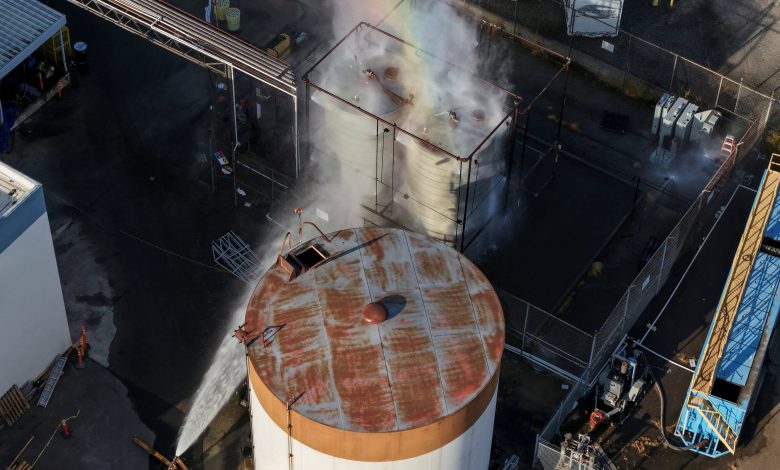
Overview of the Chemical Incident
Since Thursday, Southern California officials, collaborating with state and federal agencies, have successfully managed to avert what could have escalated into one of the most severe chemical incidents in California’s history. The emergency prompted mandatory evacuation orders for thousands of residents in a city southeast of Los Angeles, leaving them uncertain about when they could return to their homes. By Monday evening, authorities confirmed that the threat of a “boiling liquid expanding vapor explosion,” or BLEVE, had been neutralized. This article delves into the details of the incident, examining the timeline, the chemical substance involved, the coordinated response, and the broader implications for public safety and environmental protection.
Timeline of Events
The chemical incident unfolded over several days, marked by escalating concerns and intensive intervention efforts. Here’s a detailed breakdown of the key events:
- Thursday: The initial signs of trouble emerged, prompting local authorities to assess the situation and initiate preliminary safety measures.
- Friday: As the situation deteriorated, the severity of the potential chemical incident became clear, leading to increased coordination between local, state, and federal agencies. Evacuation plans were put into motion.
- Saturday: Mandatory evacuation orders were issued for residents in the immediate vicinity of the affected area. Emergency responders worked to contain the situation and prevent further escalation.
- Sunday: Efforts to mitigate the risk of a BLEVE were intensified. Experts from various agencies collaborated to implement strategies for cooling and stabilizing the volatile substance.
- Monday: After days of intensive efforts, Orange County fire officials announced that the threat of a BLEVE had been averted, and the situation was brought under control. Monitoring continued to ensure complete stabilization.
This timeline underscores the rapid escalation of the incident and the critical importance of a swift and coordinated response. Understanding the sequence of events is crucial for identifying areas of improvement in emergency response protocols.
Understanding BLEVE: The Core Threat
A Boiling Liquid Expanding Vapor Explosion (BLEVE) is a catastrophic event that occurs when a tank containing a liquid under pressure ruptures, causing a rapid expansion of the liquid into a vapor cloud. This vapor cloud can then ignite, resulting in a massive explosion. The primary factors contributing to a BLEVE include:
- Pressurized Liquid: The substance is stored under high pressure, increasing its volatility.
- External Heat Source: Exposure to fire or extreme heat can weaken the tank and raise the liquid’s temperature.
- Sudden Rupture: A breach in the tank’s integrity leads to the instantaneous release of the pressurized liquid.
The consequences of a BLEVE can be devastating, including significant property damage, severe injuries, and loss of life. Preventing a BLEVE requires careful monitoring of storage conditions, robust safety measures, and rapid response capabilities.
The Evacuation Order and Community Impact
The mandatory evacuation order affected thousands of residents, disrupting their lives and creating significant anxiety. Evacuating a large population requires meticulous planning and execution, involving:
- Notification Systems: Timely and effective communication channels to alert residents of the need to evacuate.
- Evacuation Routes: Clearly designated routes to ensure smooth and orderly movement away from the danger zone.
- Shelter and Support: Provision of temporary housing, food, and medical assistance for evacuees.
- Security Measures: Ensuring the safety and security of evacuated areas to prevent looting or vandalism.
The psychological impact on the community can be profound, with many residents experiencing stress, fear, and uncertainty. Community support services, including counseling and crisis intervention, play a vital role in helping people cope with the trauma of evacuation. Similar disruptions can have long-lasting effects on individuals and communities.
Multi-Agency Response: A Coordinated Effort
The successful management of the chemical incident was largely due to the coordinated efforts of multiple agencies at the local, state, and federal levels. Key agencies involved included:
- Orange County Fire Authority: Led the on-site response, coordinating firefighting and containment efforts.
- California Environmental Protection Agency (CalEPA): Provided expertise in hazardous materials management and environmental monitoring.
- U.S. Environmental Protection Agency (EPA): Offered technical assistance and resources for assessing and mitigating environmental risks.
- Local Law Enforcement: Ensured public safety, managed traffic flow, and provided security for evacuated areas.
Effective communication and collaboration between these agencies were essential for a swift and efficient response. Regular drills and training exercises help to prepare emergency responders for such incidents, enhancing their ability to work together seamlessly.
The Specific Chemical Compound Involved
While specific details about the chemical compound have not been widely publicized, understanding the nature of the substance is crucial for assessing the risks and implementing appropriate mitigation strategies. Key characteristics to consider include:
- Volatility: How easily the substance evaporates and forms a vapor cloud.
- Flammability: The ease with which the vapor cloud can ignite and cause a fire or explosion.
- Toxicity: The potential health effects of exposure to the substance, including both short-term and long-term risks.
- Reactivity: The substance’s tendency to react with other materials, potentially creating hazardous byproducts.
Based on available information, the chemical compound posed a significant risk of a BLEVE, indicating that it was likely a highly volatile and flammable substance stored under pressure. Further investigation and transparency regarding the specific chemical involved are essential for informing public health and safety measures.
Risk Assessment and Mitigation Strategies
A comprehensive risk assessment is essential for identifying potential hazards and implementing effective mitigation strategies. This involves:
- Hazard Identification: Identifying potential sources of chemical releases and assessing the likelihood of an incident.
- Vulnerability Analysis: Evaluating the potential impact on the surrounding community, including residential areas, schools, and critical infrastructure.
- Risk Evaluation: Determining the overall level of risk based on the likelihood and potential consequences of an incident.
- Mitigation Measures: Implementing strategies to reduce the likelihood or impact of a chemical release, such as improved storage practices, enhanced monitoring systems, and emergency response plans.
Regular audits and inspections are crucial for ensuring that safety measures are in place and are functioning effectively. Continuous improvement and adaptation are necessary to address emerging risks and challenges. Similar risk assessment strategies are vital in other high-stakes scenarios.
Potential Environmental Impact
A chemical incident can have significant environmental consequences, including:
- Air Pollution: Release of toxic vapors into the atmosphere, posing risks to air quality and public health.
- Water Contamination: Contamination of surface water and groundwater sources, potentially affecting drinking water supplies and aquatic ecosystems.
- Soil Contamination: Deposition of chemicals onto soil, leading to long-term contamination and potential harm to plant and animal life.
Environmental monitoring is essential for assessing the extent of contamination and implementing remediation measures. These measures may include:
- Air Monitoring: Using specialized equipment to detect and measure the concentration of toxic vapors in the air.
- Water Sampling: Collecting water samples from various sources to test for chemical contamination.
- Soil Testing: Analyzing soil samples to determine the level of chemical contamination and guide remediation efforts.
Long-term monitoring is often necessary to ensure that remediation efforts are effective and that the environment is fully restored.
Public Health Concerns
Exposure to hazardous chemicals can pose a variety of health risks, depending on the nature of the substance and the level of exposure. Potential health effects include:
- Respiratory Problems: Inhalation of toxic vapors can cause irritation of the lungs, difficulty breathing, and long-term respiratory illnesses.
- Skin Irritation: Direct contact with chemicals can cause skin rashes, burns, and other forms of irritation.
- Neurological Effects: Exposure to certain chemicals can affect the nervous system, leading to headaches, dizziness, and other neurological symptoms.
- Long-Term Health Risks: Chronic exposure to hazardous chemicals can increase the risk of cancer, birth defects, and other serious health problems.
Public health officials play a crucial role in assessing the health risks, providing medical advice, and monitoring the health of affected populations. Education and outreach programs can help to inform the public about the potential health risks and provide guidance on how to protect themselves.
Lessons Learned and Future Preparedness
Every chemical incident provides valuable lessons that can be used to improve future preparedness and response capabilities. Key areas for improvement may include:
- Enhanced Risk Assessment: Conducting more thorough risk assessments to identify potential hazards and vulnerabilities.
- Improved Emergency Response Plans: Developing more detailed and comprehensive emergency response plans that address a wide range of scenarios.
- Strengthened Communication and Coordination: Improving communication and coordination between different agencies and levels of government.
- Increased Public Awareness: Raising public awareness about the potential risks of chemical incidents and how to protect themselves.
Investing in training and equipment for emergency responders is also essential for ensuring that they are prepared to handle future incidents effectively.
Community Resilience and Support
Building community resilience is crucial for helping people cope with the aftermath of a chemical incident. This involves:
- Providing Mental Health Services: Offering counseling, support groups, and other mental health services to help people deal with the stress and trauma of the incident.
- Offering Financial Assistance: Providing financial assistance to help people cover the costs of temporary housing, medical care, and other expenses.
- Facilitating Community Engagement: Creating opportunities for community members to come together, share their experiences, and support one another.
Community leaders and organizations can play a vital role in fostering resilience and promoting healing. Supporting communities in times of crisis is essential for long-term recovery.
Expert Analysis and Commentary
Experts in chemical safety and emergency response have emphasized the importance of proactive measures to prevent future incidents. Recommendations include:
- Stricter Regulations: Implementing stricter regulations on the storage and handling of hazardous chemicals.
- Regular Inspections: Conducting regular inspections of facilities that store or use hazardous chemicals to ensure compliance with safety standards.
- Advanced Technology: Investing in advanced technologies for monitoring and detecting chemical releases.
By learning from past incidents and implementing these recommendations, communities can significantly reduce the risk of future chemical emergencies.
| Aspect | Details |
|---|---|
| Incident Type | Potential Boiling Liquid Expanding Vapor Explosion (BLEVE) |
| Location | City southeast of Los Angeles, Southern California |
| Timeline | Thursday to Monday (4 days) |
| Agencies Involved | Orange County Fire Authority, California Environmental Protection Agency (CalEPA), U.S. Environmental Protection Agency (EPA), Local Law Enforcement |
| Community Impact | Mandatory evacuation of thousands of residents |
| Mitigation | Cooling and stabilizing the volatile substance |
| Outcome | Threat of BLEVE averted |