Eaton Fire Aftermath: EPA Assesses Lead Levels in Altadena Homes
Introduction
The aftermath of the Eaton Fire, which ravaged the Altadena area in January 2025, has raised significant environmental and health concerns among residents. The fire, which destroyed approximately 9,400 homes and structures, released smoke containing hazardous substances such as lead, arsenic, and asbestos into the air. These contaminants subsequently settled in the surrounding areas, prompting extensive testing and cleanup efforts to ensure the safety and well-being of the community. This article delves into the details of the Eaton Fire’s impact, the subsequent EPA testing, and the implications for the residents of Altadena and Pasadena.
The Eaton Fire Devastation in January 2025
The Eaton Fire was a catastrophic event that had a profound impact on the Altadena community. Starting in the Angeles National Forest, the fire rapidly spread due to strong winds and dry conditions, consuming thousands of acres and causing widespread destruction. The intensity of the fire led to the complete destruction of numerous homes and structures, displacing families and leaving behind a landscape scarred by ash and debris. The immediate aftermath focused on emergency response, including firefighting efforts, evacuation procedures, and providing temporary shelter for those displaced. However, as the smoke cleared, attention turned to the long-term environmental and health consequences of the fire, particularly the potential contamination from released toxins.
Environmental Concerns: Lead, Arsenic, and Asbestos
One of the primary concerns following the Eaton Fire was the release of hazardous materials into the environment. Older homes and structures often contain lead-based paint, asbestos insulation, and other materials that, when burned, release toxic substances into the air and soil. Lead is a particularly potent neurotoxin, known to cause developmental problems in children and a range of health issues in adults. Arsenic, another hazardous substance, is a known carcinogen, and asbestos exposure can lead to severe respiratory illnesses, including mesothelioma and lung cancer. The presence of these contaminants in the smoke and ash raised fears about potential long-term health risks for residents in the affected areas. The EPA and other environmental agencies quickly mobilized to assess the extent of the contamination and develop strategies for cleanup and remediation. The incident also raised concerns about other potential environmental impacts, such as the contamination of water sources and the disruption of local ecosystems.
EPA Testing and Results: A Detailed Analysis
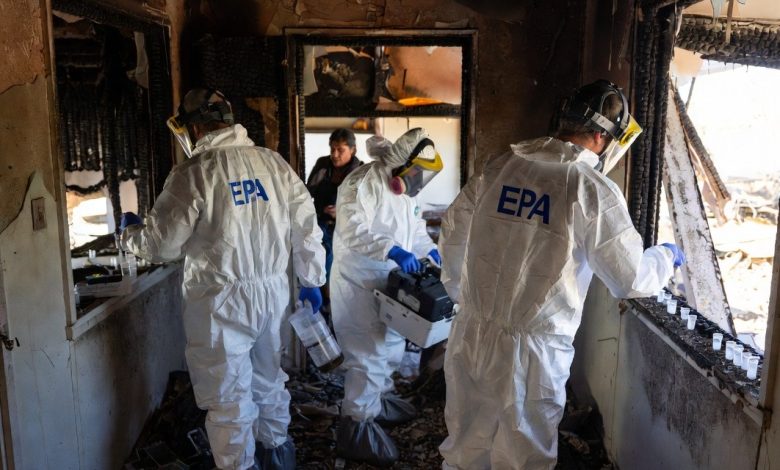
In response to these concerns, the Environmental Protection Agency (EPA) conducted extensive testing in the Altadena area to assess the levels of lead contamination in residential properties. The EPA selected 100 homes at random from the debris cleanup zone and collected soil samples for analysis. According to a report provided to NBC News, the results indicated that only five of the tested lots exceeded the EPA’s screening standards for lead. While this might seem reassuring, it’s essential to understand the context of these standards. The EPA’s screening levels are set to protect human health, particularly that of children, who are most vulnerable to the effects of lead exposure. The fact that even a small percentage of homes exceeded these levels prompted further scrutiny and investigation. The EPA’s testing methodology involved collecting multiple samples from each property to ensure a comprehensive assessment of lead distribution. These samples were then analyzed in certified laboratories to determine the concentration of lead in the soil. The results were carefully reviewed to identify any potential hotspots or areas of concern.
Comparison of EPA and California Standards
Adding another layer of complexity, California has its own set of environmental standards that are often more stringent than those set by the federal EPA. In the case of lead contamination, California’s standards are notably lower, reflecting the state’s commitment to protecting public health. The EPA’s report revealed that while only five lots exceeded federal screening standards, seventeen lots exceeded California’s more stringent standards. This discrepancy highlights the importance of considering both federal and state guidelines when assessing environmental risks. The stricter California standards are based on a more conservative approach to risk assessment, taking into account the potential for long-term exposure and the vulnerability of sensitive populations. This difference in standards underscores the ongoing debate about the appropriate levels of environmental protection and the balance between regulatory stringency and economic feasibility. It also highlights the need for clear communication and transparency in reporting environmental data, ensuring that residents are fully informed about the potential risks. Understanding the nuances between federal and state environmental regulations is crucial for interpreting the results of environmental testing and making informed decisions about public health and safety. The ongoing evaluation of these standards reflects the evolving scientific understanding of the health effects of lead and other contaminants, as well as the increasing emphasis on preventive measures to protect vulnerable populations.
EPA Confidence Levels and Burn Zone Application
Despite the varying levels of contamination found in the tested properties, the EPA expressed confidence in the overall effectiveness of the cleanup efforts. Michael Montgomery, director of the EPA Region 9 Superfund and Emergency Management Division, stated that the agency can say with 95% confidence that the burn areas addressed in Altadena and Pasadena were below both the California and federal screening levels. This high level of confidence is based on statistical analysis of the testing data and the extensive removal of ash and debris by the Army Corps of Engineers. The EPA believes that the results from the 100 randomly selected homes can be applied across the burn zone, providing a comprehensive assessment of the overall contamination levels. However, it’s important to note that this conclusion is based on statistical inference, and there may be individual properties with higher levels of contamination that were not included in the sample. The EPA’s confidence level reflects the agency’s commitment to providing accurate and reliable information to the public. This level of certainty is achieved through rigorous testing protocols, quality control measures, and independent verification of laboratory results. The application of these findings to the entire burn zone is a crucial step in ensuring that all residents are protected from potential health risks. This comprehensive approach allows for a more efficient allocation of resources and targeted interventions where needed.
Army Corps Cleanup Efforts: Scope and Effectiveness
The Army Corps of Engineers played a critical role in the cleanup efforts following the Eaton Fire. Their primary task was to remove ash and debris from the affected properties, including the soil beneath the ash, which was identified as a potential source of contamination. The Army Corps conducted a systematic removal process, using heavy equipment to excavate and transport the contaminated materials to designated disposal sites. The scope of their operation was extensive, covering hundreds of properties across Altadena and Pasadena. Michael Montgomery of the EPA emphasized that the Army Corps did remove ash and debris and the soil beneath that ash and debris to an adequate level, contributing significantly to reducing the risk of lead exposure. The effectiveness of the Army Corps’ cleanup efforts was evaluated through post-removal testing, which helped to verify that the contamination levels were below the established screening standards. Their work was essential in restoring the affected areas and creating a safer environment for residents. This collaboration between the EPA and the Army Corps highlights the importance of interagency cooperation in addressing environmental disasters and ensuring public health. The lessons learned from the Eaton Fire cleanup can inform future disaster response strategies and improve the coordination of resources and expertise.
Expert Opinions and Community Reassurance
The EPA’s findings and the Army Corps’ cleanup efforts have been met with mixed reactions from the Altadena community. While the EPA’s Michael Montgomery expressed confidence that the work addressed the fire-related contaminants, it is crucial to acknowledge that some residents may still harbor concerns about potential long-term health risks. To address these concerns, ongoing communication and transparency are essential. Public forums, community meetings, and accessible information resources can help to disseminate accurate information and address residents’ questions. Independent experts and health professionals can also play a valuable role in providing unbiased assessments and guidance. Building trust within the community requires a collaborative approach, involving government agencies, local organizations, and residents working together to ensure the safety and well-being of everyone. The EPA’s commitment to ongoing monitoring and data collection will further enhance community confidence and provide a basis for informed decision-making. Addressing community concerns also involves acknowledging the emotional and psychological impacts of the fire, providing support services for those affected, and fostering a sense of resilience and recovery. The recovery process is multifaceted, requiring a holistic approach that addresses both the environmental and social dimensions of the disaster.
Data Summary of Lead Contamination Levels
To provide a clear overview of the lead contamination levels following the Eaton Fire, the following table summarizes the key data from the EPA testing:
| Parameter | Value | Standard |
|---|---|---|
| Number of Homes Tested | 100 | N/A |
| Lots Exceeding EPA Screening Standards | 5 | EPA Standard |
| Lots Exceeding California Standards | 17 | California Standard |
| Median Lead Concentration | Below State and Federal Levels | Varies |
This table provides a concise summary of the lead contamination levels in Altadena homes following the Eaton Fire, highlighting the number of homes tested, the number exceeding EPA and California standards, and the median lead concentration. This data underscores the overall effectiveness of the cleanup efforts while acknowledging the areas that require further attention.
Long-Term Health Implications of Lead Exposure
Lead exposure, even at low levels, can have significant long-term health implications, particularly for children. Lead is a neurotoxin that can interfere with brain development, leading to cognitive and behavioral problems. Children exposed to lead may experience reduced IQ, learning disabilities, and attention deficits. In adults, lead exposure can increase the risk of cardiovascular disease, kidney damage, and reproductive problems. The long-term health effects of lead exposure can be subtle and may not be immediately apparent, making it crucial to implement preventive measures and monitor the health of affected populations. Regular blood lead testing, especially for children, can help to identify and address lead exposure early on. Nutritional interventions, such as ensuring adequate intake of iron and calcium, can also help to reduce lead absorption in the body. Public health initiatives aimed at reducing lead exposure, such as removing lead-based paint from older homes and ensuring safe drinking water, are essential for protecting community health. These measures reflect a commitment to preventing lead exposure and mitigating its long-term health consequences. It is important to recognize that lead exposure is a preventable health risk, and concerted efforts can make a significant difference in protecting vulnerable populations.
Community Response and Future Monitoring
The Altadena community has demonstrated resilience in the face of the Eaton Fire and its aftermath. Local organizations, community leaders, and residents have come together to support each other and advocate for a safe and healthy environment. Ongoing communication and collaboration are essential for addressing community concerns and ensuring that the needs of all residents are met. Future monitoring efforts will play a crucial role in tracking potential long-term health effects and identifying any emerging environmental issues. The EPA and other agencies should continue to conduct regular testing and data collection to ensure that contamination levels remain below acceptable standards. Community involvement in the monitoring process can help to build trust and ensure that the data accurately reflects the experiences of residents. Public education campaigns can also help to raise awareness about lead exposure and promote preventive measures. By working together, the Altadena community can continue to recover from the Eaton Fire and create a healthier, more sustainable future. Transparency and accountability are key to fostering a sense of trust and ensuring that the community’s concerns are addressed effectively. The lessons learned from this experience can inform future disaster response strategies and promote greater preparedness for environmental emergencies. Continuous improvement in monitoring technologies and data analysis methods will further enhance the accuracy and reliability of environmental assessments.
The events following the Eaton Fire have also highlighted the critical role of community resilience in the face of disaster. Local organizations, such as the Altadena Town Council and various neighborhood associations, have been instrumental in coordinating relief efforts and disseminating information to residents. These groups have worked tirelessly to ensure that community members have access to resources and support during this challenging time. Furthermore, the fire has spurred a renewed focus on disaster preparedness within the community. Many residents have taken steps to improve their homes’ fire resistance, such as clearing brush and installing fire-resistant roofing materials. Educational workshops and community drills have also been organized to help residents better understand how to respond in the event of another wildfire. This proactive approach to disaster preparedness reflects a growing awareness of the risks faced by the Altadena community and a commitment to building greater resilience in the face of future challenges. The collaborative efforts of local organizations, government agencies, and individual residents will be essential in ensuring the long-term health and safety of the Altadena community.
Looking ahead, the Altadena community can take several steps to further mitigate the risks associated with lead exposure and other environmental hazards. One important step is to prioritize the remediation of older homes that may still contain lead-based paint. Targeted interventions, such as lead abatement programs, can help to reduce lead exposure in these homes and protect the health of residents, particularly children. Another key area of focus should be improving the monitoring and management of stormwater runoff. Wildfires can alter the landscape, increasing the risk of erosion and the transport of sediment and contaminants into local waterways. Implementing best management practices, such as erosion control measures and stormwater detention basins, can help to minimize these risks and protect water quality. Additionally, the community can invest in green infrastructure projects, such as tree planting and the creation of permeable surfaces, to enhance stormwater infiltration and reduce the urban heat island effect. These projects can provide multiple benefits, including improved air quality, reduced energy consumption, and enhanced community aesthetics. By taking these proactive steps, the Altadena community can create a more sustainable and resilient environment for future generations.
Furthermore, it is essential to emphasize the importance of transparency and public engagement in all environmental decision-making processes. The community should have access to clear and accurate information about potential environmental hazards and the steps being taken to mitigate these risks. Public forums, community meetings, and online resources can be used to facilitate communication and gather feedback from residents. By involving the community in the decision-making process, government agencies can build trust and ensure that environmental policies are responsive to local needs and concerns. This collaborative approach can lead to more effective and sustainable environmental solutions that benefit all members of the community. Transparency and public engagement are essential for fostering a sense of ownership and shared responsibility for protecting the environment. The Eaton Fire serves as a reminder of the importance of community involvement in environmental stewardship and the need for ongoing dialogue to address potential environmental challenges.
Conclusion
The Eaton Fire had a devastating impact on the Altadena community, raising significant concerns about environmental contamination and potential health risks. While the EPA’s testing revealed that lead levels in most tested homes were below federal and state screening standards, the presence of contamination in some properties highlights the need for continued vigilance and monitoring. The Army Corps of Engineers’ cleanup efforts played a crucial role in reducing the risk of lead exposure, and the EPA’s confidence in the overall effectiveness of the remediation is reassuring. However, it is essential to address community concerns and ensure that residents have access to accurate information and resources. Long-term monitoring and public health initiatives are necessary to protect the health and well-being of the Altadena community. The collaborative efforts of government agencies, local organizations, and residents will be essential in creating a safer and more sustainable future. The lessons learned from the Eaton Fire can inform future disaster response strategies and promote greater preparedness for environmental emergencies. Addressing data access concerns and ensuring transparency will further enhance community trust and facilitate effective decision-making. The focus remains on fostering a resilient community, equipped to handle future challenges while prioritizing the health and safety of its residents. The Eaton Fire serves as a stark reminder of the importance of proactive environmental stewardship and robust disaster preparedness measures. The community’s response underscores the power of collective action and the importance of ongoing collaboration in the face of adversity. The path forward involves a commitment to continuous improvement, innovation, and a shared vision for a healthier, more sustainable future for Altadena.