TENERIFE Cruise Ship Evacuation Begins Amid Deadly Hantavirus Outbreak
Introduction
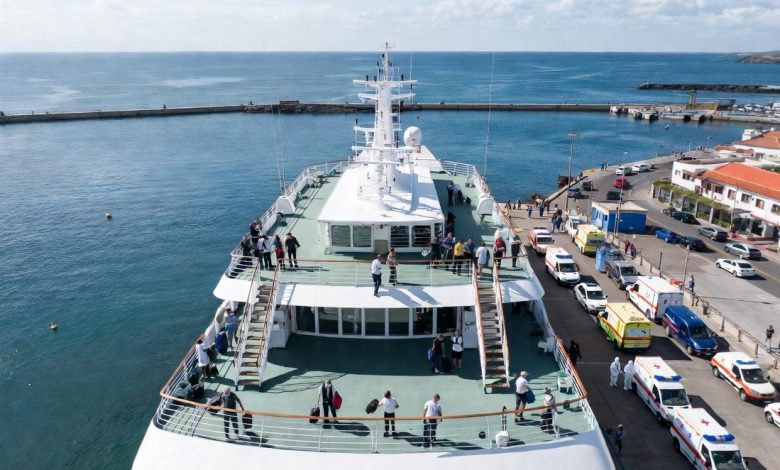
TENERIFE, Spain, is currently managing the complex evacuation of a cruise ship that has been struck by a deadly hantavirus outbreak. The vessel, now docked off the coast of Tenerife, has initiated the disembarkation of passengers, prioritizing safety and adhering to strict protocols to prevent further spread of the virus. The operation, which commenced on Sunday, involves a coordinated effort between Spanish authorities, international health organizations, and the home countries of the passengers. The primary objective is to ensure the safe return of all individuals while containing the outbreak.
The situation underscores the challenges associated with managing infectious diseases in confined environments such as cruise ships, where close proximity can facilitate rapid transmission. This incident has not only prompted immediate public health responses but also raised broader questions about safety measures and preventative strategies within the cruise industry. The evacuation process is expected to take two days, with meticulous attention to detail at every stage, from the initial disembarkation to the final repatriation flights.
The Hantavirus Outbreak on the Cruise Ship
The hantavirus outbreak on the cruise ship has presented a significant public health challenge. Hantaviruses are a family of viruses spread mainly by rodents and can cause varied disease syndromes in people worldwide. Infection occurs through inhalation of aerosolized virus from rodent urine, droppings, or saliva. While rare, human-to-human transmission has not been documented. The severity of hantavirus infections can range from mild to life-threatening, with symptoms typically including fever, muscle aches, and respiratory distress.
The close quarters of a cruise ship environment can exacerbate the risk of transmission if rodents are present. Understanding the specific strain of hantavirus involved and how it was introduced onto the ship is crucial for preventing future outbreaks. Health officials are conducting thorough investigations to determine the source of the outbreak and implement appropriate control measures, which may include enhanced sanitation protocols and rodent control measures. The incident highlights the need for rigorous health and safety standards on cruise ships to protect passengers and crew from infectious diseases. Similar health scares have prompted increased scrutiny in the past, such as the Spirit Airlines shuts down incident where passengers were stranded.
Evacuation Process at Granadilla Port
The Granadilla port in Tenerife has been transformed into a temporary medical and logistical hub to manage the evacuation process. A medical tent has been erected to provide immediate health assessments and support for disembarking passengers. The process is carefully orchestrated to minimize contact between passengers and the general public, thereby reducing the risk of further transmission. Passengers are disembarking in small groups, wearing full personal protective equipment (PPE), and are transported directly to waiting buses.
The buses then take the passengers to Tenerife South Airport, where special flights have been arranged by their respective countries to repatriate them. The entire operation is being overseen by a team of medical professionals, logistics experts, and security personnel. The coordination between different agencies and countries is essential to ensure a smooth and safe evacuation. The Granadilla port’s infrastructure and strategic location have made it an ideal site for managing this complex operation. The port’s capacity to handle large numbers of people and its proximity to the airport are critical advantages in this scenario.
Passenger Safety Measures and PPE
Stringent safety measures are in place to protect both the passengers and the personnel involved in the evacuation process. All disembarking passengers are required to wear full PPE, including face masks, gloves, and protective suits, to minimize the risk of exposure to the hantavirus. The use of PPE is a critical component of the infection control strategy.
In addition to PPE, passengers are provided with detailed instructions on hygiene and safety protocols. Hand sanitizing stations are available throughout the port and airport, and passengers are encouraged to practice frequent handwashing. Medical staff are on hand to monitor passengers for any signs of illness and to provide immediate medical assistance if needed. The strict adherence to these safety measures is essential to prevent further spread of the virus and to ensure the well-being of everyone involved in the evacuation. The provision of PPE and the enforcement of hygiene protocols reflect the seriousness with which authorities are addressing the outbreak. The increased focus on security risks and health protocols are now paramount in global operations.
Response from Spanish Authorities
Spanish authorities have been proactive in managing the hantavirus outbreak and coordinating the evacuation efforts. The Ministry of Health is working closely with local health officials in Tenerife to monitor the situation and implement necessary control measures. The deployment of medical personnel, the establishment of the medical tent at Granadilla port, and the coordination of transportation logistics all reflect the Spanish government’s commitment to containing the outbreak and ensuring the safety of both passengers and the local population.
The Spanish government is also collaborating with international health organizations, such as the World Health Organization (WHO), to share information and best practices for managing the outbreak. Regular updates are being provided to the public to keep them informed about the situation and the measures being taken to address it. The transparency and responsiveness of the Spanish authorities are crucial in maintaining public trust and confidence during this challenging time. The swift and decisive actions taken by the Spanish government demonstrate their preparedness to handle public health emergencies and their dedication to protecting the well-being of their citizens and visitors.
International Coordination and Repatriation Efforts
The repatriation of passengers involves significant international coordination, with each country arranging special flights to bring their citizens home. Consulates and embassies are working closely with Spanish authorities to facilitate the process and provide support to their citizens. The coordination of flights, ground transportation, and medical support requires careful planning and communication between multiple stakeholders.
The first flight, carrying 14 Spanish passengers, departed Tenerife for Madrid on Sunday, marking the beginning of the repatriation process. Other countries are expected to follow suit in the coming days. Upon arrival in their home countries, passengers will undergo further medical screening and monitoring to ensure they are free from infection. The international cooperation in this effort highlights the importance of global partnerships in addressing public health crises. The efficient and coordinated response is essential to minimize the risk of further spread of the virus and to provide timely assistance to those affected. Such collaboration mirrors the unified efforts seen in addressing other global challenges, such as the Hormuz crisis, where international cooperation is paramount.
Understanding Hantavirus: Transmission and Prevention
Hantaviruses are a group of viruses that can cause severe illness in humans. They are primarily transmitted through contact with infected rodents or their urine, droppings, or saliva. Understanding the modes of transmission and implementing preventive measures are crucial in controlling outbreaks. Hantavirus Pulmonary Syndrome (HPS) and Hemorrhagic Fever with Renal Syndrome (HFRS) are two of the most common and severe forms of hantavirus infection.
Preventive measures include controlling rodent populations, sealing entry points to buildings, and practicing good hygiene, such as frequent handwashing. When cleaning areas contaminated by rodents, it is important to wear protective gear and disinfect surfaces thoroughly. Public health education is also essential to raise awareness about the risks of hantavirus infection and the steps people can take to protect themselves. In environments like cruise ships, stringent pest control measures and sanitation protocols are necessary to minimize the risk of rodent infestation and subsequent virus transmission. Continuous monitoring and early detection are also vital in preventing widespread outbreaks.
Comparison of Viral Outbreaks on Cruise Ships
Viral outbreaks on cruise ships are not uncommon due to the close proximity of passengers and the potential for rapid transmission. Norovirus, influenza, and now hantavirus have all caused significant disruptions in the cruise industry. Comparing these outbreaks can provide valuable insights into the challenges of managing infectious diseases in confined environments and the effectiveness of different control measures.
Norovirus, for example, is highly contagious and spreads easily through contaminated food, water, or surfaces. Influenza can also spread quickly through respiratory droplets. In contrast, hantavirus is transmitted through contact with infected rodents, which requires a different set of preventive measures. Each type of outbreak necessitates a tailored response, including specific sanitation protocols, medical interventions, and public health communication strategies. Learning from past outbreaks and implementing robust prevention plans are essential for minimizing the impact of future incidents. The cruise industry must continuously improve its health and safety standards to protect passengers and maintain public confidence. Similar analysis is crucial when assessing clashes with state law and other areas where preventative measures are vital.
Below is a comparison table:
| Outbreak Type | Transmission Method | Common Symptoms | Preventive Measures |
|---|---|---|---|
| Norovirus | Contaminated food, water, or surfaces | Vomiting, diarrhea, stomach cramps | Frequent handwashing, proper food handling, disinfection |
| Influenza | Respiratory droplets | Fever, cough, sore throat | Vaccination, hand hygiene, covering coughs |
| Hantavirus | Contact with infected rodents | Fever, muscle aches, respiratory distress | Rodent control, sealing entry points, hygiene |
Impact on the Cruise Industry
The hantavirus outbreak on the cruise ship is likely to have significant repercussions for the cruise industry. Such incidents can damage the industry’s reputation and erode public trust. Potential consequences include decreased bookings, increased scrutiny from regulatory agencies, and the need for enhanced health and safety protocols. Cruise lines may need to invest in improved sanitation, pest control, and medical facilities to reassure passengers and prevent future outbreaks.
The industry may also face increased pressure to provide transparent and timely information to passengers and the public during health crises. Effective communication and proactive management are essential for mitigating the negative impact of outbreaks. The long-term effects on the cruise industry will depend on how effectively it addresses these challenges and restores confidence among travelers. The industry’s ability to adapt and implement robust safety measures will be critical for its future success.
Public Health Implications and Future Preparedness
The hantavirus outbreak highlights the importance of public health preparedness and the need for robust surveillance systems. Cruise ships, as potential hotspots for infectious diseases, require close monitoring and effective response mechanisms. Public health agencies must work closely with the cruise industry to develop and implement comprehensive prevention and control strategies. These strategies should include early detection systems, rapid response protocols, and effective communication plans.
Investment in public health infrastructure and training is essential to ensure that health officials are equipped to handle future outbreaks. International collaboration and information sharing are also crucial for addressing global health threats. The lessons learned from this outbreak can inform future policies and practices, helping to protect public health and prevent similar incidents from occurring. Preparedness extends to various sectors, including space force combat readiness, highlighting the need for vigilance across all domains.
Economic Impact on TENERIFE
The hantavirus outbreak and the subsequent evacuation efforts are likely to have an economic impact on Tenerife. The disruption to tourism, the costs associated with managing the outbreak, and the potential damage to the island’s reputation as a tourist destination all pose economic challenges. Local businesses, particularly those dependent on tourism, may experience reduced revenue. The Spanish government and local authorities may need to invest in economic recovery measures to support affected businesses and restore confidence in Tenerife as a safe and attractive destination.
Longer-term strategies may include diversifying the island’s economy, promoting sustainable tourism practices, and investing in public health infrastructure. Effective communication and transparency are essential for mitigating the negative economic impact and reassuring visitors that Tenerife is taking all necessary steps to ensure their safety. The economic resilience of Tenerife will depend on its ability to adapt to these challenges and implement proactive measures to support its tourism industry and local economy.
Long-Term Effects on Travel
The hantavirus outbreak on the cruise ship near Tenerife could have lasting effects on travel behavior, particularly within the cruise industry. Travelers may become more cautious about booking cruises, especially if concerns about health and safety are not adequately addressed. Enhanced health screening procedures, increased sanitation measures, and transparent communication from cruise lines will be essential to rebuild traveler confidence.
The incident may also prompt travelers to seek more information about the health and safety protocols of different cruise lines before making bookings. Travel insurance policies may need to adapt to cover potential health risks associated with cruise travel. The long-term impact on travel will depend on the industry’s ability to learn from this outbreak and implement measures that prioritize the health and safety of passengers. A focus on transparency, robust safety protocols, and effective communication will be critical in restoring trust and encouraging travelers to return to cruise vacations. The travel sector needs to innovate and adapt, much like the rapid evolutions seen in army ground drone breakthroughs, to ensure long-term viability and consumer confidence.